Rocca di Messer Fiorello: Medieval Fortress Overlooking the Oltrepò Vineyards

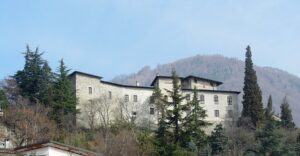
Rocca di Messer Fiorello is a 13th-century medieval ruin perched on a rocky spur in Rocca de’ Giorgi, in the Oltrepò Pavese region. It offers a unique panoramic view over the vineyards that produce prized wines like Buttafuoco and Sangue di Giuda, with an authentic atmosphere away from mass tourism. The climb is short and suitable for everyone, starting from the characteristic village with its stone houses.

  • 360° view over the vine-covered hills of Oltrepò Pavese
  • Well-preserved medieval architecture with sandstone walls and corner towers
  • Free access and always available without tickets
  • Short walk through the village of Rocca de’ Giorgi


Events nearby


Copertina itinerario Rocca di Messer Fiorello: Medieval Fortress Overlooking the Oltrepò Vineyards
13th-century ruins with sandstone walls and 360° views over the vine-covered hills. Free access, short walk from the village of Rocca de’ Giorgi. Ideal for photography and medieval history.

Good to know


Introduction

Reaching the Rocca di Messer Fiorello feels like discovering a well-kept secret nestled among the hills of Oltrepò Pavese. This medieval ruin, perched on a rocky spur in Rocca de’ Giorgi, welcomes you with an atmosphere suspended in time. The panoramic view unfolding from its walls embraces a sea of orderly vineyards, where prized wines like Buttafuoco and Sangue di Giuda are born. It’s not just a monument, but a natural balcony overlooking the most authentic landscape of rural Lombardy, perfect for those seeking breathtaking photo opportunities and a plunge into history without crowds of tourists.

Historical Overview

The fortress was established in the 13th century as a defensive outpost of the Malaspina, powerful feudal lords who controlled these valleys. The name derives from Fiorello, a condottiero linked to the family, who established his base here. In the fifteenth century, it passed to the Dal Verme family, who enhanced its structures, but by the seventeenth century, its decline began, transforming it into an agricultural residence until its eventual abandonment. Today, the imposing perimeter walls made of local stone and traces of ancient rooms remain, bearing witness to the battles and alliances that shaped the history of Oltrepò.

  • 13th century: Construction commissioned by the Malaspina
  • 15th century: Transfer to the Dal Verme and expansion
  • 17th century: Beginning of abandonment and conversion to agricultural use
  • Today: Visitable ruins with conservation restorations

Architecture and Materials

What stands out about the fortress is the masterful use of sandstone quarried from nearby sites, which gives the walls a warm, golden hue in the sunlight. The remains clearly show the quadrangular layout with corner towers, where you can still make out the arrow slits for archers and the foundations of the walkways. Climbing to the highest points, you notice the marks from the beam joints for the floor structures—a detail that sparks the imagination about daily life in the Middle Ages. No decorative elements have survived, but the structural strength speaks of an era when military function was paramount.

Scenery and Natural Setting

The fortress’s true treasure is the 360-degree panorama over the Oltrepò hills. To the south, the gaze sweeps across the Barbera and Croatina vineyards that shape the landscape, while to the north, the profile of the Apennines can be glimpsed. In spring, the surrounding meadows fill with wildflowers, creating a poetic contrast with the ancient stones. It’s an ideal spot for a contemplative break, perhaps with a light picnic, listening only to the wind and the buzzing of bees. Here, nature and history merge, offering a complete sensory experience.

Why Visit

Visit Rocca di Messer Fiorello for three concrete reasons: first, it’s free and always accessible, with no tickets or complicated opening hours; second, it offers a unique view over the Oltrepò vineyards, perfect for photography enthusiasts or wine lovers; third, it’s a rare example of intact medieval military architecture in its original context, far from artificial reconstructions. Plus, the climb is short and suitable for everyone, with a well-marked trail starting from the village of Rocca de’ Giorgi.

When to Go

The best time is late afternoon in autumn, when the slanting light enhances the colors of the stones and the grapevines being harvested paint the landscape in red and gold. During this season, the air is crisp, and the details of the surrounding valleys are clearly visible. Avoid the midday hours in summer, as the site lacks shade and the heat can make the visit less enjoyable. A clear spring day also offers unforgettable atmospheres.

In the Surroundings

Complete your experience with a stop at Tenuta Il Bosco winery, just a short drive away, where you can sample typical wines like Oltrepò Pavese Metodo Classico. For history enthusiasts, Montù Beccaria Castle is worth a visit – another Malaspina fortress with a well-preserved tower and a museum of rural life. Both locations deepen the connection between the territory, viticulture, and architectural heritage.

Itineraries nearby


💡 Did You Know…?

Legend has it that Messer Fiorello, a knight of the Malaspina family, built this fortress to control the Staffora valley. It is said that on full moon nights, you can still hear the footsteps of sentinels along the walls. The fortress was the scene of fierce battles between Guelphs and Ghibellines, and its walls bear the marks of those clashes. An interesting detail: from the highest tower, you could see up to three nearby castles, creating a unique visual communication network in the territory.