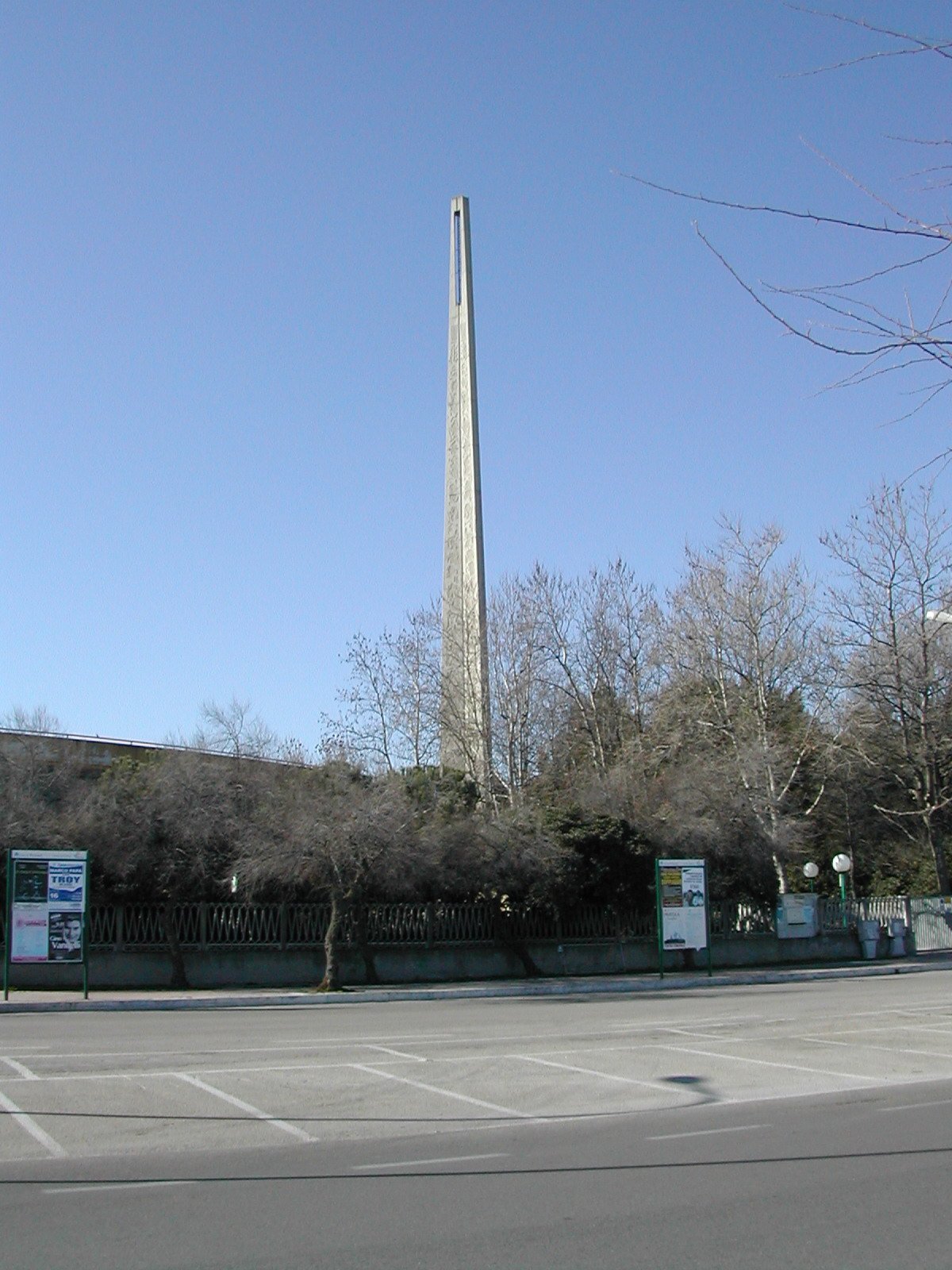
The Teatro D’Annunzio is the main theater in Pescara, a cultural landmark active year-round with a rich program. Located in the heart of the city, it is easily accessible and offers a cultural experience open to all.
Rich theatrical season with drama, comedy, and contemporary works
Concerts and musical events ranging from classical to jazz
Modern architecture with a well-equipped main hall seating 800
Central location just steps from the seafront and main city attractions
Introduction
While strolling through the center of Pescara, perhaps after a walk along the seafront, you come across a building that seems slightly out of time. It’s not a cathedral or an ancient palace, but it carries its own weight. This is the Teatro D’Annunzio, which since 1963 has been the cultural heart of the city. You recognize it immediately: the red brick and concrete façade, that 1960s architecture I like to call ‘brutalist but with grace’. Inside, the atmosphere changes: the foyer is bright, with large windows, and already gives you the sense of a lively place, not a museum. When there’s a performance, you can feel the energy from the square in front. It’s not just a theater; it’s the point where the city gathers to breathe art. And perhaps, this is its greatest charm: being contemporary and rooted at the same time.
Historical Overview
The story of the D’Annunzio Theatre is one of rebirth. During Italy’s economic boom, Pescara sought a permanent theatre of its own—a symbol of cultural as well as economic growth. It was inaugurated on December 27, 1963, and dedicated to the city’s most illustrious son, Gabriele D’Annunzio. This is no coincidence: the theatre stands just steps from his birthplace, as if to weave a red thread connecting past and present. Over the years, its stage has hosted everything from major drama companies to symphony concerts and the boldest experimental works. It has weathered ups and downs, but today, with a carefully curated program, it is more vibrant than ever. This is a theatre that has lived alongside the city, adapting to its changes without losing its original soul.
Brief Timeline:
- 1963: Official inauguration of the theatre, named after Gabriele D’Annunzio.
- 1970s–1980s: Becomes a hub for Italian classical drama and hosts significant premieres.
- 2000s: Programming renewal, with greater emphasis on contemporary works and dance.
- Today: Home to a stable theatre season, music festivals, and cultural events for the community.
Behind the Scenes: The Hall and Its Acoustics
With over 800 seats arranged in an orchestra and balcony that wrap around the stage, entering the hall when it’s empty reveals a particular, almost sacred silence. But the real magic lies in the acoustics. A sound technician I happened to meet pointed it out: the hall is designed to feel ‘warm’ and intimate, even when full. It’s no coincidence that chamber music concerts or poetry readings here have a different resonance. The stage, spacious and flexible, allows for both traditional and more innovative setups. I like to sit in the balcony for an overall view: from there, you can appreciate the clean lines of the hall and that play of lights on the ceiling which, during intermissions, creates a truly suggestive atmosphere. It’s a detail, but it makes all the difference.
Not Just a Theater: The Foyer That Lives by Day
Many think of the theater only in the evening, for the performance. But the D’Annunzio has another life, a daytime one that’s equally interesting. The foyer, with its large windows overlooking the square, is a versatile space that often hosts contemporary art exhibitions, author talks, or small cultural events. I happened to be there on a sunny morning: there was a photo exhibition on Pescara in the 1960s, and the light streaming through the windows illuminated the images perfectly. It’s a place of passage, of course, but also a place to linger. You can often sit down to read the program or simply watch the hustle and bustle of the square. This dual use—theater in the evening, cultural salon by day—makes it a vibrant fixture in the city’s daily life, not just a destination for theater enthusiasts.
Why Visit It
Why is it worth including the D’Annunzio Theatre in a Pescara itinerary? Here are three concrete reasons. First: it’s a way to experience the Pescara of the locals. Going to the theatre here isn’t a tourist activity, but an immersion into the local cultural life. Second: the programming is surprisingly varied. In one week, you might find a classic by Pirandello, a jazz concert, and a theatre-dance show for children. Third: the location is unbeatable. It’s in the heart of the city centre, just steps from the sea and typical local spots. After the show, you can take a stroll along the seafront or stop for a beer in one of the nightlife pubs. It’s culture blending seamlessly with everyday life.
When to Go
The theater season typically runs from October to May, when the theater is in its element: vibrant and bustling, with a rich program of performances. But if you’re looking for a more intimate and authentic atmosphere, try visiting on a weekday afternoon. The foyer is often open and quiet, allowing you to admire the architecture without the crowds and perhaps catch a glimpse of temporary exhibitions. In summer, the theater doesn’t take a break: it often hosts festivals or special events, sometimes in collaboration with the nearby waterfront. An August evening, with the breeze drifting in through open windows, has its own unique charm. Personally, I prefer the atmosphere of the winter months, when the theater becomes a warm and welcoming refuge from the cold evenings.
In the Surroundings
After leaving the theater, you’re spoiled for choice. Just a two-minute walk away is the Birthplace of Gabriele D’Annunzio, now a museum. It’s a dive into the childhood of the Vate, with memorabilia and documents recounting his Abruzzese origins. The contrast between the theater’s modernity and the house’s nineteenth-century atmosphere is intriguing. If you’re in the mood for a lighter experience, head towards the Pescara Pier. It’s a must-do stroll, especially at sunset. The seafront is bustling with little spots to enjoy an aperitif or artisanal gelato, perhaps after the show. Two different experiences, both within walking distance, that perfectly complement a visit to the city’s cultural heart.