Teatro Massimo Bellini Catania: Perfect Acoustics and the Triumph of Music Fresco

The Teatro Massimo Bellini, inaugurated in 1890, is an Art Nouveau gem with perfect acoustics and the Triumph of Music fresco on the ceiling. It offers an opera season, concerts, and behind-the-scenes guided tours. • Horseshoe-shaped hall with five tiers of boxes and world-class acoustics • Triumph of Music fresco on the ceiling of the auditorium • Guided tours showcasing the stage, foyer, and dressing rooms • Central location steps away from Piazza Duomo and the Elephant Fountain


Events nearby

Copertina itinerario Teatro Massimo Bellini Catania: Perfect Acoustics and the Triumph of Music Fresco
1890 opera house with horseshoe-shaped hall, world-class acoustics, and the Triumph of Music fresco. Guided tours of the stage and dressing rooms, steps away from Piazza Duomo.

Good to know


The First Impression

As soon as you arrive in Piazza Vincenzo Bellini, the Teatro Massimo Bellini strikes you right in the heart. It’s not just a building; it’s a presence. The neobaroque facade, with those statues that seem to watch you from above, makes you feel small yet part of something grand. The first time, I stood there for quite a while, gazing at the details of the pale stone against Catania’s blue sky. Inside is even more astonishing: the horseshoe-shaped hall with its five tiers of boxes envelops you in a golden and red embrace. The atmosphere is that of a place that has lived stories, applause, and emotions. You don’t need to be an opera enthusiast to understand that you’re in a special place, where art breathes within the walls.

A Story That Resonates

The theater was born from Catania’s desire to have its own temple of opera, after the old Teatro Comunale had been destroyed. Construction began in 1870 based on designs by Andrea Scala and later Carlo Sada, and finally on May 31, 1890, it opened with Vincenzo Bellini’s Norma, the Catania-born composer to whom it is dedicated. To think that on that very evening, the notes of ‘Casta Diva’ echoed from the stage… it leaves quite an impression. Over time, it has seen illustrious conductors and legendary sopranos pass through, even overcoming war damage. Today, it is a cornerstone of the city’s cultural life, a symbol of resilience and beauty.

  • 1870: Construction begins
  • May 31, 1890: Inauguration with Bellini’s ‘Norma’
  • World War II: Damage and subsequent reconstruction
  • Today: Home to the opera season and concerts

The Ceiling That Tells a Story

Look up when you’re in the audience. The ceiling of the Teatro Massimo Bellini isn’t just decorative: it’s a painted narrative. The central fresco by Ernesto Bellandi depicts The Triumph of Music, with allegorical figures that seem to move among the clouds. There are cherubs, instruments, and a light that changes with the time of day. I like to think that, while you listen to the opera, they ‘listen’ from above too. The details are meticulous – if you have binoculars (or even just good eyesight), take some time to discover them. It’s one of those elements that transforms the visit into a multi-layered experience, not just architectural but also pictorial. Some say that in the evening, with the hall lights, the effect is even more magical.

Behind the Scenes (Almost)

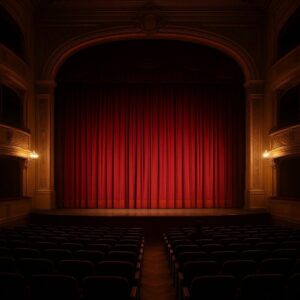
Not everyone knows that the theater offers guided tours that take you to normally hidden corners. It’s not the typical rushed tour: if you happen to come on the right day, you can see the green room, dressing rooms, and even the stage from an unusual perspective. I was lucky enough to step onto the stage and look out at the empty auditorium—it felt like being a singer ready to perform, with that silence full of anticipation. The guides often share anecdotes about rehearsals, costumes, and how the theatrical machinery works. Even if you don’t attend a performance, this visit gives you a concrete idea of the work behind the magic of opera. A tip? Ask for information at the entrance, because schedules can vary.

Itineraries nearby


💡 Did You Know…?

The theater holds a curious anecdote related to its acoustics: it is said that during construction, to test sound quality, the masons used a simple whistle. Legend has it that the designer, Carlo Sada, personally verified every corner of the hall by listening to the sound bounce without unwanted echoes. Today, sound technicians confirm that no amplifier is needed for the singers’ voices, thanks to the perfect natural resonance. Furthermore, beneath the stage lies an original 19th-century system of resonance chambers, still functional, which help create a unique atmosphere during performances.