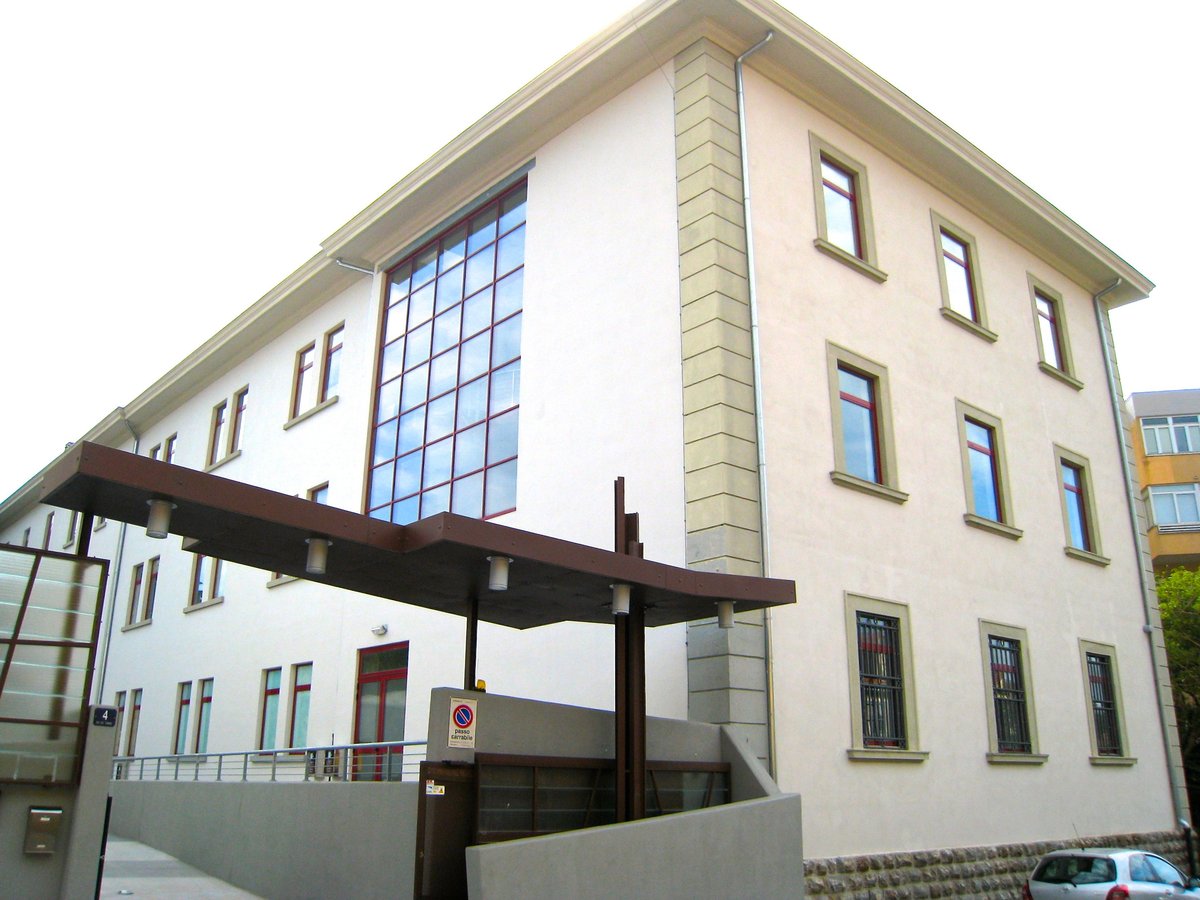
Founded in 1846, the Trieste Natural History Museum offers an immersive experience with modern exhibits in a 1930s rationalist building. It hosts unique collections from historical expeditions and scientific research, perfect for a relaxed cultural visit away from the city center bustle.
• Majestic suspended whale skeletons in the central hall
• Fluorescent Karst minerals that glow under ultraviolet light
• Adriatic fauna collection with specimens from our sea
• Educational workshops and itineraries designed for families and children
Introduction
Stepping into the Natural History Museum of Trieste is like diving into a parallel world, where whale skeletons suspended from the ceiling greet you with majestic silence. This isn’t your typical dusty museum: here, the zoological, botanical, and geological collections seem alive, telling stories of distant lands and deep seas. The visual impact is immediate, especially in the central hall with the great cetacean, which leaves both children and adults in awe. I immediately felt catapulted into a scientific adventure, with that slightly vintage atmosphere of old-time museums, but with a modern and well-curated setup. Perfect for those seeking something different from the classic tourist circuit, it offers genuine emotions and a fresh perspective on the nature of the Karst and the Adriatic.
Historical Overview
The museum was founded in 1846 as the Zoological-Zootomical Cabinet, established by the Austro-Hungarian Empire to study local fauna. Over time, it incorporated private collections and was enriched by expeditions to Africa and Asia, becoming a research hub. During World War I, part of the collection was hidden to protect it from bombing. Today, housed in a Rationalist building from the 1930s, it blends tradition and innovation, with a historical library worth a peek.
- 1846: Founded as the Zoological-Zootomical Cabinet
- Late 1800s: Expanded with collections from colonial expeditions
- 1915-1918: Protection of specimens during the war
- 1933: Moved to its current location on Via dei Tominz
The Surprising Halls
Beyond the whale, which is the main attraction, there are lesser-known but fascinating corners. The geology section, for example, displays Karst minerals that sparkle under the lights, with quartz crystals that seem to come straight out of a fairy tale. Then there’s the entomological collection, with exotic insects of bizarre shapes – some so colourful they look painted. The botany hall houses historical herbariums with plants collected in the 1800s, perfect for those who love minute details. I noticed that the captions are clear and not too technical, which helps you immerse yourself without feeling overwhelmed. A tip: don’t skip the smaller display cases, as they often hide curious stories, like that of the fossil fish found nearby.
For Families and the Curious
This museum has a practical side that makes it ideal for a family visit. The educational workshops, available during certain periods, allow children to touch artifacts and conduct simple experiments, like observing under a microscope—I saw them thrilled! Additionally, the route is accessible and well-marked, without too many stairs, and there are areas to sit for a break. For science enthusiasts, the collections of local mollusks and birds offer insights into the biodiversity of Friuli-Venezia Giulia. Personally, I appreciated the lack of crowds, which gives you time to linger without rush. It’s a place where you learn while having fun, without that rigid academic museum feel.
Why Visit It
First, for its authenticity: it’s not an overcrowded or commercial place, but a genuine research center open to the public, with unique collections like those of Adriatic fauna. Second, for the variety: in an hour, you can go from prehistoric skeletons to tropical butterflies without ever getting bored. Third, for the context: it’s located in a quiet residential neighborhood, away from the city center’s chaos, ideal for a relaxed cultural break. I’ve returned because each time I discover something new, perhaps a temporary exhibition on local fossils. It’s an enriching experience without effort, perfect for those wanting to break away from the usual itineraries.
When to Go
The best time? A winter afternoon, when the soft light filters through the windows and creates an intimate, almost magical atmosphere among the display cases. In summer, I recommend the midday hours to escape the intense sun, taking advantage of the cool interior. In spring and autumn, the museum is less crowded, so you can enjoy it at a leisurely pace. I’d avoid crowded weekends if possible, as it loses some of its quiet charm. I’ve noticed that after a light Trieste rain, stepping in here is like finding a welcoming refuge, perfect for recharging before exploring more.
In the Surroundings
After leaving the museum, it’s worth taking a stroll to the Muzio de Tommasini Public Garden, a green oasis with centuries-old trees and a sea view, perfect for a relaxing break. Not far away, you’ll find the Diego de Henriquez Civic Museum of War for Peace, a fascinating place that complements the historical-scientific theme with collections of military vehicles and everyday objects. If you’re in the mood for a coffee, head towards the city center, where local cafes serve excellent Trieste blends. This residential area offers an authentic glimpse of the city, away from the more touristy routes.