
🧭 What to Expect
- Ideal for a weekend of history, art, and Adriatic relaxation.
- Highlights: Medieval Castle with Civic Museum, Colossus of Barletta, and De Nittis Art Gallery.
- Ancient history at the Cannae Battlefield Archaeological Park and the Antiquarium.
- Historic center with Palazzo della Marra, Curci Theatre, and Fratelli Cervi Gardens.
Barletta, overlooking the Adriatic Sea in the province of Barletta-Andria-Trani, is a city that encapsulates centuries of history in every corner. The Castle of Barletta, a majestic medieval fortress, dominates the cityscape and hosts temporary exhibitions. You can't miss the famous Colossus of Barletta, the giant bronze statue standing in front of the Basilica of the Holy Sepulchre. The De Nittis Art Gallery houses works by the Barletta-born painter Giuseppe De Nittis, while the Archaeological Park of Cannae takes you back in time to the site of the famous battle between Romans and Carthaginians. The historic centre, with its alleys and noble palaces like Palazzo della Marra, invites peaceful strolls among artisan workshops and traditional local spots.
Overview
Barletta Castle
- Viale Manuti Giorgio, Barletta (BT)
- Open in Google Maps
- View on Google Images
 The Barletta Castle stands imposingly in the historic center of the city, just steps away from the Adriatic Sea. Built by the Normans in the 12th century and later expanded by the Swabians and Angevins, this fortress represents one of the most significant examples of medieval military architecture in Apulia. Its strategic position, right opposite the port, made it for centuries a crucial defensive stronghold for controlling the territory. Today the castle houses the Civic Museum, which preserves archaeological finds of great value, including the famous Colossus of Barletta Statue, an imposing bronze sculpture from the late Roman period standing over 5 meters tall. The perfectly preserved interior rooms tell the story of the city and surrounding area through modern exhibits. Particularly evocative are the rampart walkways, which offer a breathtaking panoramic view of the sea and the historic center. The still-visible moat and massive perimeter walls testify to the structure's original function. Recently restored, the castle has also become an important cultural hub, hosting temporary exhibitions and events. The visit allows you to discover not only the architectural evolution of the building through the centuries, but also to immerse yourself in the history of a city that has always played a crucial role in Mediterranean commercial and cultural exchanges.
Archaeological Park of Cannae Battlefield
- Go to the page: Archaeological Park of Cannae: Roman Weapons and Views over the Ofanto Valley
- Decumanus Maximus, Barletta (BT)
- Open in Google Maps
- View on Google Images
 The Archaeological Park of Cannae Battlefield is not just a historical site, but a true journey through time that takes you directly to 216 BC, when one of the most famous battles of antiquity was fought here. Located on a hill about 10 km from Barletta, the park extends across an area of great strategic importance, dominating the Ofanto Valley. The Antiquarium, the museum attached to the park, is the ideal starting point: here you'll find artifacts uncovered during excavations, including ceramics, weapons, and coins that tell the story of daily life before and after the epic clash between Romans and Carthaginians. The Roman baths, with their mosaics and still-visible heating system, testify to the site's importance during the imperial era. Walking along the park's paths, you'll encounter the remains of megalithic walls and necropolises, offering a glimpse into the long human presence in this place. Cannae Hill, besides being a natural observatory over northern Apulia, preserves traces of a Daunian village dating back to the 9th century BC. The visit concludes with a stop at the ossuary monument, erected in memory of the battle's fallen soldiers, a place of reflection that completes this immersive experience. For those who love history and evocative landscapes, the park is a must-see destination, easily accessible and well-marked.
Pinacoteca De Nittis
- Go to the page: De Nittis Gallery: Over 200 Works in the Painter's House-Museum in Barletta
- Via della Marra, Barletta (BT)
- Open in Google Maps
- View on Google Images
 The Pinacoteca De Nittis is a cultural jewel in the heart of Barletta, housed within the Palazzo della Marra, a Renaissance building that is worth visiting in its own right. This museum is entirely dedicated to Giuseppe De Nittis, one of the most important Italian painters of the 19th century, born right here in Barletta in 1846. The permanent collection includes over 150 works among paintings, drawings, and watercolours that trace the entire artistic career of the master, from his early Apulian studies to his famous Parisian views. The exhibition rooms are arranged chronologically, allowing visitors to follow De Nittis's stylistic evolution from his Neapolitan training to his embrace of the French Impressionist movement. Among the absolute masterpieces stand out "Breakfast in the Garden", "Clouds over Westminster", and the series of "Views of Naples", canvases that demonstrate his extraordinary ability to capture light and the details of everyday life. The gallery also preserves autograph letters and personal documents that recount the artist's relationships with colleagues like Degas and Manet. The modern and well-curated display enhances each work, with clear explanatory panels that help understand the historical and artistic context. The admission ticket is affordable and includes an audio guide in Italian and English. For art enthusiasts, this is an essential stop to discover an often-underestimated protagonist of 19th-century European painting.
Barletta Civic Museum
- Go to the page: Barletta Civic Museum: Bronze Colossus and De Nittis Works in Palazzo della Marra
- Viale Manuti Giorgio, Barletta (BT)
- Open in Google Maps
- View on Google Images
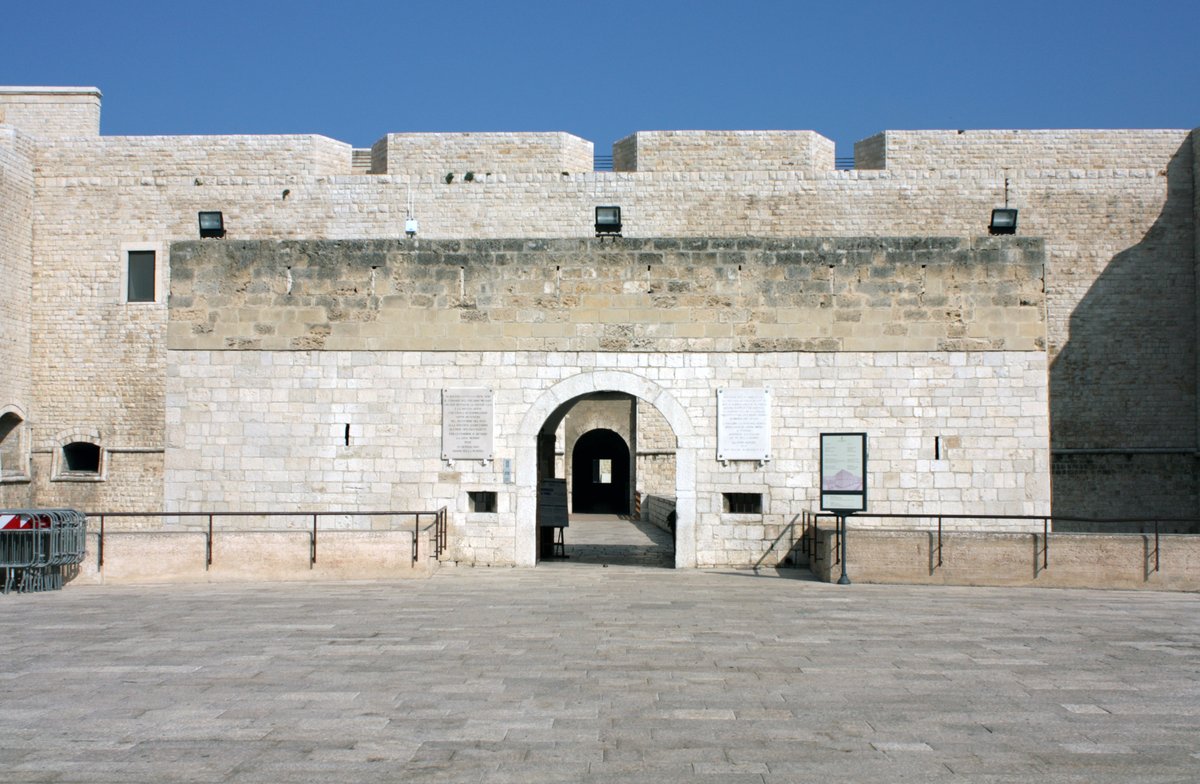 The Barletta Civic Museum is a true cultural gem located within the majestic Barletta Castle, one of the city's most recognizable symbols. Its placement in this imposing medieval building, which dominates the urban landscape, makes the visit a doubly fascinating experience. The museum is organized into several sections that tell the history of the territory, from prehistory to the modern age, through archaeological finds, works of art, and documents. Among the most significant pieces are materials from the Cannae Battlefield archaeological area, which testify to the strategic importance of this area even in ancient times. The medieval and Renaissance section houses sculptures, ceramics, and paintings that illustrate the artistic and social evolution of Barletta, with particular attention to the period when the city was a vibrant commercial port. References to the famous Challenge of Barletta, a historical event that shaped local identity, are also present. The museum's rooms, well-organized and equipped with clear explanatory panels, allow visitors to immerse themselves in history without feeling overwhelmed. The visit ideally concludes with a walk along the castle walls, offering a splendid view of the Adriatic Sea and the historic center. An experience recommended for those who truly want to understand the soul of this city.
Curci Theatre
- Go to the page: Curci Theatre of Barletta: Neoclassical Architecture and Perfect Acoustics Since 1872
- Via Consalvo da Cordova, Barletta (BT)
- https://www.teatrocurci.it/
- Open in Google Maps
- View on Google Images
 The Curci Theatre is one of Barletta's most significant cultural landmarks—an authentic architectural gem that narrates centuries of history and a passion for performance. Inaugurated in 1872 based on a design by local engineer Francesco Sarlo, the theatre is named after the musician and composer Giuseppe Curci, a native of the city. Its neoclassical facade, understated and elegant, conceals an interior rich in detail: the frescoed ceiling by Giovanni Battista Calò, adorned with musical and theatrical allegories, immediately captures attention, while the carved wooden boxes and historic curtain contribute to an atmosphere of bygone eras. With a capacity of around 400 seats, the Curci is a mid-sized theatre that offers an intimate and engaging experience, ideal for drama, concerts, and opera. Over the years, it has hosted nationally and internationally renowned artists, becoming a cornerstone of the city's cultural life. Today, following careful restorations, the Curci continues to present a rich programme of events, spanning from classical theatre to contemporary music. Its central location, just steps from the Barletta Castle and the De Nittis Art Gallery, makes it an essential stop for visitors to the city. To attend a performance, it's advisable to check the schedule on the official website or visit the box office, where guided tours revealing anecdotes and curiosities about the theatre's history can also be booked.
Palazzo della Marra
- Go to the page: Palazzo della Marra in Barletta: De Nittis Art Gallery and Renaissance Architecture
- Via della Marra, Barletta (BT)
- Open in Google Maps
- View on Google Images
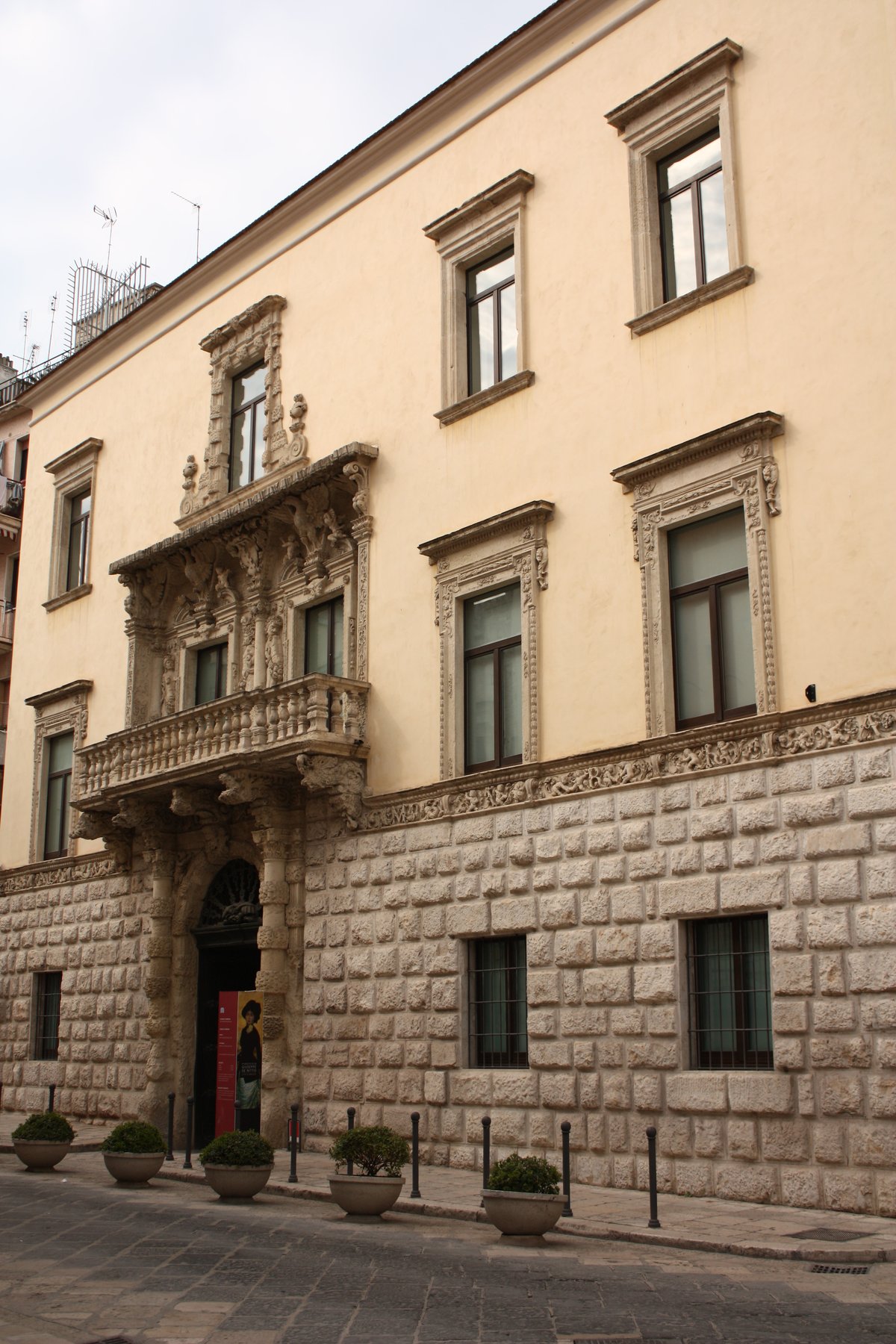 If you're looking for a corner of Barletta that tells stories of nobility and power, Palazzo della Marra is the perfect stop. This historic building, located on Via Cialdini, dates back to the 17th century and represents one of the most significant examples of Baroque architecture in the city. Once belonging to the noble Marra family, the palace stands out for its elegant façade, featuring a carved stone portal and decorated balconies that immediately catch the eye. Inside, the rooms preserve original frescoes and stuccoes, testaments to the opulence of the era. Today, the palace hosts cultural events and temporary exhibitions, making it a vibrant hub for local art. Its central location makes it easy to include in a walking itinerary, perhaps combined with a visit to the nearby Barletta Castle. Don't miss the inner courtyard, an oasis of tranquility where you can admire minor but equally fascinating architectural details. Admission is often free for exhibitions, but always check the opening hours, which may vary depending on ongoing events. A tip: allow at least half an hour to explore every corner, paying attention to the details of the ceilings and staircases.
Antiquarium of Cannae Battlefield
- Go to the page: Antiquarium of Cannae Battlefield: Archaeological Museum with artifacts from the Bronze Age to the Middle Ages
- Strada Provinciale 19 Accesso a Canne della Battaglia, Barletta (BT)
- https://museipuglia.cultura.gov.it/musei/museo-e-parco-archeologico-canne-della-battaglia/
- Open in Google Maps
- View on Google Images
- pm-pug.museocannedellabattaglia@beniculturali.it
- +39 088 3510993
 If you're in Barletta, you can't miss the Antiquarium of Cannae Battlefield, a museum that takes you straight to the heart of one of the most famous clashes in ancient history. Located in the archaeological area where the celebrated battle between Romans and Carthaginians was fought in 216 BC, this small but rich museum houses artifacts discovered during excavations. The display cases preserve ceramics, coins, weapons, and everyday objects that tell the story of the site from the Bronze Age to the medieval period. Particularly fascinating are the materials related to the battle itself, such as arrowheads and remnants of armor, which help imagine the clash. The exhibition route is clear and well-organized, with educational panels explaining the historical and geographical context. The Antiquarium is the ideal starting point for visiting the entire archaeological park, which includes the remains of the ancient city and the hill where the battle took place. The museum, although modest in size, offers a comprehensive overview and prepares you to better understand what you'll see outdoors. It's a place that captivates both history experts and the curious, thanks to its ability to make distant events tangible. Conclude your visit with a walk among the ruins for a truly immersive experience.
Fratelli Cervi Gardens
- Barletta (BT)
- Open in Google Maps
- View on Google Images
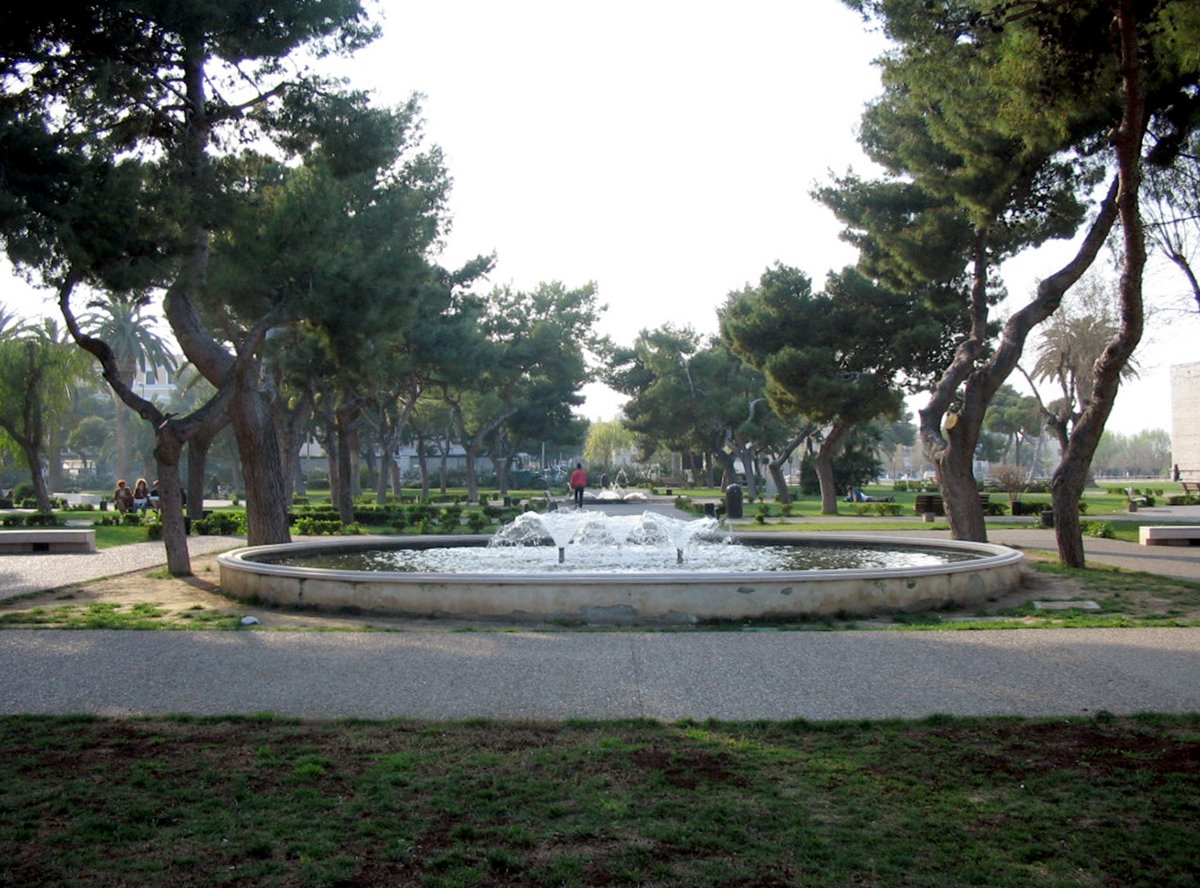 The Fratelli Cervi Gardens represent one of the most cherished green lungs of Barletta, strategically located just steps from the historic center. This urban park, named after the three partisan brothers killed during the Resistance, offers a tranquil and intimate atmosphere, perfect for a refreshing break while exploring the city. The area is characterized by its well-maintained tree-lined avenues, where majestic pines and holm oaks create ideal shaded spots on warmer days. At the center of the park stands a circular fountain that adds a touch of coolness and movement, while benches scattered along the pathways invite contemplative pauses. The gardens are particularly popular with families due to the presence of a well-equipped children's play area, making the space suitable for visitors of all ages. The central location allows for easy combination with other points of interest, such as the nearby Castle and the historic center. During spring, the blooming flowerbeds offer stunning colors that transform the park into a true natural painting. The atmosphere is always lively but never chaotic, with residents and tourists sharing this space with respect and tranquility. For those seeking a moment of relaxation away from city traffic, the Fratelli Cervi Gardens provide the ideal solution without having to leave the heart of Barletta.
Commemorative Ossuary of Yugoslav Fallen Soldiers
- Via del Gelso, Barletta (BT)
- Open in Google Maps
- View on Google Images
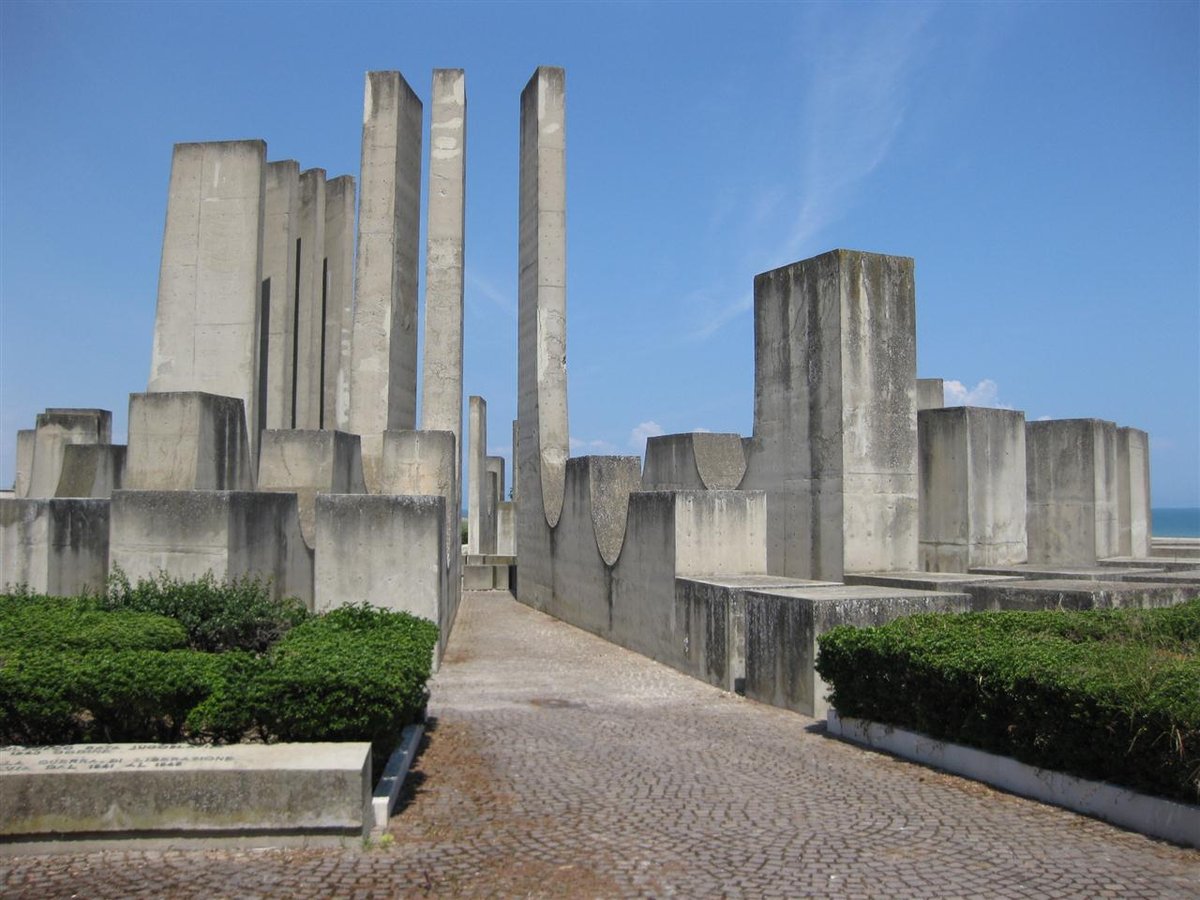 The Commemorative Ossuary of Yugoslav Fallen Soldiers in Barletta is a place that strikes for its essentiality and deep historical significance. Located on Via Ferdinando d'Aragona, this monument commemorates the Yugoslav soldiers who died during World War II, many of whom were prisoners in Italian concentration camps. The structure features an architectural simplicity that enhances its commemorative character: a chapel made of local stone, sober and linear, surrounded by a well-maintained green area. Inside, the atmosphere is one of contemplation, with tombstones bearing the names of the fallen and symbols recalling their origins. Visiting the ossuary means immersing oneself in a often little-known page of history, that of the Yugoslav war victims, and reflecting on the consequences of conflicts. The place is particularly significant for those interested in contemporary history and memory trails. It is freely accessible and located just a few steps from the city center, easily reachable on foot. Its location makes it an ideal stop for a moment of pause during a visit to Barletta, away from the crowds but rich in meaning. One striking detail is the care with which it is maintained, a sign of the respect the local community pays to this space of memory.