
🧭 What to Expect
- Ideal for archaeology enthusiasts and culture lovers away from mass tourism.
- Highlights: National Archaeological Museum of Abruzzo with the Warrior of Capestrano, 19th-century Marrucino Theater, and medieval historic center.
- Includes interactive map with six main stops and Abruzzese art collections.
- Strategic location between the Adriatic Sea and mountain parks of Abruzzo.
Chieti, a city of Roman origin perched on a hill, offers a perfectly preserved medieval historic centre where you can lose yourself among alleys and squares. The National Archaeological Museum of Abruzzo houses unique artefacts like the Warrior of Capestrano, while the Marrucino Theatre, active since 1818, continues to animate the city's cultural life. Just steps away, the Costantino Barbella Art Museum tells the story of local artistic tradition through ceramics and sculptures. The city overlooks the Pescara valley, offering breathtaking panoramas that stretch from the Maiella to the Gran Sasso, making every walk a unique experience between history and nature.
Overview
National Archaeological Museum of Abruzzo - Villa Frigerj
- Via Guido Costanzi 3, Chieti (CH)
- https://www.musei.abruzzo.beniculturali.it/musei?mid=61&nome=museo-archeologico-nazionale-dabruzzo-villa-frigerj
- Open in Google Maps
- View on Google Images
- pm-abr.villafrigerj@beniculturali.it
- +39 0871 404 392
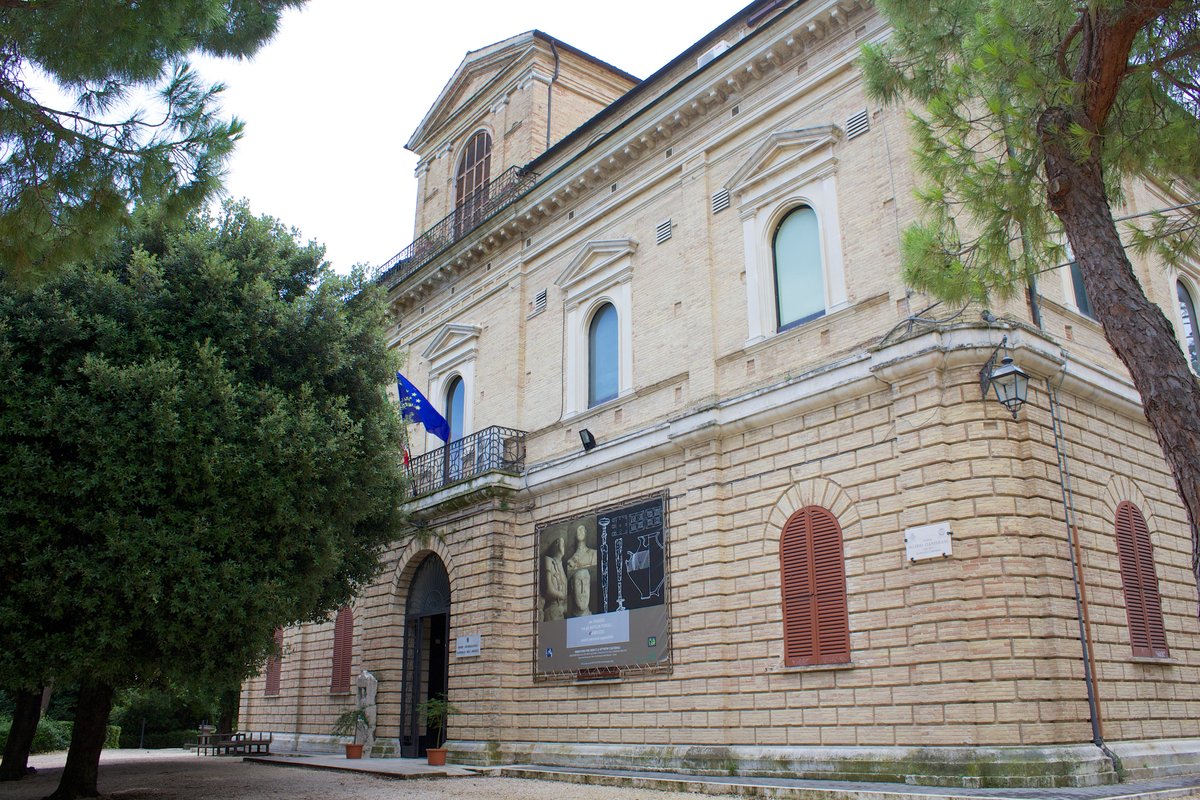 If you visit Chieti, the National Archaeological Museum of Abruzzo - Villa Frigerj is an unmissable stop. Housed in an elegant neoclassical villa from the 19th century surrounded by a park, this museum hosts one of the most important archaeological collections in Abruzzo. The highlight is undoubtedly the Warrior of Capestrano, a 6th-century BC funerary statue over two meters tall representing a warrior chief of the Vestini. Its hieratic posture and disk-shaped helmet make it a unique icon of Italic art. Beyond this masterpiece, the museum preserves artifacts that tell the story of Abruzzo's pre-Roman populations: Peltre, Vestini, Marrucini, and Carricini. Among the treasures not to be missed are the funerary stelae with inscriptions in North Oscan language, burial site grave goods, and everyday objects that testify to ancient customs and traditions. The layout of the rooms follows a chronological and geographical criterion, allowing visitors to trace the evolution of these cultures up to their Romanization. The villa itself is worth a visit: its interiors retain original decorations and offer a suggestive atmosphere for immersing oneself in history. A tip: allow at least an hour and a half to fully appreciate the details of each artifact, especially the smaller ones like coins and jewelry that reveal surprising craftsmanship.
National Archaeological Museum of Abruzzo - La Civitella
- Via Generale Giuseppe Salvatore Pianell, Chieti (CH)
- https://www.musei.abruzzo.beniculturali.it/musei?mid=316&nome=museo-archeologico-nazionale-la-civitella
- Open in Google Maps
- View on Google Images
- pm-abr.museolacivitella@beniculturali.it
- +39 0871 63137
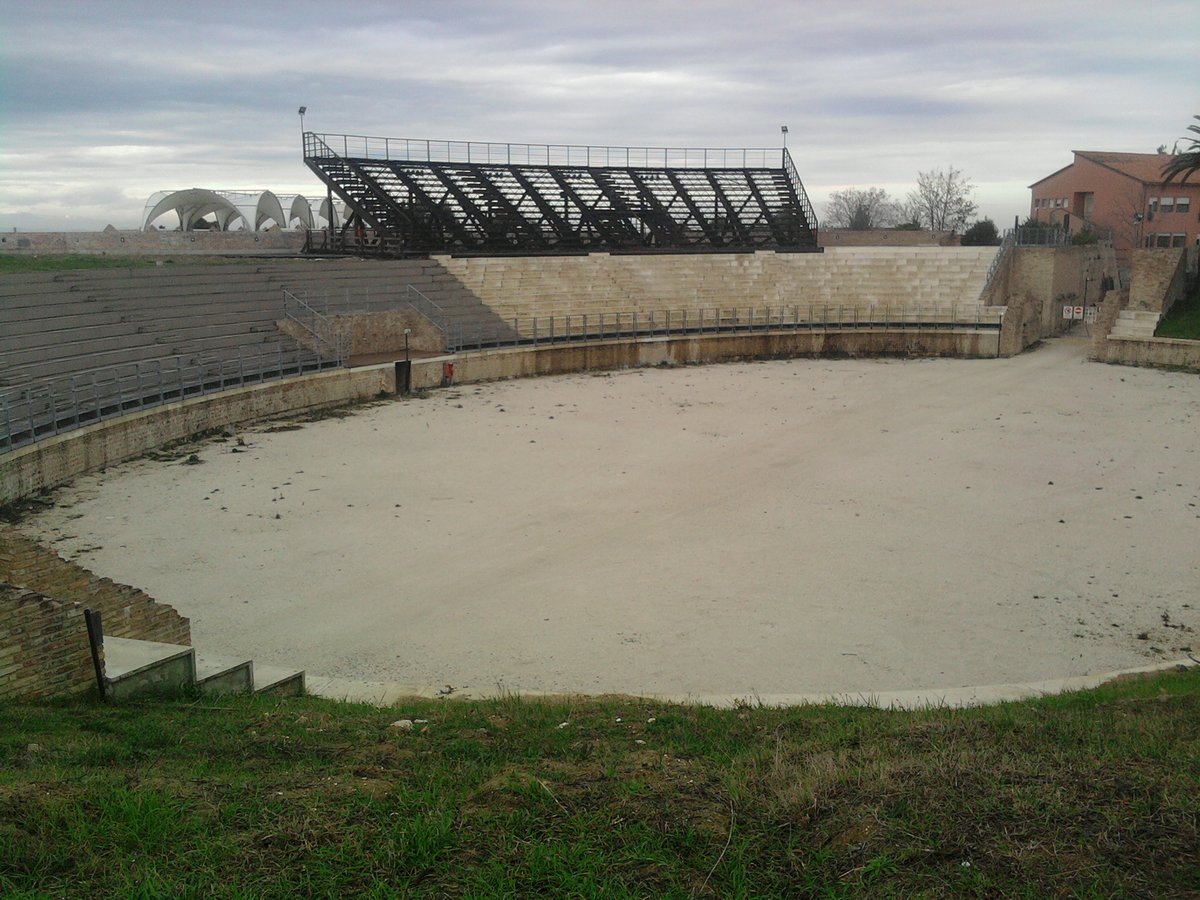 If you think Chieti is just a medieval city, prepare for a surprise: the National Archaeological Museum of Abruzzo - La Civitella takes you back over 2,500 years, when these lands were dominated by the Italic peoples. Located in the archaeological area of the Roman amphitheatre, this modern and well-organized museum welcomes you with a journey that begins right from the remains of ancient Teate Marrucinorum, the Roman city that stood here.
The real star of the museum is the Warrior of Capestrano statue, a 6th-century BC sculpture that represents one of the masterpieces of Italic art. Almost two meters tall, with its characteristic disc-shaped helmet, it leaves you breathless with its grandeur and mystery. But it's not the only treasure: in the subsequent rooms, you'll discover the funerary goods from local necropolises, with bronze and amber jewellery that tells the story of the daily life of the Marrucini.
Particularly interesting is the section dedicated to the Romanization of the territory, where you'll see how the local peoples assimilated Roman culture without completely losing their traditions. The inscriptions in the Marrucinian language are precious testimonies of this cultural fusion. The museum is perfectly integrated with the surrounding archaeological area: after the indoor visit, you can stroll among the remains of the amphitheatre and imagine the gladiatorial games that took place here.
Teatro Marrucino: The Cultural Heart of Chieti
- Go to the page: Teatro Marrucino Chieti: Frescoed Ceiling and Perfect Acoustics from 1818
- Piazza Gian Gabriele Valignani 1, Chieti (CH)
- https://www.teatromarrucino.eu/
- Open in Google Maps
- View on Google Images
- botteghino@teatromarrucino.eu
- +39 0871 3304 70
 The Teatro Marrucino is one of Chieti's cultural gems that you cannot miss. Located in the historic centre, this 19th-century theatre welcomes you with its neoclassical façade, which conceals an interior rich in history and precious details. Built between 1813 and 1818 based on a design by architect Eugenio Michitelli, the theatre takes its name from the ancient Marrucini people who inhabited this area of Abruzzo. Upon entering, you will be struck by the horseshoe-shaped hall with three tiers of boxes and a gallery, typical of Italian-style theatres of the era. The ceiling is decorated with a fresco by Giovanni Ponticelli depicting Apollo and the Muses, while the historic curtain, a work by Francesco Paolo Michetti, portrays the entry of Trasmondo, Count of Chieti, into the city. Today, the theatre is active year-round with a rich season of drama, opera, concerts, and ballet. The programming ranges from lyrical classics to contemporary productions, keeping the city's cultural spirit alive. During your visit, you will notice the perfect acoustics of the hall, the result of careful restoration that preserved the original features. The foyer, with its chandeliers and stucco decorations, is the ideal place for a break during intermissions. If you visit Chieti, check the performance schedule: attending a show at the Marrucino is an experience that will make you feel part of the Abruzzese theatrical tradition. The theatre is easily reachable on foot from Corso Marrucino and is just steps away from other points of interest like the Archaeological Museum.
Costantino Barbella Art Museum
- Via Cesare De Lollis 10, Chieti (CH)
- https://www.museobarbella.it/
- Open in Google Maps
- View on Google Images
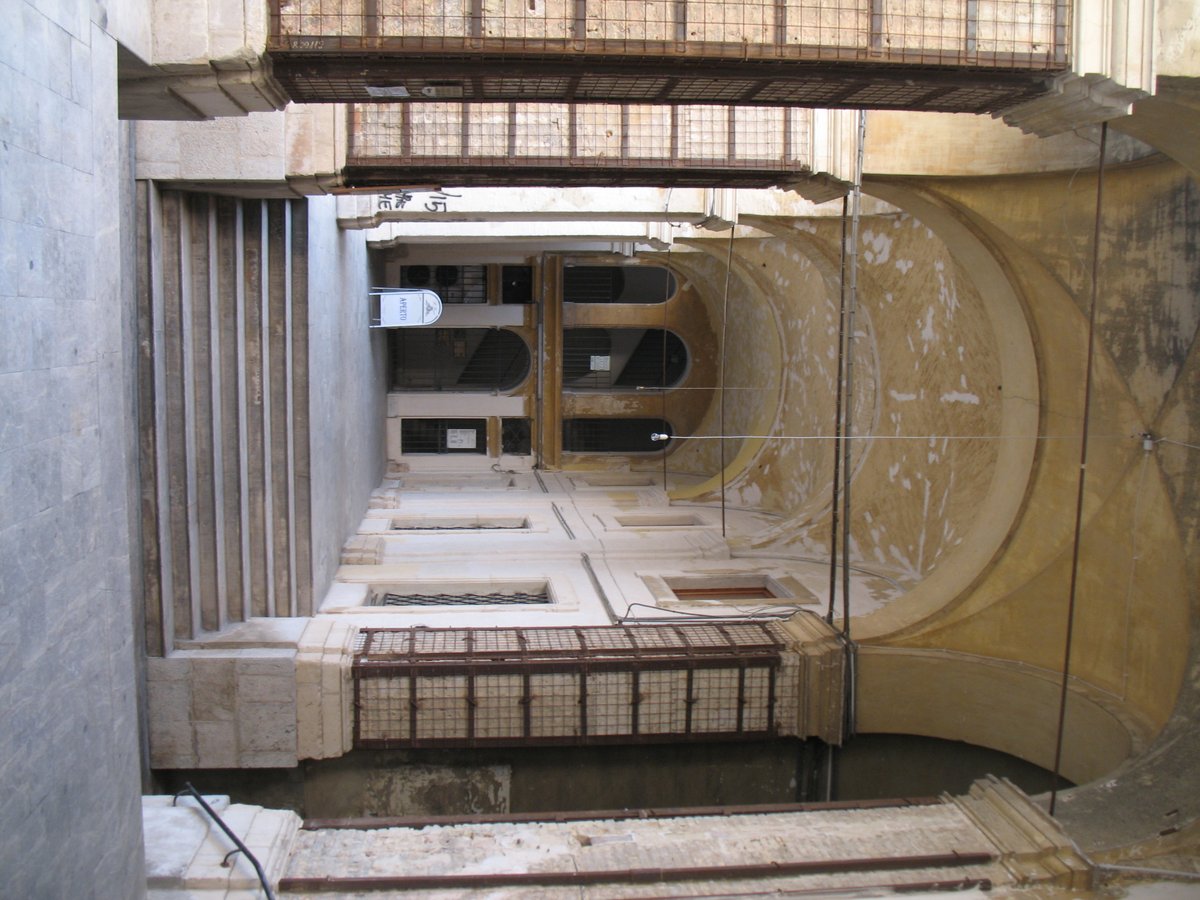 The Costantino Barbella Art Museum is a hidden gem in the heart of Chieti, housed in the elegant Palazzo Martinetti Bianchi on Corso Marrucino. This museum immerses you directly into Abruzzese art of the 19th and 20th centuries through the permanent collection dedicated to Costantino Barbella, a Chieti-born sculptor of international renown. His terracotta works depict scenes of popular life with a mastery that captures expressions and everyday moments. Beyond Barbella's works, the museum preserves paintings by Francesco Paolo Michetti, Basilio Cascella, and Vincenzo Cermignani, artists who have shaped the region's art history. Particularly significant is the section of Castelli ceramics, with pieces ranging from the 16th to the 19th century, bearing witness to the ancient Abruzzese craft tradition. The exhibition path unfolds across three floors, with thematic rooms alternating sculptures, paintings, and decorative arts. The atmosphere is intimate and cozy, far from massive tourist flows, allowing for a tranquil and in-depth visit. The museum periodically organizes temporary exhibitions and educational workshops, keeping the dialogue with the local community alive. Its central location makes it easy to combine with other city cultural sites, such as the nearby Teatro Marrucino or the National Archaeological Museum.
Palazzo de' Mayo
- Via Donato Cocco 1, Chieti (CH)
- Open in Google Maps
- View on Google Images
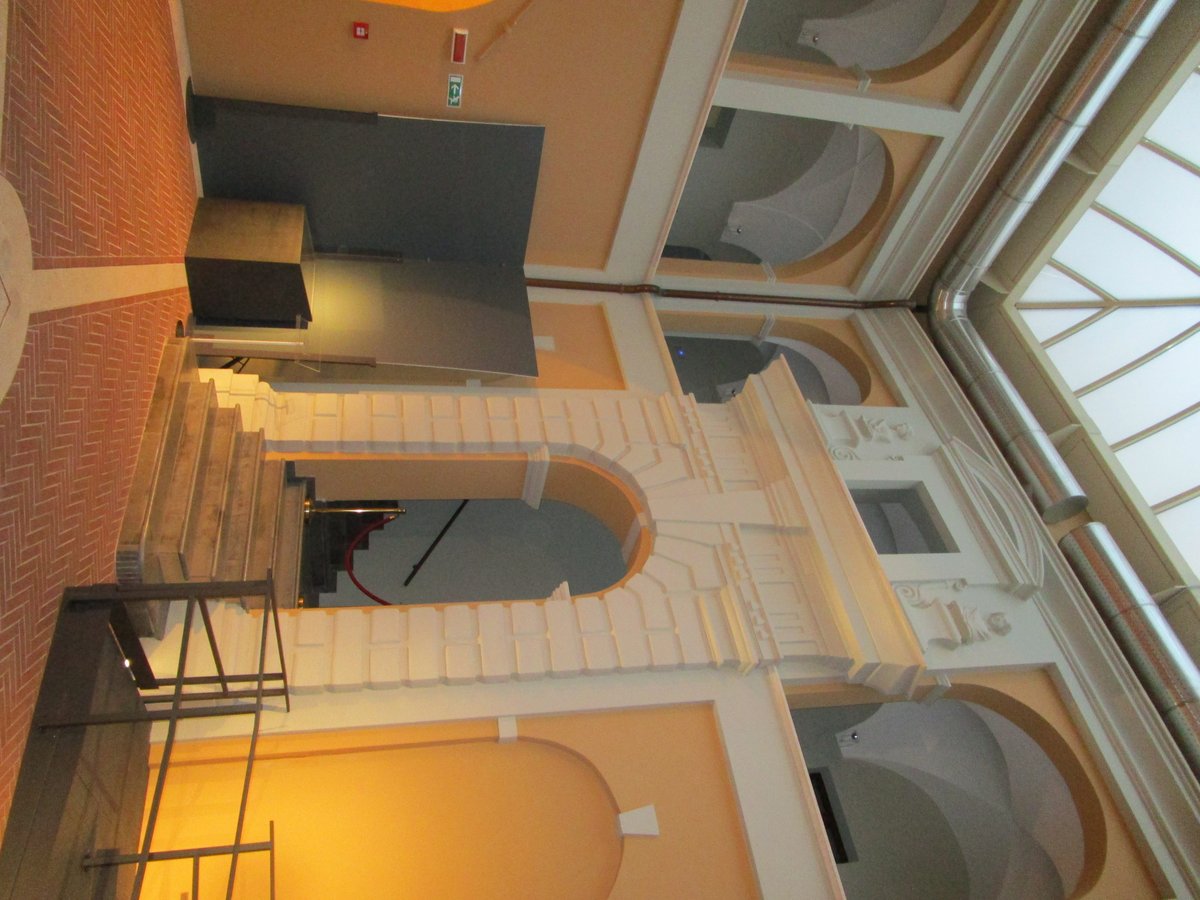 If you're looking for a place that captures the essence of Chieti, Palazzo de' Mayo is an unmissable stop. Located on Corso Marrucino in the historic center, this 18th-century palace welcomes you with its elegant façade and stone portal that seems to tell centuries of history. Built at the behest of the de' Mayo family, it now houses the Carichieti Foundation and has become a vibrant cultural hub. Inside, the frescoed halls will leave you in awe: ceilings decorated with mythological motifs and walls that preserve significant works of art. One of the highlights is the permanent collection of 20th-century Italian paintings, featuring artists like Giacomo Balla and Giorgio de Chirico, turning your visit into a journey through modern art. Don't miss the room dedicated to temporary exhibitions, often focused on local or international themes, which enrich the experience. The atmosphere is made even more evocative by architectural details like the monumental staircase and original terracotta floors. Palazzo de' Mayo is not just a museum, but a place where art converses with Abruzzese history, ideal for those who want to discover Chieti beyond the usual itineraries. Remember to check the opening hours on the foundation's website, as they may vary depending on events.
University Museum of Chieti
- Piazza Trento e Trieste, Chieti (CH)
- https://www.museo.unich.it/
- Open in Google Maps
- View on Google Images
- +3908713553514
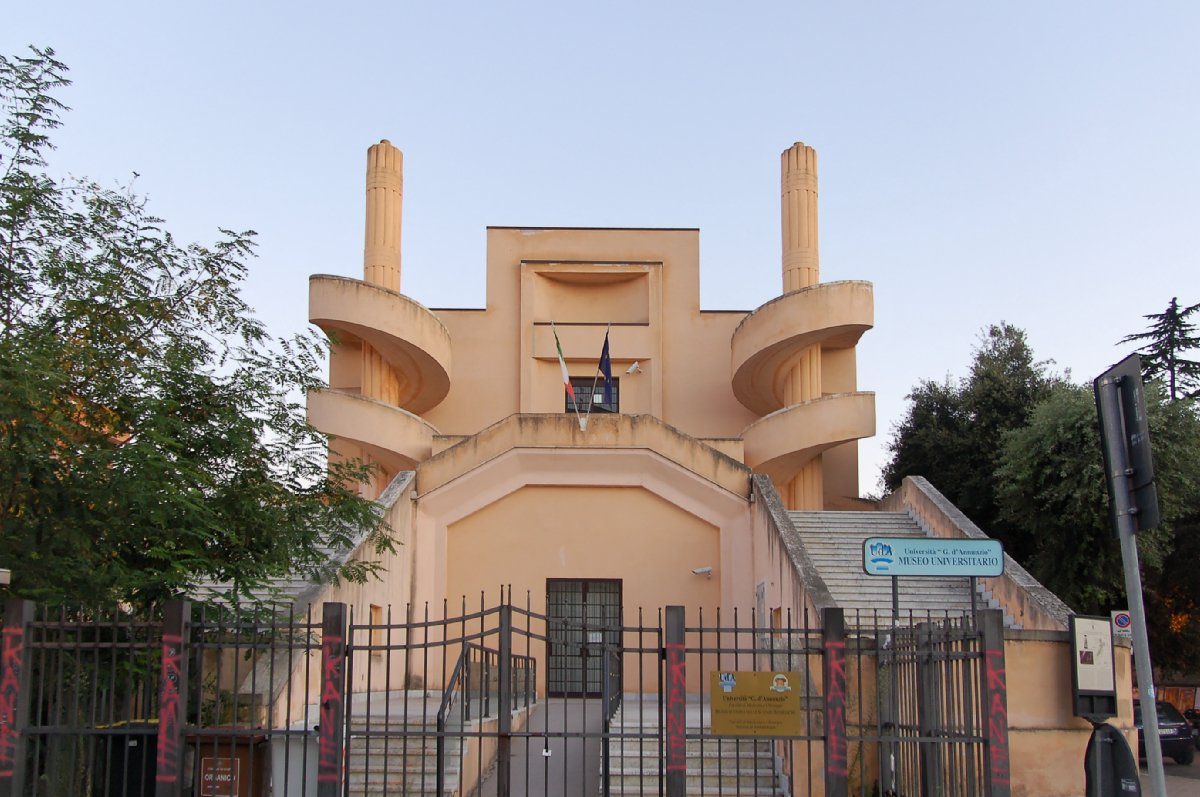 The University Museum of Chieti represents one of the most interesting cultural institutions in the city, perfectly integrated with the "G. d'Annunzio" University. Located within the university campus, this museum offers an innovative approach to scientific and historical dissemination. The permanent collection is organized into several thematic sections ranging from physical anthropology to comparative anatomy, with exhibits illustrating human and animal evolution. Particularly fascinating is the section dedicated to paleopathology, where visitors can observe skeletal remains that tell stories of diseases and living conditions of ancient populations. The museum also preserves a rich collection of historical anatomical preparations, some dating back to the nineteenth century, which testify to the evolution of medical studies in Abruzzo. The modern and educational layout makes the visit accessible to everyone, with clear explanatory panels and multimedia supports that enrich the experience. Laboratory activities and specialized guided tours are also available, often organized in collaboration with university departments. The location within the campus allows visitors to combine the museum visit with a walk among the historic buildings of the university, creating a complete cultural itinerary. Admission is generally free, but it's always advisable to check the opening hours, which may vary depending on the academic period.