
🧭 What to Expect
- Ideal for a cultural journey between prehistoric archaeology and Baroque monuments in the heart of the Tavoliere.
- Highlights: the Epitaffio, an 18th-century symbolic monument marking the geographical center of the plain, and the Passo di Corvo Archaeological Area, a Neolithic site with remains of a fortified village.
- Includes an interactive map with exact locations and links to open in Google Maps and Images.
- Discover the agrarian history and territorial organization of Capitanata through these significant sites.
The City of Foggia, heart of the Tavoliere delle Puglie, offers a surprising mix of history and archaeology. The Epitaph is the city's symbolic monument, a Baroque arch commemorating the miracle of the Iconavetere. Just outside the city center, the Passo di Corvo Archaeological Area reveals one of the most important Neolithic villages in Southern Italy, with remains of huts and ditches that tell the story of an ancient civilization. These sites, together with the historic center with its churches and squares, make Foggia an essential stop for those seeking authenticity and deep roots in Puglia.
Epitaph
- Via Alessandro Manzoni, Foggia (FG)
- Open in Google Maps
- View on Google Images
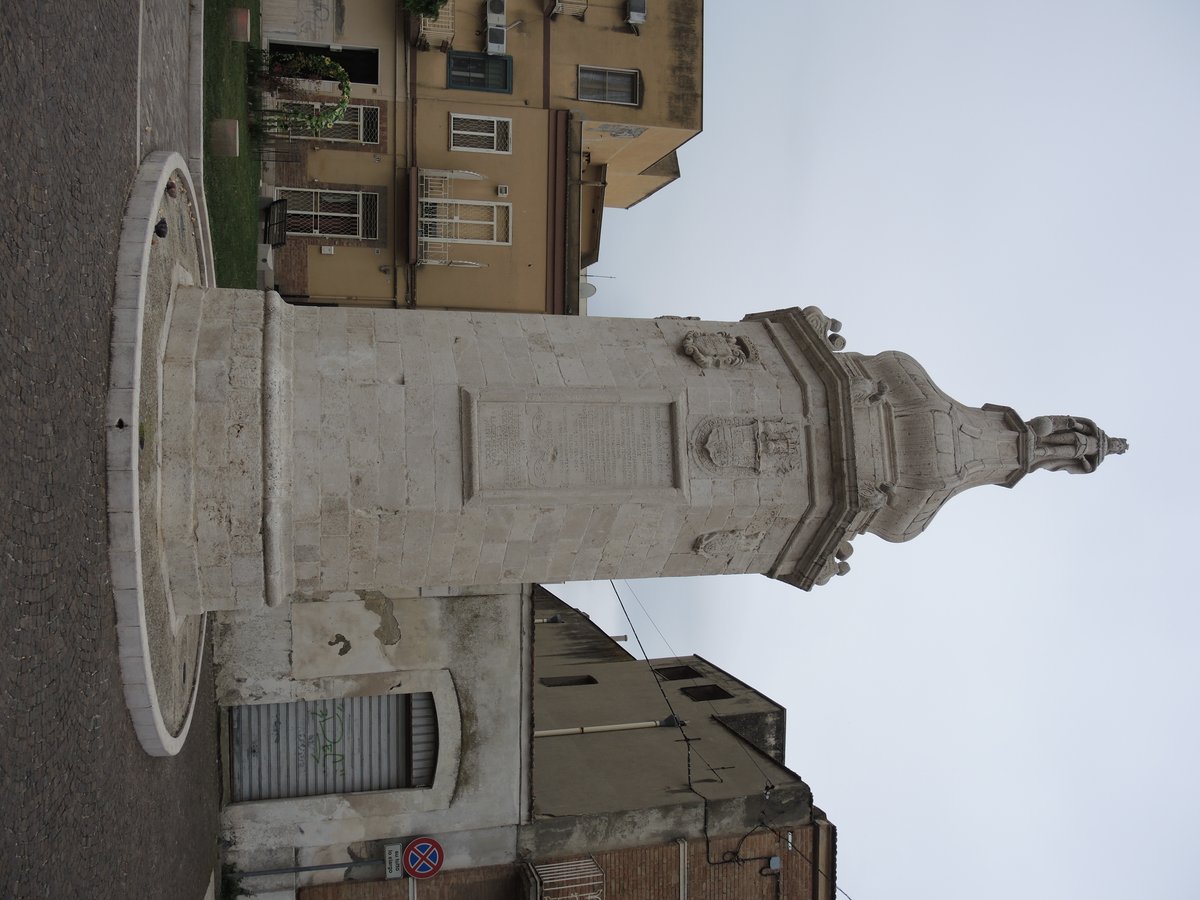 The Epitaph of Foggia is a historic monument that marks the exact point considered the geographic center of the Tavoliere delle Puglie. Located along the road leading to the city center, this white stone obelisk dates back to the 18th century and represents one of the city's lesser-known but most significant symbols. Its position is not accidental: it indicates the zero point from which land division measurements began during the Bourbon period, when the Tavoliere was the granary of the Kingdom of Naples. The simple yet elegant architecture of the Epitaph, with its square base and spire rising toward the sky, tells a story of boundaries, measurements, and territorial organization that has characterized this plain for centuries. Today the monument stands in an urban area but retains its symbolic value intact. Visiting the Epitaph means gaining a better understanding of the geography and agrarian history of Capitanata, discovering how a simple reference point has influenced the economy and social organization of the entire province for centuries. Its current location, though surrounded by modern urban fabric, still preserves that function of territorial reference that made it important for generations of farmers and administrators.
Epitaph
Passo di Corvo Archaeological Area
- Strada Provinciale 26 Foggia - San Marco in Lamis, Foggia (FG)
- Open in Google Maps
- View on Google Images
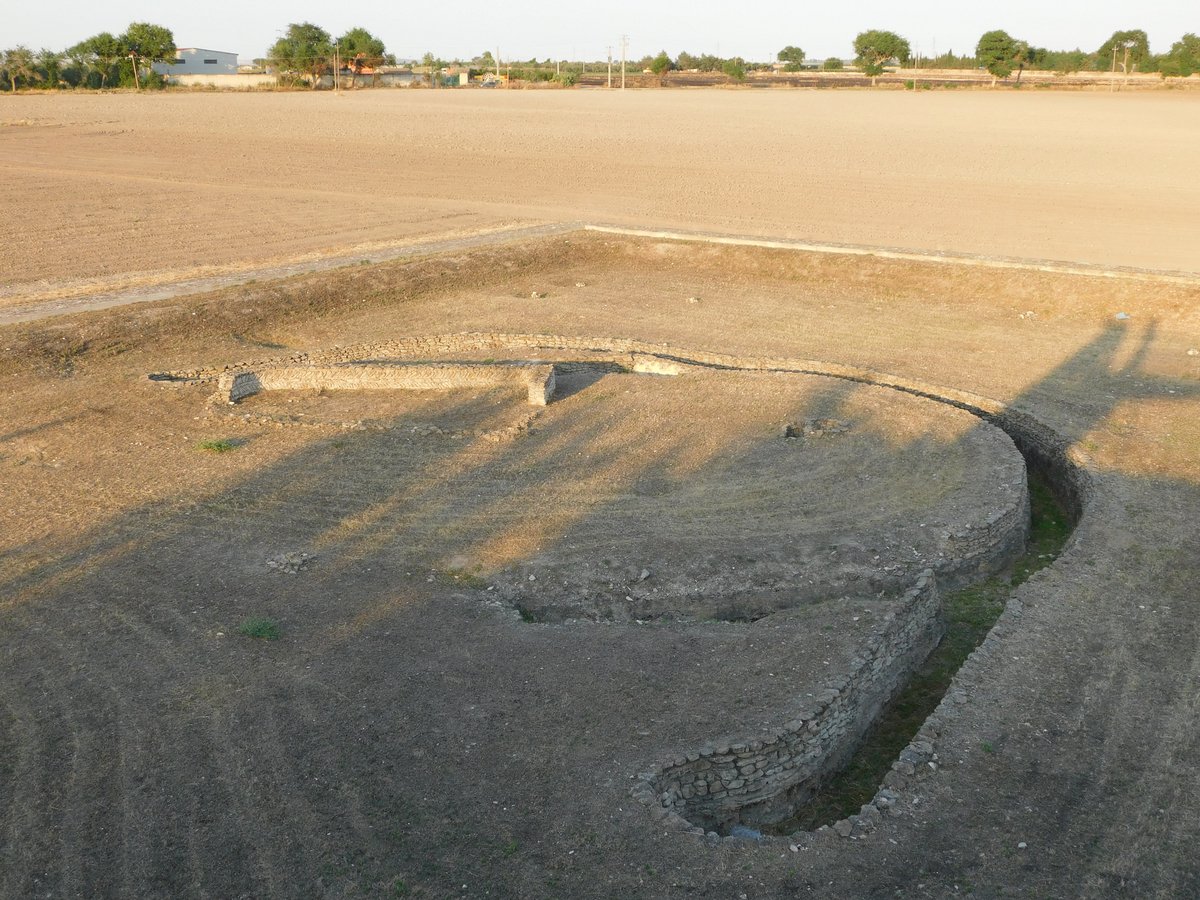 The Passo di Corvo Archaeological Area takes you back 7,000 years, when one of the most important ditched villages of the Neolithic period in southern Italy stood here. Discovered in the 1950s during agricultural work, this site shows you how the first farmers of Puglia lived. The foundation pits of the huts are still visible, arranged in concentric circles that reveal an advanced social organization. The artifacts found—impressed pottery, flint and obsidian tools—demonstrate contacts with other Neolithic communities in the Mediterranean. Today, you can walk among the remains of this prehistoric settlement that extended over about 2 hectares, imagining the daily life of those who worked the land and raised animals. The location on a gentle rise ensured control over the surrounding territory and proximity to water resources. The defensive structures with multiple ditches make you understand how important it was to protect the community. Visiting Passo di Corvo means touching the origins of civilization in Capitanata, in a place that has revolutionized knowledge of the Puglian Neolithic.
Passo di Corvo Archaeological Area