
🧭 What to Expect
- Ideal for an authentic cultural journey, away from the crowds, with the services of a university city.
- Medieval historic center with cobblestone alleys, noble palaces, Fontana del Rosello, and Piazza d'Italia.
- National museums such as the Sanna Museum for Sardinian history and the Brigata Sassari Museum for historical memory.
- Unique archaeological sites including Monte d'Accoddi, prehistoric necropolises, and the Nuraghe Rumanedda.
- Base for exploring nearby coasts like the wild beach of Porto Ferro with its Spanish tower.
- Urban parks such as Parco di Monserrato and the Public Gardens for relaxing breaks with a view.
If you're planning a visit to Sardinia, the City of Sassari absolutely deserves a stop of at least a couple of days. It's not only the island's second-largest municipality by population but also holds a surprising historical and artistic heritage, often overlooked by more popular tourist routes. Its medieval historic center is a maze of cobblestone alleys, noble palaces, and ancient churches, perfect to explore on foot. Here you'll find landmarks like the majestic Fontana del Rosello, the city's symbol, and Piazza d'Italia, the vibrant heart with its 19th-century arcades. But Sassari isn't just architecture: it's a city of museums. The Museo nazionale Sanna is essential for understanding Sardinia's history, from Nuragic origins to the Middle Ages. Just outside the center, a true rarity awaits: Monte d'Accoddi, a prehistoric stepped altar unique in the Mediterranean, often called the 'Sardinian ziggurat.' The city has a lively university atmosphere, felt in its venues and overall vibe. To best organize your visit, I recommend checking specialized websites like Sardegna Turismo, Viaggiare in Sardegna, GuidaSassari, BlogSardinia, and Turismo.it, which offer updated information on hours, events, and themed itineraries.
Overview
- Sanna National Museum: A Journey Through Sardinia's Millennial History
- Monte d'Accoddi: A Prehistoric Altar Unique in the Mediterranean
- Rosello Fountain
- Piazza d'Italia
- Museum of the Sassari Brigade
- National Picture Gallery of Sassari
- Piazza Castello
- Domus de Janas of Molafà
- Montalè Necropolis
- Ponte Secco Necropolis
- Calancoi Necropolis
- Nuraghe Rumanedda
- Monserrato Park
- Public Gardens
- Porto Ferro: The Wild Beach Between Dunes and Spanish Tower
Sanna National Museum: A Journey Through Sardinia's Millennial History
- Go to the page: Sanna Museum in Sassari: Nuragic Statuettes and Punic Artifacts in the Historic Center
- Via Roma 64, Sassari (SS)
- http://musei.beniculturali.it/musei?mid=239&nome=museo-nazionale-archeologico-ed-etnografico-giovanni-antonio-sanna
- Open in Google Maps
- View on Google Images
- pm-sar.museoarcheo.sassari@beniculturali.it
- +39 079 272203
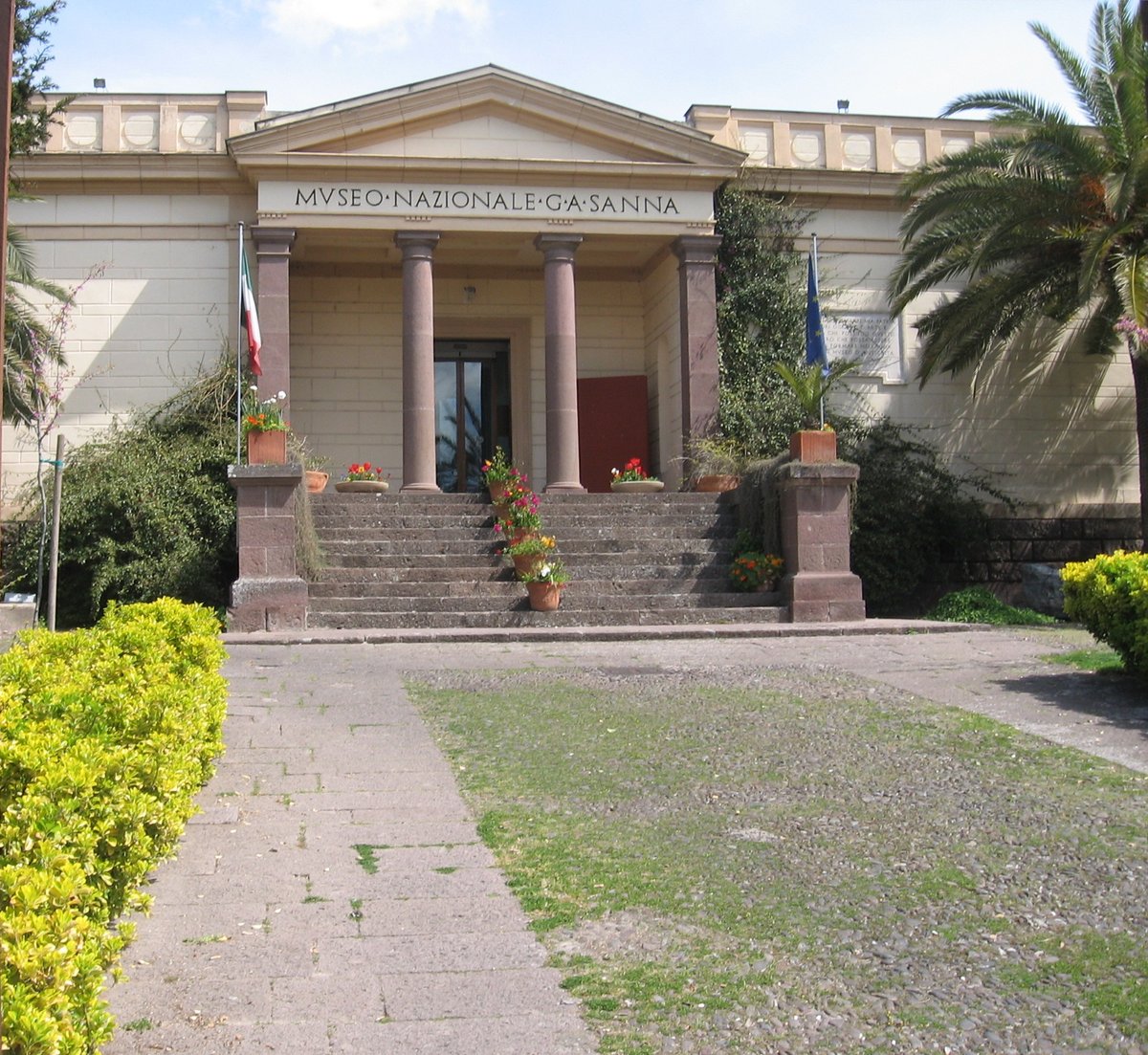 If you think museums are dusty and boring places, the Sanna National Museum in Sassari will change your mind. Located in an elegant neoclassical building on Via Roma, right in the heart of the city, this museum is a true treasure trove that tells the history of Sardinia from prehistory to the modern age. Upon entering, you're greeted by a bright and well-organized atmosphere, far from the image of those somewhat neglected provincial museums you sometimes come across. The collection is divided into thematic sections, but the one that truly captures attention is the archaeological section. Here you can admire extraordinary Nuragic artifacts, such as votive bronze statuettes, ceramics, and everyday objects that make you imagine how the ancient inhabitants of the island lived. Personally, I was struck by the artifacts from the Anghelu Ruju necropolis, with those funerary urns that seem to tell silent stories. Then there's the ethnographic section, which is perhaps the most authentic: traditional Sardinian costumes, silver filigree jewelry, musical instruments like launeddas. It really gives you the feeling of touching the island's popular culture. There's also an art gallery with works from the Middle Ages to the 19th century, including paintings by Sardinian artists like Giovanni Marghinotti. One thing I appreciated is that the museum doesn't just display objects but tries to contextualize them with clear explanatory panels, although sometimes I would have liked more information about the stories behind certain artifacts. The ticket price is affordable, and if you visit in the morning, you'll find fewer crowds. I recommend dedicating at least a couple of hours because there's so much to see, and if you're passionate about Sardinian history, you probably won't want to leave.
Monte d'Accoddi: A Prehistoric Altar Unique in the Mediterranean
- Go to the page: Monte d'Accoddi: Sardinia's Only Stepped Pyramid from the 4th Millennium BC
- Strada Provinciale ex Strada Statale 131, Sassari (SS)
- http://www.sardegnacultura.it/j/v/300?s=25767&v=2&c=2822&t=1
- Open in Google Maps
- View on Google Images
- pm-sar@beniculturali.it
- +39 079 514433
 If you think you've seen everything in Sardinia, prepare to think again. Monte d'Accoddi is one of those places that leaves you speechless, not so much for its grandeur—though that's certainly present—but for its absolute uniqueness. We're used to nuraghi, but here we're faced with something different: a stepped structure reminiscent of a Mesopotamian ziggurat, planted in the Sassari countryside like a mysterious gift from the past. The first time I saw it, I struggled to believe it was really in Italy. It's a sacrificial altar—or perhaps an astronomical observatory, scholars still debate—built around 3000 BC, making it older than the Egyptian pyramids. Climbing its stone steps, now restored, is a disorienting experience. You sense a suspended, almost sacred atmosphere. Around it, the landscape is flat and barren, dotted with ancient olive trees, which makes the structure even more imposing and isolated. Don't expect decorations or sculptures: the power of Monte d'Accoddi lies in its geometric simplicity, in those pure forms that must have symbolized the connection between earth and sky. Next to the main altar are the remains of a pre-Nuragic village and a necropolis, with oven-shaped tombs carved into the rock. The site is well-marked and has convenient parking, but it's often deserted, which adds to its charm. Bring a bottle of water and a hat in summer, because there's little shade. Personally, I sat at the top of the steps looking at the horizon, trying to imagine what rituals took place here millennia ago. It's a place that makes you reflect, light-years away from the frenzy of typical tourist itineraries. If you love archaeology or simply places steeped in history, you can't skip it.
Rosello Fountain
- Via Col di Lana, Sassari (SS)
- Open in Google Maps
- View on Google Images
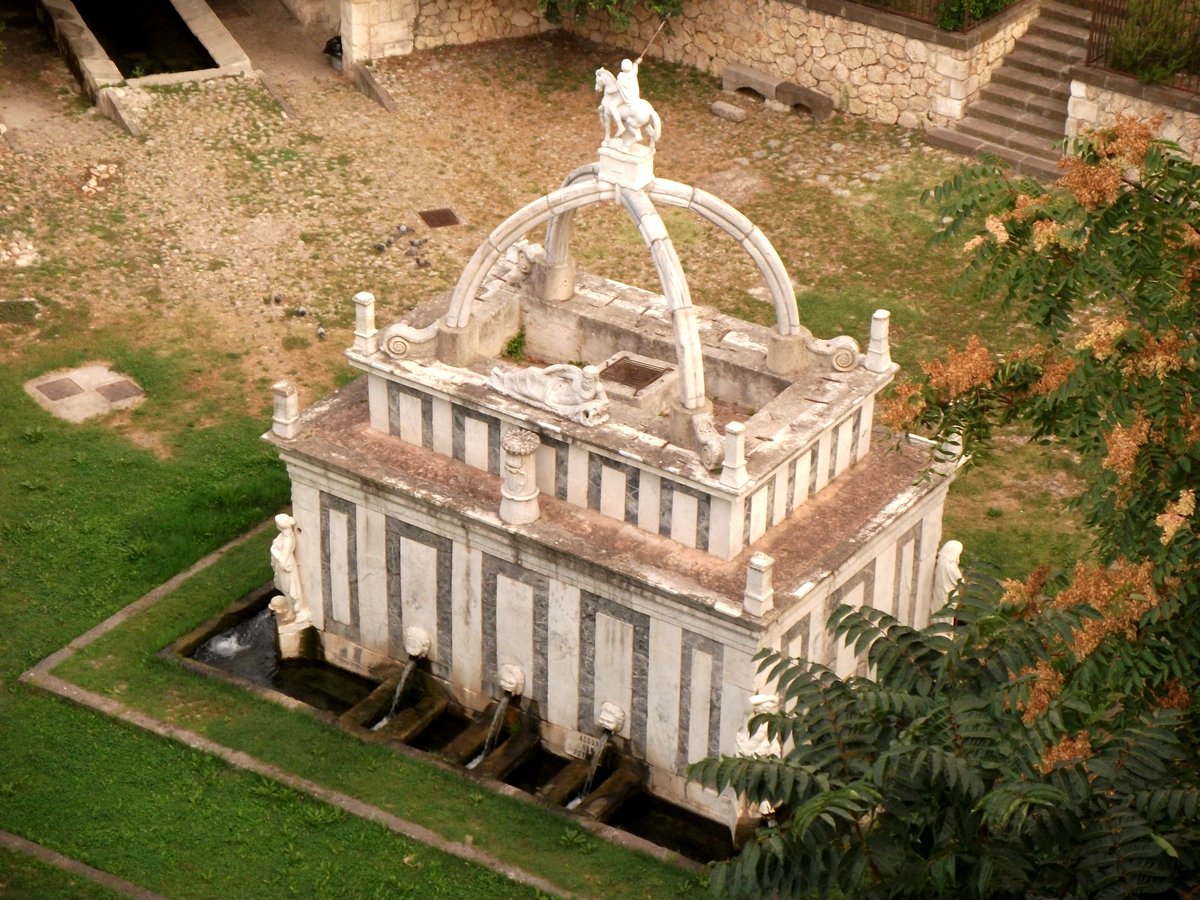 If you're looking for a landmark in the historic center of Sassari, the Rosello Fountain is one you absolutely cannot miss. It's not just a fountain, but the symbol of the city since 1606, when it was completed in late Renaissance style. You'll find it at the end of Corso Trinità, right where the ancient bridge once connected the town center to the countryside. What immediately catches your eye are its elegant forms: a square-based structure with two superimposed levels, topped by a statue of Saint Gavino, the patron saint of Sassari. But the real magic lies in the details. Observe the four statues representing the seasons, each with its symbolic attributes—a way to celebrate the cycle of life and nature. Water still flows today from twelve lion-head spouts, which the locals affectionately call 'li coddhos de leone'. I like to think that for centuries this fountain has been the beating heart of daily life: here women came to fetch water, travelers stopped to quench their thirst, and the community gathered. Today it's a perfect resting spot during a stroll through the center. I recommend getting closer and noticing the coats of arms and inscriptions on the walls—they tell stories of patrons and restorations. There's something poetic about seeing the water continue to flow, unchanged, while the city around it transforms. Perhaps that's why the locals hold it so dear: it's not just a monument, but a living presence. A little tip: if you pass by in the evening, the lighting gives it an even more suggestive atmosphere. And don't forget to take a look at the view over the valley below—sometimes the most beautiful details are the ones you discover by looking up.
Piazza d'Italia
- Sassari (SS)
- Open in Google Maps
- View on Google Images
 Piazza d'Italia is the beating heart of Sassari, an elegant living room that welcomes you with its atmosphere halfway between 19th-century grandeur and today's vibrancy. It's not just a square; it's the meeting point for the people of Sassari, where history blends with everyday life. At its center, the statue of Vittorio Emanuele II dominates the space, but what truly stands out are the surrounding buildings: the Provincial Palace, with its imposing neoclassical facade, and Palazzo Giordano, with its eclectic style that seems to tell stories of a bygone era. Walking around it, you notice the details: the ornate windows, the wrought-iron balconies, the majestic portals. In the evening, when the lights come on, the effect is even more suggestive—sometimes I stop just to admire how the reflections illuminate the pale stone. It's a place where you can sit on a bench, watch people passing by, perhaps sip a coffee in one of the nearby bars. Personally, I love the contrast between the solemnity of the buildings and the simplicity of the chatter you hear around. It's not a museum-like square; it's alive, and perhaps that's exactly what makes it special. Be aware, though: on market days or during events like the Cavalcata Sarda, it fills with stalls and colors, transforming into a festive stage. If you're looking for a corner to breathe in the essence of Sassari, without too many frills, Piazza d'Italia is the right place.
Museum of the Sassari Brigade
- Piazza Castello, Sassari (SS)
- Open in Google Maps
- View on Google Images
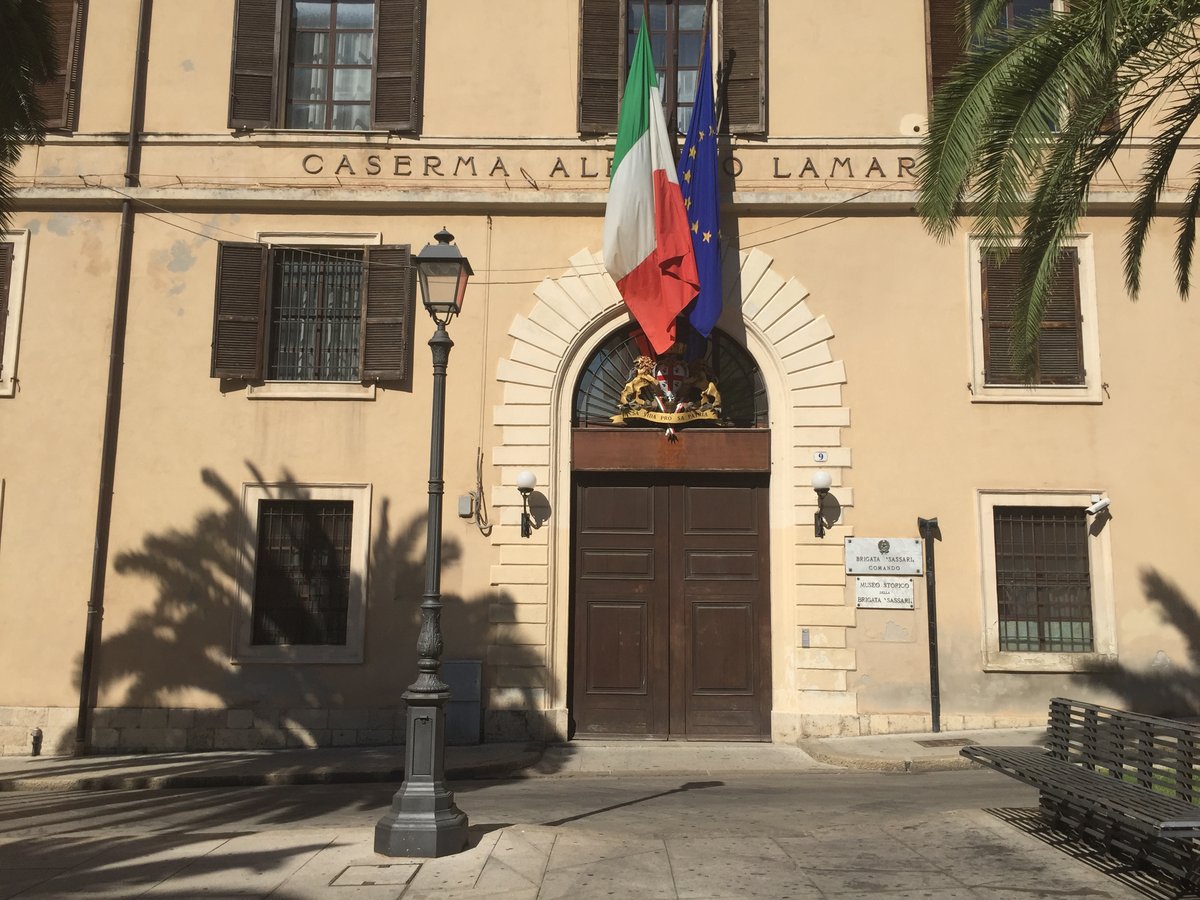 If you think military museums are just dusty collections of weapons, the Museum of the Sassari Brigade will change your mind. Located in the heart of Sassari, inside the Lamarmora barracks, this space tells a profoundly human story—that of the Sassari Brigade, the Italian army unit composed almost entirely of Sardinians that distinguished itself during the First World War. It's not just about strategies or battles: here you can feel the courage, determination, and strong sense of identity that characterized these soldiers. The visit takes you through original documents, period photographs, uniforms, and personal items that give faces and voices back to those who fought in the trenches. I was particularly struck by the section dedicated to letters from the front, written in Sardinian or Italian, which tell of the longing for their homeland with a simplicity that sends shivers down your spine. The museum is well-organized, with clear explanatory panels and a path that guides you without making you feel overwhelmed. It might not be the most eye-catching place in the city, but if you want to understand something more about the soul of Sardinia and a crucial piece of Italian history, it's a stop worth making. The atmosphere is respectful and moving, without rhetoric. I recommend dedicating about an hour to it, perhaps combining it with a walk through the historic center, to better absorb the contrast between today's daily life and the memories of such an intense past.
National Picture Gallery of Sassari
- Via Santa Caterina 4, Sassari (SS)
- https://musei.sardegna.beniculturali.it/musei/pinacoteca-nazionale-di-sassari/
- Open in Google Maps
- View on Google Images
- pm-sar.pinacoteca.sassari@beniculturali.it
- +39 079 231560
 If you think Sassari is only Baroque palaces and medieval alleyways, the National Picture Gallery will make you think again. Located on Via Santa Caterina, inside the former Jesuit college, this museum is a concentrated dose of Sardinian art that few expect. You enter and are immediately struck by the light filtering through the tall windows, illuminating works that tell centuries of island history. The collection spans from the Middle Ages to the 20th century, with a section dedicated to retablos, those multi-panel altarpieces typical of Sardinia that seem to come from another era. I personally got lost in front of the 'Retablo of Saint Peter' by Pietro Cavaro, with its vibrant colors and meticulous details—it almost feels like you can sense the ancient wood. Then there are the paintings from the 16th and 17th centuries, canvases by local artists often overlooked in major tourist circuits. Don't miss the section dedicated to 20th-century Sardinian art, with works by Giuseppe Biasi and Mario Delitala showing an island in transformation, between tradition and modernity. The museum isn't huge; you can visit it in about an hour or a little more, but each room has something to say. Sometimes I wonder why places so rich in history attract fewer visitors than more famous spots—perhaps that's exactly the beauty of it, being able to enjoy art without the crowds. The layout is simple, without too many frills, and gives space to the works. I recommend taking a look at the internal cloister too, a peaceful corner for a break between paintings.
Piazza Castello
- Sassari (SS)
- Open in Google Maps
- View on Google Images
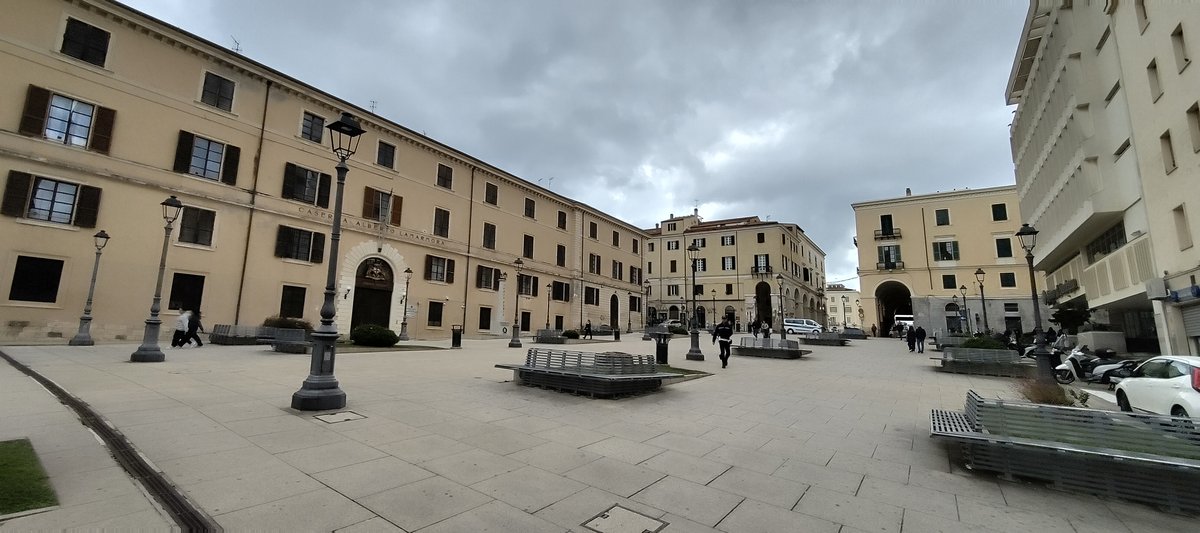 Arriving at Piazza Castello is like stepping back in time, into the beating heart of medieval Sassari. This square is not just an open space, but the point from which the city developed, with a history rooted in the Giudicale period. The name itself comes from the Castle of Sassari, which once dominated the area and of which only traces remain in historical documents, but the ancient atmosphere is still clearly felt. Walking on the stone pavement, surrounded by historic buildings that tell centuries of city life, you immediately understand why this place is so special. The square is dominated by the Church of Santa Maria di Betlem, with its Gothic-Catalan façade that immediately catches the eye. Inside, you are struck by the single nave and pointed arches, typical of Sardinian architecture from the fifteenth century. Personally, I spent a long time admiring the side portal, decorated with vegetal motifs that seem almost alive. Around the square, noble palaces like Palazzo d'Usini and Palazzo della Frumentaria (now home to temporary exhibitions) create a harmonious and evocative architectural context. What struck me most is how Piazza Castello is not just a monument to photograph, but a lived-in place: here, university students, elderly people chatting on benches, and tourists with maps in hand cross paths. In the evening, when the lights come on the limestone buildings, the atmosphere becomes even more magical. Sometimes I wonder what it must have been like to see the castle that gave the square its name, but perhaps it is precisely this absence that stimulates the imagination. I recommend visiting at different times of the day: in the morning, when the light illuminates the church façade; in the afternoon, to enjoy the shade of the porticoes; in the evening, when the lighting creates plays of light on the ancient stones. It is not a huge square, but every corner tells a different story.
Domus de Janas of Molafà
- Via Caniga, Sassari (SS)
- Open in Google Maps
- View on Google Images
 If you think Sassari is only about historic palaces and Baroque churches, the Domus de Janas of Molafà will make you think again. This archaeological site, just outside the city center, is a fascinating testament to the pre-Nuragic civilization. The tombs carved into the limestone rock date back to the Late Neolithic, between 3200 and 2800 B.C., and the name 'Domus de Janas' literally means 'houses of the fairies' or 'witches,' linked to Sardinian folk legends. Visiting it, you enter an environment that seems suspended in time: the burial chambers, some with symbolic carved decorations, show how these structures were used for collective burials. Don't expect grand monuments: here the atmosphere is intimate, almost cozy. I was struck by the precision with which these small cells were excavated, some still well-preserved despite the millennia. The site is located in a rural area, surrounded by Mediterranean vegetation, and access is easy but requires a bit of attention because it's not always clearly marked. Bring comfortable shoes and, if possible, a flashlight to better observe the interiors. It's a place that speaks of ancient rituals and a Sardinia far from tourist beaches, perfect for those seeking an experience off the beaten path. Remember that it's not always open to the public: check availability beforehand, perhaps by contacting local tourist offices, because sometimes access is by reservation or limited. If you love archaeology or simply want to discover a more authentic side of the territory, this stop is definitely worth it.
Montalè Necropolis
- Via Medaglie d'Oro, Sassari (SS)
- Open in Google Maps
- View on Google Images
 If you think Sassari is only about historic palaces and Baroque churches, the Montalè Necropolis will make you think again. This archaeological site, little-known even among locals, is located just outside the town center, in a hilly area that offers surprising glimpses of the city. Here you won't find grand monumental structures, but something more intimate and evocative: a series of domus de janas, the typical hypogeal tombs carved into the rock by pre-Nuragic peoples. Walking among these cavities, some of which are still well-preserved, gives almost the impression of uncovering an ancient secret. The tombs are simple, with cells of various sizes and essential geometric shapes—circles, squares, rectangles—that tell of funeral rites and beliefs now forgotten. Unlike other more famous sites, there's hardly ever a crowd here, making the experience even more authentic. The atmosphere is suspended, almost mystical, especially at sunset when the slanting light accentuates the carvings on the stone. Personally, I was struck by the location: from some points, the sea is clearly visible on the horizon, a detail that perhaps wasn't accidental for those who built these burials. Don't expect detailed explanatory panels or marked paths—in part, that's precisely the charm of the place, which still seems to belong more to itself than to visitors. Bring comfortable shoes because the terrain is uneven and, if possible, a flashlight to peek better inside the darker cells. A tip? Come calmly, without haste, and let the silence tell you the story.
Ponte Secco Necropolis
- Strada Provinciale ex Strada Statale 131, Sassari (SS)
- Open in Google Maps
- View on Google Images
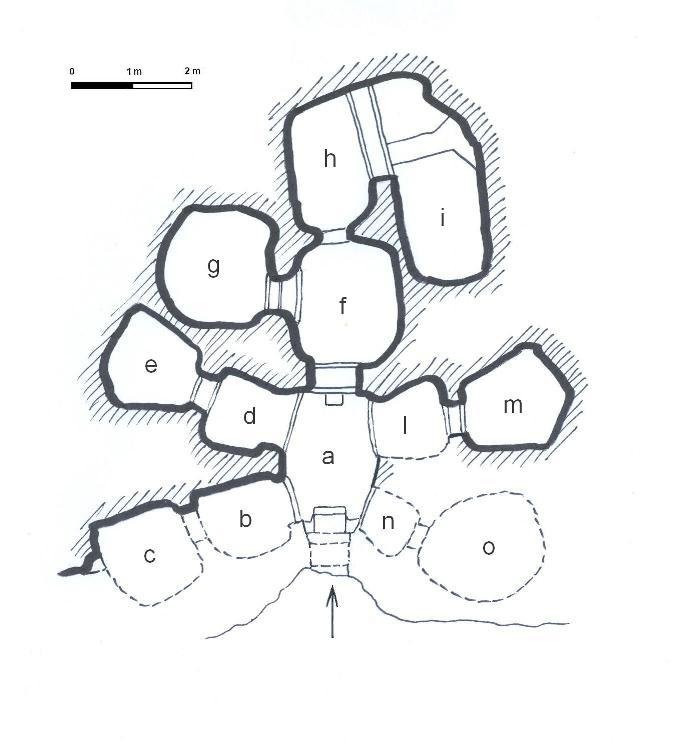 If you think Sassari is only about historic palaces and Baroque churches, the Ponte Secco Necropolis will make you think again. This archaeological site, located just a few kilometers from the city center, is one of the most important prehistoric funerary complexes in Northern Sardinia. Here you'll find several domus de janas, the typical hypogeal tombs carved into limestone rock between the 4th and 3rd millennia BC. Walking among these cavities, some still well-preserved, gives a concrete idea of how the populations who inhabited the island before the Nuragic era lived (and especially how they honored their dead). The tombs are distributed across multiple levels and feature carved decorations imitating architectural elements from the houses of the living, such as beams and pillars. One thing that struck me is the location: the site is situated in an almost rural, tranquil area, far from the city chaos. Don't expect large structures or detailed explanatory panels—the atmosphere is more rustic, almost intimate. Access is free and unrestricted, but I recommend going with some natural light, as there's no artificial lighting. Bring comfortable shoes, as the terrain can be uneven. If you're passionate about archaeology or simply curious to discover a more ancient and mysterious side of Sardinia, this is a place worth the detour. Personally, it made me reflect on how layered the history of this land is: just steps away from the modern city, there are traces of a civilization that left its mark millennia ago.
Calancoi Necropolis
- Strada Statale 127 Settentrionale Sarda, Sassari (SS)
- Open in Google Maps
- View on Google Images
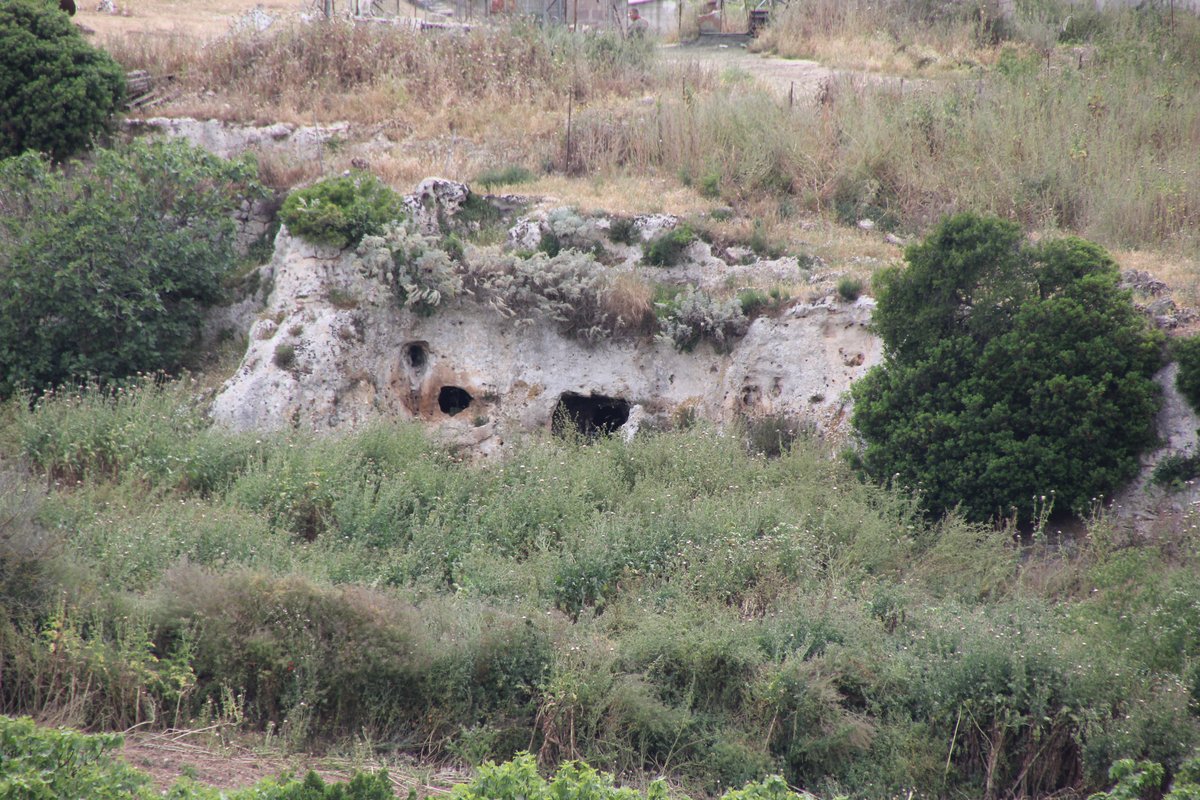 If you think Sassari is only about Baroque palaces and medieval churches, the Calancoi Necropolis will make you think again. This archaeological site, just outside the town center, is a silent yet powerful testament to the civilizations that inhabited this area as early as the Neolithic period. Don't expect a museum with shiny display cases: here the experience is authentic, in direct contact with the limestone rock that ancient people shaped. The domus de janas, the typical rock-cut tombs, are scattered across a slope and require careful exploration due to uneven terrain. Some are simple chambers, while others feature antechambers and relief decorations that suggest ritual symbols. The feeling you get when entering these narrow spaces is hard to describe: there's a profound silence, broken only by the wind and sounds of the surrounding countryside. Personally, I was struck by the panoramic view from the necropolis: you can glimpse the outline of Sassari in the distance, a beautiful contrast between the remote past and the modern city. Access is free, but I recommend wearing comfortable shoes and bringing a bottle of water, especially in summer. There are no services or detailed explanatory panels, so if you want to delve deeper into the site's history, it's better to research online beforehand or with a local guide. It's a place that speaks to those who know how to listen, perfect for those seeking an experience off the usual tourist trails.
Nuraghe Rumanedda
- Via Uri, Sassari (SS)
- Open in Google Maps
- View on Google Images
 If you think you need to leave the cities to discover Nuragic Sardinia, Nuraghe Rumanedda will make you think again. This archaeological site is located right at the gates of Sassari, in an almost surprising setting, among the modern houses of the Li Punti neighborhood. It's one of those places that reminds you how layered and ancient the history of this land is. Upon arrival, the first thing that strikes you is its position: a promontory overlooking the surrounding plain, with a view stretching toward the sea. The nuraghe is a mixed-type complex, with a central tower and some additional structures that suggest a larger settlement. It's not as gigantic as other famous sites, but it has a particular charm, perhaps precisely because it is immersed in the everyday life of the city. Walking among the basalt stones, still clearly visible despite the millennia, you can imagine the life that pulsed here during the Bronze Age. I like to think that the ancient inhabitants gazed at the same horizon we see today, though with very different eyes. The atmosphere is tranquil, almost intimate, and it's not uncommon to find the site practically to yourself, far from the crowds of more popular spots. A detail I appreciated? The spontaneous vegetation growing among the ruins, with myrtle and mastic bushes scenting the air, adding an unexpected touch of wilderness. To visit, just take a short detour from the center, and access is free and open. Bring a bottle of water and comfortable shoes, as the ground can be a bit uneven. If you're passionate about archaeology or simply curious to touch a piece of Sardinian history, Rumanedda is a stop that won't disappoint. Don't expect elaborate explanatory panels or tourist services: here, the experience is authentic, made of stones, silence, and imagination.
Monserrato Park
- Sassari (SS)
- Open in Google Maps
- View on Google Images
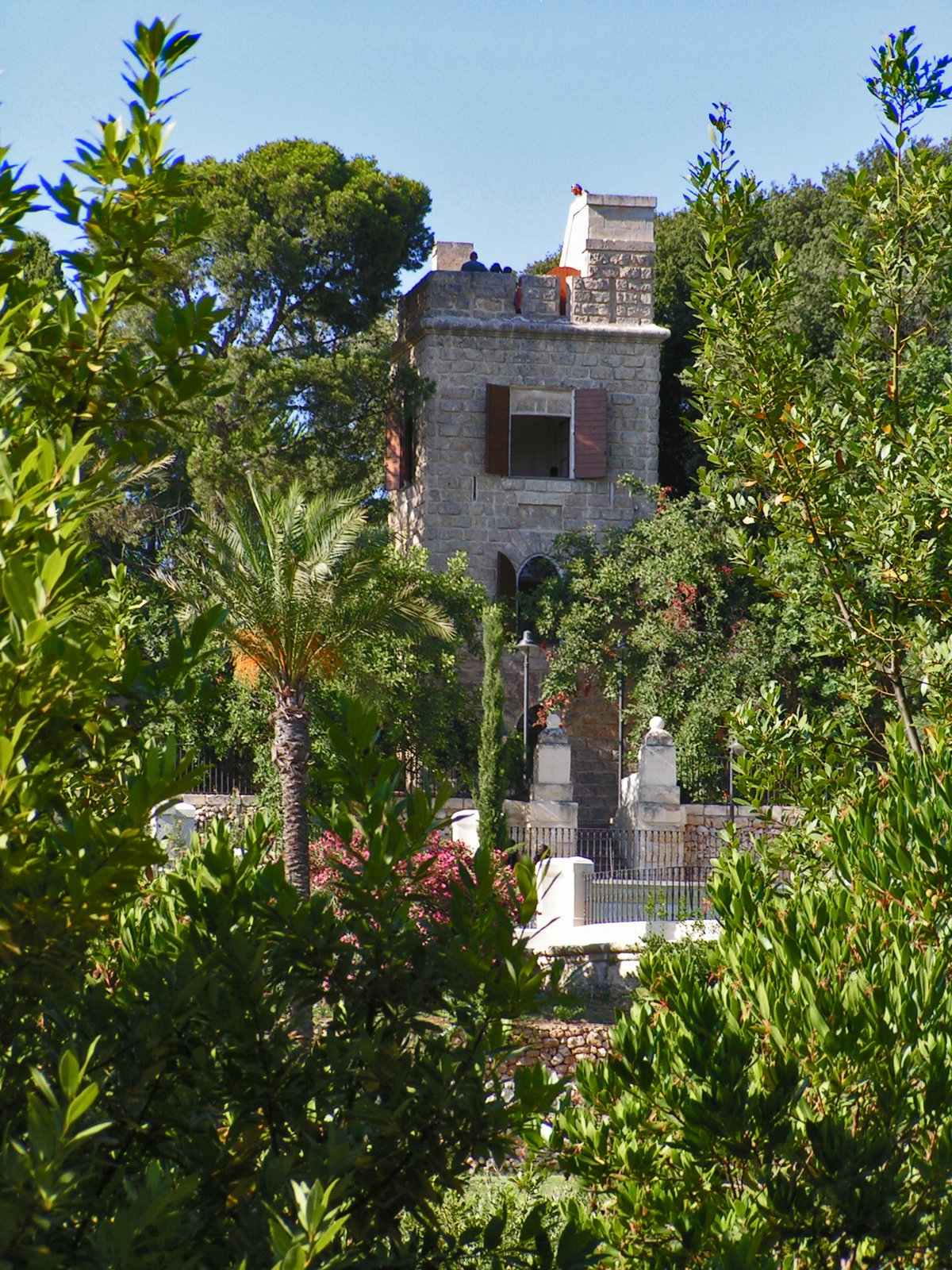 If you're looking for a break from the liveliness of Sassari's historic center, Monserrato Park is the perfect spot. This isn't just any park: it's a green lung stretching across a hilly area, offering panoramic views of the city and the Gulf of Asinara. What makes it special is its relaxed atmosphere, away from the hustle and bustle, yet just steps away from major monuments. Strolling along the tree-lined paths, you'll immediately notice the Mediterranean vegetation—pines, olive trees, low shrubs—that fills the air with the scent of summer. The park is ideal for a shady break, an informal picnic, or some quiet reading. Personally, I appreciated the quieter corners, where you can only hear the rustle of leaves. Don't expect spectacular attractions: here, the beauty lies in simplicity. Sometimes, you'll see families with children running freely, couples chatting on benches, students reviewing their notes. It's a place cherished by locals, not just tourists. If you climb to the highest part, the view suddenly opens up: Sassari appears in all its expanse, with red roofs and historic towers dotting the horizon. I recommend visiting at sunset, when the warm light makes everything magical. Note: there are no kiosks or fixed services, so bring water and something to eat if you plan to stay awhile. In spring, the colors are vibrant, with wildflowers dotting the lawn. In winter, the atmosphere is more intimate, almost melancholic. One detail that struck me: despite being an urban park, it feels a bit like the countryside, thanks to its elevated position and the absence of loud noises. It might not be an unmissable destination like the Sanna Museum, but if you want to breathe in the air of Sassari without rushing, it's definitely worth a visit.
Public Gardens
- Sassari (SS)
- Open in Google Maps
- View on Google Images
 The Public Gardens of Sassari are a peaceful corner that surprises you right in the city center. Don't expect just a simple park: here, there's a mix of history and nature that tells a piece of Sassari's life. Founded in 1878, these gardens have seen the city change around them, but they still maintain that nineteenth-century charm with well-kept paths and geometric flowerbeds. As you stroll, you'll immediately notice the majestic palm trees that give an almost exotic atmosphere, along with pines and holm oaks typical of the Mediterranean scrub. At the center stands out the monument to Giuseppe Garibaldi, a bronze statue that dominates the space with a certain rigor, while nearby there's a more discreet fountain where water flows with a relaxing sound. What I like most, however, is how locals use this place: it's not just a tourist postcard, but a lively spot where students sit to study, families take a Sunday walk, and elderly people chat on the benches. In winter, when the climate is mild, it's pleasant just to sit and watch people passing by; in summer, the shade of the trees becomes a precious refuge from the heat. There's also a children's play area, simple but well-maintained, making it a practical stop if you're traveling with family. It's not a huge park, so you can explore it leisurely in about an hour, perhaps after visiting the nearby Sanna Museum. Personally, I find it has an authentic atmosphere, far from the usual clichés: here, you truly breathe the air of Sassari, without too many frills. If you're looking for a place for a quiet break, stop here: bring a book or simply enjoy the greenery, because sometimes the simplest places are the ones that stay in your memory.
Porto Ferro: The Wild Beach Between Dunes and Spanish Tower
- Sassari (SS)
- Open in Google Maps
- View on Google Images
 If you're looking for a beach that makes you forget the city chaos, Porto Ferro is the right place. Don't expect services or beach clubs: here, authentic nature reigns. The crescent-shaped bay is framed by fine golden sand dunes, several meters high in places, creating an almost lunar landscape. Behind it, the Mediterranean scrub scents of juniper and mastic, while the water takes on those turquoise and emerald shades typical of northern Sardinia. What immediately catches the eye is the Porto Ferro Tower, a 17th-century Spanish construction that dominates the promontory. It's well-preserved and, although not always accessible inside, it's worth approaching to admire its massive structure and imagine the lookouts who once scanned the horizon against pirate raids. The beach is exposed to the mistral winds, so it's not uncommon to find waves ideal for surfing or kitesurfing. Personally, I like to arrive at sunset: the light reflecting on the tower and dunes creates a magical, almost timeless atmosphere. Be careful though: there are no natural umbrellas, so bring everything you need to shelter from the sun. And if you feel like a walk, a dirt trail runs along the cliff to the north, offering breathtaking glimpses of the rugged coastline. Porto Ferro isn't just a place to sunbathe; it's an experience of pure connection with a still-genuine corner of Sardinia.