Introduction
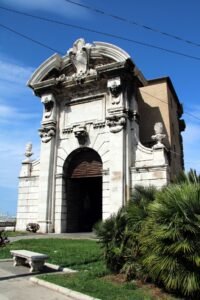
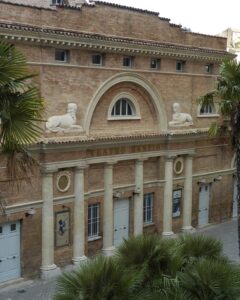
Entering the Ducal Palace of Urbino is like stepping back 500 years, into the mind of Federico da Montefeltro. The Torricini façade, all brick and harmony, welcomes you from afar, while the Courtyard of Honor makes you feel like an honored guest immediately. This is no ordinary palace: it is the symbol of an era when art, culture, and power merged. Every room here tells a story, from the inlay work of the Studiolo to the frescoes of the National Gallery. Prepare to stroll among masterpieces by Piero della Francesca and Raphael, in an environment that inspired intellectuals from all over Europe. But beware: it is not a cold museum. It is a living palace, with its historical graffiti and secrets in the walls. A visit here is an all-encompassing experience.
Historical Notes
The palace was commissioned by Federico da Montefeltro, who from 1444 turned Urbino into a cultural beacon. Construction began in 1454 with Maso di Bartolomeo, then from 1464 Luciano Laurana shaped the courtyard and the Torricini façade. From 1472 Francesco di Giorgio Martini completed the work, adding a water system and the façade on the square.
History at a glance:
- 1444: Federico becomes duke
- 1454: start of works
- 1464-1472: Laurana (Courtyard, Torricini, Studiolo)
- 1472-1485: Di Giorgio (completion)
- 1631: devolution to the Papal States
- 1912: establishment of the National Gallery of the Marche
Today it houses the Gallery, with over 70 rooms displaying works from the 14th to the 18th century.
The Duke’s Study and the Courtyard of Honor
Two absolute gems not to be missed. The Duke’s Study is a small room lined with trompe-l’œil wooden inlays, created by Flemish and Italian artists. Each panel conceals cabinets and shelves, simulating books, instruments, and animals. Federico used it as a personal retreat. The Courtyard of Honor, designed by Laurana, is the heart of the palace: soaring Corinthian columns and round arches create an atmosphere of pure harmony. You’ll read the Latin inscription that welcomes visitors: “Federico da Montefeltro, Duke of Urbino, built this palace for himself and his successors.” Take time to walk around it: it’s a lesson in Renaissance architecture.
The National Gallery of the Marche
The palace houses one of Italy’s most important collections of Renaissance art. Absolute masterpieces: Piero della Francesca’s Flagellation of Christ and Madonna of Senigallia, the Ideal City (mysterious author), and Raphael’s La Muta. Works by Paolo Uccello, Titian, Lorenzo Lotto, and Federico Barocci are also featured. The exhibition route starts from the Courtyard, goes up the Grand Staircase, and winds through thematic and chronological rooms. Unsolicited advice: don’t rush. Stop and observe the details, like the light that Piero della Francesca knew how to render. And if you’re curious, look for the historical graffiti carved into the walls – yes, they are part of the permanent exhibition “The Stone Tells Its Story”.
Why Visit It
Three concrete reasons to add it to your list. 1. The Studiolo: nothing like it exists in the world. The inlays look real, and the illusion is perfect. 2. The view from the Torricini: if you visit on a Saturday (or ask at the ticket office), you can climb the North Torricino for a breathtaking view of Urbino and the hills. 3. The combined ticket with Gradara: if you plan to also see the Rocca di Gradara, you save with a single ticket (€12, valid for 5 days). Practical note: bring a pair of comfortable shoes, as the visit takes at least 2-3 hours and there are many stairs. And don’t forget your camera – flash is prohibited, but photos without flash are allowed.
When to Go
The palace is open all year, but I suggest two moments. Early morning, right when it opens (8:30 AM), to enjoy the courtyard and halls with few people. The light filters through the columns, creating an almost suspended atmosphere. In spring or autumn, when the weather is mild and the hills around Urbino are green or golden. Avoid weekends if you can: Monday is closed, but Tuesday and Wednesday are much quieter. A tip: check for temporary exhibitions – they are often included in the ticket and enrich your visit.
Around Town
Urbino is a gem worth exploring on foot. Just steps away is the Duomo, with its artworks, and Raphael’s House, where the painter was born. But if you have time, take the car and head to the Rocca di Gradara (about 30 km away). This medieval castle is famous for the love story of Paolo and Francesca, and with the combo ticket you save. Alternatively, stroll through the historic center: get lost among alleys, shops, and views that look like paintings. A tip: stop for a crescia sfogliata, a typical bread from Le Marche, at one of the local trattorias.