Ducal Palace Mantua: 500 Rooms Including the Bridal Chamber and the Cavallerizza Courtyard

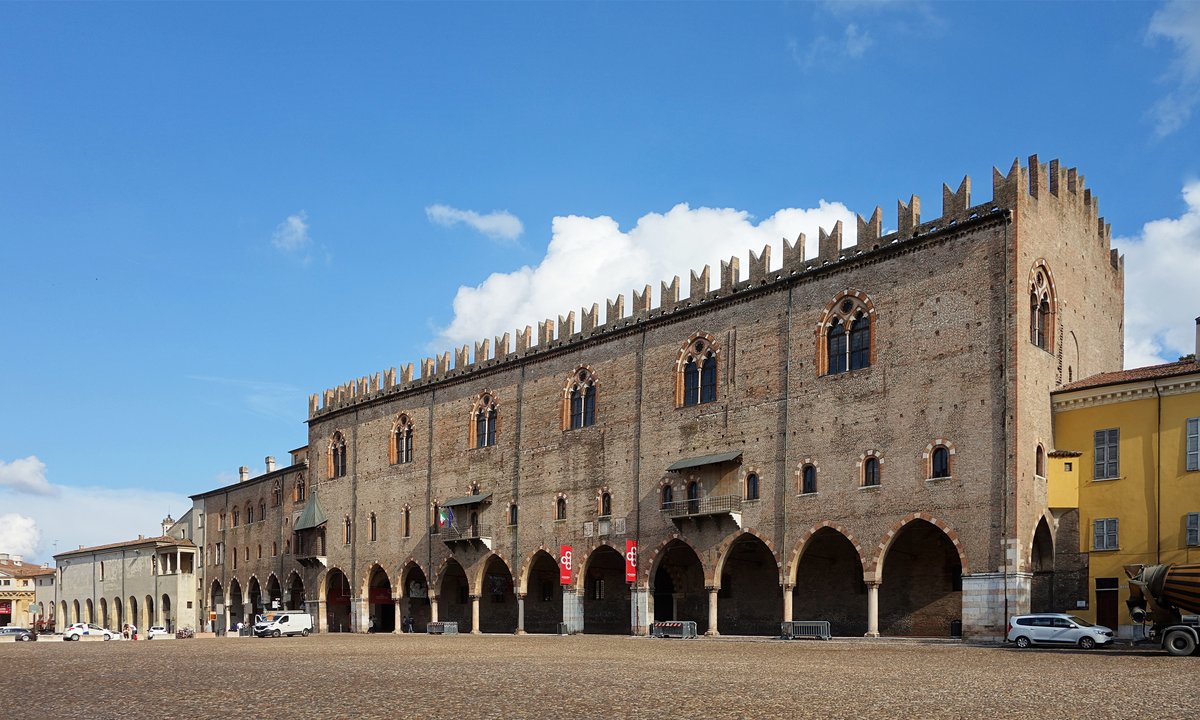
The Ducal Palace of Mantua is a monumental complex covering 34,000 sq m with over 500 rooms, courtyards, and gardens. Entering from Piazza Sordello, visitors access a noble quarter that includes the Cavallerizza Courtyard designed by Giulio Romano and the Ducal Apartments. The route winds through frescoed halls, galleries, and private rooms, internally connecting to the Castle of San Giorgio.

  • Bridal Chamber with frescoes by Andrea Mantegna
  • Ducal Apartments with Raphael’s tapestries and the Hall of Mirrors
  • Cavallerizza Courtyard designed by Giulio Romano for equestrian tournaments
  • Castle of San Giorgio internally connected with the Camera Picta

Copertina itinerario Ducal Palace Mantua: 500 Rooms Including the Bridal Chamber and the Cavallerizza Courtyard
Ducal Palace of Mantua: Gonzaga residence spanning 34,000 sq m, featuring the Ducal Apartments, Mantegna’s frescoes, and the internally connected Castle of San Giorgio.

Good to know


Introduction

Stepping into the Ducal Palace of Mantua is like crossing the threshold into a lost world. This monumental complex, one of the largest in Europe, welcomes you with its Gonzaga grandeur that dominates the historic center. It’s not just a palace, but a true city within a city, with over 500 rooms that tell centuries of power and splendor. Strolling through the courtyards and admiring the Renaissance facades makes you feel part of history, while the atmosphere envelops you with a mix of elegance and mystery. It’s an experience that strikes you with its architectural grandeur and the artistic richness it holds, making every visit an unforgettable journey through time.

Historical Overview

The Ducal Palace of Mantua originated as a fortress in the 13th century, but it was under the Gonzaga family that it became one of the centers of the Italian Renaissance. Acquired by Luigi Gonzaga in 1328, it was expanded over the following centuries into a complex of palaces, courtyards, and gardens. It hosted artists such as Andrea Mantegna, who frescoed the Camera degli Sposi, and figures like Isabella d’Este, a patron of the arts. The palace reached its peak splendor in the 16th century, only to decline with the end of the Gonzaga dynasty in 1707. Today, it is a state museum that preserves the charm of a golden era intact.

  • 1328: The Gonzaga family acquires the palace
  • 1465-1474: Creation of Mantegna’s Camera degli Sposi
  • 1707: End of Gonzaga rule
  • 1916: Becomes property of the Italian state

Ducal Apartments and Hidden Treasures

The Ducal Apartments are the heart of the palace, where you can still feel the opulence of the Gonzaga family. Walking through rooms like the Manto Hall, with its gilded ceilings, or Isabella d’Este’s Studiolo, you’ll feel as though you’re strolling among the rulers. Don’t miss the Hall of Mirrors, a triumph of light and reflections that once hosted lavish parties. But the treasures don’t end here: look for the secret passages that connected the private rooms, used for court intrigues, and the monumental fireplaces in the reception halls. Every corner hides surprising details, such as the polychrome marble floors and the frescoes that tell myths and family exploits.

The Cavallerizza Courtyard and Open Spaces

The Cavallerizza Courtyard is one of the palace’s most iconic spaces, designed by Giulio Romano in the 16th century for jousts and tournaments. With its imposing arcades and monumental staircase, it’s a perfect example of Mannerist architecture that will leave you breathless. Here, the Gonzaga family showcased their power by organizing equestrian spectacles, and today it’s a peaceful spot to pause between visits. Don’t forget to explore the surrounding hanging gardens and smaller courtyards, like the Santa Croce courtyard, which offer unexpected glimpses into court life and moments of tranquility away from the crowds.

Why Visit It

Visiting the Ducal Palace is worthwhile for three concrete reasons. First, Mantegna’s Bridal Chamber is a unique masterpiece in the world, with frescoes that seem to defy the laws of perspective. Second, the complex is so vast that every visit offers new discoveries, from frescoed halls to hidden courtyards. Third, it’s an accessible and well-organized place, with clear routes that allow you to enjoy it without stress, even if you have little time. Additionally, its location in the center of Mantua makes it easy to combine with other attractions, turning the day into a complete journey into the Renaissance.

When to Go

The best time to visit the Doge’s Palace is early in the morning, when natural light streams through the windows and illuminates the frescoes, creating magical plays of shadow. Avoid crowded weekends and opt for weekdays to enjoy the spaces at your leisure. In spring or autumn, the mild temperatures allow you to appreciate the outdoor courtyards without the summer heat, making the experience more pleasant. If you love an intimate atmosphere, a quiet afternoon can offer moments of closeness with the art, away from the hustle and bustle of tour groups.

In the Surroundings

After visiting the Ducal Palace, continue your immersion in the Renaissance with a visit to Palazzo Te, Federico II Gonzaga’s pleasure villa, famous for the Hall of the Giants and its gardens. For a thematic experience, explore the Museo di Palazzo San Sebastiano, which houses tapestries and works related to the Gonzaga family, deepening the history you’ve just discovered. Both sites are just a few minutes’ walk away and perfectly complete the day, offering a comprehensive picture of Mantua’s splendor.

💡 Did You Know…?

In the Bridal Chamber, look for the portrait of the dog Rubino: it’s said to bring luck to touch his nose. The Gonzagas kept a live giraffe in the courtyard as a symbol of prestige, a gift from the Sultan of Egypt. In the Troy Apartment, the frescoes narrate Homeric stories commissioned to celebrate the wedding of Francesco Gonzaga.