
🧭 What to Expect
- Ideal for a cultural and relaxing weekend, with historical museums and urban nature.
- Highlights: d'Annunzio's house for literature enthusiasts, the pine forest for relaxation, the historic center for shopping and local spots.
- Easy to visit: most attractions are concentrated in pedestrian areas or well-connected zones.
- Suitable for families: interactive museums like the Museum of the People of Abruzzo and green spaces like the pine forest.
- Practical tip: start from the museum house in the morning to avoid crowds, and dedicate the afternoon to the pine forest and the center.
Pescara is a city that unites sea and culture in a surprising way. Not just beaches: here you'll find interesting museums, a protected pine forest, and a lively historic center. In this article, I propose a simple itinerary to visit the main attractions without missing anything. We start from the birthplace of Gabriele d'Annunzio, where you'll discover the poet's life, then explore the Museum of the People of Abruzzo which tells local traditions. Don't miss the Pineta Dannunziana Nature Reserve, a green lung perfect for a relaxing walk. The route also includes the Ennio Flaiano Bridge, a modern symbol of the city, and Piazza della Rinascita, the heart of the center. All places are easily reachable on foot or with short trips, ideal for a weekend or a day trip. Information is based on reliable travel sites like Viaggiare in Abruzzo, Pescara Turismo, Abruzzo Travel, Pescara Blog, and Italia.it, ensuring realistic and updated data.
Overview
- Gabriele d'Annunzio's Birthplace Museum
- D'Annunziana Pine Forest Nature Reserve
- Museum of the People of Abruzzo
- Ennio Flaiano Bridge
- Piazza della Rinascita
- Basilio Cascella Civic Museum
- Paparella Villa Urania Museum
- Imago Museum
- D'Annunzio Theater
- Villa Urania: A Liberty Gem in the Heart of Pescara
- MediaMuseum: A Journey Through Time Between Cinema and Communication
- Palazzetto Imperato
- Pomilio Palace
- Palazzo Mezzopreti
- Sea Museum
Gabriele d'Annunzio's Birthplace Museum
- Go to the page: Gabriele d'Annunzio's Birthplace Museum in Pescara: A Treasure Trove of the Poet's Memories
- Corso Manthonè 116, Pescara (PE)
- http://www.casadannunzio.beniculturali.it
- Open in Google Maps
- View on Google Images
- +39 085 60391
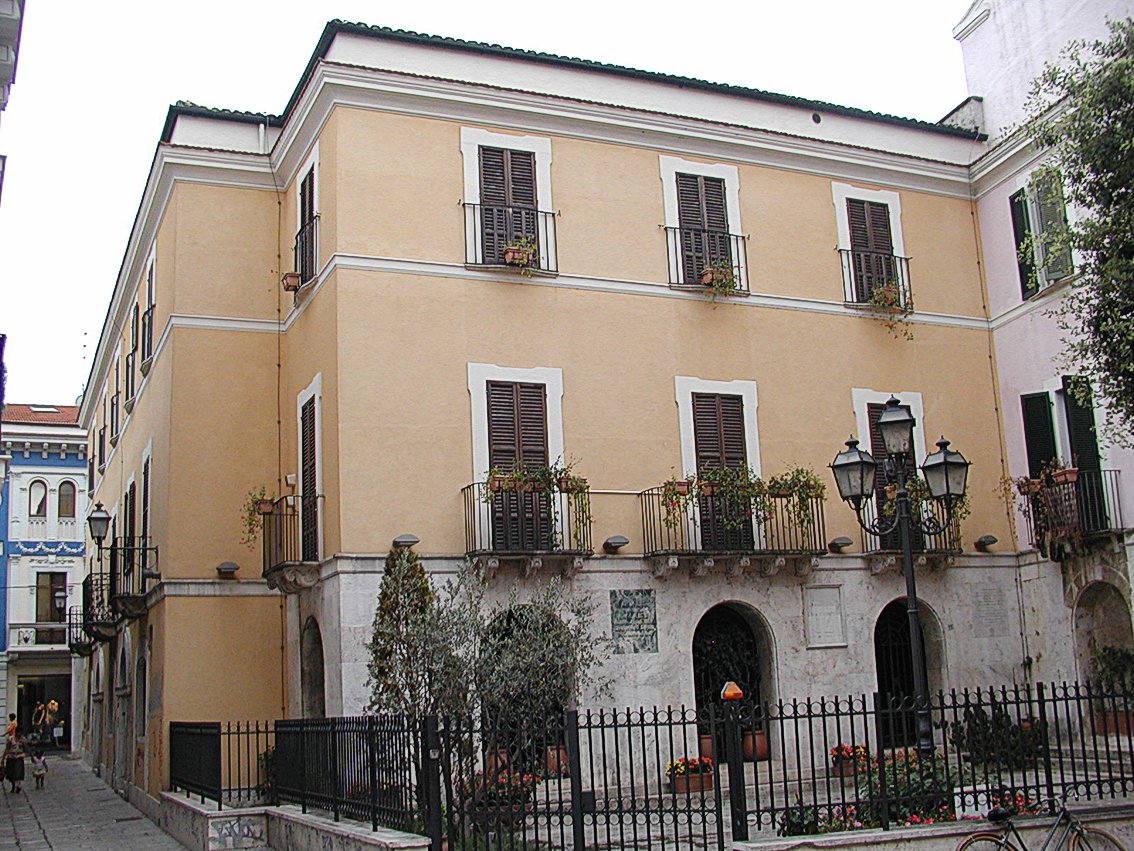 If you think museums are dusty, distant places, Gabriele d'Annunzio's birthplace in Pescara will change your mind. Entering this nineteenth-century building on Corso Manthonè is like stepping back in time, into a corner of the city that still preserves the atmosphere of late-1800s Pescara. Don't expect a monumental or cold exhibition: here you breathe the intimate air of a home, the one where the Vate was born in 1863 and spent the first years of his life. The rooms are furnished with period furniture and personal objects that tell the story of his Abruzzese childhood, before he became the national figure we all know. Particularly evocative is the bedroom with its wrought-iron bed and small family mementos. Among the things that struck me most are the first editions of his works and some youthful manuscripts, which already show that precocious talent that would make him famous. The museum itinerary isn't very long, but it's rich in significant details: from family photographs to letters, to portraits depicting him at different ages. The visit gives you the impression of peeking into the private life of a genius, of understanding where that rich imagination that would characterize all his work originated. It might not be Pescara's largest museum, but in my opinion it's one of the most authentic, because it preserves the very essence of a lived-in place. I recommend paying attention to the building's architectural structure too, with its high ceilings and windows overlooking the street, which help you imagine what bourgeois life must have been like at the time. An experience I especially recommend to those who want to go beyond the tourist surface and seek a more personal connection with the city's history.
D'Annunziana Pine Forest Nature Reserve
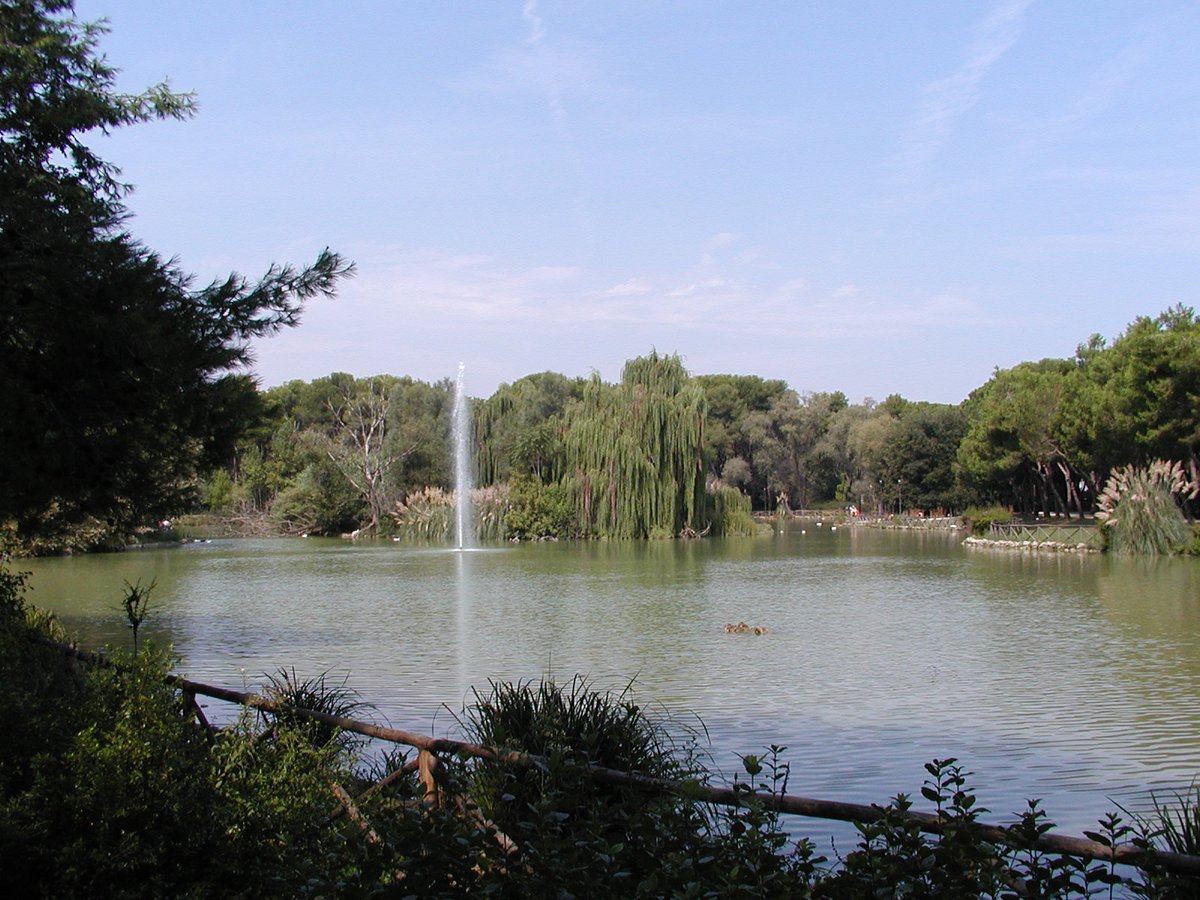 The D'Annunziana Pine Forest Nature Reserve is the kind of place that surprises you just when you think you already know Pescara. It's not simply a park, but a true green lung stretching over 53 hectares along the coast, just a stone's throw from the city center. I visited on a May morning, and the air was scented with resin and sea – a combination that stays with you. The pine forest is dedicated to Gabriele D'Annunzio, who spent hours walking here and finding inspiration. Strolling among the domestic and maritime pines, some centuries old, you can almost feel his presence. What struck me most is the biodiversity: beyond the tree species, there are wetland areas with reed beds that attract migratory birds, and if you're lucky you might spot herons or mallards. The trails are well-maintained and accessible, ideal for a relaxing walk or a run. There's also a furnished area with benches and tables, perfect for a picnic in the shade. Personally, I appreciated the silence – despite the proximity to the city, you breathe an almost surreal peace here. It's a place that unites nature, history, and relaxation, away from the beach crowds but still just minutes from the seafront. I recommend visiting early in the morning or late afternoon, when the light filters through the trees creating spectacular shadow plays. Bring a water bottle and comfortable shoes: even though the paths are easy, there's plenty to explore.
Museum of the People of Abruzzo
- Go to the page: Museum of the People of Abruzzo: 9 Rooms to Discover History and Traditions
- Via delle Caserme 24, Pescara (PE)
- https://www.gentidabruzzo.com/
- Open in Google Maps
- View on Google Images
- +39 085 451 0026
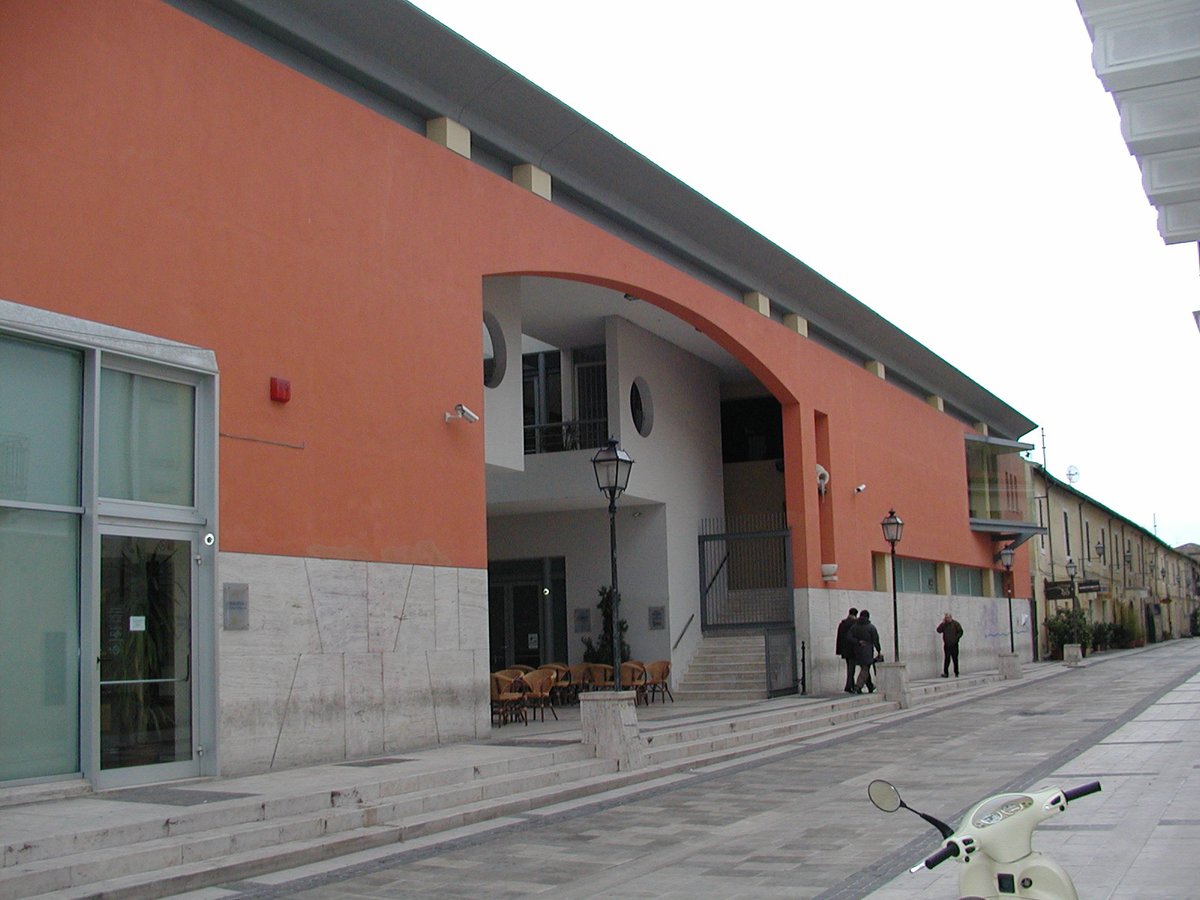 If you think museums are just dusty display cases, the Museum of the People of Abruzzo will change your mind. It's not just a container of objects, but a true narrative of daily life in this region, from prehistory to the twentieth century. I found it much more engaging than I expected. The exhibition, housed in the former Bourbon barracks, guides you through carefully reconstructed environments: you move from the archaeological section, with artifacts from ancient Aternum, to those dedicated to traditional crafts. The reconstructions of artisan workshops – like those of the blacksmith or the cobbler – are so detailed that you can almost hear the sound of the tools. One section that particularly struck me is the one on transhumance, with authentic objects used by shepherds during their long journeys. There's also a section dedicated to popular religiosity, with ex-votos and processional statues that tell of a simple and deeply rooted faith. It's a museum that speaks of people, not just things. Perhaps it's not the most famous museum in the city, but in my opinion, it's the one that best captures the authentic soul of Abruzzo. A tip: take your time, because the details make all the difference. Admission is charged, but the price is really modest for what it offers.
Ennio Flaiano Bridge
- Go to the page: Ennio Flaiano Bridge in Pescara: Modern Architecture Over the River
- Ponte Ennio Flaiano, Pescara (PE)
- Open in Google Maps
- View on Google Images
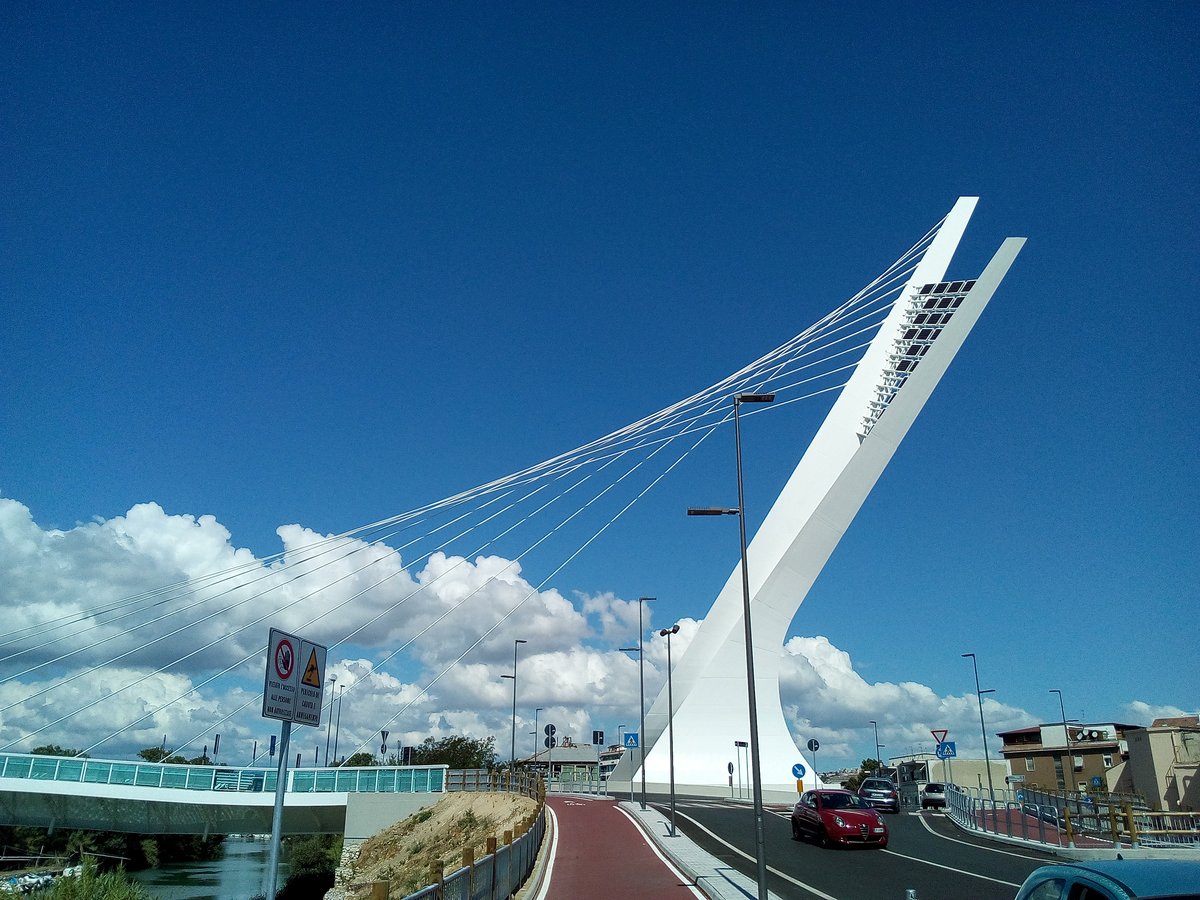 The Ennio Flaiano Bridge is not just a crossing over the Pescara River, but a privileged vantage point that unites the historic center with the city's more modern part. Built in the 1990s and named after the Abruzzese writer and screenwriter, this pedestrian and cycling bridge offers a unique perspective. From here, you can see the river flowing, its waters sometimes calm, sometimes more turbulent, with the profile of the Abruzzo mountains in the background. I like to stop halfway across the bridge, lean on the railing, and look toward the sea: the view stretches all the way to the coast, especially at sunset when the colors come alive. It's not an ancient monument, but it has its own character, with its steel structure that seems almost light despite its size. I especially recommend it to those who want to photograph Pescara from an unusual angle, away from the usual tourist routes. During the day, it's frequented by cyclists and joggers; in the evening, it becomes a quiet spot for a stroll while listening to the sound of the water. There's also a plaque commemorating Flaiano, a detail few notice but that adds a cultural touch. Personally, I find it a perfect place for a break during a city visit, without rush, perhaps after exploring the historic center. Don't expect any spectacular architectural show, but rather a functional spot that offers authentic glimpses into Pescara's life.
Piazza della Rinascita
- Go to the page: Piazza della Rinascita in Pescara: The Beating Heart of the City by the Sea
- Pescara (PE)
- Open in Google Maps
- View on Google Images
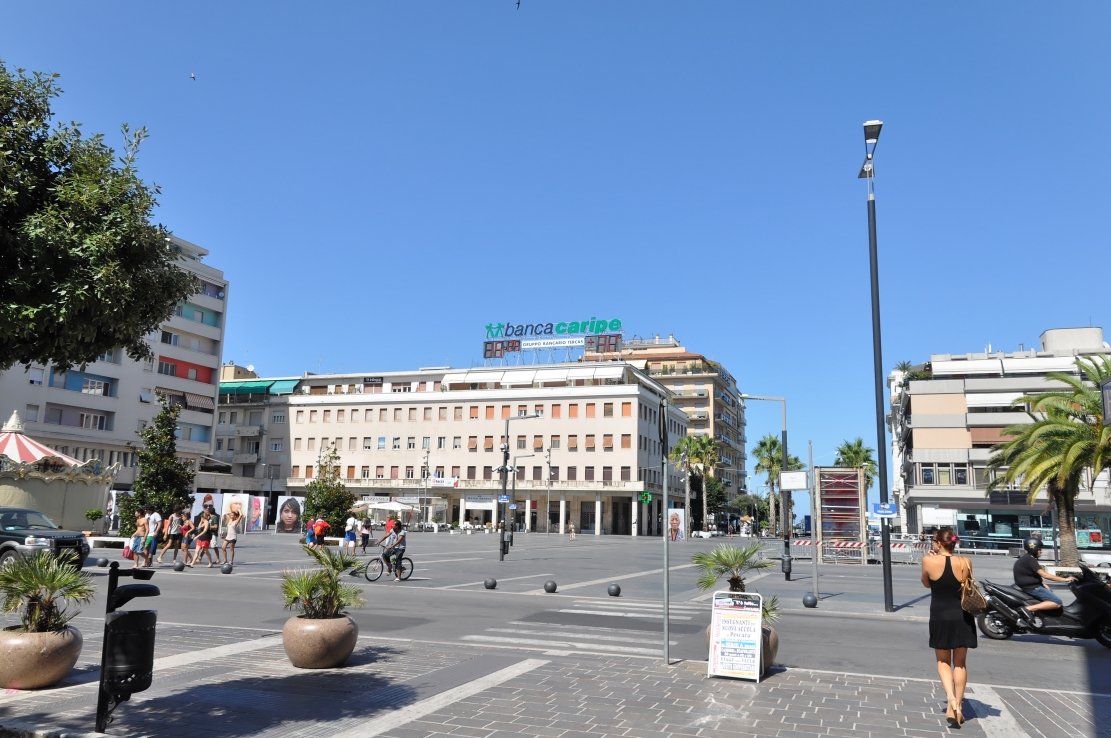 If you're looking for Pescara's meeting point, Piazza della Rinascita is the right one. Everyone calls it Piazza Salotto, and you immediately understand why: it's a huge rectangular space, almost 200 meters long, that looks like a carpet of red bricks laid between the buildings. It's not a monumental square with imposing statues, but a lived-in place where people gather for a walk, to sit on a bench watching the comings and goings, or to have a coffee in one of the surrounding venues. You immediately feel it as the nerve center of the city, the place to start exploring the rest. The square was completely redesigned after the bombings of World War II, and the name 'Rinascita' (Rebirth) is no coincidence: it tells of Pescara's desire to start over. Today it's an interesting mix: on one side there are rationalist buildings that recall that era of reconstruction, on the other a contemporary atmosphere with shops, bars, and often temporary stalls. In the evening, it lights up and becomes even livelier, especially in summer when it's hot and everyone goes out. Personally, I like observing how it changes throughout the day: mornings are quieter, with some tourists taking photos; afternoons fill with families and young people; evenings are the realm of aperitivo. Don't expect ancient churches or spectacular fountains here: the beauty of Piazza della Rinascita lies precisely in its simplicity. It's an open, airy space that allows you to orient yourself easily: from here, within a few minutes on foot you can reach both the seafront with its beach and the older historic center. It's the ideal starting point for any itinerary in Pescara because it immediately gives you the pulse of the city. A tip? Visit at different times, and you'll see how it transforms.
Basilio Cascella Civic Museum
- Go to the page: Basilio Cascella Civic Museum Pescara: Abruzzese art between ceramics and prints
- Viale Guglielmo Marconi 45, Pescara (PE)
- https://www.museocascella.it/
- Open in Google Maps
- View on Google Images
- +39 0854510026
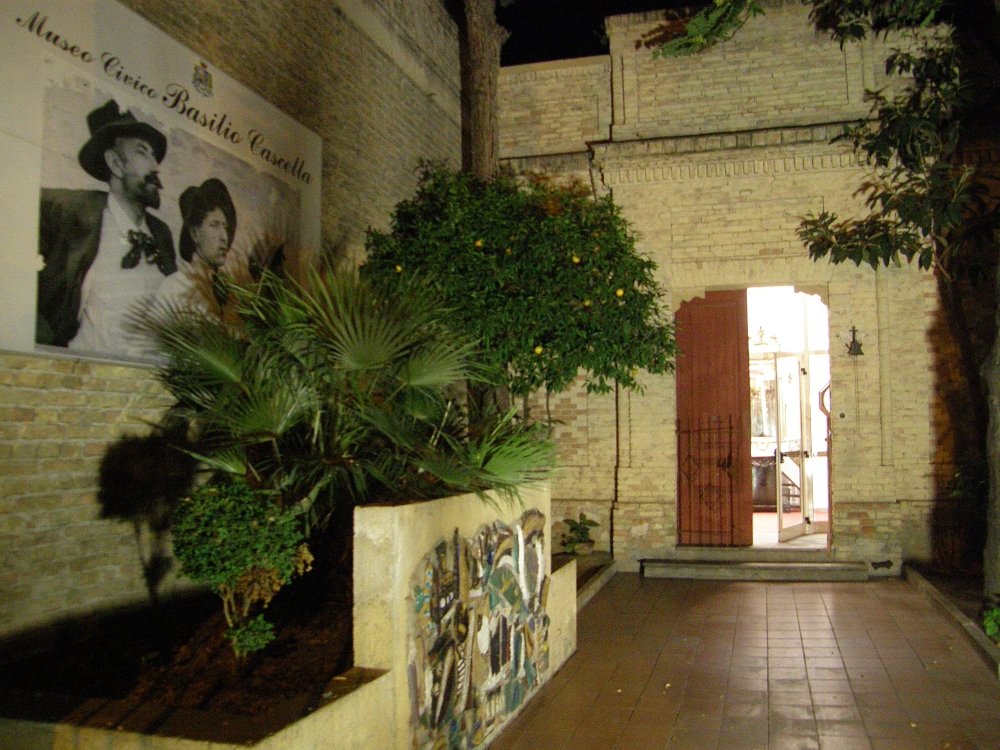 When you think of museums in Pescara, D'Annunzio's house might immediately come to mind, but there's another gem that absolutely deserves a visit: the Basilio Cascella Civic Museum. It's located on Via Marconi, right in the heart of the city, in a historic building that once housed the Cascella family's printing press. Stepping inside is like taking a leap back in time, to an era when art and craftsmanship blended in extraordinary ways. The collection is primarily dedicated to Basilio Cascella, an Abruzzese painter, ceramicist, and engraver, but it also includes works by his sons Tommaso, Michele, and Gioacchino. What struck me right away were the ceramics: plates, vases, and sculptures with vibrant colors and traditional motifs, telling stories of daily life and local folklore. Then there are the paintings, especially portraits and landscapes, and an interesting section of vintage advertising prints – yes, because the Cascellas were also skilled graphic artists! The museum isn't huge, you can visit it in about an hour, but it's full of details that make you understand how much this family has shaped Abruzzese culture. Sometimes I wonder if we've lost that connection between art and craft today, but here you can still feel it. The atmosphere is intimate, almost familiar, and the explanations (in Italian and English) are clear without being heavy. I recommend not missing the printing room, with old presses and equipment that seem straight out of a black-and-white film. It's a perfect spot for those who want to discover an authentic side of Pescara, away from the crowded beaches. Personally, I really appreciated the mix of artworks and everyday objects – it makes you feel closer to the history of the area. If you're passing through, don't skip it: it's a little surprise that enriches any itinerary.
Paparella Villa Urania Museum
- Go to the page: Paparella Villa Urania Museum: The Liberty-style villa with 150 Castelli ceramics
- Viale Regina Margherita 1, Pescara (PE)
- http://www.museopaparelladevlet.com/
- Open in Google Maps
- View on Google Images
- +39 085 422 3426
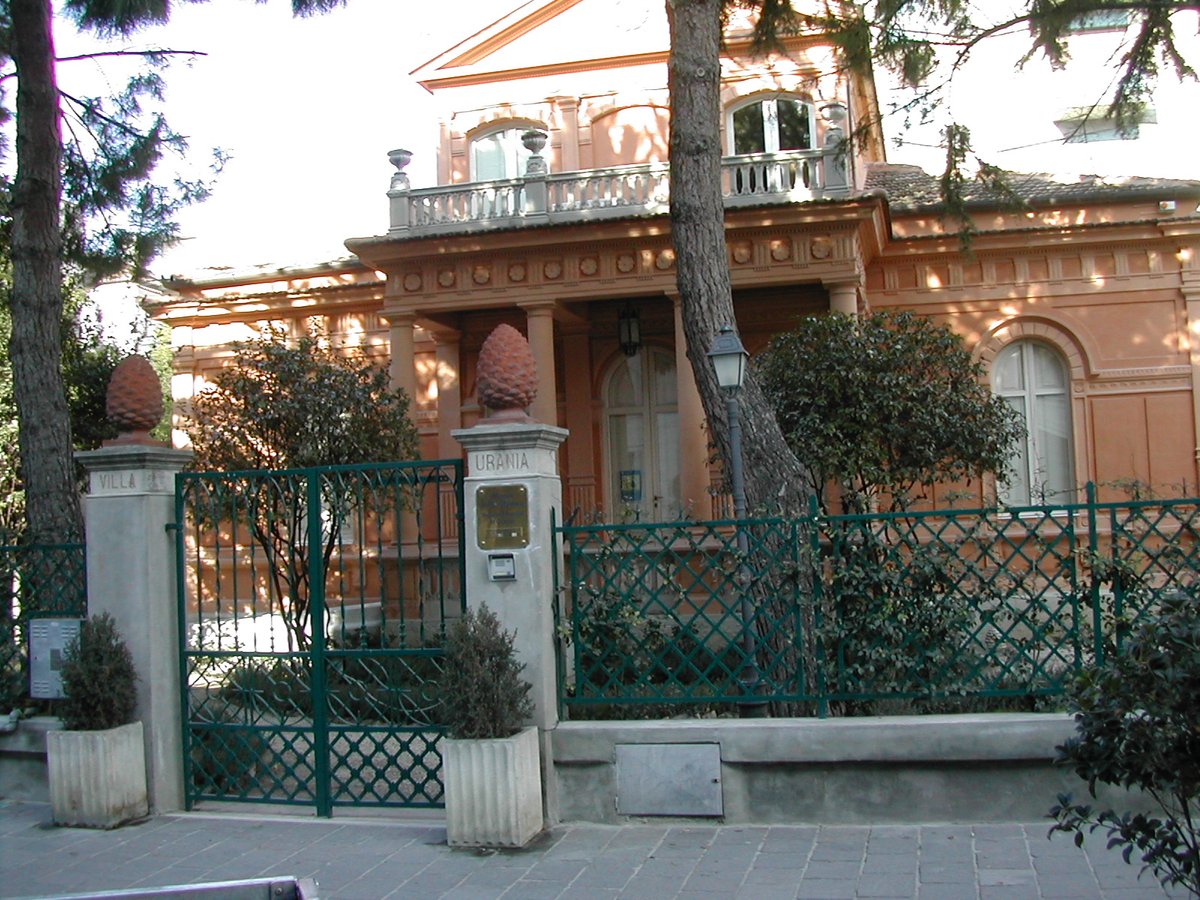 If you think Pescara is just sea and pine forests, the Paparella Villa Urania Museum will make you think again. This elegant Liberty-style villa from 1907 is located on Via Regina Margherita, just steps from the seafront, yet it feels like a world apart. The first thing that strikes you is the building itself: an architectural gem with stained glass windows, stucco work, and a manicured garden that makes you forget the city traffic. Inside, don't expect the usual Renaissance paintings. Here, the star is Abruzzese ceramics, with a collection that the Paparella Treccia couple gathered over decades. I got lost among the Castelli maiolica, famous for its vibrant colors and intricate decorations. There are plates, vases, pharmaceutical albarelli, and even an 18th-century nativity scene. Each piece tells a story of local craftsmanship that has endured for centuries. The villa is small, intimate, and can be visited in about an hour. The atmosphere is cozy, almost homely, and the explanations (also in English) help you understand the techniques and hidden symbols in the decorations. I recommend going up to the first floor to admire the original rooms with period furniture and, above all, the view of the garden from the veranda. A perfect corner of tranquility for a break. It might not be a museum for large crowds, but that's precisely why it's worth visiting: it feels like discovering a secret that few tourists know.
Imago Museum
- Go to the page: Imago Museum Pescara: Contemporary Art in the Heart of the City
- Corso Umberto Primo, Pescara (PE)
- https://www.pescarabruzzo.it/
- Open in Google Maps
- View on Google Images
- fondazione@pescarabruzzo.it
- +39 085 4219109
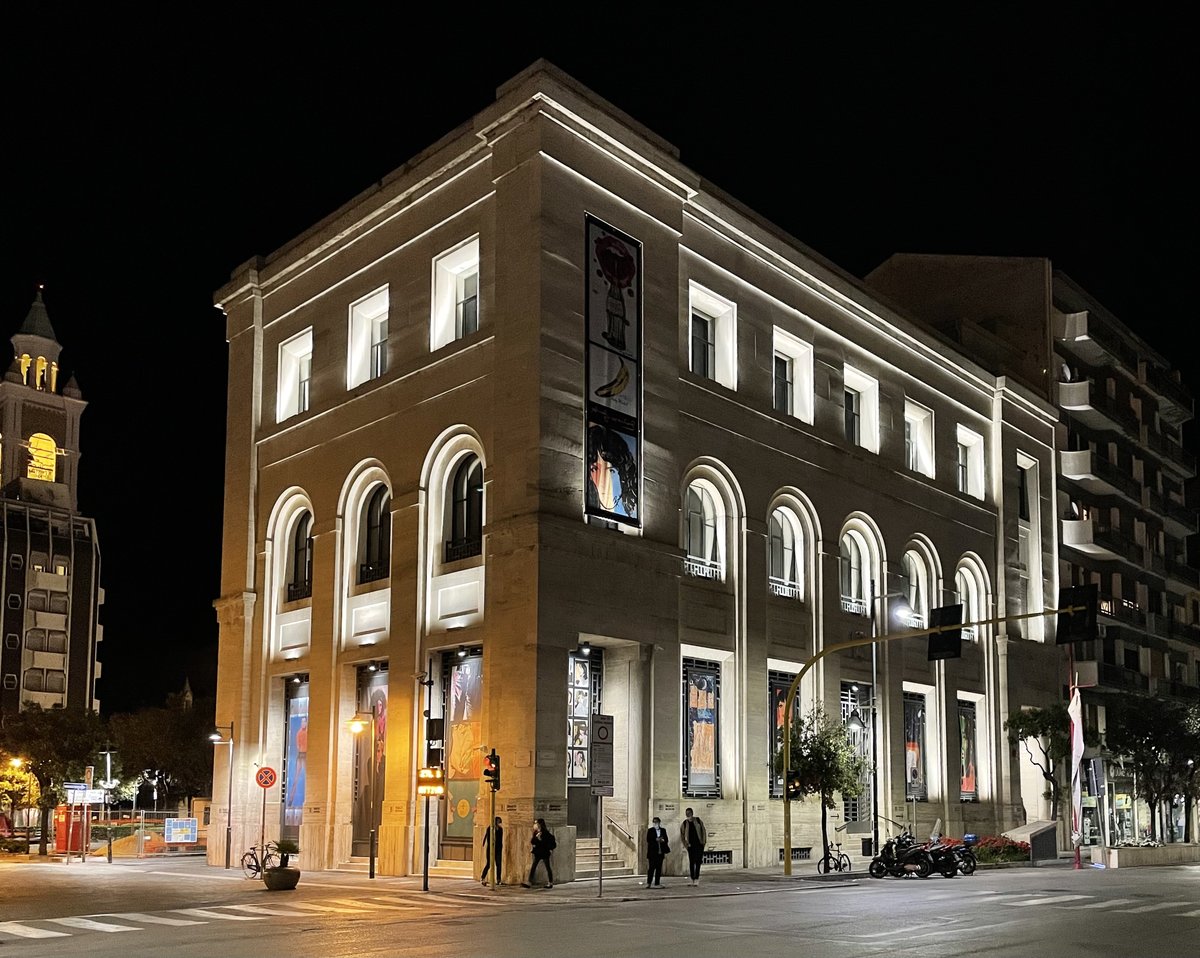 If you think Pescara is just sea and pine forests, the Imago Museum will make you think again. This exhibition space, housed in a restored historic building in the city center, is a real surprise for those looking for something different from the usual tourist itinerary. Don't expect a traditional museum with permanent collections - here everything revolves around temporary exhibitions, which change quite frequently and range from contemporary art to photography, with particular attention to emerging artists. The atmosphere is just right: bright spaces, white walls that make the works stand out, and that feeling of being in a living place, not a preserved one. Personally, I really appreciated how the spaces were restored while maintaining some original elements of the building, creating an interesting dialogue between old and new. The location is very convenient, just steps from Corso Umberto, so you can easily include it in a walk through the historic center. The exhibitions are always carefully curated - the last one I saw was dedicated to a contemporary Abruzzo photographer, with shots that told the story of the territory in a surprising way. Sometimes I wonder if there isn't a lack of continuity, since the exhibitions change often, but perhaps that's the point: every visit can be different. Admission is affordable, and there are often guided tours or related events. If you're tired of the usual tour of monuments, here you'll find a breath of fresh air. Just pay attention to the opening hours: it's not always open, so better check beforehand. A tip? After your visit, stop for a drink at one of the nearby venues - the area is full of nice spots to reflect on what you've seen.
D'Annunzio Theater
- Go to the page: Teatro D'Annunzio Pescara: The Cultural Heart of the City Between Art and History
- Lungomare Papa Giovanni Ventitreesimo, Pescara (PE)
- Open in Google Maps
- View on Google Images
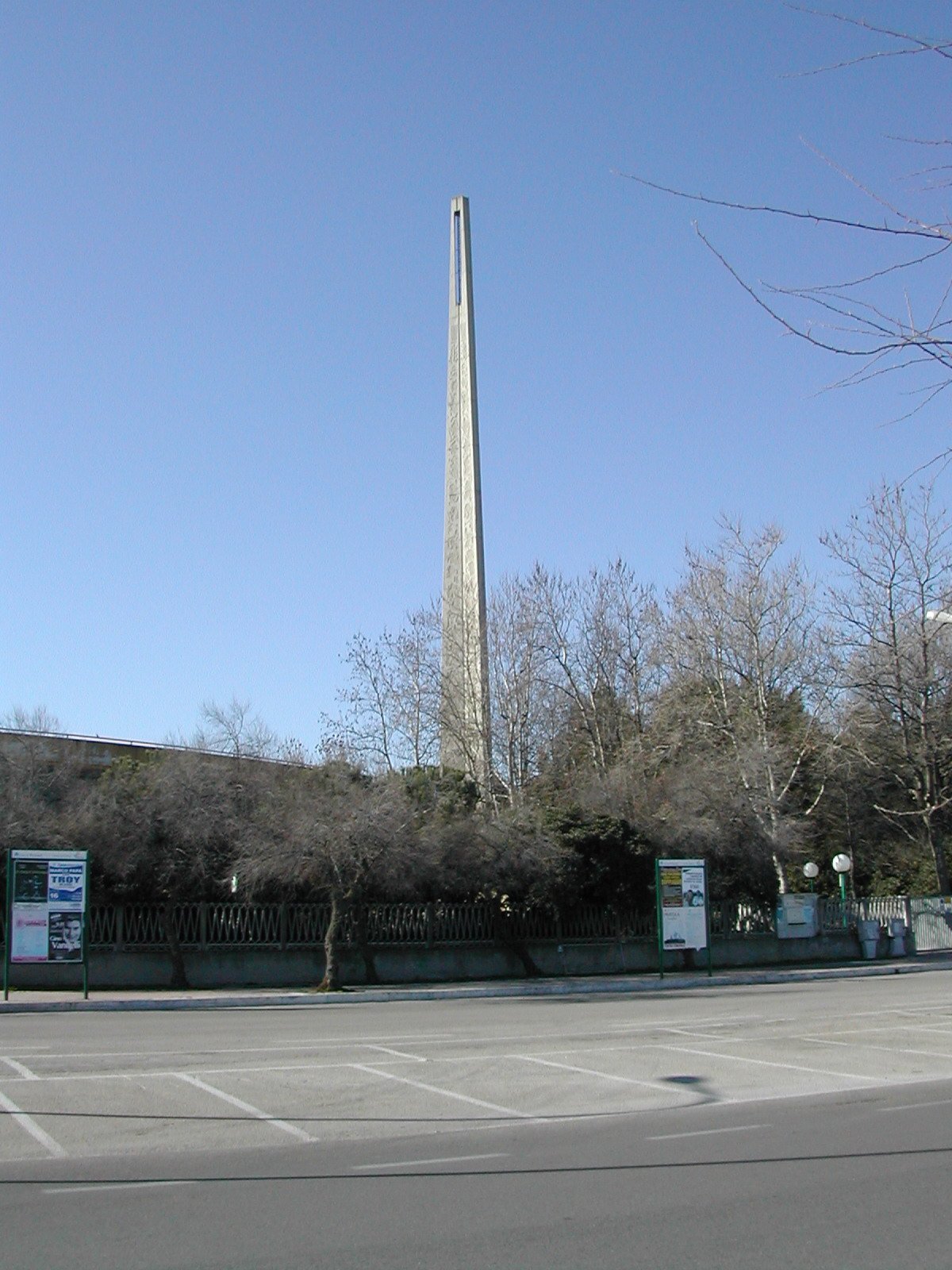 If you're passing through Pescara's historic center, the D'Annunzio Theater is one of those stops you simply can't miss. It's not just a theater, but a piece of the city's history that has been enlivening the cultural scene since 1963. You'll recognize it immediately by its red brick facade and modern lines, which, in my opinion, give the square a touch of retro elegance. Inside, the atmosphere is warm and welcoming: the main hall has about 500 seats, with an orchestra and two galleries that make you feel part of the show even from the back row. The programming is truly varied: plays, concerts, ballets, and children's shows are staged, often featuring local companies performing works by Abruzzese authors. I once attended a dialect comedy and, even though I didn't understand every line, the energy of the acting was contagious. The building has been renovated several times, most recently in 2010, and it shows: the interiors are well-maintained, the acoustics are good, and there's even a spacious foyer for chatting during intermission. One thing I like is that it's not just a tourist spot: you always see locals going to the theater as if it were routine, and this gives it an authentic soul. If you're planning a visit, check the online calendar: sometimes there are matinees at reduced prices or special events tied to regional traditions. Personally, I find it a perfect place for a different kind of evening, away from the hustle and bustle of the seafront, though I must admit that the ticket office can be a bit slow at times. But it's worth it: it's one of those places that shows how Pescara can blend modernity and roots, without making a big fuss about it.
Villa Urania: A Liberty Gem in the Heart of Pescara
- Go to the page: Villa Urania Pescara: Art Nouveau Architecture and Historic Gardens in the Heart of the City
- Via Piave, Pescara (PE)
- Open in Google Maps
- View on Google Images
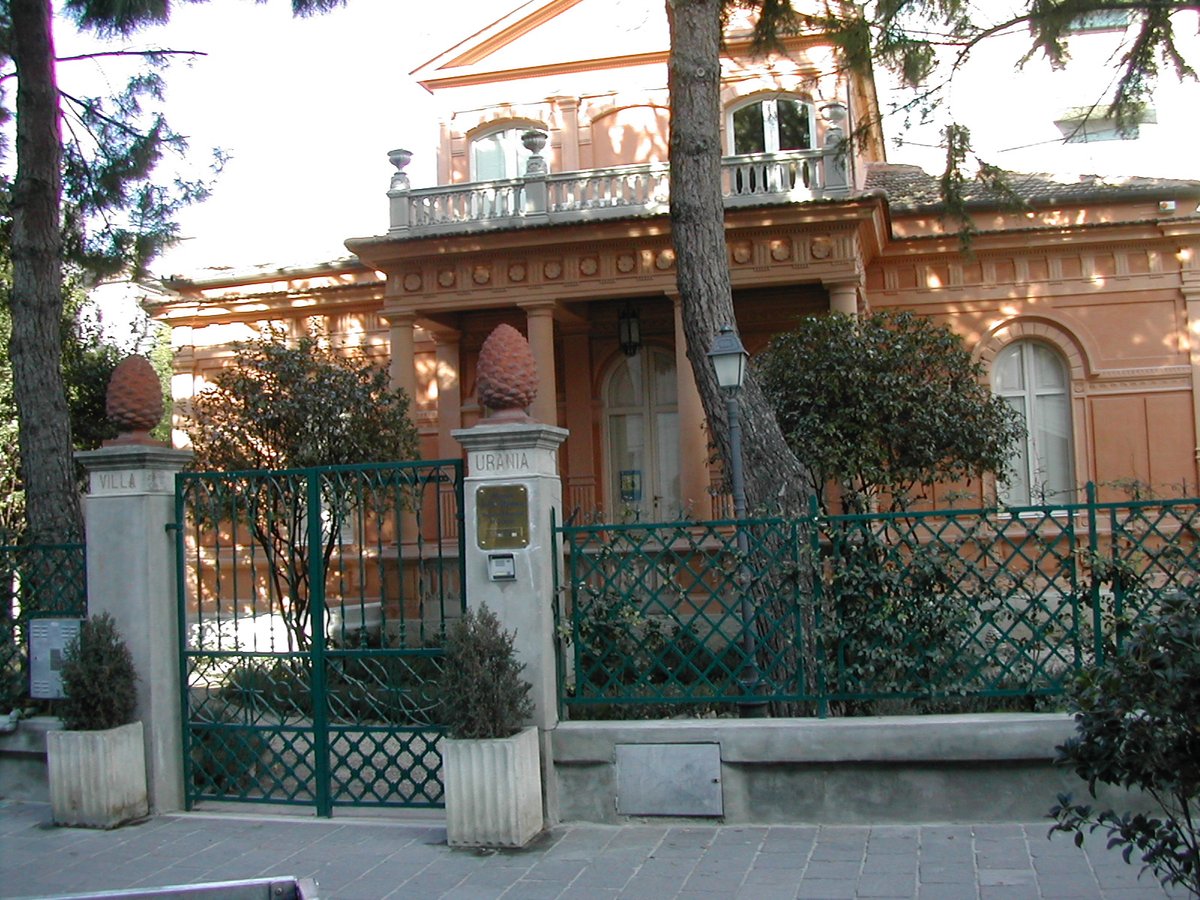 When you think of Pescara, the seafront promenade and pine forest likely come to mind. But in the historic center, there's a surprising corner: Villa Urania, a Liberty-style residence that seems to have stepped out of another time. Built in the early 1900s for the Pomilio family, it now houses the Paparella Treccia Devlet Museum, a private collection of Renaissance maiolica from Castelli d'Abruzzo. What strikes you immediately is the atmosphere: you step inside and time seems to slow down. The rooms retain original furnishings, maiolica floors, and decorated ceilings. This isn't your typical crowded museum: here, you breathe an intimate, almost domestic air. The ceramic collection is remarkable, with pieces spanning from the 15th to the 18th centuries, but in my opinion, the true value lies in the place itself. The villa is a rare example of Liberty architecture in Abruzzo, with those floral details and sinuous lines that make you imagine how life was lived here a century ago. Sometimes I wonder if the original owners ever thought their home would become a museum. Admission is charged, but there are often guided tours that share interesting stories about the family and the villa's history. A piece of advice? Dedicate at least an hour to it, without rushing. It's worth it even just to see the inner garden, small but meticulously maintained, offering a tranquil break away from the city bustle. Don't expect grand multimedia displays: here, the experience is all in the suggestion of the place.
MediaMuseum: A Journey Through Time Between Cinema and Communication
- Go to the page: MediaMuseum Pescara: An Interactive Journey Through the History of Communication
- Piazza Emilio Alessandrini 34, Pescara (PE)
- https://www.mediamuseum.it
- Open in Google Maps
- View on Google Images
- +39 085 451 7898
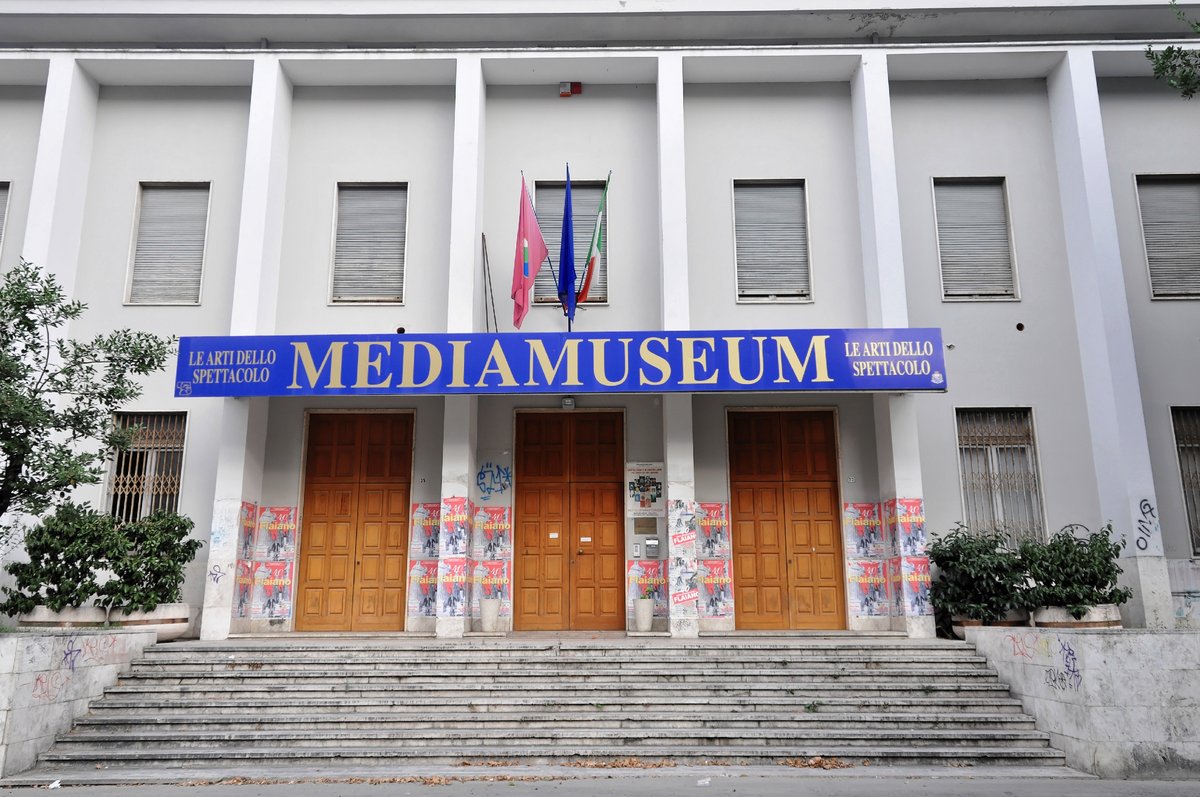 If you think museums are just dusty collections of old objects, the MediaMuseum in Pescara will change your mind. This space, housed in a modern building in the heart of the city, is a true journey through the evolution of communication. It's not the usual static museum: here you can feel innovation, with interactive installations that engage both adults and children. The section dedicated to cinema is what struck me the most: there are vintage projectors, original posters of Italian films from the '50s and '60s, and even a reconstruction of a small film set. I found myself staring at a 1930s movie camera, thinking about how storytelling has changed. The telecommunications section is equally fascinating: from the first crank telephones to vintage radios, all the way to the smartphones we use today. There's a display case with old cathode-ray tube televisions that made me smile, reminding me of my childhood. Perhaps not everyone knows that the museum often organizes screenings of rare films and workshops for enthusiasts, especially during the summer. The atmosphere is informal, almost like entering a large house of collective memory. Of course, don't expect the size of a major national museum, but it's precisely this intimacy that makes the visit more personal. If you're passing through Pescara and want to understand how we've come to communicate this way, this is the right place.
Palazzetto Imperato
- Go to the page: Palazzetto Imperato Pescara: The Liberty Villa with Frescoes and a Secret Garden
- Corso Umberto Primo, Pescara (PE)
- Open in Google Maps
- View on Google Images
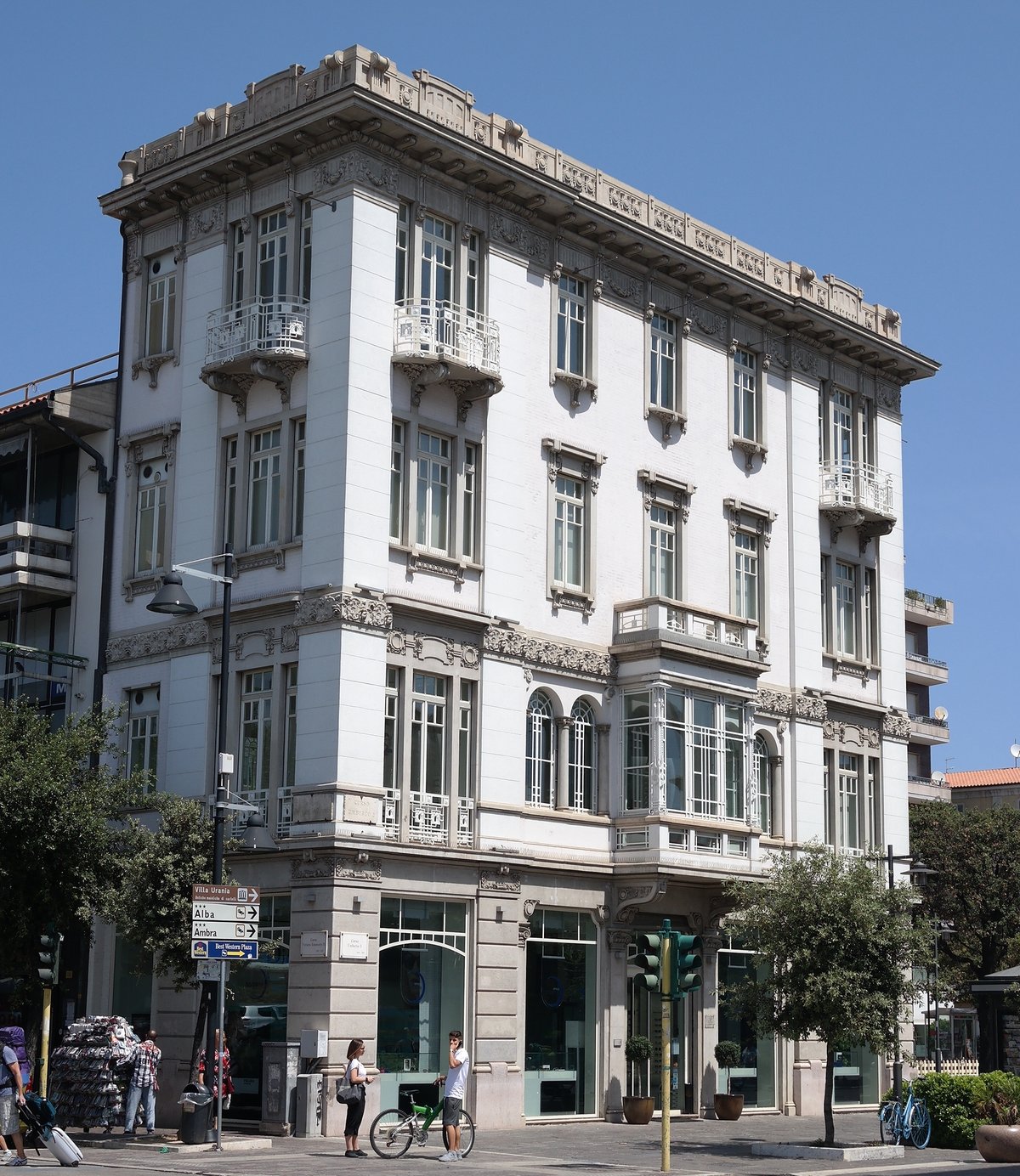 If you stroll through Pescara's historic center, perhaps after a stop at one of the cafés along Corso Umberto, Palazzetto Imperato is one of those buildings that makes you look up. It's not a museum in the classical sense, but a building that tells a specific story of the city. Built in the early 1900s, this Liberty-style palace is an example of how Pescara was changing its face in those years, transitioning from a fishing village to a modern city. The façade is its calling card: sinuous lines, floral stucco decorations, and wrought-iron balconies that seem drawn with an elegant, light touch. I enjoy observing the details, like the plant motifs above the windows or the care taken with particulars, which in seaside cities often give way to practicality. Today, the building serves primarily residential and office functions, so it's not always open for interior visits, but its value lies precisely in being an integral part of the urban fabric, not relegated to a museum area. It stands out well at the intersection of Via delle Caserme and Via dei Bastioni, where it shines with discreet elegance. For architecture lovers, it's an almost obligatory stop to understand a lesser-known piece of the city's history compared to major museums. Personally, I find that these buildings, still alive and in use, give a more authentic sense of a city than many 'glass-cased' monuments. If you happen to be in the area, dedicate a few minutes to it: it's a fragment of Abruzzo's Belle Époque, having survived changes and wars, and deserves a careful look.
Pomilio Palace
- Go to the page: Palazzo Pomilio in Pescara: Art Nouveau Architecture in the Heart of the City
- Via Cesare De Titta, Pescara (PE)
- Open in Google Maps
- View on Google Images
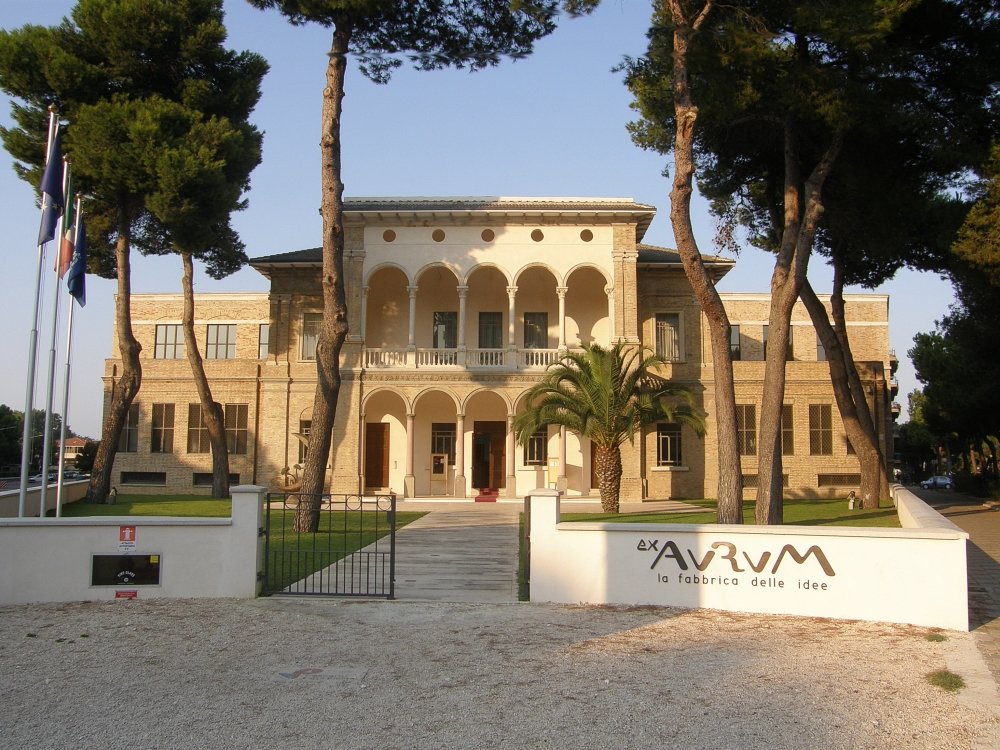 If you stroll through Pescara's historic center, you cannot miss Pomilio Palace, a building that catches the eye with its timeless elegance. Built in the early 1900s, this palace represents one of the most interesting examples of Liberty architecture in the city. The facade is a true spectacle: you'll immediately notice the wrought-iron balconies with floral motifs, typical of the style, and the stucco decorations that add a touch of refinement. I like to think that here, a century ago, you could already breathe the modern air of a growing Pescara. Today the palace houses commercial activities and offices, but its original structure is well preserved. It's worth stopping for a moment to admire its details, perhaps observing how the afternoon light enhances the curves of the railings. It's not a museum, so there are no visiting hours or tickets, but it's part of that urban heritage that makes a city unique. Personally, I find that buildings like this tell silent stories: who lived here? What was life like in those rooms? Perhaps we'll never know, but walking under its arcades gives a sense of continuity with the past. If you're passionate about architecture or simply curious, include it in your itinerary: it's one of those things you only notice if you look up.
Palazzo Mezzopreti
- Viale Leopoldo Muzii, Pescara (PE)
- Open in Google Maps
- View on Google Images
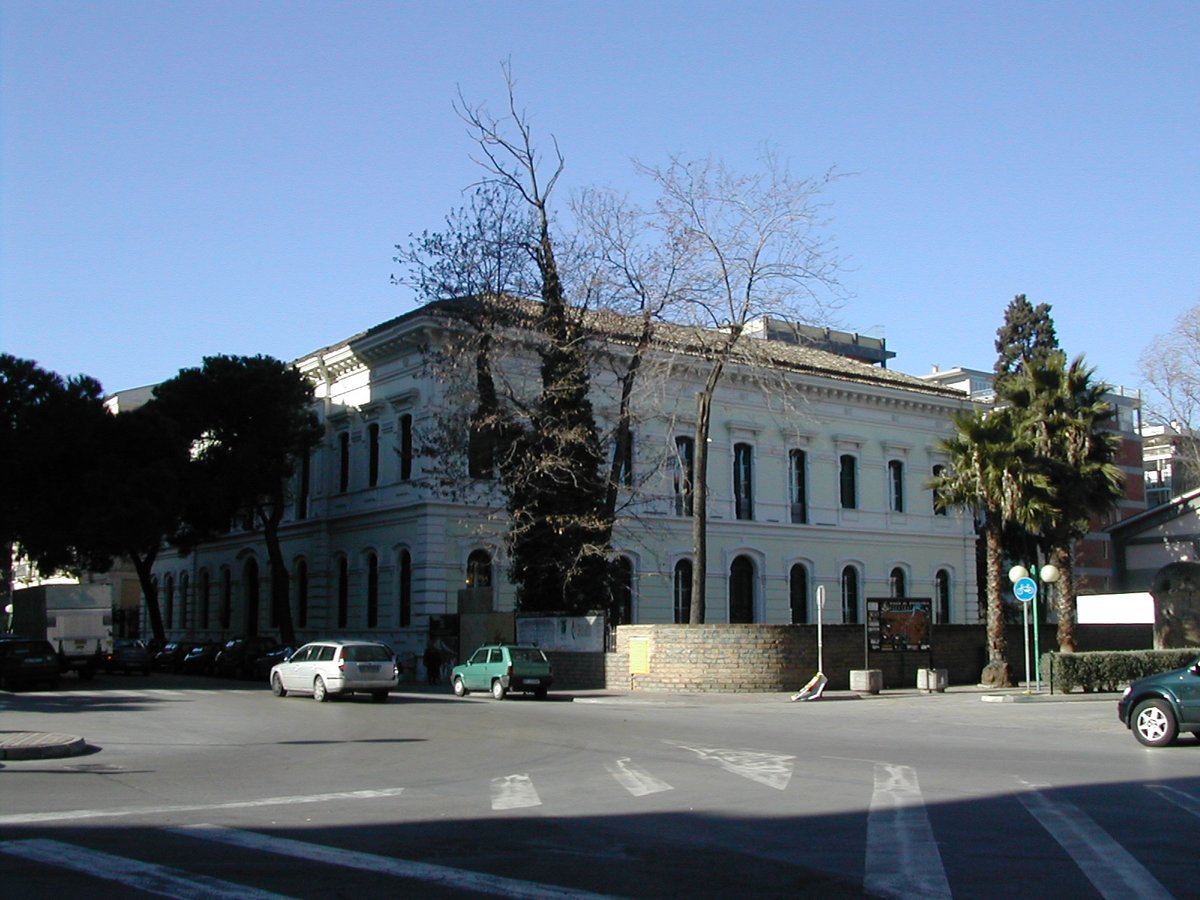 If you stroll through Pescara's historic center, perhaps after a stop at one of the cafés on Corso Manthonè, Palazzo Mezzopreti is one of those architectural gems that catches your eye. It's not a museum in the traditional sense, and perhaps that's why I like it even more: it's a piece of the city that has lived and tells a story without the need for entrance tickets. Located on Via delle Caserme, a street that was once very different from today, its Liberty style, with those curved lines and floral decorations on the façade, stands out among the surrounding buildings. It was built in the early 1900s, a time when Pescara was beginning to transform from a fishing village into a modern city. The building takes its name from the Mezzopreti family, who owned it, and its architecture is a beautiful example of how the Liberty style took root even here in Abruzzo, perhaps blending with local influences. Today, walking past it, you notice it mainly for its discreet elegance. It's not as majestic as other palaces, but it has character. The wrought-iron balconies, the intricate railings, the details above the windows: these are elements worth observing calmly. I like to imagine who lived there, what life must have been like in those rooms when the sound of the sea mingled with the noise of the emerging city. The building is privately owned and not open to the public, so its discovery is entirely external. But that's precisely what makes it special: it's a fragment of urban history perfectly integrated into the city's fabric. You encounter it almost by chance, and it invites you to look beyond the façades, to imagine the stories they hold. For me, stopping to observe it is a way to understand a piece of Pescara's identity—that of a city that has managed to preserve, among its modern streets, these testimonies of a time of change.
Sea Museum
- Via Raffaele Paolucci, Pescara (PE)
- Open in Google Maps
- View on Google Images
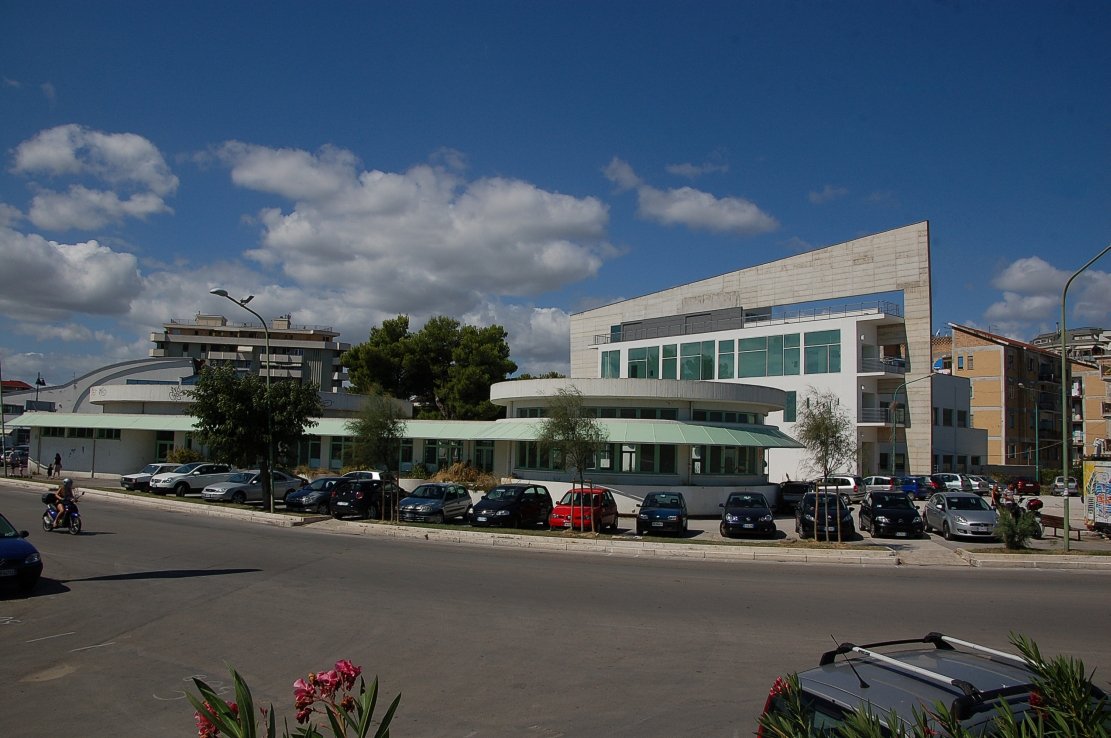 If you think Pescara is just beaches and seaside strolls, the Sea Museum will make you think again. Housed in a historic building near the port, this small museum tells the city's maritime story in surprisingly detailed fashion. Don't expect a massive structure or high-tech exhibits: here the atmosphere is intimate, almost homely, with the scent of wood and salt in the air. The collection is a true treasure for ship enthusiasts, with models of sailing ships, fishing boats, and vessels that trace the evolution of Pescara's fleet. You'll find vintage fishing gear, nets, anchors, and even a section dedicated to traditional boat building, complete with shipwrights' tools. What struck me were the black-and-white photographs showing the port as it was a century ago, with fishermen unloading their catch right on the quay. The captions, simple yet well-crafted, explain each piece without being tedious, and if you're lucky you might meet a volunteer who shares anecdotes about life at sea. This isn't a museum to rush through: take half an hour to observe the details, like the miniature sails or ancient compasses. Personally, I found the section on storms and shipwrecks fascinating, with maps and accounts that show how risky sailors' lives could be. Perfect for a cultural break away from the crowds, especially if you're traveling with curious children or love stories of local traditions. A tip: check the opening hours, as it sometimes closes for maintenance or events.