
🧭 What to Expect
- Ideal for cultural weekends and families, with art, history, and nature.
- Highlights: Upper Town with Venetian walls, Renaissance castles, and perfectly preserved medieval villages.
- Includes an interactive map with 15 locations, from Basilica of Santa Maria Maggiore to Parco Le Cornelle.
- Combines art (Accademia Carrara, MAT Clusone) and nature (Serio Waterfalls, Botanical Garden).
The Province of Bergamo offers a perfect blend of art, history, and mountain landscapes. In Bergamo, the Upper Town with its Venetian walls is a gem to explore on foot, while villages like Cornello dei Tasso tell stories of mail and communication. Castles, from Malpaga to San Vigilio, dominate the hills, and the Serio Waterfalls in Valbondione provide natural spectacles. Art shines at the Accademia Carrara and in the Basilica of Santa Maria Maggiore, with the Colleoni Chapel. For those seeking relaxation, Lake Iseo is just a stone's throw away, and local products like Branzi cheese and Valcalepio wines complete the experience. Ideal for weekends or longer holidays, every corner here surprises with authenticity and practicality.
Overview
- Basilica of Santa Maria Maggiore
- Accademia Carrara
- Colleoni Chapel
- Old Square
- San Vigilio Castle
- Cornello dei Tasso
- Malpaga Castle
- Serio Waterfalls
- Castle of the Calepio Counts
- MAT - Museum of Art and Time in Clusone
- Le Cornelle Wildlife Park
- Trebecco Castle
- Triumph and Dance of Death
- Bergamo Botanical Garden "Lorenzo Rota"
- Lovere Civic Tower
Basilica of Santa Maria Maggiore
- Go to the page: Basilica of Santa Maria Maggiore: Florentine Tapestries and Baroque Stuccoes in Bergamo Alta
- Piazza Padre Reginaldo Giuliani, Bergamo (BG)
- Open in Google Maps
- View on Google Images
 The Basilica of Santa Maria Maggiore is a Romanesque-Gothic jewel that dominates Piazza Duomo in Bergamo Alta. Built starting in 1137, its exterior facade is sober, but the interior will leave you breathless: frescoes, Florentine tapestries, and Baroque stuccoes blend together in a riot of art. Don't miss the Colleoni Chapel, attached to the basilica, with the mausoleum of Bartolomeo Colleoni, a Bergamasque condottiero, sculpted in polychrome marbles. The tapestries, created from designs by artists like Bramante and Raphael, tell biblical stories and are among the most precious in Italy. The basilica also houses the funerary monument of Gaetano Donizetti, the famous Bergamasque composer, and an ancient organ that still functions. Climbing the bell tower offers a breathtaking view of the lower city and the Prealps. Tip: visit the basilica in the morning to enjoy the light filtering through the stained glass windows and illuminating the interiors. Admission is free, but a small donation is appreciated for maintenance. Remember that it is a place of worship, so dress appropriately.
Basilica of Santa Maria Maggiore
Accademia Carrara
- Go to the page: Accademia Carrara: Masterpieces by Raphael and Botticelli in Bergamo Alta
- Via San Tomaso 82, Bergamo (BG)
- https://www.lacarrara.it/
- Open in Google Maps
- View on Google Images
- info@lacarrara.it
- +39 035 234396
 If you love art, the Accademia Carrara in Bergamo is an unmissable stop. This museum, founded in 1796 by Count Giacomo Carrara, houses one of Italy's richest collections, with over 1,800 works spanning from the Renaissance to the 19th century. As you wander through the halls, you'll encounter masterpieces by artists like Pisanello, Mantegna, and Raphael, with paintings that tell centuries of art history. Don't miss Giovanni Bellini's Madonna and Child, a work that moves with its delicacy, or the portraits by Lorenzo Lotto, which capture the soul of their subjects with unique intensity. The gallery is clearly organized, with thematic routes guiding you through different eras, making the visit accessible even to non-experts. Practical tip: check the opening hours on the official website, as there are often temporary exhibitions that enrich the experience. If you're traveling with children, ask at the entrance about educational activities: they make art engaging for everyone. The Academy is located in the Città Alta, so after your visit, take the opportunity to explore Bergamo's historic streets. Attention: avoid high-traffic days, like weekends, if you prefer a more peaceful visit. Paid admission, but there are often discounts for students and seniors over 65.
Accademia Carrara
Colleoni Chapel
- Piazza Padre Reginaldo Giuliani, Bergamo (BG)
- Open in Google Maps
- View on Google Images
 The Colleoni Chapel is one of the most iconic monuments in Bergamo Alta, located right in Piazza Duomo, next to the Basilica of Santa Maria Maggiore. It was commissioned by Bartolomeo Colleoni, a 15th-century Bergamasque condottiero, as a mausoleum for himself and his daughter Medea. The building, constructed between 1472 and 1476 based on a design by Giovanni Antonio Amadeo, is a masterpiece of Lombard Renaissance architecture, with a polychrome marble facade that immediately catches the eye with its inlays, rose windows, and statues. Inside, the highlights include the sarcophagus of Bartolomeo Colleoni, topped by a gilded wooden equestrian statue, and that of his daughter Medea, along with Giambattista Tiepolo's frescoes on the vault depicting episodes from the life of Saint John the Baptist. The chapel is open to visitors free of charge, but it's advisable to check the opening hours, which may vary. To best appreciate the details, I recommend visiting on a sunny day when natural light enhances the colors of the marbles and interiors. It's a place that combines history, art, and devotion, and should not be missed on any itinerary exploring Bergamo.
Colleoni Chapel
Old Square
- Bergamo (BG)
- Open in Google Maps
- View on Google Images
 Piazza Vecchia is the elegant drawing room of Bergamo Alta, an architectural jewel that enchants with its Renaissance harmony. Surrounded by historic buildings, the square is dominated by the Palazzo della Ragione, with its loggia façade and the Lion of Saint Mark that recalls Venetian rule. Under the arcades, you breathe an atmosphere of bygone eras, while at the center stands the Contarini Fountain, donated by the Venetian podestà Alvise Contarini in 1780. Climbing the Civic Tower, known as the Campanone, you enjoy a breathtaking view over the lower city and the Prealps: the ringing of the bells, which every evening at 10 p.m. strikes 100 times, is an ancient tradition that marked the closing of the city gates. A few steps away, the Palazzo Nuovo houses the Angelo Mai Library, with rare manuscripts and incunabula. Piazza Vecchia is not just an open-air museum: it is a living place, where the people of Bergamo gather for a coffee at the bar tables or to attend cultural events. Tip: visit at sunset, when the golden light enhances the stone details and creates a magical atmosphere. Perfect for a refreshing stop after the climb with the funicular.
Piazza Vecchia
San Vigilio Castle
- Via al Castello, Bergamo (BG)
- Open in Google Maps
- View on Google Images
 San Vigilio Castle dominates Bergamo from a hilltop at 496 meters, offering one of the most spectacular views of the Upper Town and the Prealps. Built in Roman times and fortified by the Visconti in the 14th century, it still preserves towers, bastions, and a patrol walkway that transports you back in time. The climb alone is worth the trip: reach it on foot with a 15-minute walk from the San Vigilio funicular or by car, parking in the nearby areas. Park access is free and open year-round, while the interior of the keep is only open on special occasions. Don't miss the 360-degree panorama: on one side, you embrace the rooftops of Bergamo Alta; on the other, the mountains framing the province. It's the perfect spot for an evening picnic or capturing memorable photos, especially at sunrise or sunset. Practical tip: bring a bottle of water and a camera, because the light here is magical.
San Vigilio Castle
Cornello dei Tasso
- Go to the page: Cornello dei Tasso: An Intact Medieval Village and the Tasso Postal Museum
- Camerata Cornello (BG)
- Open in Google Maps
- View on Google Images
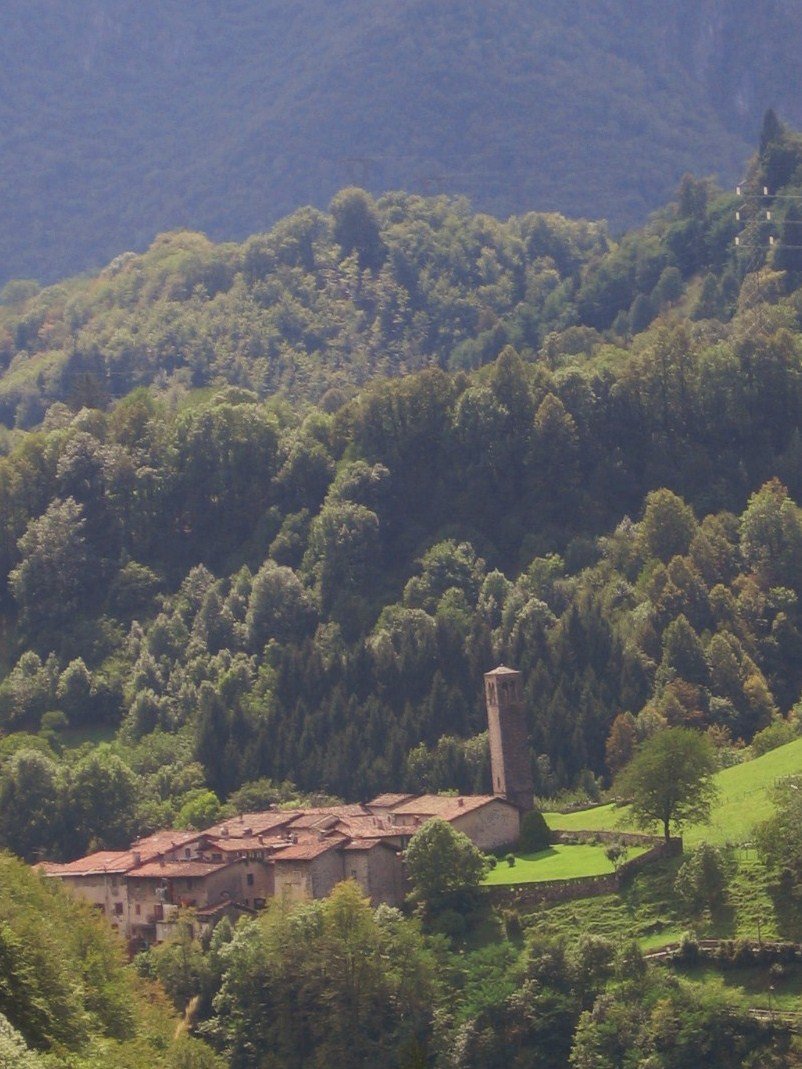 Cornello dei Tasso is a hidden gem in the Brembana Valley that transports you straight back to the Middle Ages. The village is accessible only on foot, via a scenic trail that's worth the visit in itself. Upon arrival, you're greeted by a perfectly preserved stone village, with stone houses nestled closely together and arches lining the single covered street. The unique feature? This is where the Tasso family originated, revolutionizing the European postal system between the 15th and 16th centuries. As you walk through the village, you'll immediately notice the local stone portals and biforate windows that tell centuries of history. Don't miss the Church of Saints Cornelius and Cyprian, with 15th-century frescoes and the tombs of some Tasso family members. The Tasso and Postal History Museum, located in a historic palace, is unmissable: here you'll discover how this family created Europe's first organized postal network. The village is small but full of charm: every corner hides a detail, like ancient inscriptions on the façades or inner courtyards where time seems to have stood still. Practical tip: wear comfortable shoes for the access trail and bring your camera, because the valley views are spectacular. In summer, the village comes alive with cultural events that reenact postal history, while in autumn the foliage colors create a magical atmosphere.
Cornello dei Tasso
Malpaga Castle
- Via Guglielmo Marconi, Malpaga (BG)
- http://www.castellomalpaga.it/
- Open in Google Maps
- View on Google Images
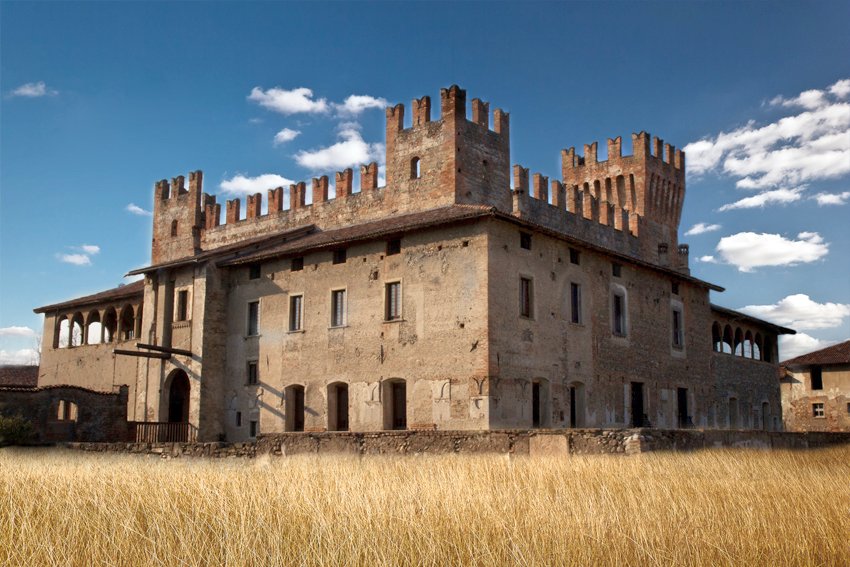 Malpaga Castle is one of the best-preserved fortresses in the province of Bergamo, a Renaissance jewel that transports you back in time. Built in the 15th century and transformed into a noble residence by Bartolomeo Colleoni, commander of the Venetian Republic, the castle preserves intact the frescoes in its interior halls, which depict scenes of courtly life and military exploits. The visit allows you to explore the porticoed courtyard, rooms furnished with period furniture, and the private chapel, where paintings from the Lombard school stand out. Particularly evocative are the historical reenactments organized periodically, with costumed performers bringing the walls and gardens to life. The castle is surrounded by a park where it's pleasant to stroll, observing the crenellated towers and moats that once protected it. For a complete visit, don't miss the banquet hall, where Colleoni is said to have hosted illustrious figures like the King of Denmark. The atmosphere is authentic and engaging, ideal for those who love history without sacrificing the charm of a well-maintained place. Practical info: the castle is open year-round, with guided tours lasting about an hour; booking in advance on weekends is recommended to avoid queues.
Malpaga Castle
Serio Waterfalls
- Variante dello scarico, Valbondione (BG)
- Open in Google Maps
- View on Google Images
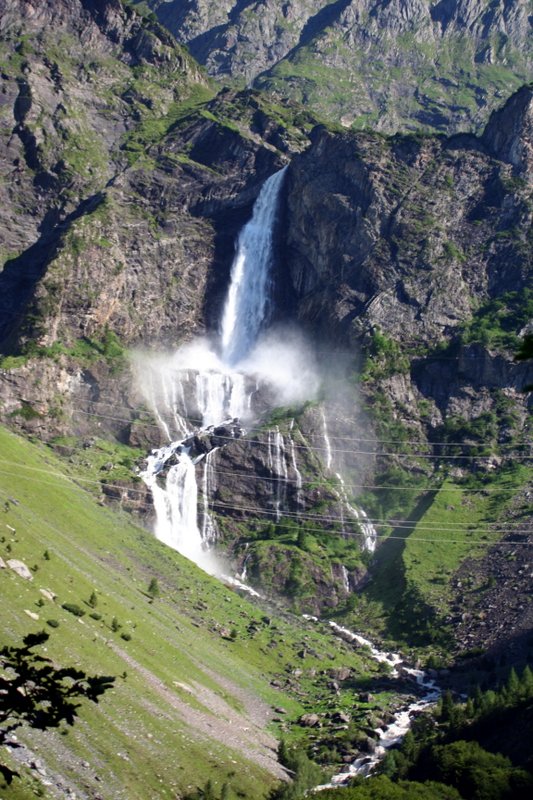 The Serio Waterfalls in Valbondione are a unique natural spectacle in Italy. With their total drop of 315 meters, they are the country's highest waterfalls, divided into three main leaps that create a breathtaking panorama. The water comes directly from the Trobio Glacier and the Serio Glacier, ensuring a variable but always suggestive flow. To see them at their peak splendor, the best time is between June and September, when the opening of the Barbellino dam gates allows for complete water flow. Access is straightforward: park in Valbondione and follow the marked trail, suitable even for families with children. The route offers spectacular views of the Seriana Valley and the surrounding peaks, such as Pizzo Redorta. Bring your camera: the play of light on the water and the lush vegetation create unforgettable shots. Remember that the waterfalls are not always visible: check the opening dates on the Parco delle Orobie Bergamasche website to not miss the event.
Serio Waterfalls
Castle of the Calepio Counts
- Via Conti di Calepio, Castelli Calepio (BG)
- Open in Google Maps
- View on Google Images
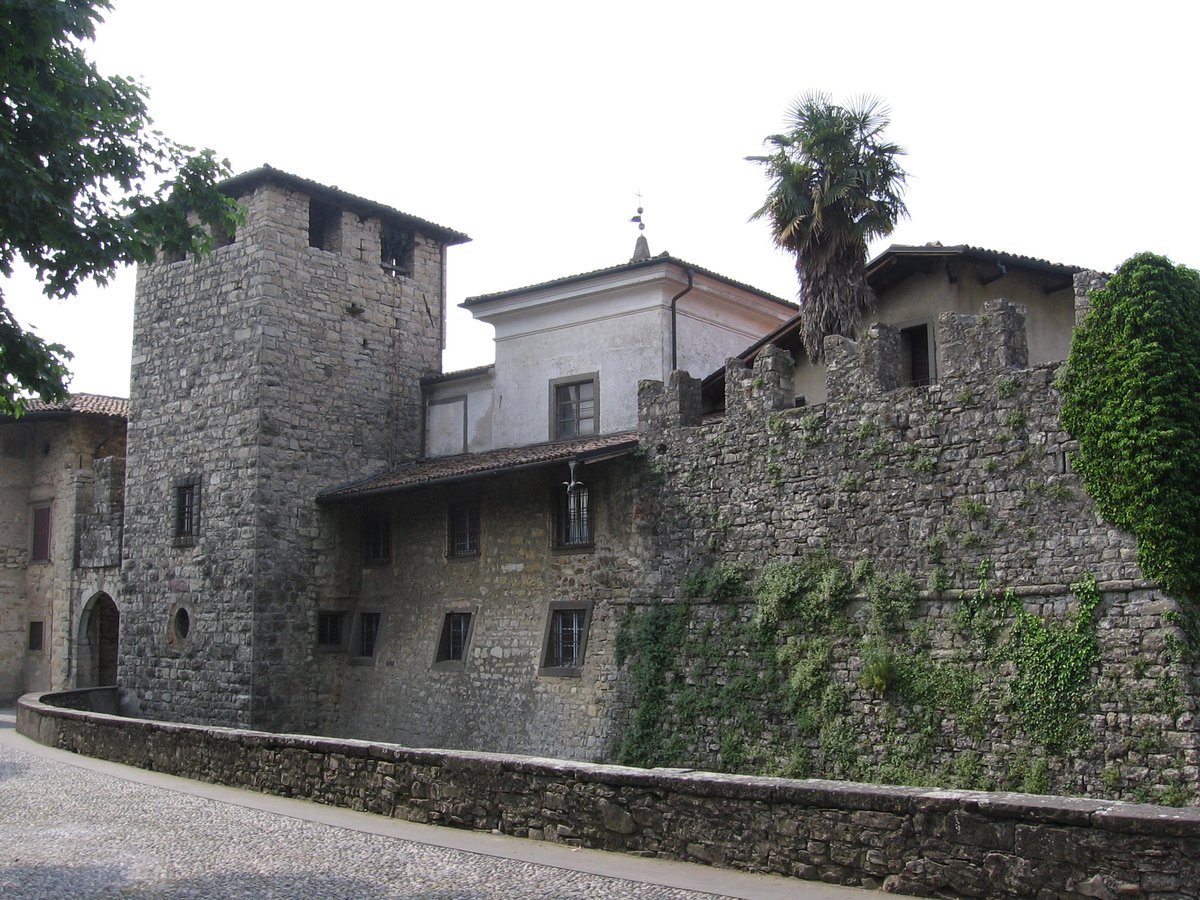 The Castle of the Calepio Counts in Castelli Calepio is one of those places that instantly transports you to another era. Built between the 10th and 14th centuries, this fortress dominates the Bergamo plain with its imposing stone structure, surrounded by a moat that was once filled with water. Upon entering, you immediately notice the square tower, tall and massive, offering a panoramic view of the surrounding countryside. Inside, the halls preserve original frescoes and period furnishings, with the banquet hall standing out, where the counts hosted lavish parties. The castle is also known for its Italian-style garden, meticulously maintained with boxwood hedges and flower beds that create a romantic atmosphere. A special feature? It often hosts cultural events such as art exhibitions and concerts, which bring the ancient rooms to life. To visit, check the opening hours on the official website: it's usually accessible on weekends or by reservation for groups. I recommend dedicating at least an hour to explore everything, without rushing, to appreciate the architectural details and the history that breathes within these walls. If you're passionate about photography, don't miss the views from the inner courtyard, where the afternoon light creates spectacular plays of shadow.
Castle of the Calepio Counts
MAT - Museum of Art and Time in Clusone
- Via Clara Maffei, Clusone (BG)
- http://www.museoartetempo.it
- Open in Google Maps
- View on Google Images
 The MAT - Museum of Art and Time in Clusone is an unmissable stop for anyone visiting the province of Bergamo, a place that surprisingly blends art, history, and technology. Located in the heart of the village, the museum is housed in a former 15th-century Franciscan convent, a building that is worth a visit in its own right. The permanent collection is a true treasure: here you'll find a unique collection of antique mechanical clocks, many of which come from the local artisan workshops that made Clusone famous throughout Europe. There are also sacred art pieces, such as paintings by Giacomo Manzù and 17th-century wooden sculptures, which tell the story of the devotion and culture of Val Seriana. One section is dedicated to the technology of time, with interactive exhibits that explain how clocks work and their evolution. The museum often organizes temporary exhibitions and family workshops, ideal for engaging even the youngest visitors. The admission ticket is affordable and includes an audio guide, useful for discovering anecdotes and curiosities. I recommend dedicating at least an hour and a half to explore all the rooms, without rushing. After your visit, take the opportunity to stroll through Piazza dell'Orologio, right in front of the museum, where you can admire the ancient astronomical clock that dominates the village. The MAT is not just a museum, but an experience that makes you appreciate human ingenuity and the timeless beauty of Clusone.
MAT - Museum of Art and Time
Le Cornelle Wildlife Park
- Via Cornelle, Ossanesga (BG)
- https://www.lecornelle.it/
- Open in Google Maps
- View on Google Images
 If you're looking for an immersive nature experience that involves the whole family, Le Cornelle Wildlife Park is the perfect choice. Located in Ossanesga, this park extends over 126,000 m² and is home to over 120 animal species, many of which are endangered. Strolling along the well-maintained paths, you can admire white tigers, lions, giraffes, and lemurs from Madagascar up close. One of the most popular attractions is the Birds of Prey Aviary, where hawks and eagles fly freely above visitors' heads. The park is organized into themed areas like the Savannah and the Jungle, which recreate the animals' natural habitats. For children, there's the Educational Farm with domestic animals to pet. The park is accessible to everyone, with easy paths and refreshment points. Remember to book online to avoid queues, especially on weekends. A practical tip: bring binoculars so you don't miss the most hidden details!
Le Cornelle Wildlife Park
Trebecco Castle
- Via Castel Trebecco, Credaro (BG)
- Open in Google Maps
- View on Google Images
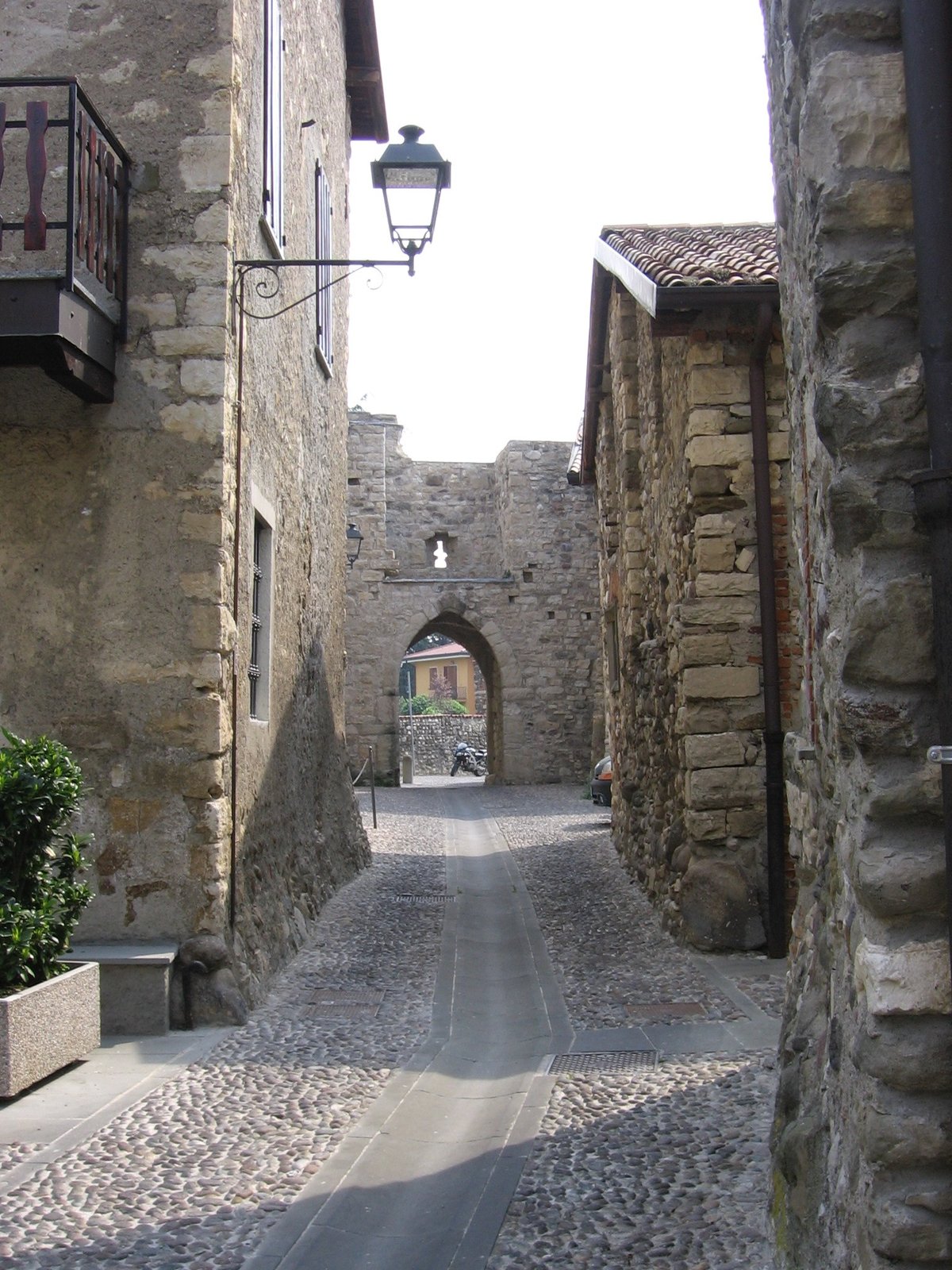 Trebecco Castle stands majestically on a hill in Credaro, dominating the surrounding landscape with its imposing medieval structure. Built in the 13th century as a defensive fortress, it now presents itself as a perfectly preserved noble residence, surrounded by vineyards that produce the renowned wines of Valcalepio. The particularity of this castle is its dual function: on one hand, it maintains the stern appearance of a stronghold with its crenellated walls and watchtowers; on the other, it displays Renaissance residential elements in its loggias and interior halls. The visit allows you to admire the original frescoes in the noble rooms and the private chapel, still used for celebrations. The inner courtyard, with its central well, offers an intimate and authentic atmosphere. Many visitors are struck by the panoramic view of the Bergamo plain enjoyed from the towers, especially at sunset when the colors come alive. Today, the castle is privately owned but is opened to the public on special occasions and for food and wine events, often paired with tastings of local wines. Its isolated location, reachable via a country road, helps create that timeless atmosphere that makes the visit a unique experience. I recommend always checking the opening hours on the official website before planning your trip.
Trebecco Castle
Triumph and Dance of Death
- Via Pier Antonio Brasi, Clusone (BG)
- Open in Google Maps
- View on Google Images
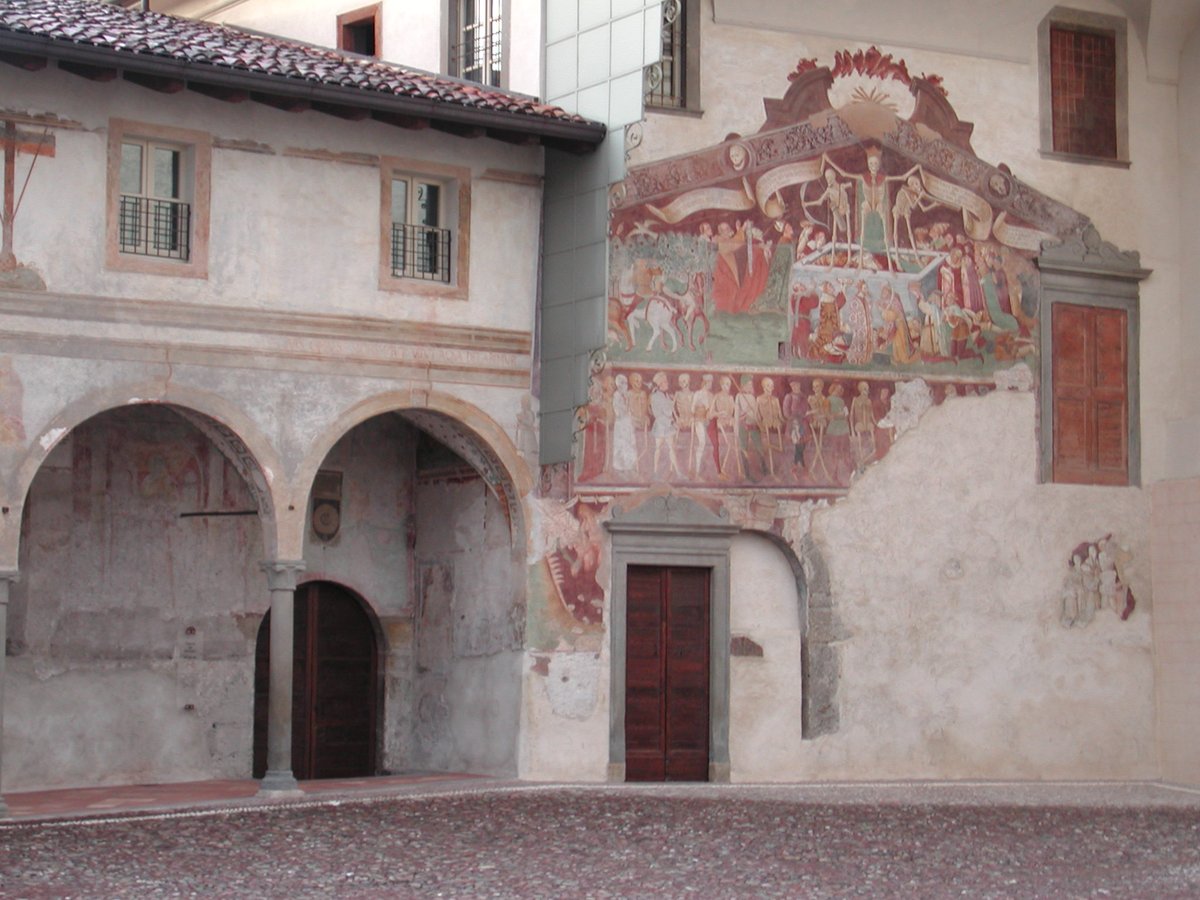 If you're passing through Clusone, you can't miss the famous Triumph and Dance of Death, a 1485 fresco located on the facade of the Oratory of the Disciplini. This late medieval masterpiece is divided into two parts: on the left, the Triumph of Death, featuring a skeleton holding a scythe and riding a wild horse, symbolizing equality in the face of the end; on the right, the Dance of Death, where figures from every social class – from the pope to the peasant – are led in a procession toward the grave. The details are extraordinary: the expressive faces, the period clothing, and the vernacular verses accompanying the scenes transport you to an era of deep reflection on human transience. The work, attributed to the painter Giacomo Borlone de Buschis, is well-preserved despite the centuries, thanks to careful restorations. To see it at its best, visit during daylight hours: the ochre and reddish-brown colors stand out against the light plaster. It's a unique experience that combines art, history, and philosophy in just a few square meters. Remember: access is free and always available, as it's located outside. If you're passionate about symbolism or simply curious, stop here – it's one of those places that leaves a mark.
Triumph and Dance of Death
Bergamo Botanical Garden "Lorenzo Rota"
- Scalinata Colle Aperto, Bergamo (BG)
- https://www.ortobotanicodibergamo.it
- Open in Google Maps
- View on Google Images
 If you're looking for a peaceful corner in the heart of Bergamo Alta, the "Lorenzo Rota" Botanical Garden is the perfect answer. This hidden gem is nestled right beneath the Venetian walls, just steps from Piazza Cittadella, offering a refreshing break away from the crowds. Founded in 1972 and named after the Bergamo naturalist Lorenzo Rota, the garden is not just a place of beauty but also of research and conservation. Here you'll find over 1,200 botanical species, many of which are native to the Orobie Prealps or endangered. The collection is organized into thematic sections: the medicinal plants area stands out, featuring herbs used in Lombard tradition, and the fern section, which recreates the humid environment of local woodlands. Don't miss the tropical greenhouse, where orchids and carnivorous plants create an exotic microclimate. Admission is free, a detail that makes the visit even more enjoyable. Strolling along the pathways, you'll notice clear and well-maintained information panels, ideal for families with children or botany enthusiasts. The most spectacular spot? The panoramic terrace overlooking the lower city, with a view that embraces Bergamo's rooftops and the surrounding hills. In spring, tulip and daffodil blooms color the garden, while in autumn the maple leaves turn red. It's a living place that also hosts workshops for schools and temporary events, such as nature-themed photography exhibitions. Practical tip: visit the garden in the morning, when the light is best for photos and the atmosphere is more tranquil. Remember it's closed on Mondays but open year-round with slightly different hours between summer and winter. An experience that combines culture, relaxation, and a touch of urban wilderness.
Bergamo Botanical Garden "Lorenzo Rota"
Lovere Civic Tower
- Piazza Vittorio Emanuele II, Lovere (BG)
- Open in Google Maps
- View on Google Images
 The Lovere Civic Tower is an essential symbol of this lakeside village, located right in the heart of the historic center. Built in the 13th century as part of the defensive system, this stone tower rises majestically to a height of 28 meters and dominates Piazza XIII Martiri. Climbing its 133 steps is an experience well worth the effort: from the top, you'll enjoy a 360-degree view over Lake Iseo, with the surrounding mountains and the distinctive profile of Mount Guglielmo. Inside, the tower still preserves the mechanism of the historic clock, dating back to the 18th century, and a bell that once marked the rhythm of village life. The structure, recently restored, is open to visitors during specific periods of the year or by reservation, often during cultural events. I recommend combining your visit with a stroll along the Lovere waterfront to fully appreciate the context in which the tower is set. Bring your camera: the sunsets from up here are unforgettable.
Civic Tower