
Perched on a hill overlooking Brunico, Brunico Castle (Schloss Bruneck) is a must-visit in South Tyrol. Built in 1251 by Bishop Bruno von Kirchberg, it blends medieval history with contemporary culture at the Messner Mountain Museum Ripa, dedicated to mountain peoples from around the world. The exhibitions, the frescoed chapel, and the view of the Dolomites make the visit engaging and suitable for families.
– Centuries of History: from its origins as a bishop’s fortress in 1251, besieged and later transformed into a princely residence.
– MMM Ripa: a museum conceived by Reinhold Messner exploring mountain cultures from Asia, Africa, South America, and Europe.
– Medieval Architecture: massive walls, a circular tower, inner courtyard, and a chapel with ancient frescoes.
– Breathtaking View: from the hilltop, enjoy a panorama of Brunico, the Val Pusteria, and the Dolomites.
Events nearby
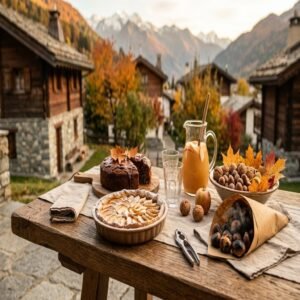
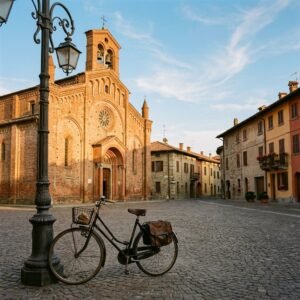


Brunico Castle (Schloss Bruneck), a bishop’s fortress dating back to 1251, houses the MMM Ripa, dedicated to mountain peoples. A journey through medieval history, culture, and views of the Dolomites.
- Schlossweg – Vicolo Castello, Bolzano (BZ)
- Open in Google Maps
- View on Google Images Schloss Bruneck – Castello di Brunico a Bolzano
Good to know
Introduction
Historical Notes
Historical Timeline
- 1251: Built by order of Bishop Bruno von Kirchberg.
- 14th century: Expanded with walls and moat by Bishop Albert von Enn.
- 1460: Besieged by Duke Sigismund and capture of Cardinal Cusanus.
- 1552: Emperor Charles V finds refuge here.
- 1803: Secularization, decline, and use as barracks.
- Late 19th century: Restoration by Bishop Simon Aichner.
- 1969: Used as a school.
- 2004: Purchased by the Cassa di Risparmio Foundation, becomes home to MMM Ripa.
The Museum: MMM Ripa
Architecture and Views
Why Visit It
1. A different museum: MMM Ripa isn’t just about mountaineering, but about the people who live in the mountains. Authentic stories, real objects.
2. Stunning view: From the courtyard and the tower, the panorama of the Dolomites is picture-perfect.
3. Living history: The walls have seen prisoners, emperors, and students: you can almost still hear the voices of the past. Plus, the combined ticket for all MMMs saves money.
When to Go
Nearby
Brunico’s historic center with its colorful houses and the Civic Tower, just steps from the castle. Stop for a strudel at one of the pastry shops.
Plan de Corones (Kronplatz) – in summer for panoramic hikes, in winter for skiing. You can reach it by cable car from the center. Another nearby gem is Lago di Braies, but that deserves a day of its own.
Itineraries nearby
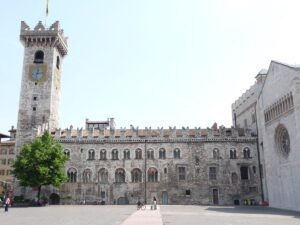

💡 Did You Know…?
In 1460, Duke Sigismund besieged the castle and took Cardinal Nicholas of Cusa prisoner. His rooms still recount the events of those turbulent days.