Pliny the Younger’s Villa in San Giustino is a 1st-century AD Roman archaeological site, the country residence of the writer Pliny the Younger. Nestled in the Umbrian countryside, it offers an authentic and reflective experience away from mass tourism, with uneven terrain requiring comfortable shoes.
- Floor mosaics with traces of original color
- Remains of thermal rooms and sophisticated water system
- Tranquil location with panoramic views over the Umbrian hills
- Direct connection to descriptions in Pliny the Younger’s letters
Introduction
Arriving at Pliny the Younger’s Villa is like stepping back in time, but without the pomp of certain archaeological sites. You find yourself in a corner of the Umbrian countryside, among gentle hills and cultivated fields, and suddenly the remains of what must have been a refined country residence appear. Don’t expect a miniature Colosseum: here the atmosphere is intimate, almost domestic. Walking among the ruins, with silence broken only by the wind through the trees, makes you imagine the daily life of a Roman intellectual away from the frenzy of Rome. Personally, I was struck by how the site is still little frequented by mass tourism, which makes it an authentic experience, almost a personal discovery. The emotion lies precisely in this: feeling the weight of history without crowds pushing you, in a natural setting that seems to have stood still.
Historical Notes
This villa is not an anonymous ruin: it belonged to Pliny the Younger, the Roman writer and politician known for his letters. The construction dates back to the 1st century AD, when the area was part of a thriving agricultural territory. Pliny used it as a retreat from city life, and from descriptions in his works, it’s clear he loved spending periods of study and otium there. Over time, the site has been excavated, uncovering parts of the residential complex, such as thermal rooms and productive structures.
It’s not just a villa, but a microcosm that tells the story of the economy and culture of ancient Rome in Umbria. Interestingly, some artifacts are preserved at the Archaeological Museum of Perugia, but here on-site, you can still breathe in the essence of the place. The timeline summary:
- 1st century AD: construction of the villa as a country residence for Pliny the Younger
- Medieval era: the site is gradually abandoned and forgotten
- Modern excavations: starting in the 20th century, archaeological campaigns rediscover its importance
The Secrets of the Archaeological Site
Visiting Pliny’s Villa is not just about looking at ancient stones: it’s a tactile and visual experience that immerses you. One of the most fascinating aspects are the floor mosaics, which in some areas still retain traces of color, hinting at how luxurious the decoration once was. As you walk, you’ll notice the remains of a sophisticated water system, with cisterns and channels showcasing Roman ingenuity in water management. I paused at a corner where you can glimpse the structure of what must have been a triclinium, the dining room, and tried to imagine the conversations Pliny might have had with his guests. The site isn’t huge, but every detail speaks: from the roof tiles stamped with the manufacturer’s mark to the foundations that reveal the layout of the rooms. I recommend taking your time to observe the details, perhaps with a printed guide or an app, as some on-site explanations are minimal. It’s a place that requires a bit of curiosity, but rewards you with surprising glimpses.
The Connection with the Umbrian Territory
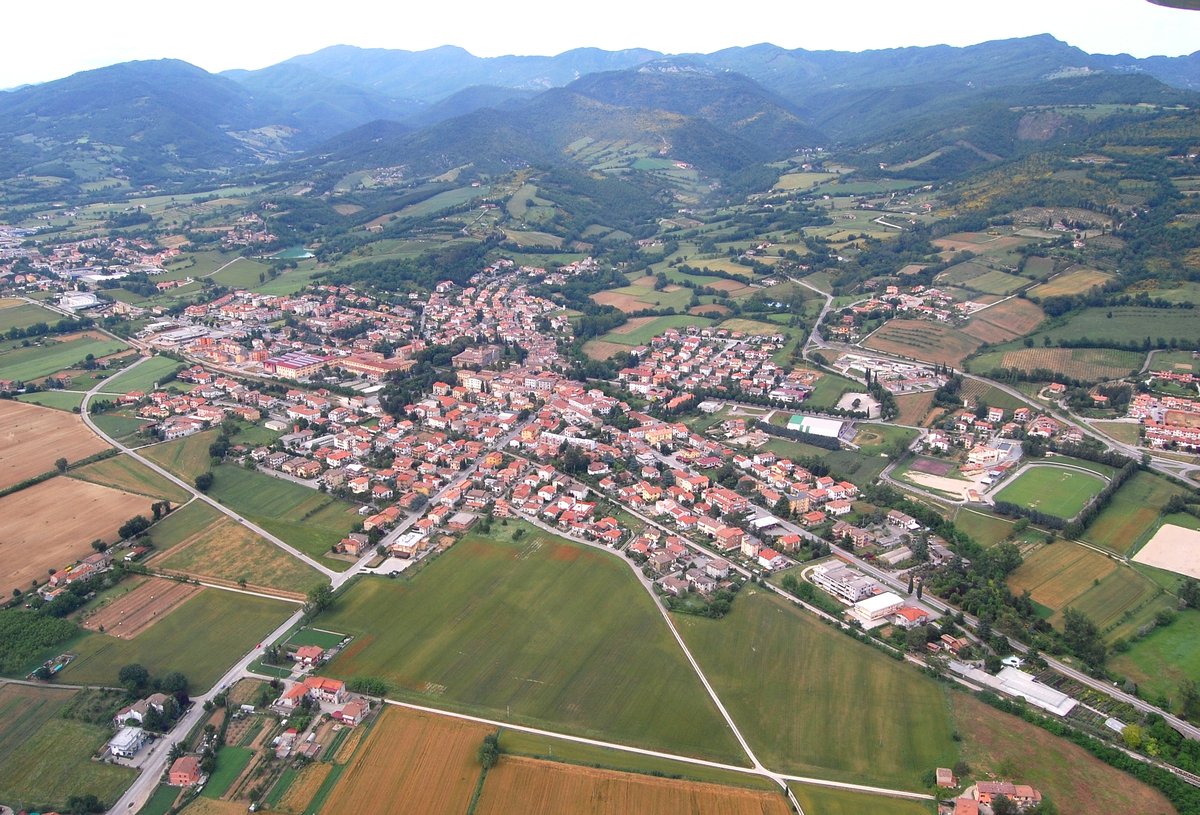
The villa is not isolated: it is deeply connected to the Umbrian landscape that surrounds it. Its position, on a gentle slope, offers a view of the hills towards San Giustino, a panorama that likely inspired Pliny himself. Today, the area remains agricultural, with wheat fields and olive groves reminiscent of Roman cultivation. During my visit, I noticed how the site is integrated into the rural fabric, almost a bridge between past and present. This connection is also felt in the local community: speaking with some residents, I discovered that the villa is a point of pride for San Giustino, even if not always valued as it deserves. Moreover, the proximity to the Tiber River, not visible from the site but historically important for transportation, adds another layer of meaning. Visiting it helps you understand how Roman history in Umbria is not confined to cities but spread into the countryside, shaping the territory in a lasting way. It is an opportunity to appreciate the lesser-known Umbria, made of quiet places and layered stories.
Why Visit It
Why dedicate a visit to this site? First, for its authenticity: it’s not a tourist reconstruction, but a place where history can be touched firsthand, without filters. Second, for the connection with Pliny the Younger: if you’ve read his letters or are passionate about Latin literature, being here adds a concrete dimension to his words. Third, for the peace: it’s a tranquil corner, perfect for a reflective break away from the chaos. Personally, I found it ideal for those seeking a cultural experience without rush, perhaps paired with a countryside outing. Don’t expect elaborate services or expensive tickets: the value lies in simplicity and historical depth. And, last but not least, it’s a way to support a lesser-known site that deserves more attention.
When to Go
The best time? I recommend visiting in late spring or early autumn, when the weather is mild and the Umbrian countryside is at its most splendid. During these seasons, the colors of the hills—vivid greens or golden hues—create a perfect backdrop for the ruins. I’d avoid days of persistent rain, as the ground can become muddy and difficult to navigate. For timing, I prefer early morning or late afternoon: the slanting light enhances the textures of the stones, and the atmosphere is more evocative, with fewer chances of encountering other visitors. In summer, it can get very hot, so if you go then, choose the cooler hours. In winter, the site is sometimes closed or less accessible, so it’s better to check in advance. In short, plan according to the weather and your desire for tranquility.
In the Surroundings
To enrich your visit, I recommend two nearby experiences. First, the village of San Giustino, with its compact historic center and Castello Bufalini, a well-preserved Renaissance fortress that offers an interesting contrast with Roman antiquity. Second, if you’re interested in archaeology, you can explore the Lake Trasimeno area, where other Roman sites and Etruscan artifacts are found, such as in Tuoro sul Trasimeno. Alternatively, for a thematic experience, look for local farms producing oil and wine: many organize tastings, allowing you to sample products from a territory that Pliny himself would have known. These places are easily accessible and complete the picture of an Umbria rich in history and traditions.