
🧭 What to Expect
- Ideal for history enthusiasts and travelers seeking authenticity.
- A journey through time among Etruscan civilization, medieval architecture, and Renaissance masterpieces.
- Unique landscapes with volcanic lakes, hazelnut grove hills, and archaeological parks immersed in nature.
- An experience away from mass tourism, with genuine atmosphere and deep-rooted food and wine traditions.
Events nearby
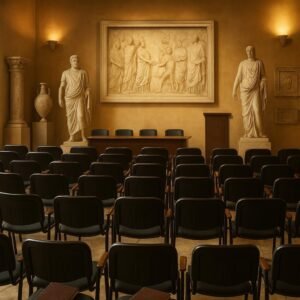

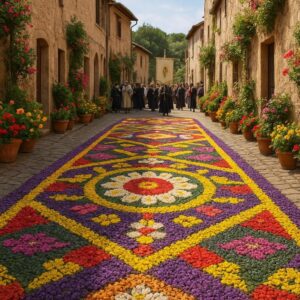
The Province of Viterbo is a territory rich in history and nature, known as Tuscia. Here you'll find perfectly preserved medieval villages like Viterbo with its San Pellegrino quarter, world-class Etruscan archaeological sites like the UNESCO World Heritage Tarquinia necropolises, and historic thermal baths that harness volcanic waters. The landscape features hills covered in hazelnut groves, volcanic lakes like Lake Bolsena, and Renaissance architecture such as Palazzo Farnese in Caprarola. Local specialties range from Canino DOP olive oil to wines from the Colli Etruschi Viterbesi, creating an authentic experience away from mass tourism.
Overview
- Monterozzi Necropolis
- Papal Palace
- Farnese Palace in Caprarola
- Sacro Bosco di Bomarzo
- Castle of Torre Alfina
- Vulci Naturalistic Archaeological Park
- Basilica of Saint Christina in Bolsena
- Roman Amphitheatre of Sutri
- San Giusto Abbey in Tuscania
- Villa Lante in Bagnaia
- Falerii Novi
- San Giovenale
- Forte Sangallo
- Villa Giustiniani Odescalchi
- Sasso Naticarello
Itineraries nearby
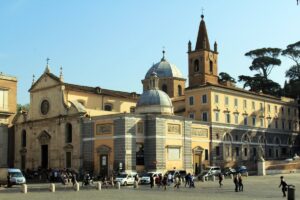
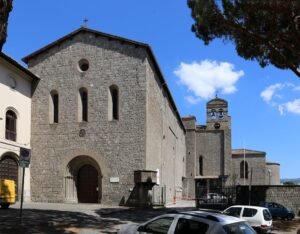

Monterozzi Necropolis
- Go to the page: Monterozzi Necropolis: UNESCO Etruscan painted tombs in Tarquinia
- Via Ripagretta, Tarquinia (VT)
- http://etruriameridionale.beniculturali.it/index.php?it/135/aree-archeologiche
- Open in Google Maps
- View on Google Images
 The Monterozzi Necropolis in Tarquinia is a UNESCO World Heritage site that transports you directly into the world of the Etruscans. Here, on a tufa plateau, over 6,000 rock-cut tombs stretch across the landscape, many preserving colorful and well-preserved frescoes that depict daily life, funeral rituals, and beliefs of this ancient civilization. Among the most famous tombs, the Tomb of the Leopards will surprise you with banquet scenes and dancers, while the Tomb of Hunting and Fishing showcases vivid moments of outdoor activities, with details that seem straight out of a modern tale. These paintings, created with natural pigments, have endured for centuries thanks to the microclimatic conditions of the hypogeal chambers. Walking among the burial mounds and descending into accessible tombs, like the Tomb of the Augurs with its symbolic figures, is an experience that lets you touch Etruscan art and spirituality firsthand. The site is well-organized with marked paths and explanatory panels, allowing you to explore independently. For a complete experience, combine your visit with the National Tarquinian Museum in the historic center, where artifacts from this very necropolis are displayed. Remember to wear comfortable shoes and bring a light to best appreciate the dimly lit interiors.
Papal Palace
- Piazza San Lorenzo, Viterbo (VT)
- Open in Google Maps
- View on Google Images
 The Papal Palace in Viterbo is not just a building, but the beating heart of the city's medieval history. Constructed between 1255 and 1266 to host the pontiffs, this complex represents one of the most important examples of 13th-century civil architecture in Lazio. Its fame is mainly linked to the Conclave of 1268-1271, the longest in history, which lasted almost three years. It was right here that the exasperated citizens of Viterbo locked the cardinals in the Conclave Hall, giving rise to the practice of papal election in seclusion that still characterizes conclaves today.
The visit begins from the Loggia, added in 1267, with its seven elegant arches overlooking Piazza San Lorenzo. Going up to the first floor, you access the Conclave Hall, where the cardinals elected Gregory X. The trussed ceiling and bare walls transport you directly into that atmosphere of waiting and tension. Don't miss the Sala Gualterio, with its Renaissance frescoes depicting local stories, and the Papal Chapel, dedicated to Saint Lawrence, with traces of original decorations.
The palace also houses the Museo del Colle del Duomo, where you can admire works such as the Reliquary of Santa Rosa and the Sarcophagus of Bella Galiana. From the internal courtyard, notice the still-functioning medieval well and the remains of the ancient walls. One striking detail: the external staircases connecting the different levels, typical of Viterbo architecture, demonstrate how every element responded to specific practical and defensive needs.
Farnese Palace in Caprarola
- Go to the page: Palazzo Farnese in Caprarola: Pentagonal Architecture and Double Helix Staircase
- Via Antonio da Sangallo, Caprarola (VT)
- Open in Google Maps
- View on Google Images
 If you're looking for a place that embodies the full power of the Farnese family, Farnese Palace in Caprarola is the answer. This masterpiece of the Italian Renaissance will leave you awestruck not only by its imposing structure but also by the details that make it unique in Lazio. Designed by Antonio da Sangallo the Younger and completed by Jacopo Barozzi da Vignola, the palace features a pentagonal layout that immediately catches the eye—a military architecture transformed into a noble residence. Upon entering, prepare to walk up the Royal Staircase, a helical ramp supported by 30 Doric columns that spectacularly connects the floors—an innovation by Vignola that still amazes today. The rooms are a triumph of frescoes: in the Hall of the Farnese Deeds, paintings by Taddeo and Federico Zuccari celebrate the family's achievements, while the Hall of the Globe transports you on a geographical journey with detailed 16th-century maps. Don't miss the summer and winter apartments, where each space tells a piece of history, like the Room of Dreams, with allegories that invite reflection. The palace is surrounded by a park with Italian-style gardens, fountains, and water features that complete the experience. To visit, check the opening hours: it's often accessible with combined tickets that include other Farnese sites in the area. A tip: set aside at least an hour and a half to admire everything, without rushing, because every corner hides a detail to discover.
Sacro Bosco di Bomarzo
 The Sacro Bosco di Bomarzo, also known as the Park of the Monsters, is a truly unique place created in the 16th century by Prince Pier Francesco Orsini. This Mannerist garden stands out for its stone sculptures depicting mythological creatures, fantastic animals, and grotesque figures, carved directly from peperino boulders. Among the most iconic works are the Orcus, a giant head with a gaping mouth that serves as an entrance to an interior chamber; the Leaning House that defies the laws of gravity; and the War Elephant crushing a Roman legionary. The park doesn't follow the typical symmetries of Renaissance gardens but develops in an apparently random fashion, inviting visitors to a surprising exploration. The vernacular inscriptions carved on the statues, such as "You who enter here, observe every part carefully and then tell me if so many wonders were made by deceit or by art," add an enigmatic touch. Ideal for those seeking an out-of-the-ordinary experience, the Sacro Bosco combines art, nature, and mystery in an immersive context, making it an unmissable stop in the province of Viterbo. Remember to wear comfortable shoes for the uneven paths and bring a camera to capture every extraordinary detail.
Castle of Torre Alfina
- Via di Castello, Acquapendente (VT)
- https://www.castellotorrealfina.com/
- Open in Google Maps
- View on Google Images
 The Castle of Torre Alfina dominates the namesake village with its imposing structure that blends medieval and Renaissance styles. Built between the 13th and 16th centuries, the castle underwent several transformations, evolving from its original fortifications to the elegant decorations commissioned by the Monaldeschi family. Today, visitors can admire the frescoed halls, the patrol walkways, and the private chapel, where details like heraldic coats of arms and coffered ceilings stand out. The manor is surrounded by a centuries-old park with ancient trees and winding paths that lead to the nearby Sasseto Forest, a natural reserve with centuries-old oaks and rock formations that seem straight out of a fairy tale. Inside, some rooms host temporary exhibitions and cultural events, while the main tower offers a panoramic view over the Paglia Valley and the surrounding hills. For those visiting Acquapendente, the castle is an unmissable stop, not only for its architecture but also for the timeless atmosphere that permeates its walls. Remember to check the opening hours, as the castle is often used for weddings and private events.
Vulci Naturalistic Archaeological Park
 If you're looking for a place where history and nature blend in a surprising way, the Vulci Naturalistic Archaeological Park is the destination for you. Located in Canino, in the province of Viterbo, this park offers a journey through time via the remains of the ancient Etruscan city of Vulci, once one of the most powerful centers of Etruria. Strolling among the ruins, you can admire the Ponte della Badia, a perfectly preserved Roman bridge that spans the Fiora River, and the Abbey of San Mamiliano, a medieval monastic complex that adds a touch of mystery to the landscape. The park isn't just about archaeology: here, nature takes center stage, with trails winding through centuries-old oaks and green areas ideal for picnics. Don't miss the François Tomb, one of the most famous necropolises, with its frescoes telling stories of Etruscan warriors and deities. For birdwatching enthusiasts, the wetland area along the river is a refuge for herons and other waterbirds. The onsite museum, the National Archaeological Museum of Vulci, completes the experience with unique artifacts like Etruscan ceramics and jewelry. I recommend visiting in spring or autumn, when the climate is mild and the colors of the Lazio countryside make everything even more magical. Remember: wear comfortable shoes and bring a camera, because every corner deserves a shot.
Basilica of Saint Christina in Bolsena
- Via Mazzini, Bolsena (VT)
- Open in Google Maps
- View on Google Images
 The Basilica of Saint Christina in Bolsena is a jewel of faith and history that overlooks the medieval village on the lakeshore. Built between the 11th and 13th centuries, it houses the remains of the patron saint, martyred in the 3rd century under Diocletian. The building combines Romanesque and Gothic styles, with a simple façade that conceals interiors rich in surprises. Upon entering, you'll immediately notice the hypogeum crypt, carved into tuff stone, where you can see the remains of an ancient Paleo-Christian necropolis and the stone of the Eucharistic miracle from 1263, which dripped blood during a Mass—an event that inspired the institution of the Feast of Corpus Christi. The side chapels host Renaissance frescoes, including those by Benozzo Gozzoli, depicting episodes from the life of Saint Christina. Don't miss the Grotto of Saint Christina, a rock-hewn chamber accessible from the basilica, where tradition holds that the saint was imprisoned. The location, just steps from the lakeside promenade, allows you to combine a spiritual visit with a scenic walk. Opening hours vary seasonally, but it's generally accessible year-round; always check the schedule to avoid unexpected closures. A tip: visit in the morning to enjoy the light illuminating the frescoes.
Roman Amphitheatre of Sutri
- Via Cassia 49, Sutri (VT)
- http://www.sabap-rm-met.beniculturali.it/it/293/anfiteatro
- Open in Google Maps
- View on Google Images
- sabap-rm-met@beniculturali.it
- +39 06 322 6571
 The Roman Amphitheatre of Sutri is one of the most fascinating archaeological surprises in Tuscia. Unlike many amphitheatres built from stone, this one was entirely carved into tuff, the volcanic rock typical of the area. Dating back to the 1st century BC, it could accommodate up to 9,000 spectators for gladiator fights and hunts with wild animals. Its elliptical structure, 49 meters long and 40 meters wide, is perfectly preserved and harmoniously integrated with the hilly landscape. Walking among the steps carved into the rock makes you feel part of history: imagine the roar of the crowd and the excitement of the spectacles. The amphitheatre is located at the entrance to the Archaeological Park of the Ancient City of Sutri, which also includes a necropolis with Roman and Etruscan tombs. The visit is accessible to everyone, with a well-marked path that allows you to explore every corner. Don't miss the view from above: from the upper rim, a breathtaking panorama of the Viterbo countryside opens up. Remember to wear comfortable shoes, as the ground can be uneven. Admission is charged, but the ticket also includes access to the nearby necropolis and the Mithraeum, an ancient place of worship carved into tuff. It's a site that combines history, archaeology, and nature, perfect for a day dedicated to culture.
San Giusto Abbey in Tuscania
- Prima strada vicinale Madonna dell'olivo, Tuscania (VT)
- https://abbaziadisangiusto.com
- Open in Google Maps
- View on Google Images
 The San Giusto Abbey is located just a few kilometers from the center of Tuscania, in an isolated and evocative position that enhances its charm. Founded in the 12th century by Benedictine monks, it is a perfect example of Lazio Romanesque architecture, with its local stone facade and bell gable. Upon entering, one immediately notices the three-nave layout, divided by travertine pillars, and the semicircular apse that preserves traces of medieval frescoes. The church, dedicated to Saint Giusto the martyr, was part of a larger monastic complex, of which the ruins of the cloister and cells remain. A striking detail is the underground crypt, accessible via a side staircase, with cross-vaulted ceilings and capitals decorated with plant and animal motifs typical of Romanesque art. The abbey is surrounded by olive groves and fields, a rural landscape that invites tranquility. To visit, simply reach the provincial road Tuscania-Cellere and follow the signs; access is free, but it is advisable to check the opening hours, which may vary. Tuscania, with its Etruscan necropolises and the churches of San Pietro and Santa Maria Maggiore, completes the experience, making the abbey an unmissable stop for those exploring the Viterbo area.
Villa Lante in Bagnaia
- Viterbo (VT)
- Open in Google Maps
- View on Google Images
 If you're looking for a place where art and nature blend in perfect harmony, Villa Lante in Bagnaia is the answer. This 16th-century masterpiece, commissioned by Cardinal Gianfrancesco Gambara, welcomes you with its Italian gardens, among the best preserved in Europe. As soon as you cross the entrance, you're struck by the symmetry of the geometric parterres, where boxwood hedges create intricate patterns and flower beds add splashes of colour against the grey of the local stone. The heart of the villa is its monumental fountains: from the Fountain of the Moors, with its grotesque sculptures, to the Water Chain, a stone-carved channel that gently flows between stairways and terraces. Every jet of water is designed to create plays of light and sound that accompany your stroll. Climbing towards the Gambara Casino, frescoed with mythological scenes, your gaze sweeps over the Viterbo countryside, while the winged Pegasus on the central fountain seems ready to take flight. Here, every element has a symbolic meaning: water represents purity, the statues evoke classical antiquity, and the pathways invite you on a journey of spiritual elevation. Don't miss the Fountain of the Little Lights, where small flames once illuminated summer evenings, and the secret garden, a secluded corner with aromatic plants. Villa Lante is not just a site to photograph, but an experience to be savoured slowly, enjoying the silence broken only by the murmur of the fountains.
Falerii Novi
- Go to the page: Falerii Novi: Cyclopean Walls and Unique Revolving Gate in Lazio
- Regolelli (VT)
- Open in Google Maps
- View on Google Images
 If you're looking for a place where history comes alive without the crowds of more famous sites, Falerii Novi is the perfect choice. This archaeological site in the Regolelli countryside gives you the thrill of walking on an original Roman road, with the basalt cobblestones worn down by carts that passed here two thousand years ago. The city was founded in 241 BC after the destruction of Falerii Veteres, and today you can still see the perimeter walls stretching for over 2 kilometers, with the imposing Porta di Giove and Porta di Bove perfectly preserved. Entering through the main gate, you immediately find yourself facing the decumanus maximus, the main road that crossed the settlement. To the right and left, you can distinguish the remains of domus, with floor mosaics emerging from the ground in some spots. Continuing north, you reach the forum area, where commercial and political activities were concentrated. Here stand out the foundations of the main temple and the basilica, while a little further ahead you can admire the remains of the public baths, with the heating system still visible. What makes Falerii Novi special is that it was never overbuilt by modern constructions, so the Roman urban layout can be read with extraordinary clarity. Walking among these ruins, you can imagine the daily life of the Faliscans, the people who inhabited these lands before the Romans. The site is particularly evocative at sunset, when the slanting light enhances the textures of the ancient stones. Bring a bottle of water and comfortable shoes: the path is on unpaved ground and requires about an hour for a leisurely visit. Access is free and there are no facilities, so come prepared for an authentic, no-frills experience.
San Giovenale
- Via delle Poggette, Civitella Cesi (VT)
- Open in Google Maps
- View on Google Images
 San Giovenale is an Etruscan archaeological site of extraordinary importance, situated on a tuff plateau in Civitella Cesi. This place preserves traces of a settlement dating back to the 7th century BC, offering a unique window into the life of the ancient inhabitants of Tuscia. The site includes a necropolis with chamber tombs carved into the tuff, some of which still feature painted decorations and carvings that tell of rituals and beliefs of the era. Walking among the remains of dwellings and paved streets, one can perceive the urban organization of this village, which remained active until the Roman age. Excavation campaigns have brought to light ceramic artifacts, bronze tools, and everyday objects, now partly displayed at the National Etruscan Museum in Viterbo. The view from the top of the plateau embraces the Marta Valley, with vistas of Mediterranean scrubland and the typical gullies of the area. San Giovenale is an ideal place for those seeking an experience off the beaten tourist track, immersing themselves in an atmosphere of silence and history. The visit requires comfortable shoes and a water bottle, especially during the summer months. To access it, you can park along the dirt road leading to the site and walk the last stretch, enjoying the rural landscape of the Viterbo province.
Forte Sangallo
- Via Mazzocchi, Civita Castellana (VT)
- Open in Google Maps
- View on Google Images
 As you approach Civita Castellana, Forte Sangallo immediately commands attention: a massive, imposing structure that speaks volumes of centuries of history. Built between the late 15th and early 16th centuries at the behest of Pope Alexander VI Borgia, the fortress takes its name from architect Antonio da Sangallo the Elder, who oversaw its construction. Its strategic position, perched on a tufa spur guarding the Via Flaminia, makes it a perfect example of Renaissance military architecture. Observing the walls, you'll immediately notice the angular bastions with lance-shaped points, designed to withstand the new artillery of the era. Inside, the central courtyard with its well and arches transports you to another time. Today, the fortress houses the Archaeological Museum of the Ager Faliscus, which safeguards extraordinary artifacts such as Faliscan ceramics, bronzes, and funerary goods from local necropolises. Climbing to the terraces, the view stretches across the calanchi and countryside of Tuscia—a panorama that alone makes the visit worthwhile. Forte Sangallo is not just a monument, but a journey into the history of the Faliscans and the Italian Renaissance, a place where every stone has a story to tell.
Villa Giustiniani Odescalchi
- Piazza Umberto I°, Bassano Romano (VT)
- https://www.polomusealelazio.beniculturali.it/index.php?it/242/villa-giustiniani
- Open in Google Maps
- View on Google Images
- pm-laz@beniculturali.it
- +39 0761 636025
 If you're looking for a corner of Renaissance elegance away from the crowds, Villa Giustiniani Odescalchi in Bassano Romano is your answer. This complex, commissioned by the Giustiniani family in the 16th century, is not just a palace but a microcosm of art and nature. The villa centers around a courtyard with a loggia supported by columns made of peperino, the local stone that characterizes many buildings in Tuscia. Inside, the frescoes in the rooms tell mythological and allegorical stories, with one particular feature: some rooms preserve grotesque decorations inspired by Rome's Domus Aurea, a distinctive trait that makes it unique in the Viterbo area. The adjoining park, now public, is a green lung with tree-lined avenues and centuries-old botanical species. Here, among oaks and holm oaks, fountains and water features are hidden, recalling the Renaissance passion for hydraulics. The villa has changed ownership over the centuries, passing to the Odescalchi family, but retains the charm of a countryside residence where art converses with the landscape. To visit, check the opening hours: it often hosts temporary exhibitions or cultural events, an extra opportunity to discover this little-known treasure.
Sasso Naticarello
- Strada provinciale faggeta, Soriano nel Cimino (VT)
- Open in Google Maps
- View on Google Images
 The Sasso Naticarello is a stone giant that rises imposingly at the gates of Soriano nel Cimino, an erratic boulder of volcanic origin that tells a story spanning millennia. This enormous block of peperino, about 15 meters high, was transported here by the ancient activity of the Vicano volcano and today stands solitary in the middle of the countryside, creating a spectacular contrast with the green of the chestnut groves surrounding it. Its rounded shape, smoothed by time, earned it the name 'Naticarello', which precisely recalls its resemblance to a buttock. Reaching it is easy: you start from the center of Soriano and follow a well-marked trail that leads directly to the base of the boulder in less than half an hour. The route is suitable for everyone, including families, and offers breathtaking views of the Tiber Valley and the Cimini Mountains. It's not just a rock: for centuries, Sasso Naticarello has been a landmark for shepherds and wayfarers, as well as the subject of folk legends that depict it as the dwelling of spirits or a hideout for brigands. Today, it's a destination for hikers and photographers, who find here an authentic glimpse of Tuscia, far from the tourist crowds. I recommend visiting at sunset, when the slanting light enhances the warm tones of the stone and silence reigns supreme. Bring a camera and comfortable shoes: the terrain can be a bit uneven, but it's worth it.