
🧭 What to Expect
- Ideal for cultural weekends and families, with a pedestrian historic center accessible in every season.
- Blends millennial history (Castello del Buonconsiglio, Council of Trent) and sustainable modernity (MUSE designed by Renzo Piano).
- Offers diverse experiences: Renaissance art, interactive museums, underground archaeology, and nature (Orrido di Ponte Alto canyon).
- A welcoming and authentic atmosphere, with lively squares, typical local spots, and views of the Dolomites.
Events nearby


The City of Trento is an Alpine gem that combines millennial history and sustainable modernity. Strolling through its historic center means immersing yourself in a rich past, from the Council of Trent to Habsburg-era traces, all nestled among majestic mountains. Here you won't find just monuments, but a vibrant cultural scene ranging from innovative museums like MUSE to Great War fortifications. The atmosphere is relaxed, ideal for those seeking a cultural trip without sacrificing proximity to nature. In this article, I'll guide you through the places that make Trento unique, with practical tips to ensure you don't miss anything—from the Duomo to the most characteristic squares, including lesser-known but equally fascinating corners. Get ready to discover a city full of surprises, where every alley tells a story and the Dolomites provide an unparalleled backdrop.
Overview
- Castello del Buonconsiglio
- St. Vigilius Cathedral
- MUSE: The Science Museum Between Nature and Innovation
- Piazza del Duomo
- Neptune Fountain
- Civic Tower
- Palazzo Pretorio
- Church of Santa Maria Maggiore
- Palazzo delle Albere
- Sas Underground Archaeological Space
- The Galleries
- Torre Aquila
- Diocesan Museum of Trento
- Vanga Tower
- Ponte Alto Gorge
Itineraries nearby


Castello del Buonconsiglio
- Go to the page: Buonconsiglio Castle: Gothic Frescoes and Council of Trent Chambers
- Via Torre D'Augusto, Trento (TN)
- https://www.buonconsiglio.it/index.php/Castello-del-Buonconsiglio
- Open in Google Maps
- View on Google Images
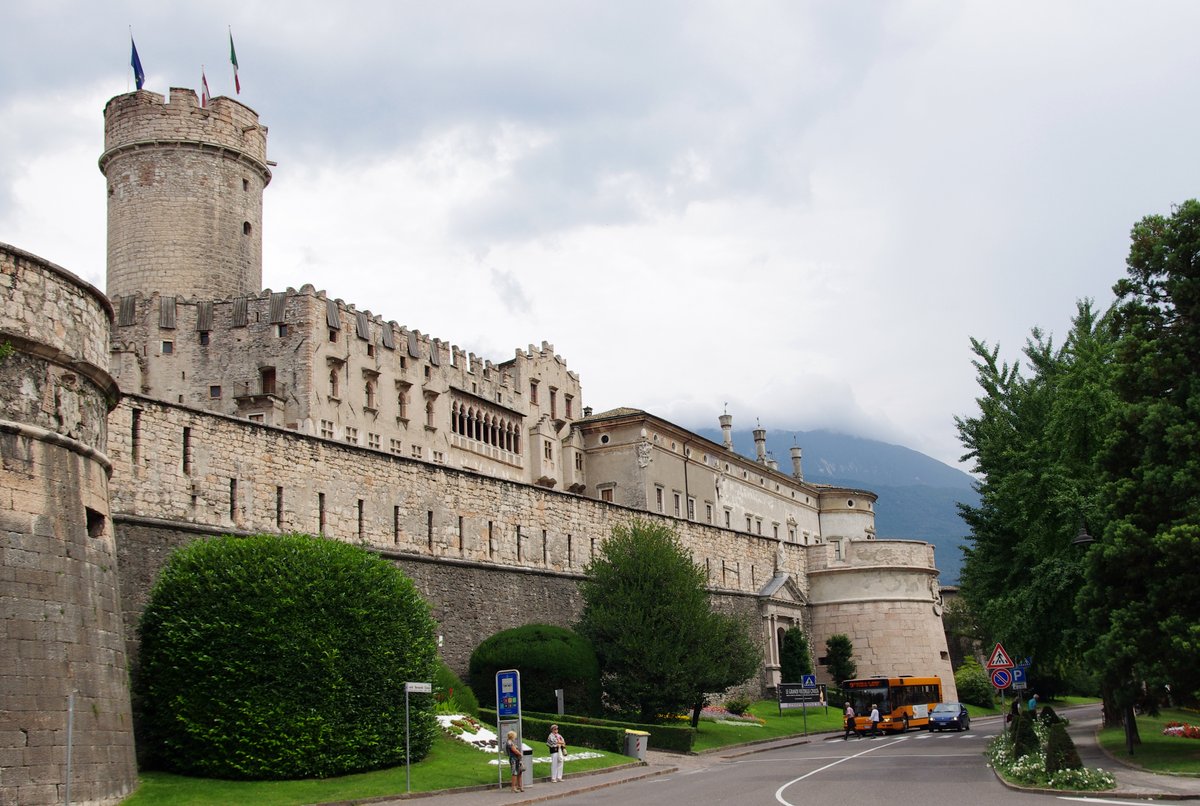 If there's one place that truly tells the story of Trento, it's the Castello del Buonconsiglio. It's not just a monument, but a genuine architectural complex that takes you on a journey through time. Upon arrival, its imposing structure immediately strikes you, with the medieval Castelvecchio blending seamlessly with the Renaissance Magno Palazzo. Stepping inside, you feel catapulted into another era. The rooms are rich with frescoes, but what left me speechless is the Cycle of the Months in the Torre Aquila. These are 14th-century frescoes that depict peasant and courtly life with incredible detail – look closely at the characters' expressions, they seem alive. Then there's the Loggia del Romanino, with its frescoes that surprisingly mix sacred and profane themes. It's not a static museum: it often hosts interesting temporary exhibitions, and the inner garden is a peaceful corner for a break. Something I appreciated? The audio guides are well-made and let you discover anecdotes that would otherwise go unnoticed. Note: some rooms might seem a bit dark, but that's part of the charm. If you're passing through Trento, skipping it would be a shame – even just to admire the view of the city from its towers.
St. Vigilius Cathedral
- Go to the page: St. Vigilius Cathedral: Council Frescoes and Early Christian Crypt in Trento
- Piazza Adamo d'Arogno, Trento (TN)
- Open in Google Maps
- View on Google Images
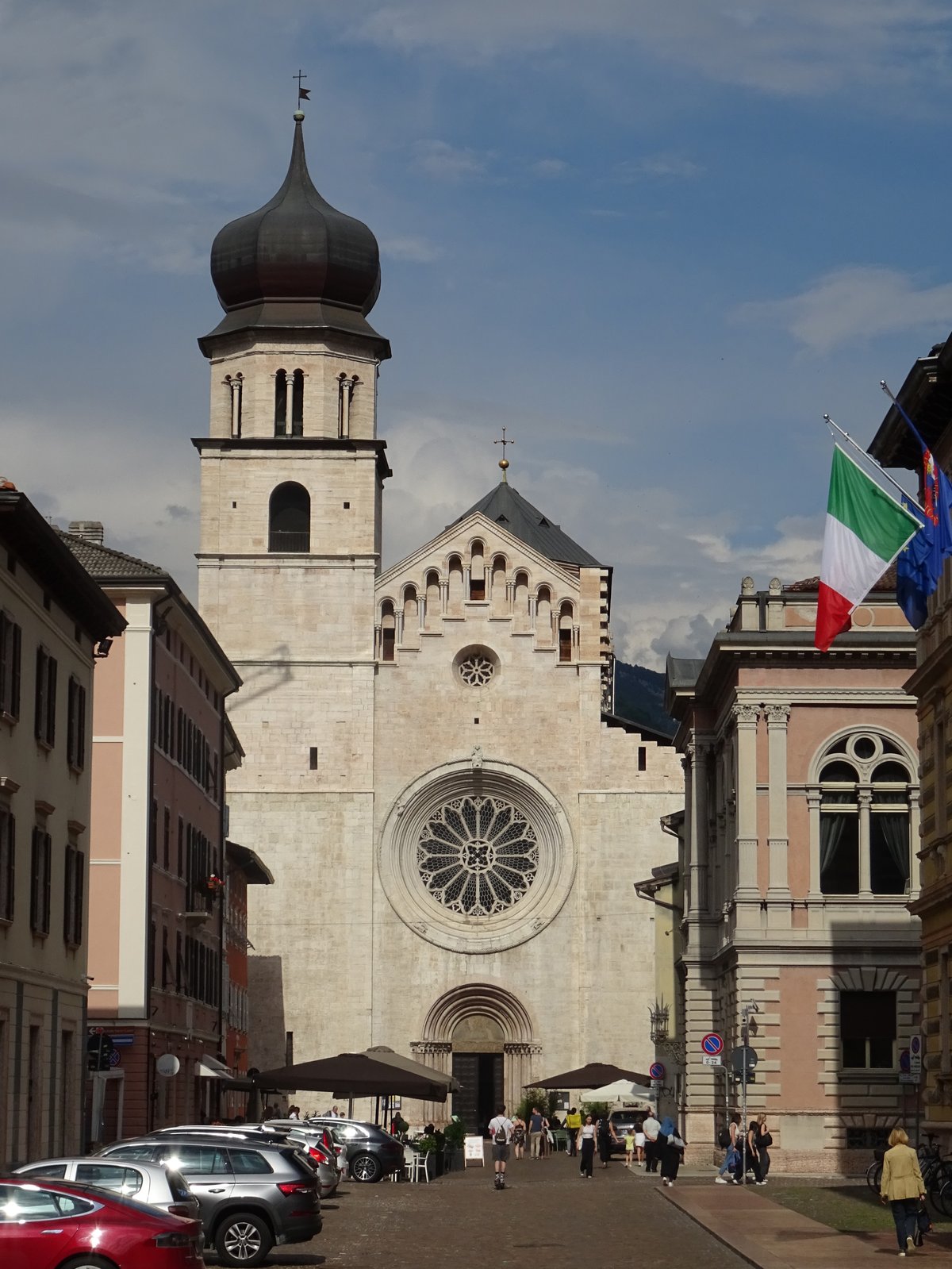 As soon as you arrive in Piazza del Duomo, St. Vigilius Cathedral welcomes you with its imposing Romanesque facade that seems to tell ancient stories. It's not just a church; it's the symbol of the city, dedicated to its patron saint, St. Vigilius. Upon entering, you're struck by the light filtering through the stained-glass windows, creating plays of color on the red Trento marble floor. What surprised me the most? The Staircase of the Frog, a curious side staircase with a small frog sculpture at the beginning—they say it brings good luck to touch it; I did, and you never know! Inside, look for the 14th-century wooden crucifix in the left nave, a work that emanates an intense quiet. Beneath the main altar, there's the crypt with the relics of St. Vigilius, an intimate and evocative space, almost timeless. If you look up, the rose window on the facade is a masterpiece of pierced stone, while outside, the bell tower soars with its Romanesque-Gothic structure—climbing it requires permission, but the view of the city must be worth it. During the Council of Trent, important sessions were held here, and walking through the naves makes you feel a bit part of that history. I recommend visiting in the morning, when the light is better and there are fewer crowds. Note: sometimes there are masses or events, so check the opening hours. Personally, I got lost observing the carved capitals with grotesque figures and animals, details that make this place unique. It's not just a monument; it's an experience that immerses you in the soul of Trento.
MUSE: The Science Museum Between Nature and Innovation
- Go to the page: MUSE Trento: Interactive Science with Rooftop Garden and Whale Skeleton
- Corso del Lavoro e della Scienza 3, Trento (TN)
- http://www.muse.it/
- Open in Google Maps
- View on Google Images
- museinfo@muse.it
- +39 0461 270311
 If you think a science museum is just dusty display cases, the MUSE in Trento will change your mind. Designed by Renzo Piano, the building itself is an attraction: its shape resembles the Dolomite mountains, with glass and steel façades that reflect light spectacularly. As soon as you enter, you're greeted by a whale skeleton suspended in mid-air, an iconic installation that immediately makes it clear this place thinks big. The exhibition path unfolds over six floors, starting from the bottom with the section dedicated to Alpine glaciers, where you can touch a real block of ice and discover how they're changing due to climate. As you go up, you immerse yourself in Trentino's biodiversity: hyper-realistic dioramas of forests, taxidermied animals (like ibexes and bears), and an entire wall dedicated to insects, which gave me a bit of a shiver but fascinates the braver visitors. The floor dedicated to sustainability is perhaps the most engaging, with interactive exhibits on renewable energy and recycling, perfect for families with curious children. Don't miss the panoramic terrace on the top floor: the view of Trento and the surrounding mountains alone is worth the visit. Personally, I really appreciated the hands-on workshops, where you can experiment with microscopes or build models, even though the stations were sometimes a bit crowded. A tip: check the schedule for temporary exhibitions, often focused on local themes like Alpine geology or rural traditions, which add an extra touch to the experience. The museum is designed to be accessible to everyone, with tactile paths and clear explanations, though some panels might be a bit technical for younger visitors. In short, MUSE isn't just a museum, but an experience that surprisingly blends science, art, and territory.
Piazza del Duomo
- Piazza del Duomo, Trento (TN)
- Open in Google Maps
- View on Google Images
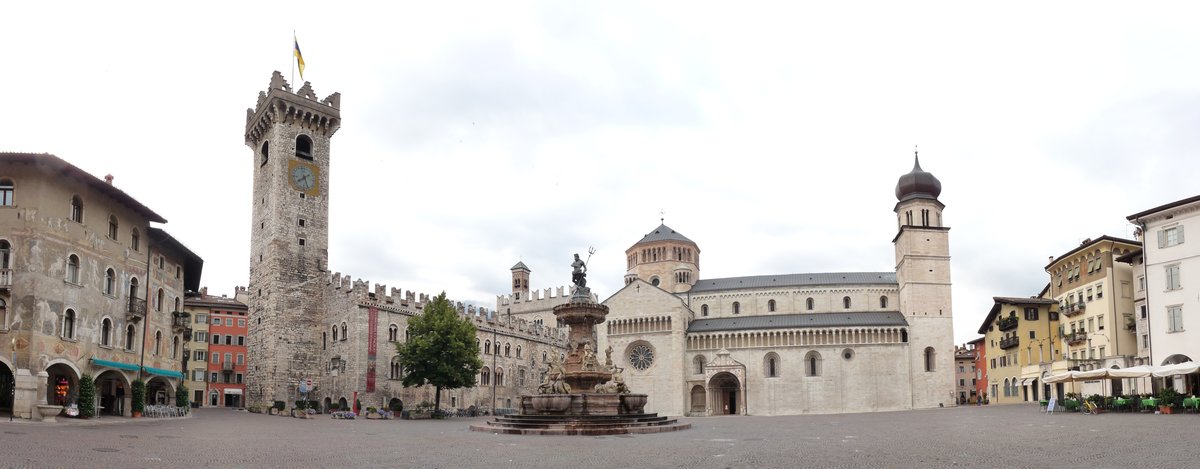 Arriving at Piazza del Duomo is like stepping into the beating heart of Trento. It's not just a square; it's the city's focal point, the place where everything seems to converge. The first thing that strikes you is the view of the Duomo di San Vigilio, with its Romanesque facade of pink and white marble gleaming in the sun. It's impressive to think that right here, between 1545 and 1563, the Council of Trent took place—an event that shaped the history of the Catholic Church. Sometimes I stop to admire the details of the main portal, with sculptures that seem to tell ancient stories.
The square has an irregular, almost trapezoidal shape, giving it a unique character. It's not a perfectly geometric space, but that's precisely what makes it feel more authentic. At its center stands the Fontana del Nettuno, a city symbol affectionately called 'Il Gigante' by locals. The bronze statue dominates the basin, and in summer, it's a delight to see it surrounded by people chatting or resting in the shade. On the sides, historic buildings like Palazzo Pretorio and Casa Cazuffi create an elegant frame, with their frescoed facades looking as if they were painted just yesterday.
What I love about this square is how it's always alive. In the morning, there are markets with stalls of fruit and local products; in the afternoon, families with children running around the fountain; in the evening, the atmosphere becomes more tranquil, perfect for an aperitivo at one of the cafés with outdoor tables. Sometimes I sit on a bench and observe the Torre Civica towering beside the Duomo: if you're lucky, you can hear the tolling of the bells marking the passage of time. It's a place where history isn't just a memory but something you breathe in the air, among the stones and the voices of the people.
Neptune Fountain
- Piazza del Duomo, Trento (TN)
- Open in Google Maps
- View on Google Images
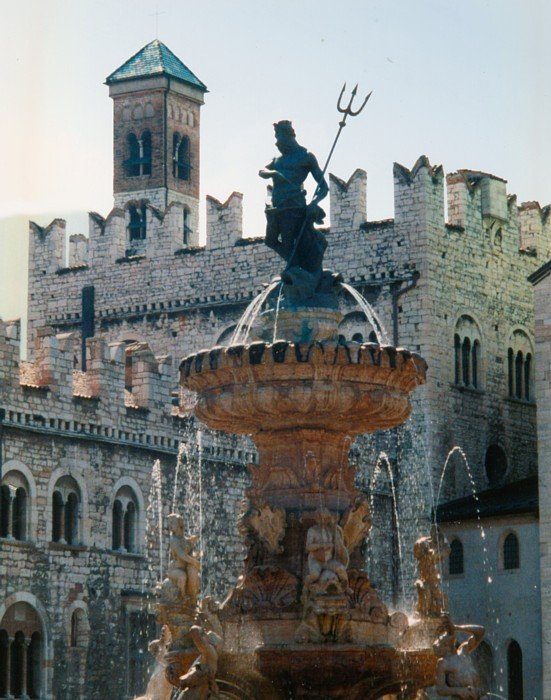 At the center of Piazza del Duomo, the Neptune Fountain cannot be missed. It is a meeting point, a symbol, and for many also an excellent point of orientation. The white Carrara marble statue depicts the sea god with his trident, tall and imposing on a base decorated with dolphins and shells. It was created in the 18th century by sculptor Francesco Antonio Giongo, commissioned by the prince-bishop of Trento. What struck me is how, despite its majesty, the fountain seems to integrate perfectly with the atmosphere of the square, without overwhelming it. The water flows with a constant murmur, a relaxing sound that blends with the voices of tourists and the comings and goings of locals. In the evening, when the lights come on, the statue takes on an almost magical aura. People often sit around the basin for a break, perhaps with an ice cream in hand, watching life go by. It is interesting to note that the fountain is not only decorative: for centuries it provided drinking water to the city, and even today the details of the basin tell of this practical function. The bas-reliefs, somewhat worn by time, show mythological scenes related to water. Personally, I find it to be one of those monuments that tells a double story: the artistic one of 18th-century Trentino and the everyday one of a living city. Sometimes I wonder if today's passersby ever stop to look at those details, or if the fountain has become just a background for photos. In any case, it is impossible to visit Trento without crossing Neptune's gaze.
Civic Tower
- Piazza del Duomo, Trento (TN)
- Open in Google Maps
- View on Google Images
 If you're looking for a privileged vantage point over Trento's historic center, the Civic Tower is the perfect spot. It's not just a monument, but a true symbol of the city, towering over Piazza del Duomo with its 46 meters of height. Built in the 13th century as a watchtower and bell tower, it has witnessed centuries of transformations—imagine, it once even housed the city's prisons. Today, climbing its 156 steps (yes, I counted them!) rewards you with a breathtaking 360-degree view: on one side, you can admire the Cathedral of San Vigilio with its Gothic spires, and on the other, the mountains embracing Trento, like Monte Bondone. The tower is still active, with its 16th-century astronomical clock marking the hours and bells that ring during ceremonies. I visited in the early afternoon, when the light turns the stones golden and the atmosphere is peaceful—avoid peak hours if you want to enjoy it without the crowds. Inside, you'll notice the marks of time on the wooden stairs and walls, but that's precisely what makes it authentic. A tip? Bring a camera: the view over the Adige Valley is unmissable, especially at sunset, when the rooftops of the center turn golden. For history enthusiasts, you can breathe in the medieval essence of Trento here, far from modern chaos. A practical note: access requires a ticket, but it often includes entry to the nearby Palazzo Pretorio, so it's worth stopping by there too. If you're worried about steep stairs, know that the climb is challenging but short, and once at the top, you'll quickly forget the effort.
Palazzo Pretorio
- Piazza del Duomo 18, Trento (TN)
- http://museodiocesanotridentino.it
- Open in Google Maps
- View on Google Images
- +39 0461 234419
 If Piazza del Duomo is Trento's elegant drawing room, Palazzo Pretorio is its beating heart. This building of white and red stone, with its facade decorated with Renaissance frescoes, is not just a beautiful palace: for centuries it was the center of episcopal power, where justice was administered and the city was governed. Today it houses the Museo Diocesano Tridentino, a collection that will leave you awestruck. Upon entering, you are immediately welcomed by the Capitello Hall, with its coffered ceiling and the coats of arms of the prince-bishops – a true open-air history lesson. But the highlight, in my opinion, is the collection of Flemish tapestries from the sixteenth century: fabrics so rich in detail they seem like paintings, with biblical scenes that tell stories of incredible refinement. Then there are the illuminated manuscripts, wooden sculptures, sacred vestments... sometimes I wonder how they managed to preserve everything so well. Don't miss the section dedicated to the Council of Trent: here you'll find documents, portraits, and objects that make you relive that crucial era for the Church. The palace itself is a museum: climb the stairs and look around, the frescoes on the walls accompany you like a journey through time. One thing I love is the view of the square from the windows: it feels like spying on the life of yesterday and today at the same time. Practical advice: the combined ticket with the Duomo is always worth it, and if you visit in the morning you'll find fewer crowds. Pay attention to the opening hours, as it sometimes closes for events – better to check the website. Personally, I spent almost two hours there without realizing it: every room hides a detail that deserves a pause. This isn't the usual dusty museum; here you breathe the history of Trento in every corner.
Church of Santa Maria Maggiore
- Piazza Santa Maria Maggiore, Trento (TN)
- Open in Google Maps
- View on Google Images
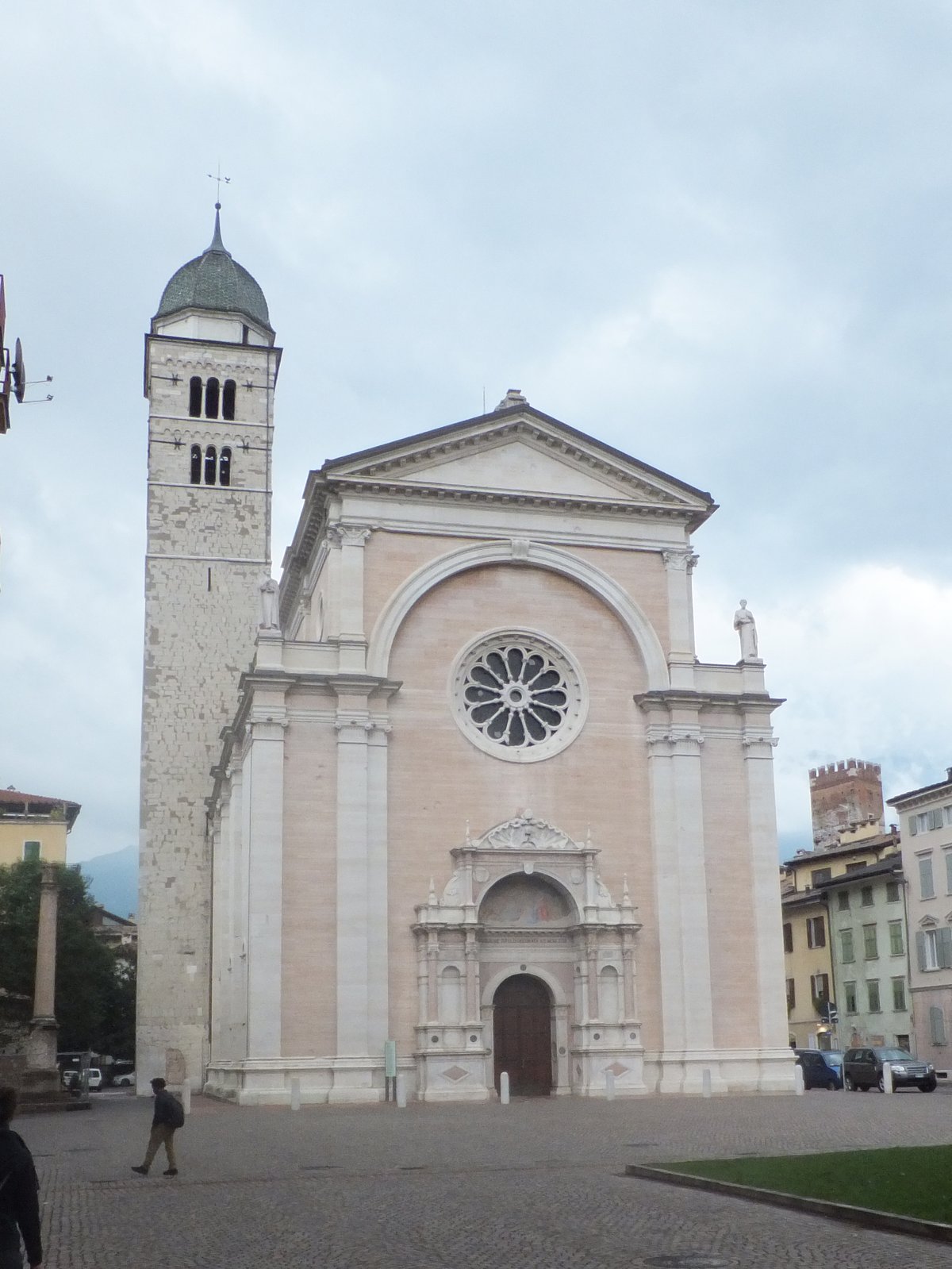 If you're looking for a quiet corner in Trento's historic center, the Church of Santa Maria Maggiore is an unmissable stop. It's not the cathedral, but in my opinion, it has a more intimate and cozy charm. Built in the 16th century, it's a splendid example of Renaissance architecture in the city, with that white stone facade that seems to almost glow in the sun. Upon entering, you're struck by the brightness: the large side windows flood the interior with light, highlighting the frescoes and decorations. I like to linger on the baroque stuccoes on the ceiling, which add a touch of movement and richness to an otherwise very sober environment. Don't miss the ancient organ, still functional, and the carved wooden choir stalls – details that tell centuries of religious and artistic life. The church has an important historical role: some sessions of the Council of Trent were held here, although today the atmosphere is more one of contemplation than of epochal events. It's a perfect place for a reflective break, away from the crowds of Piazza Duomo. Sometimes I wonder what it would have been like to attend those meetings, within these very walls. I recommend checking the opening hours, as it's not always accessible all day, but it's worth planning a visit. If you're lucky, you might even hear an organ rehearsal – an experience that makes everything even more evocative.
Palazzo delle Albere
- Via Roberto da Sanseverino, Trento (TN)
- Open in Google Maps
- View on Google Images
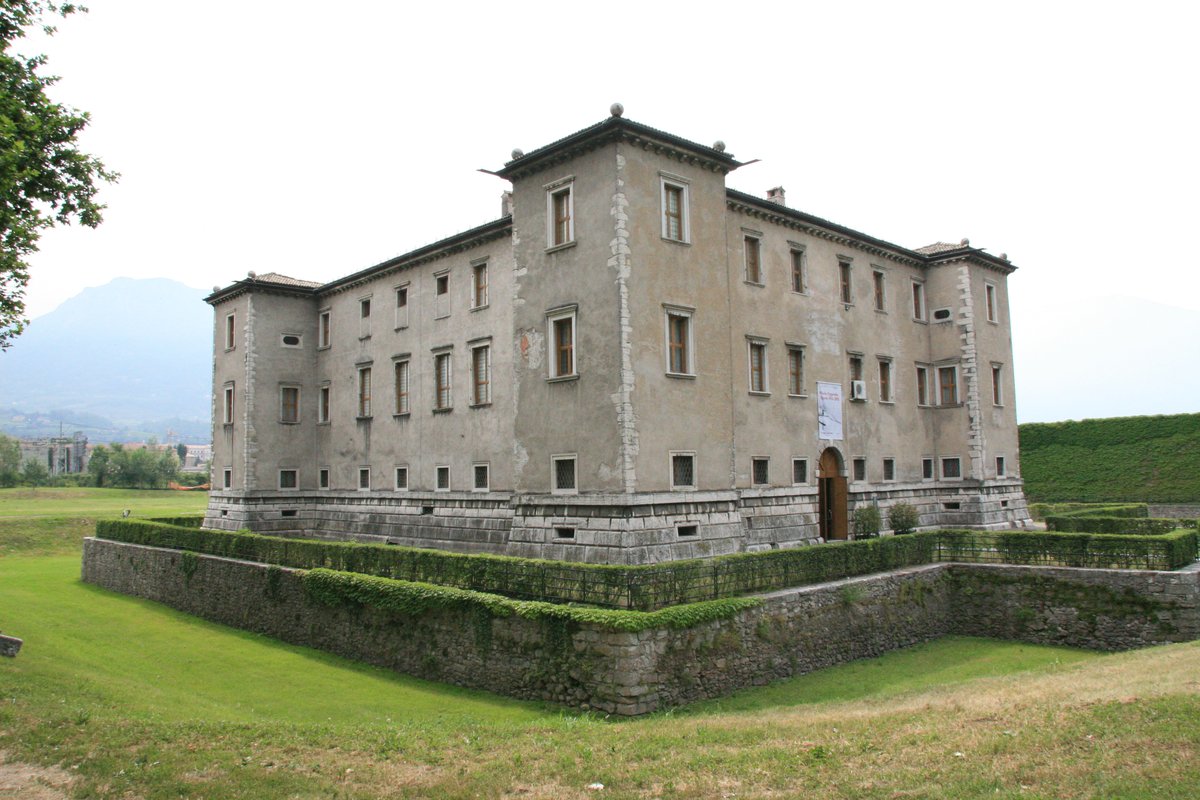 If you're looking for a peaceful spot just steps from the city center, Palazzo delle Albere is your ideal stop. This 16th-century Renaissance palace, commissioned by the Madruzzo family, immediately impresses with its squared architecture and warm-toned frescoed façades that stand out against the surrounding park's greenery. It's not just a photogenic viewpoint: today it houses a branch of MUSE, Trento's science museum, with temporary exhibitions often dedicated to contemporary art or natural themes. The building has lived many lives – from noble residence to barracks – and you can sense that layered historical atmosphere, even though the interiors have been modernized for exhibitions. Personally, I love the contrast between the ancient structure and the modern installations that sometimes find space here. The surrounding park is perfect for a break: there are benches under centuries-old trees, and in summer you might come across small events or outdoor readings. Note: opening hours may vary depending on current exhibitions, so always check before visiting. Inside, the spaces are spacious and bright, with vaulted ceilings that recall the palace's noble past. Don't expect fixed permanent collections, but rather a dynamic program revolving around local cultural projects. If you're passionate about art or simply want to discover a less-trodden place compared to Castello del Buonconsiglio, it's truly worth a visit. I've returned several times and each time found something different – sometimes a minimal exhibition that dialogues with the ancient walls, other times family workshops. A tip: dedicate some time to the park too, especially if you're traveling with children or seeking a moment of relaxation away from the crowds.
Sas Underground Archaeological Space
- Piazza Cesare Battisti, Trento (TN)
- https://www.cultura.trentino.it/Luoghi/Tutti-i-luoghi-della-cultura/Musei-e-collezioni/Spazio-Archeologico-Sotterraneo-del-Sas
- Open in Google Maps
- View on Google Images
- +39 0461 230171
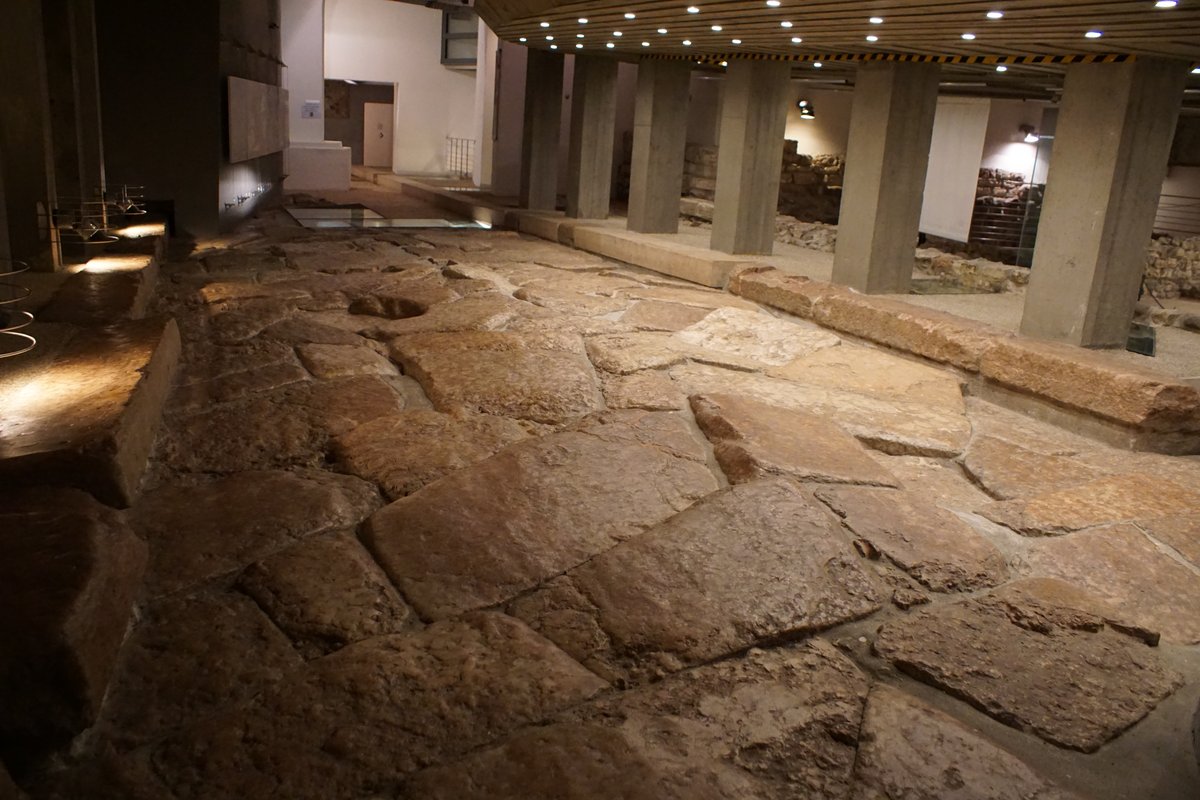 If you think you've seen everything in Trento, prepare to go below street level. The Sas Underground Archaeological Space is one of those discoveries that completely redefines a city for you. It's located right beneath Piazza Cesare Battisti, in an area that was once the Sas neighborhood, and the entrance is almost hidden—you have to look for it next to the Teatro Sociale. Don't expect a traditional museum: here you enter an active excavation site, where wooden walkways take you close to ancient walls and floors from different eras. The feeling is strange, almost like intruding into a layer of history we normally don't see. The artifacts range from Roman times to the Middle Ages, with remains of a Roman domus, a paved road, and later residential structures. What's striking is the stratification: you clearly see how a city built itself on the ruins of another, century after century. The explanations are essential, but the captions and panels guide you without being overwhelming. Personally, I found the Roman water system fascinating—channels and conduits that demonstrate highly advanced engineering for the time. Note: the space isn't huge, but it's dense with details. I recommend taking your time to observe the particulars, like tool marks on stones or fragments of pottery still embedded in the ground. It's an experience that makes you feel more like an archaeologist than a tourist, and in my opinion, that's its real strength. Perfect for a one-hour visit, perhaps on a rainy day or to break up the pace of above-ground monuments. Always check opening hours online, as they can vary depending on ongoing research activities.
The Galleries
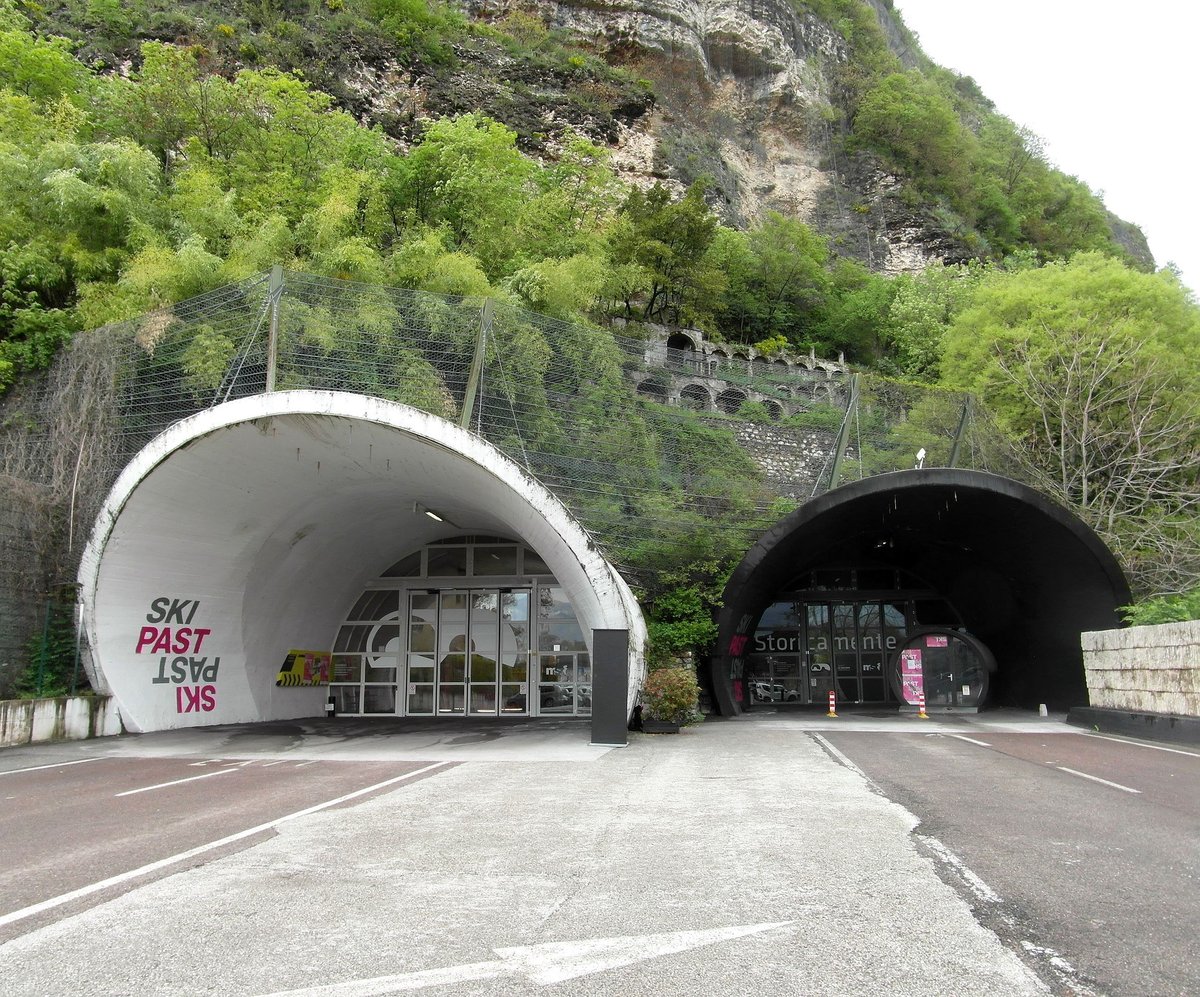 If you think Trento is just castles and mountains, prepare to change your mind. The Galleries is one of those places that strikes you with how it transforms an abandoned industrial space into a vibrant cultural center. Located on Via Roberto da Sanseverino, right in the heart of the city, it's hard to miss the imposing red brick structure that once housed railway workshops. Entering here is like taking a leap back in time, but with a touch of modernity that surprised me. The atmosphere is a blend of history and creativity, with that typical smell of old buildings mixing with the scent of wood and paper. The temporary exhibitions are always interesting, often linked to the history of Trentino or contemporary social themes, and I found them curated with an attention to detail I didn't expect. There's something authentic about this place, perhaps because it's not the usual sterile museum, but a space that breathes. I particularly liked how the original arches and vaults have been preserved, creating a play of light and shadow that makes every corner photogenic. If you're a photography enthusiast, you'll find endless inspiration here. Admission is free, making it an unmissable stop even for those traveling on a limited budget. Personally, I appreciated the chance to explore at my own pace, occasionally sitting on one of the wooden benches to observe the architectural details. Sometimes, the simplest places leave the deepest mark.
Torre Aquila
- Via Cardinale Bernardo Clesio, Trento (TN)
- Open in Google Maps
- View on Google Images
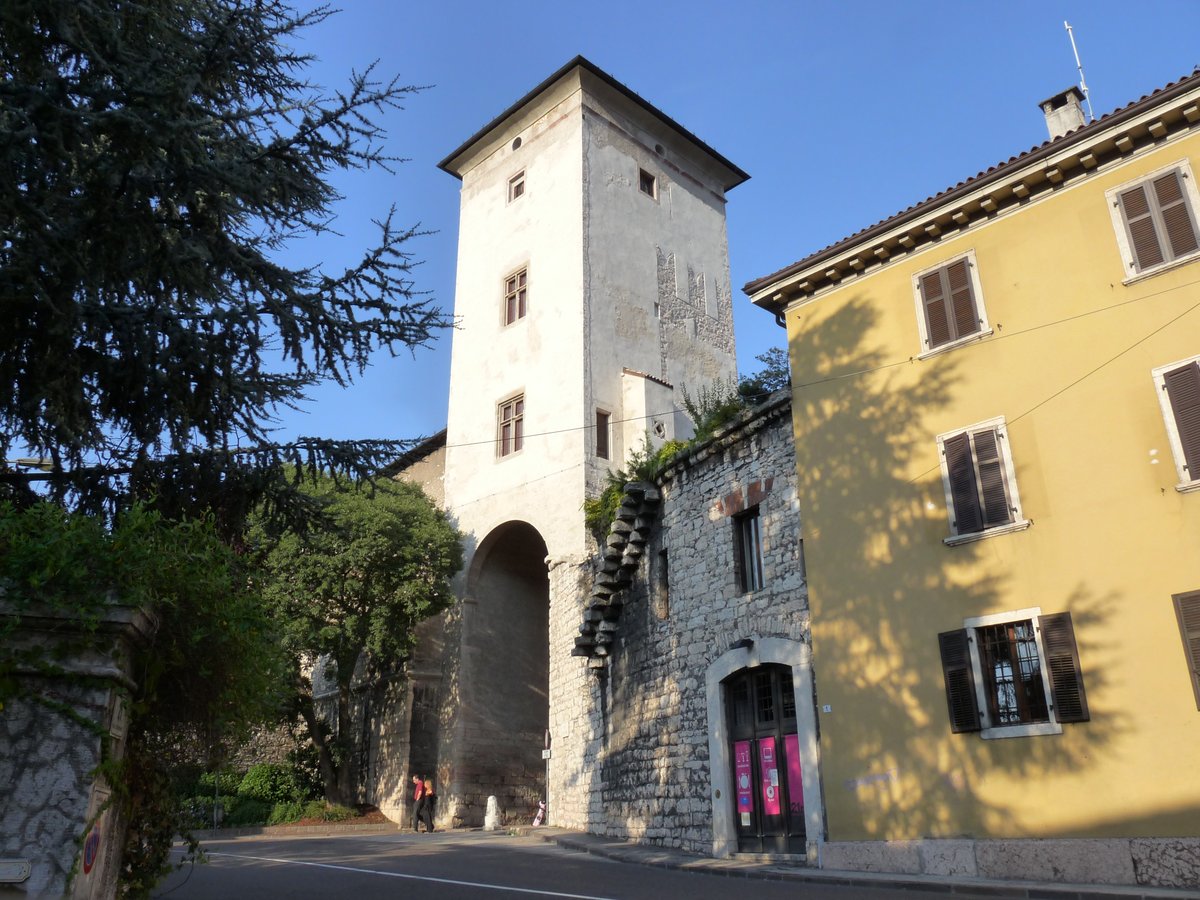 If you're looking for a corner of Trento that truly immerses you in its history, Torre Aquila is the place. It's not just a tower, but a small treasure trove hidden in the heart of the historic center, right behind the Buonconsiglio Castle. What makes it special? The Cycle of the Months, a series of 15th-century frescoes considered among the most important examples of International Gothic art in Italy. Stepping inside feels like traveling back in time: the walls are covered with scenes of medieval daily life, featuring farmers at work, nobles hunting, and court festivities, all depicted with incredibly vivid detail. Each month has its own representation, and observing them up close is an experience that helps you understand what life was like here centuries ago. The tower itself has an intimate, almost cozy atmosphere; climbing its narrow stone steps is part of the charm, though it might not be ideal if you're claustrophobic. Personally, I was struck by how these frescoes, despite the centuries, retain surprisingly bright colors, especially in the blues and reds. It's a spot that often escapes the more crowded tourist circuits, so you can enjoy it at your own pace, perhaps combining the visit with the castle. Remember that access is included in the Buonconsiglio ticket, but always check the opening hours as there are sometimes temporary closures for restoration work. If you love art or simply want to discover an authentic side of Trento, don't miss it: it's one of those gems that makes a trip here unique.
Diocesan Museum of Trento
- Piazza del Duomo 18, Trento (TN)
- https://www.museodiocesanotridentino.it/
- Open in Google Maps
- View on Google Images
- +39 0461234419
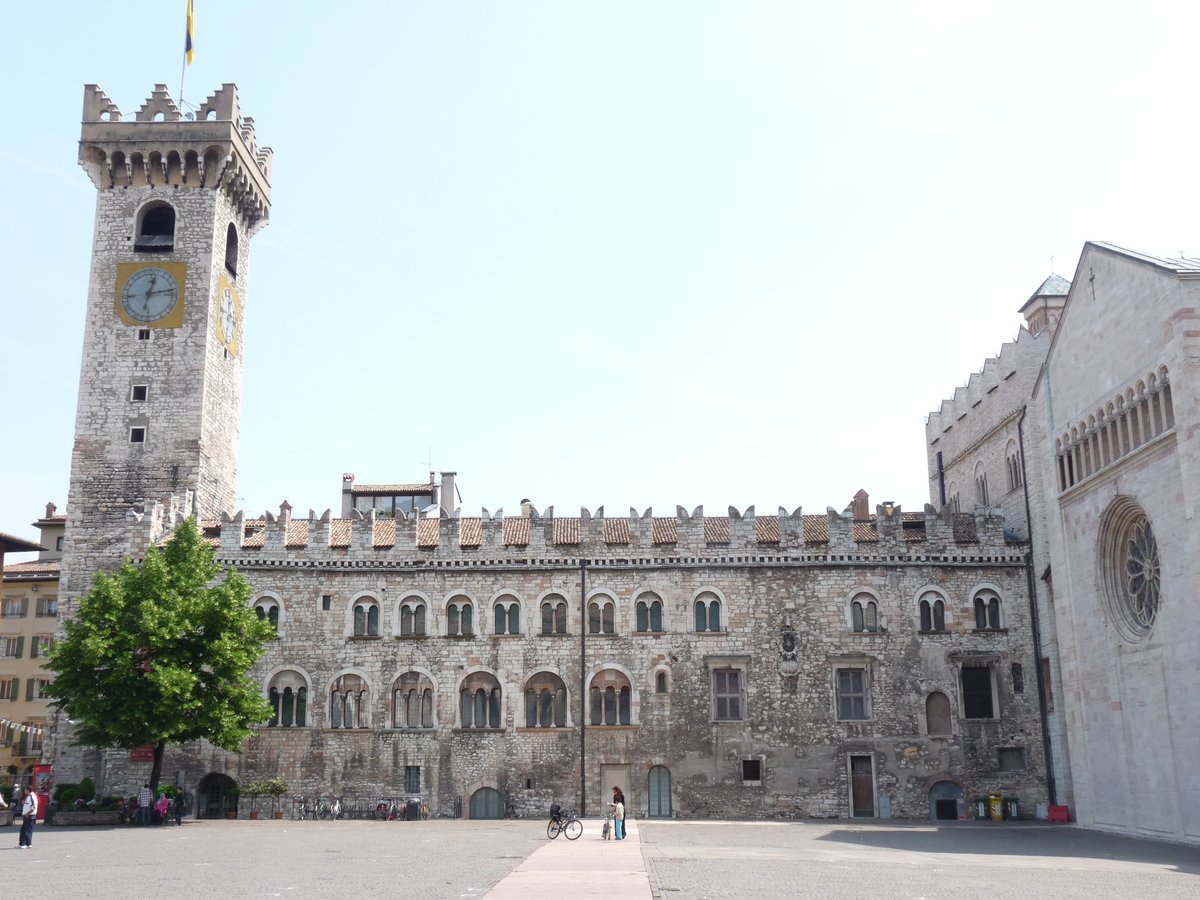 If you think diocesan museums are dusty places, the Diocesan Museum of Trento will change your mind. Located right next to the Cathedral at Piazza Duomo 18, this space is a concentration of beauty that tells centuries of faith and art in Trentino. Its location in the Palazzo Pretorio, the ancient residence of the prince-bishops, already tells you that you're not entering just any place. The first thing that strikes you? The collection of medieval wooden sculptures, with those Madonnas whose faces are sweet yet intense, seeming to truly look at you. Then there are the sacred vestments, exquisite embroideries that shine under the lights, and the illuminated manuscripts where every page is a masterpiece of patience. Personally, I adore the section dedicated to sacred goldsmithing: chalices, reliquaries, processional crosses that speak of extraordinary craftsmanship. They're not cold pieces in a display case, but objects that have lived, used in the celebrations of the neighboring cathedral. Sometimes I wonder who created them, what hands crafted them. The exhibition is modern, clear, without too many frills, and the labels give you essential information without being boring. A hidden gem often overlooked is the lapidary, with its ancient engraved stones that speak of a Roman and medieval Trento. You can spend an hour, an hour and a half at a leisurely pace, leaving with the feeling of having seen something authentic, not just any exhibition. Perfect for a cultural break after exploring the historic center, perhaps before a coffee in the square.
Vanga Tower
- Via della Prepositura, Trento (TN)
- Open in Google Maps
- View on Google Images
 If you're looking for a different perspective on Trento's historic center, Vanga Tower is a surprising stop. It's not just a medieval tower: it's a piece of history that makes you feel almost out of time. Built in the 13th century, it was part of the city's defensive walls, and its name comes from the Vanga family, who owned it for a period. Today, after careful restoration, it's open to the public and offers a spectacular view. Climbing its narrow stone steps – be careful, they're a bit steep – you reach a small terrace overlooking the Adige River and the Piedicastello district. From there, the panorama embraces Doss Trento, the surrounding mountains, and the rooftops of the center. It's not a huge tower, but it has an authentic charm, without too many frills. I like to think that once upon a time, the city's access points were controlled from here; today, instead, it's a quiet corner where you can stop and observe. Inside, there are informative panels telling its story and that of Trento's fortifications, but in my opinion, the real value lies in the atmosphere. If you pass by here, perhaps on a sunny afternoon, you'll see how the light changes on the ancient bricks. A tip: check the opening hours before going, because it's not always accessible. And bring your camera – the view of the river is worth the climb.
Ponte Alto Gorge
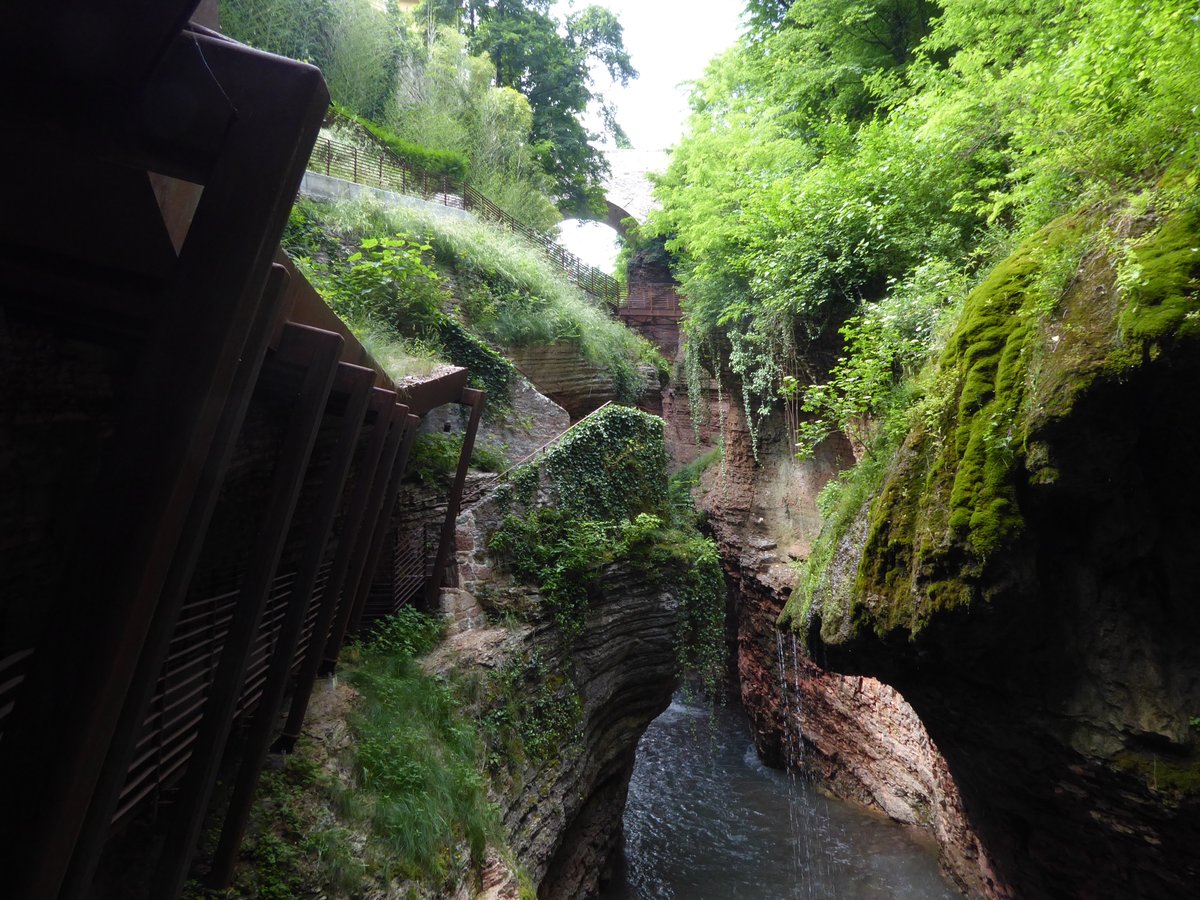 If you think Trento is just Renaissance palaces and elegant squares, get ready for a surprise. The Ponte Alto Gorge is a spectacular urban canyon, a fissure in the rock that the Fersina stream has carved over millennia, just a stone's throw from the historic center. It's one of those places that makes you say: 'Are we really in the city?'. The visit starts from a suspended bridge that takes you directly over the gorge, and from there the spectacle is guaranteed: rock walls up to 40 meters high, dizzying drops, and the constant sound of water flowing below. The incredible thing is that this place has an ancient history: as early as the 16th century, the prince-bishops of Trento built a series of sluices and hydraulic works here to control the Fersina's floods and protect the city. Today those historical structures are still visible, making the experience a perfect mix of nature and human ingenuity. Be careful, though: the path is equipped with walkways and stairs but requires some attention, especially if you suffer from vertigo. I still remember the thrill of looking down and seeing the water foaming between the rocks – an almost hypnotic scene. I recommend visiting in the morning when the light filters better into the gorge and accentuates the rock colors. And don't forget a jacket: even in summer, it's always pleasantly cool down here. A heartfelt tip: book in advance, because access is regulated and groups are limited to preserve the site. It's worth every minute of waiting.