
🧭 What to Expect
- Ideal for a cultural weekend with an intimate atmosphere and without the crowds of more popular destinations.
- Highlights: 4 km of Renaissance walls walkable or bikeable, Guinigi Tower with ancient holm oaks at the top, Amphitheater Square elliptical in shape on Roman ruins.
- Art and history at San Martino Cathedral with the Holy Face, San Frediano Basilica with golden mosaic, Teatro del Giglio among Italy's oldest.
- Unique experiences: Lucca Comics & Games in autumn, baroque garden of Palazzo Pfanner, Botanical Garden founded in 1820.
Events nearby



The City of Lucca is a jewel of Tuscany that welcomes you with its perfectly preserved Renaissance walls, a 4-kilometer ring that you can walk or cycle along to admire the city from above. As soon as you pass through one of the historic gates, you find yourself in a historic center where time seems to have stood still: cobbled streets, intimate squares, and noble palaces guide you to iconic places like the Guinigi Tower with its centuries-old holm oaks at the top and the elliptical Amphitheater Square, built on the ruins of an ancient Roman amphitheater. Don't miss the Cathedral of San Martino, which houses the Holy Face, a wooden crucifix venerated for centuries, and the Teatro del Giglio, one of Italy's oldest theaters. If you visit Lucca in autumn, you might come across Lucca Comics & Games, one of Europe's largest comic festivals, which enlivens the city with a unique atmosphere. For a break, take a stroll along the walls: it's the best way to understand why Lucca is so special.
Overview
- Lucca's Walls: Walking Through History
- Torre Guinigi: The Hanging Garden in Lucca's Sky
- Piazza Anfiteatro
- St. Martin's Cathedral
- Teatro del Giglio
- Basilica of San Frediano
- San Michele in Foro: The Church That Looks Like a Castle
- National Museum of Villa Guinigi
- Ducal Palace
- National Museum of Palazzo Mansi
- Piazza Napoleone
- Palazzo Pfanner: A Baroque Oasis in the Heart of Lucca
- Lucca Botanical Garden
- Nottolini Aqueduct
Itineraries nearby
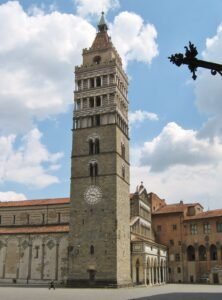
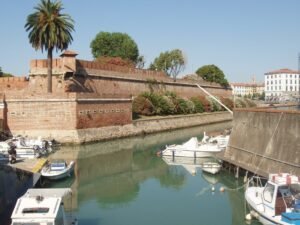

Lucca's Walls: Walking Through History
- Go to the page: Lucca's Walls: 4 km Panoramic Walk on Intact Renaissance Fortifications
- Via della Mura Urbane, Lucca (LU)
- Open in Google Maps
- View on Google Images
 The Walls of Lucca are not just a defensive perimeter; they are the beating heart of the city, a living space that the people of Lucca have transformed into a unique urban park in Italy. Built between the 16th and 17th centuries, these bastioned walls have remained intact for over 4 kilometers, never having been used for military purposes. Today, walking atop them is an unmissable experience. The sensation is both strange and beautiful: you find yourself about 12 meters high, protected by thick brick and earth bastions, while below you stretches the medieval fabric of the city. The walk is completely flat and tree-lined, with centuries-old horse chestnuts providing cool shade in the summer. You move among eleven bastions, each with a name and a history – from the San Salvatore Bastion to the Santa Croce one – and six monumental gates, like Porta San Pietro, the main entrance. The view spans the rooftops of tower-houses, Romanesque churches, and, on clear days, the Apuan Alps. It's not uncommon to encounter people jogging, families cycling, or simply tourists stopping to watch the sunset. Personally, I love walking them early in the morning when the air is fresh and the low light caresses the stones. Sometimes I wonder what life must have been like here centuries ago, with sentries on guard. Today, however, it's a place of peace and sharing. A tip? Climb the Guinigi Tower to see the walls from above: from its 44-meter height, with the holm oaks at its summit, you truly understand the perfect geometry of this green ring embracing Lucca.
Torre Guinigi: The Hanging Garden in Lucca's Sky
- Via Sant'Andrea, Lucca (LU)
- Open in Google Maps
- View on Google Images
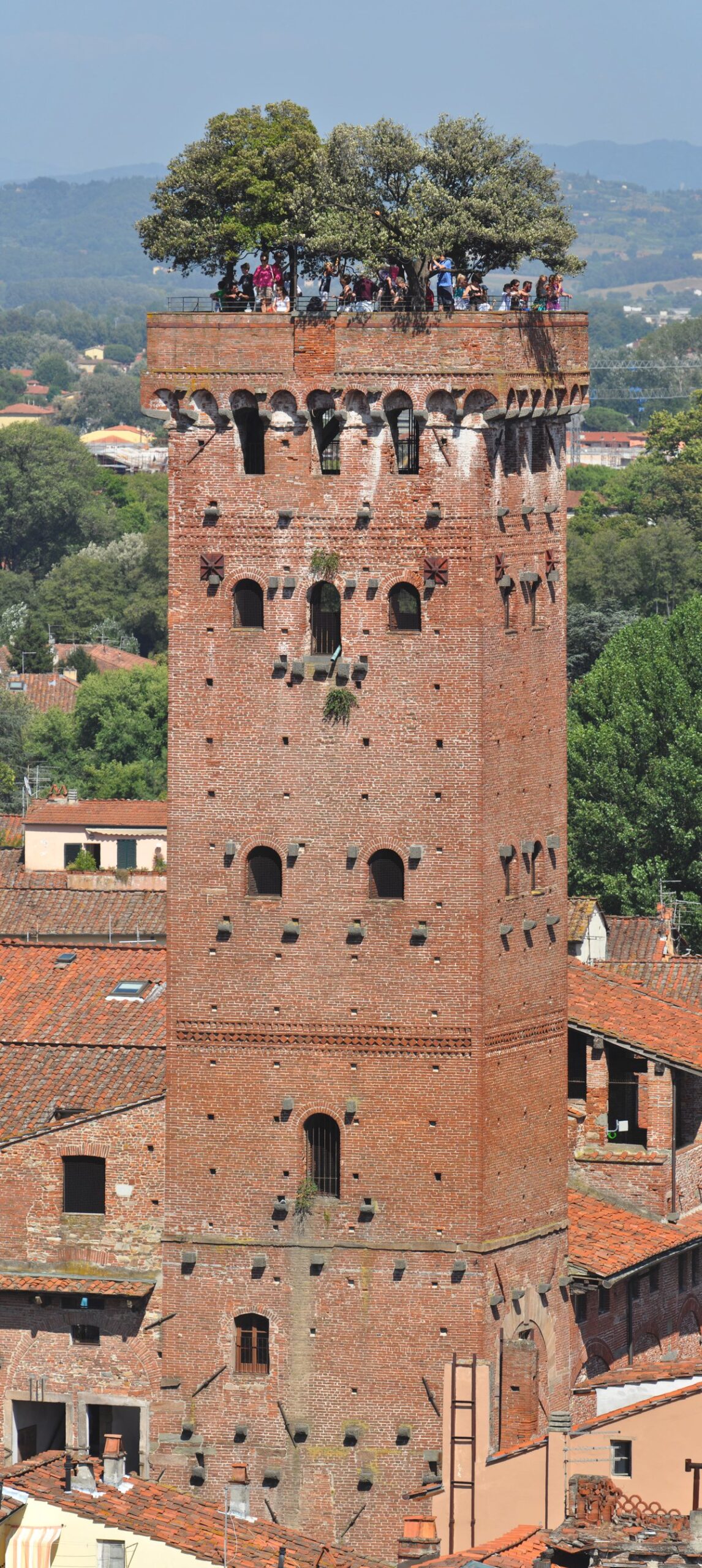 If you think medieval towers are just grey stone structures, Torre Guinigi will change your mind. This 14th-century tower, built by the powerful Guinigi family, is the only one in the world to feature a hanging garden with centuries-old trees at its summit. Yes, you read that right: after climbing its 230 steps (be prepared, they're a bit steep!), you reach 44 meters high and find seven holm oaks planted in large earthen basins. This isn't just a decorative detail: these trees, traditionally symbolizing rebirth and prosperity, have had roots penetrating the structure for centuries. The view from up there is breathtaking: you can see all of Lucca enclosed within its walls, with red rooftops, other towers, and the Tuscan hills on the horizon. Unlike other towers, here you don't just get a panorama, but an almost surreal experience: you feel suspended between history and nature, with the wind rustling the holm oak leaves and the scent of damp earth. Personally, I was struck by how the trees have been cared for over centuries – imagine, the roots are periodically checked to avoid damaging the tower. A tip? Go at sunset: the warm light makes everything magical, and the crowds are smaller than in the morning. Note: the tower is narrow, so if you suffer from claustrophobia, consider carefully, but in my opinion it's worth it. The ticket costs just a few euros and often includes access to the nearby Palazzo Guinigi, where you can delve deeper into the family's history. It's not just a tower; it's a symbol of Lucca that withstands time, literally green and alive.
Piazza Anfiteatro
- Go to the page: Piazza Anfiteatro Lucca: Perfect Oval on Ancient Roman Arena with Colorful Houses
- Piazza Anfiteatro, Lucca (LU)
- Open in Google Maps
- View on Google Images
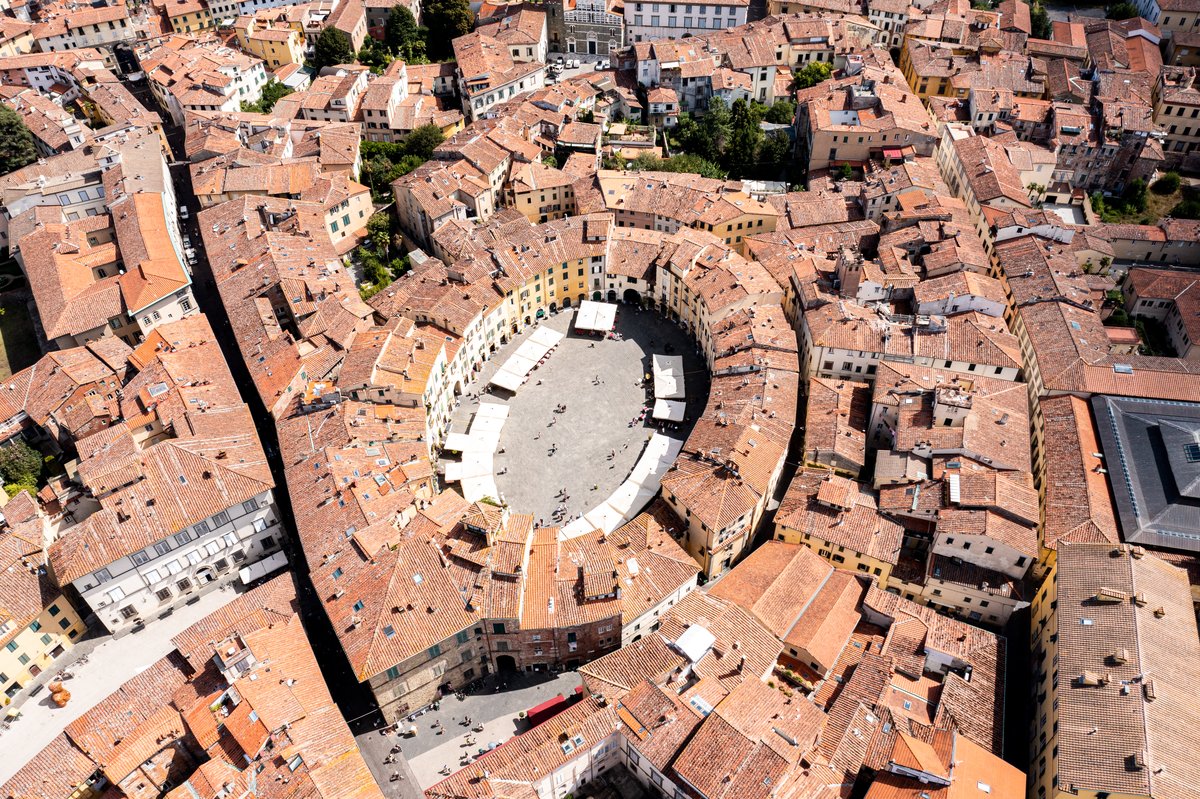 Entering Piazza Anfiteatro is like stepping back in time, but without feeling like you're in a museum. The perfect oval shape immediately reveals its Roman origins: a 1st-century AD amphitheater once stood here, later dismantled in the Middle Ages to reuse its construction materials. What you see today is the result of that repurposing, with houses following the ancient perimeter to create an almost magical circle. I like to think that every brick has a story to tell, perhaps of gladiators or spectators from two thousand years ago. Today, the square is a lively living room, filled with small cafes, artisan shops, and stalls selling local specialties. It's not uncommon to smell freshly brewed coffee or warm focaccia, especially in the morning. Note: the main access is through four low, dark gateways that almost feel like alleyways. Passing under them gives the impression of entering a secret place, sheltered from the city's chaos. Inside, the atmosphere is cozy and intimate, despite the spacious shape. The red brick pavement and absence of car traffic make it an island of peace, perfect for a break. I enjoy sitting on a bench and watching life go by: tourists taking photos, locals chatting, children running around. There's something authentic here, perhaps because it's not just a postcard but a place that locals genuinely frequent. Sometimes I wonder if the residents of the houses overlooking the square have grown accustomed to this bustle or if they still marvel at its beauty. A fun fact: looking closely at the facades, you'll notice different heights and styles, signs of various construction periods. It's not all uniform, and I think that's precisely what makes it special.
St. Martin's Cathedral
- Go to the page: St. Martin's Cathedral in Lucca: The Holy Face and Masterpieces by Jacopo della Quercia
- Piazza Antelminelli, Lucca (LU)
- https://www.museocattedralelucca.it
- Open in Google Maps
- View on Google Images
- info@museocattedralelucca.it
- +39 0583 490530
 If you're looking for the spiritual heart of Lucca, you can't skip St. Martin's Cathedral. It stands in a spacious square, somewhat hidden among the alleyways, and its Romanesque facade immediately strikes you: asymmetrical and rich in detail, with those stacked loggias and bas-reliefs that tell medieval stories. Upon entering, the atmosphere is solemn yet welcoming, with light filtering through the windows and illuminating the naves. The highlight is the Tempietto del Volto Santo, a Renaissance chapel that houses the wooden crucifix venerated for centuries – a relic that the people of Lucca truly hold dear. Then, as you wander, you come across surprising works: Tintoretto's Last Supper, with its intense colors, and the tomb of Ilaria del Carretto by Jacopo della Quercia, a marble masterpiece that almost seems to breathe. What struck me was how every corner tells a different story, from the Romanesque pulpit to the side chapels filled with paintings. A tip? Take your time to observe the details, like the carved capitals or the mosaics on the floor – they're small wonders that often go unnoticed. And if you can, climb the bell tower: the view over Lucca's walls and rooftops is priceless, even if the staircase is a bit narrow (it's worth it, trust me).
Teatro del Giglio
- Go to the page: Teatro del Giglio Lucca: Historic Theater with 19th-Century Stage Machinery and Perfect Acoustics
- Piazza del Giglio, Lucca (LU)
- Open in Google Maps
- View on Google Images
 When you think of Lucca, the walls, towers, and Romanesque churches come to mind. But there's a place that often takes a backseat, yet deserves all the attention: the Teatro del Giglio. It's not just a theater; it's a living piece of the city's history, captivating audiences since 1675. You'll find it in Piazza del Giglio, right behind Palazzo Ducale, in a location that itself speaks of its connection to Lucca's power and culture. The neoclassical facade, understated and elegant, doesn't fully prepare you for what's inside: a horseshoe-shaped interior with three tiers of gilded wooden boxes, a frescoed ceiling, and an atmosphere that transports you back in time. It's one of Italy's oldest theaters still in operation, and you can feel it: every time you enter, you breathe in centuries of performances, premieres, and applause. Today, the Giglio is Lucca's main theater, with a rich season of opera, drama, concerts, and ballet. If you're lucky, you might catch a production by the Fondazione Teatro del Giglio, which is based here. But even if you can't see a show, it's worth taking a tour during guided visits (usually available at certain times—best to check in advance). They'll share curious anecdotes, like how the theater was rebuilt after a fire in the 19th century, or that composers like Puccini, who is at home in Lucca, performed here. Personally, I like to imagine that illustrious figures, Lucchese nobles, and passing artists once sat in those red velvet seats. It's a place that hasn't lost its soul; it hasn't become a static museum. In fact, I sometimes wonder if the ghosts of actors from the past still wander behind the scenes, pleased to see the curtain continue to rise. A tip? Check the schedule before you go: attending a performance here is an experience that perfectly complements a visit to Lucca, adding a piece of living culture to its historical heritage.
Basilica of San Frediano
- Go to the page: Basilica of San Frediano Lucca: Byzantine Mosaic and Romanesque Baptismal Font
- Piazza del Collegio, Lucca (LU)
- https://www.sanfredianolucca.com/
- Open in Google Maps
- View on Google Images
 If you think Lucca is just walls and towers, prepare to change your mind. The Basilica of San Frediano is one of those places that strikes you as soon as you turn the corner: the Romanesque facade, simple and solid, hides an unexpected treasure. What immediately catches the eye is the large golden mosaic above the entrance, an ascending Christ surrounded by angels that seems to capture the afternoon light. It's rare to find 12th-century mosaics so well preserved on church facades in Tuscany, and this makes San Frediano unique. Upon entering, the atmosphere changes: the interior is dark, cool, almost damp, with reclaimed Roman columns supporting the naves. There's a palpable silence, broken only by the footsteps of visitors on the stone floor. Don't miss the Fonte Lustrale, an ancient 12th-century baptismal font decorated with scenes from the life of Moses – the details are so meticulous that you can lose yourself in them for minutes. Then there's the chapel of Saint Zita, the patron saint of domestic workers: her case contains the mummified body, and seeing the fresh flowers left by devotees adds a touch of daily devotion that is moving. Personally, I was struck by the contrast between the majesty of the external mosaic and the intimacy of the internal spaces. Pay attention to the hours: the basilica sometimes closes for services, so check beforehand. And if you can, visit the crypt where the relics of San Frediano are kept – a secluded corner that few notice, but which holds centuries of Luccan history.
San Michele in Foro: The Church That Looks Like a Castle
- Go to the page: San Michele in Foro: Romanesque loggia facade and gilded statues in Lucca
- Piazza San Michele, Lucca (LU)
- Open in Google Maps
- View on Google Images
 Arriving at Piazza San Michele is a sight you won't easily forget. The Basilica of San Michele in Foro dominates the space with a facade of white and green stripes that looks almost like marble lace. What immediately strikes you is the architecture: it seems like a church, but there's something fairy-tale-like about it, as if it stepped out of a storybook. The square itself was once the Roman forum, and walking around it makes you feel the weight of history under your feet. Inside, the interior is more subdued compared to the exterior explosion, but no less interesting. Look for the Madonna and Child by Filippino Lippi in the sacristy – a small masterpiece often overlooked by hurried tourist flows. Personally, I lost myself observing the details of the column capitals, each with different decorations, almost like signatures of medieval artisans. A fun fact? The statue of the Archangel Michael atop the facade shines in the sun because it's covered in gilded copper, and when the light hits it, it almost seems alive. If you pass by at sunset, the play of light on the stone is magical – though I must admit that photos sometimes don't do justice to that atmosphere. A practical tip: check the opening hours, as it's not always accessible all day, and if you want to avoid the crowds, try the early morning hours. For me, San Michele is one of those places that tells the story of Lucca all by itself, without needing too many words.
National Museum of Villa Guinigi
- Go to the page: National Museum of Villa Guinigi: Medieval Wooden Sculptures and Detached Frescoes in Lucca
- Via della Quarquonia 4, Lucca (LU)
- https://www.polomusealetoscana.beniculturali.it/index.php?it/181/lucca-museo-nazionale-di-villa-guinigi
- Open in Google Maps
- View on Google Images
- drm-tos.museilucchesi@beniculturali.it
- +39 0583 496033
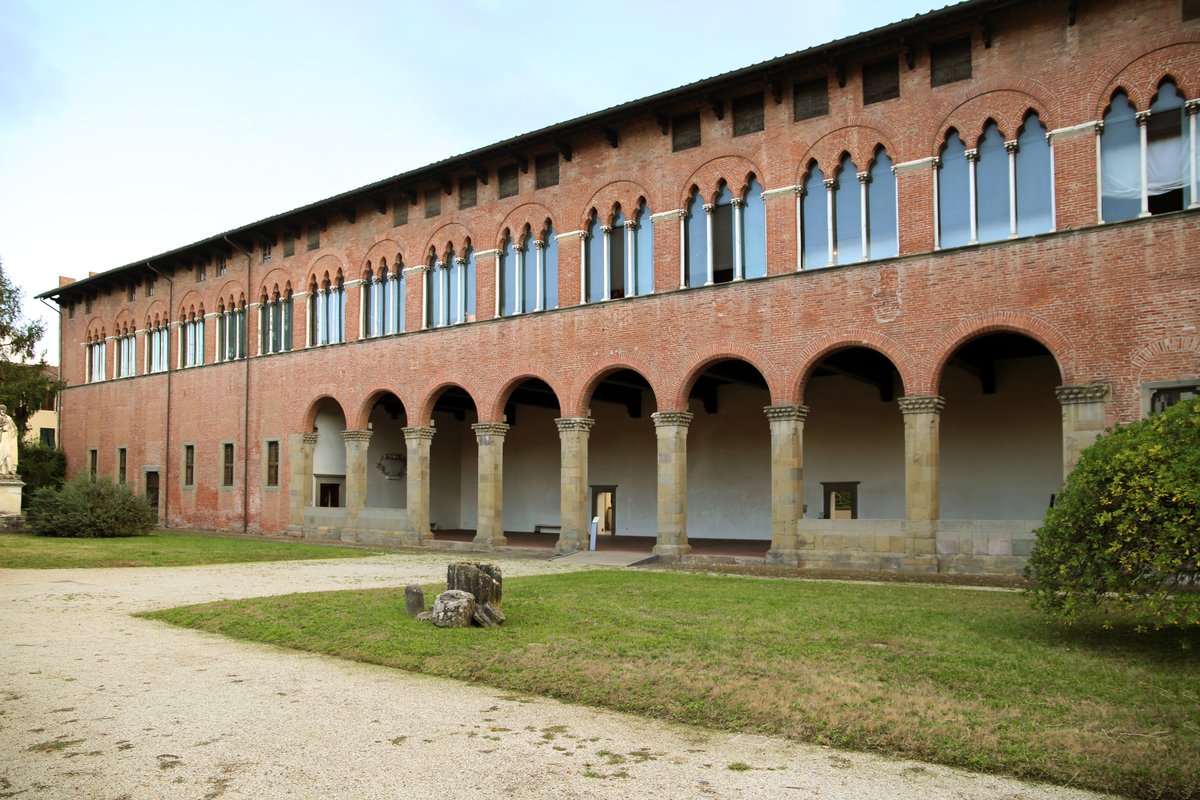 If you think Lucca is only about walls and towers, the National Museum of Villa Guinigi will make you think again. This place is a true treasure trove, housed in a fifteenth-century villa that's worth a visit in its own right. The villa was built by Paolo Guinigi, lord of Lucca in the 15th century, and walking through its rooms gives you the feeling of stepping into a historic home that's still alive. It's not your typical dusty museum: here the atmosphere is intimate, almost homely, and the collections are arranged to tell the city's story in an engaging way. The exhibition covers a time span from the Etruscan and Roman era up to the 18th century, with a section dedicated to the Middle Ages that I personally find fascinating. Among the highlights are archaeological finds discovered in the area, such as cinerary urns and mosaics, but also paintings and sculptures by Lucchese artists. I was particularly struck by the room of detached frescoes, where you can admire works from the city's churches and palaces, saved from decay. The collection of sacred art is rich and varied, with wooden crucifixes, altarpieces, and liturgical objects that testify to local devotion. There's also a section dedicated to applied arts, with ceramics, textiles, and period furniture that give an idea of daily life in the past. The villa is surrounded by a peaceful garden, perfect for a break after the visit. Note: the museum isn't huge, but it's dense with content, so take your time to savor the details. Some might find the setup a bit dated, but in my opinion this adds charm, making the experience more authentic. I recommend visiting it to get a complete view of Lucca's artistic history, beyond the more famous attractions.
Ducal Palace
- Piazza Napoleone, Lucca (LU)
- Open in Google Maps
- View on Google Images
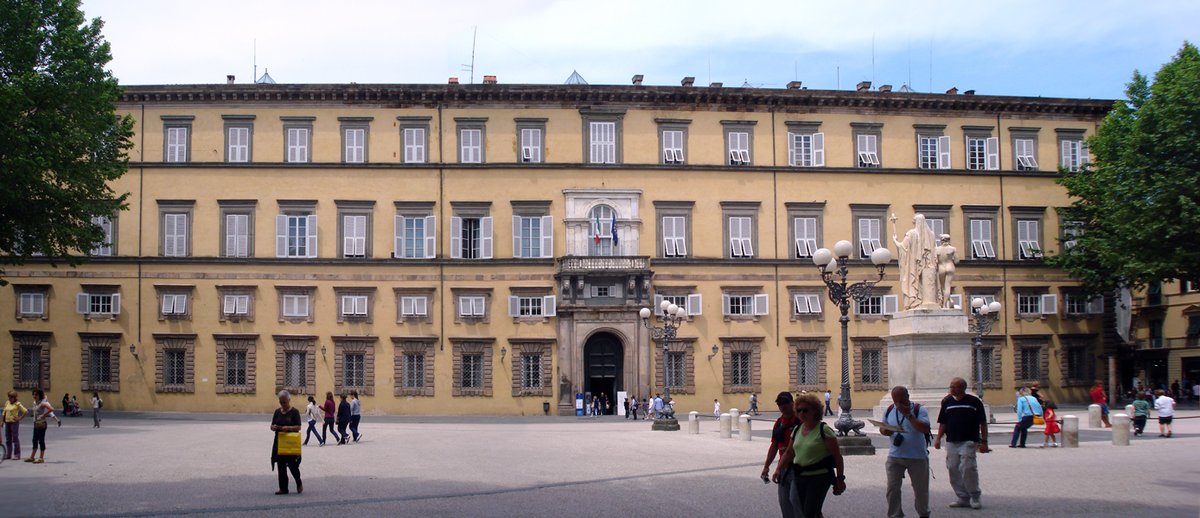 When you think of Lucca, the city walls, towers, and Romanesque churches come to mind. But there is a place that tells another story, one of power and politics: Ducal Palace. It's not the most striking palace in the city; in fact, at first glance, it might almost go unnoticed compared to the nearby Torre Guinigi or San Michele in Foro. Yet, stepping through its doorway means entering the heart of the Lucca that was the capital of a small independent state for centuries. The building we see today is a collection of different structures, the result of additions and modifications spanning from the Middle Ages to the 19th century. The main façade on Piazza Napoleone is imposing, neoclassical, commissioned by Elisa Baciocchi, Napoleon's sister, when she governed the city. But the most interesting side, in my opinion, is the one facing Via Vittorio Veneto, older and more irregular. Inside, don't expect a traditional museum. Ducal Palace now houses provincial and prefectural offices, but some parts are open to visitors. The best part? The frescoes. Rooms like the Staffieri Hall or the Throne Room preserve 17th- and 18th-century painting cycles that give you a sense of the court's opulence. The high ceilings, monumental fireplaces, Venetian terrazzo floors: every detail speaks of representation. Another gem are the internal gardens, an oasis of tranquility little known even to locals. Tucked between the palace wings, with centuries-old trees and geometric flowerbeds, they are the perfect spot for a break away from the crowds. Sometimes I wonder if it's worth visiting a palace that is still partly an institutional building. The answer is yes, especially if you're more interested in history than iconic monuments. Here, you can breathe in the atmosphere of when Lucca was a republic, then a duchy, and its rulers decided the city's fate within these walls. It's not a stop to overlook.
National Museum of Palazzo Mansi
- Via Galli Tassi 43, Lucca (LU)
- https://www.polomusealetoscana.beniculturali.it/index.php?it/182/lucca-museo-di-palazzo-mansi
- Open in Google Maps
- View on Google Images
- drm-tos.museopalazzomansi@beniculturali.it
- +39 0583 55570
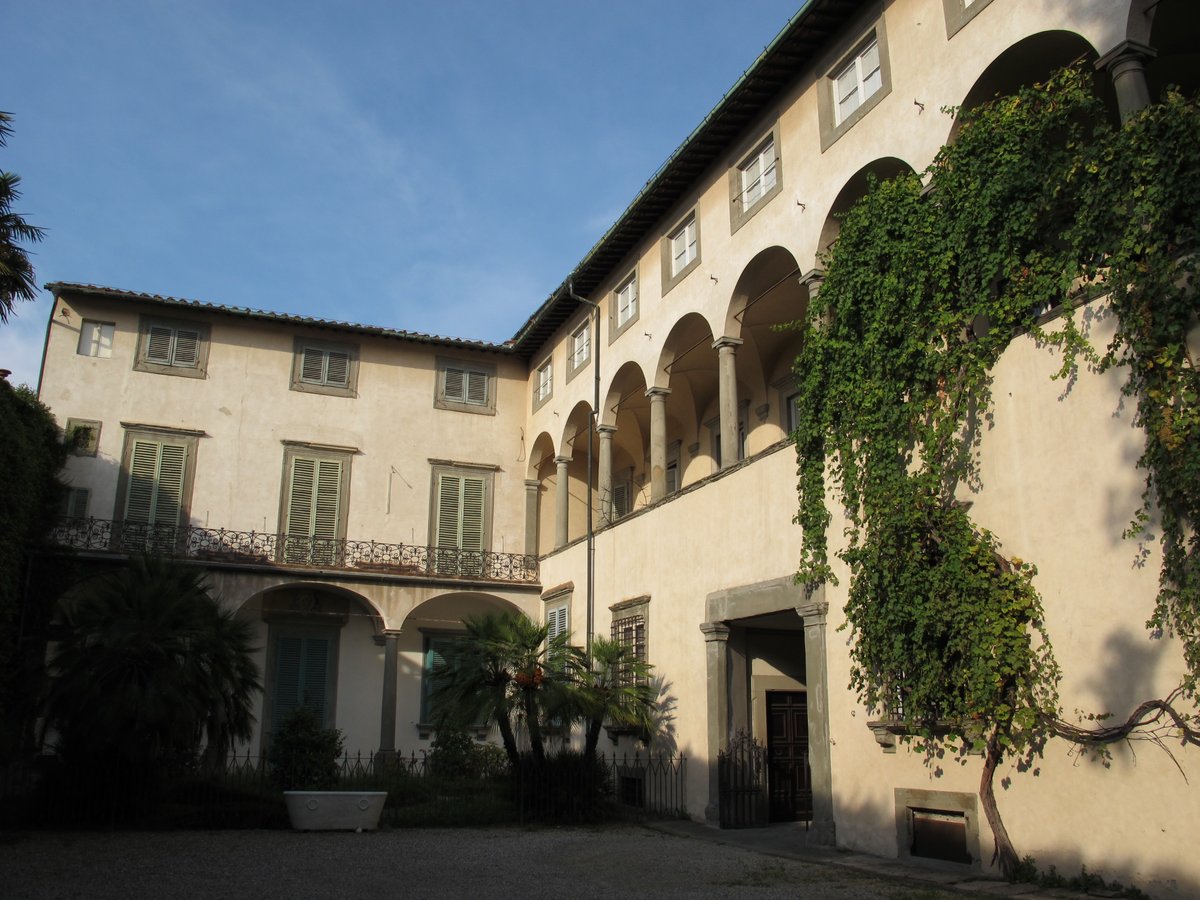 If you think Lucca is just walls and towers, Palazzo Mansi will change your mind. This national museum, housed in a 17th-century palace on Via Galli Tassi, is a concentration of opulence that tells how Lucca's aristocracy lived between the 18th and 19th centuries. Upon entering, the first thing that strikes you is the monumental staircase with allegorical frescoes – you immediately feel catapulted into another era. The rooms are furnished with original furniture, crystal chandeliers, and above all, 16th-century Flemish tapestries that leave you in awe of the details. The matrimonial bedroom, with its canopy bed and silk-covered walls, is perhaps the most iconic setting: it feels as if the owners have just stepped out. The picture gallery on the first floor is another surprise, with works by Tuscan artists like Pontormo and Bronzino, but also by Tintoretto. Personally, I find the real magic lies in the small details: Venetian mirrors, marble fireplaces, frescoed ceilings with mythological scenes. It's a museum you can visit in about an hour, enough to not get tired but sufficient to immerse yourself completely. Note: opening hours may vary, so it's better to check in advance. If you love art and history, this is a must in Lucca, often less crowded than other sites but equally rich in charm.
Piazza Napoleone
- Piazza Napoleone, Lucca (LU)
- Open in Google Maps
- View on Google Images
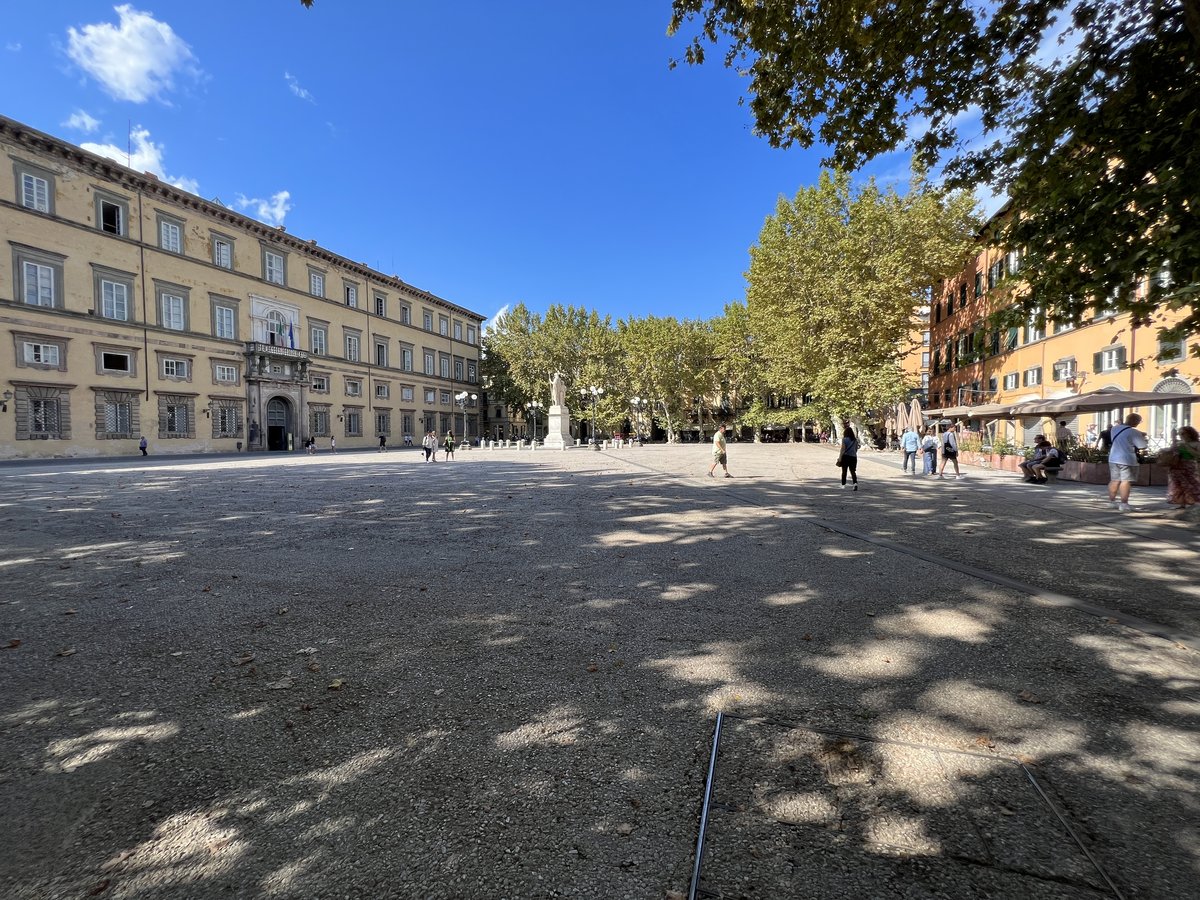 Piazza Napoleone is the beating heart of Lucca, a large open space that immediately strikes you with its unusual spaciousness compared to other corners of the city. Also known as Piazza Grande by the locals, it was created at the behest of Elisa Baciocchi, Napoleon's sister, who in the early 19th century had an entire medieval quarter demolished to create a square worthy of power. Today it is a meeting place, where people sit on benches in the shade of centuries-old plane trees, children run around, and in summer it often hosts concerts or events. The Ducal Palace dominates one side with its neoclassical facade: once Elisa's residence, it now houses provincial offices and is not always open to visitors inside, but its imposing exterior is worth admiring. In the center, the statue of Maria Luisa of Bourbon commemorates another sovereign who left her mark. What makes this square special is the contrast: on one hand, the historical grandeur; on the other, the relaxed, everyday atmosphere. It is not an open-air museum but a lived-in place. Personally, I enjoy observing how the locals use it: some read the newspaper, some take a coffee break at the nearby bar, some simply stroll. Note: on market days (Wednesday and Saturday mornings), it fills with stalls, transforming into a bustling hub of colors and voices. If you're looking for a quiet corner, it might be better to come in the afternoon or on weekdays. The view of the Walls from here is limited, but the sense of space is liberating after the narrow alleys of the center. A curious detail: the plane trees were planted in the 19th century and now form a green canopy that provides precious shade in summer. It may not be the most photographed square in Lucca, but in my opinion, it captures the city's modern soul, suspended between past and present.
Palazzo Pfanner: A Baroque Oasis in the Heart of Lucca
- Via degli Asili, Lucca (LU)
- http://www.palazzopfanner.it/
- Open in Google Maps
- View on Google Images
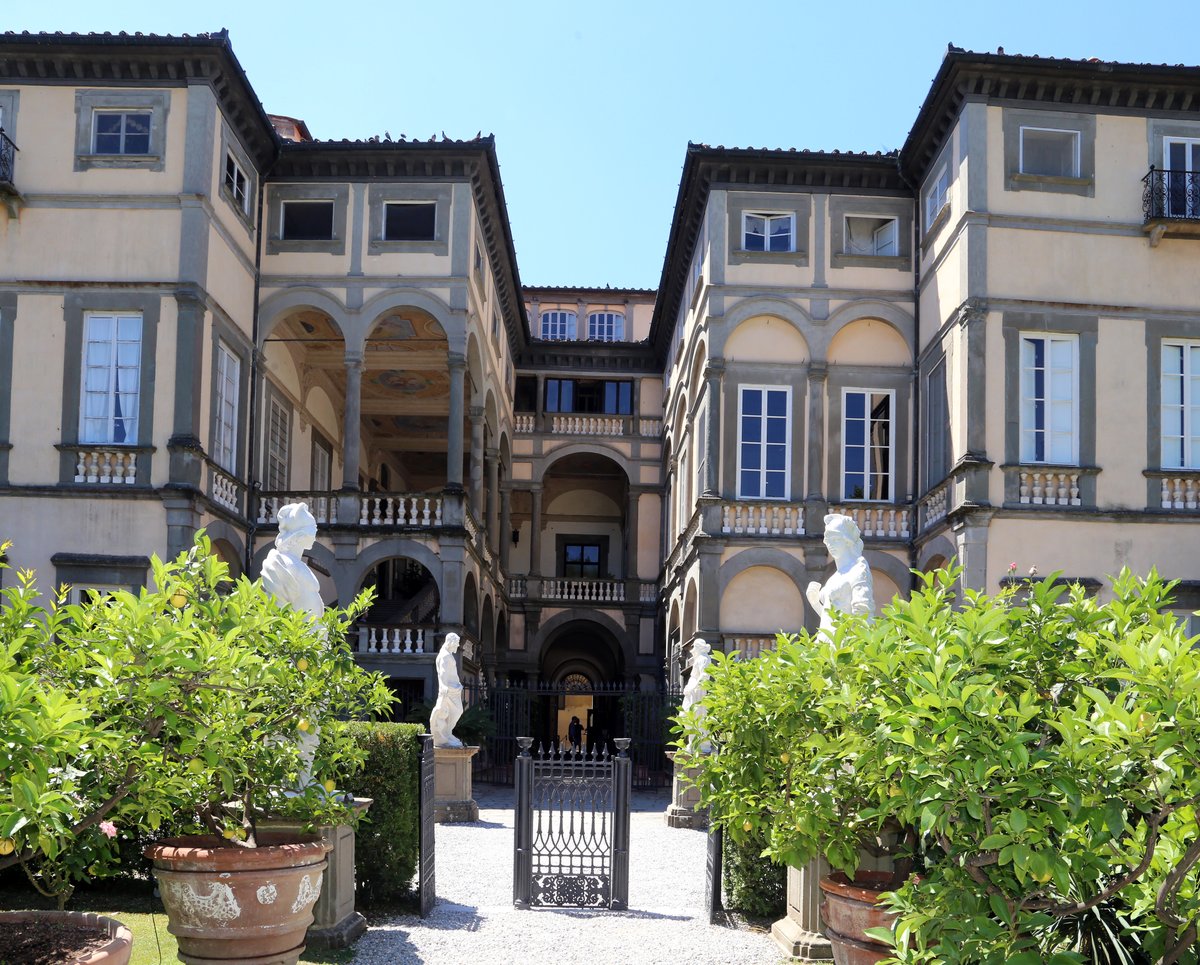 If you think Lucca is just walls and towers, Palazzo Pfanner will make you think again. This 17th-century noble palace, hidden among the narrow streets of the historic center, is a true surprise. The first thing that strikes you is the formal Italian garden, a perfect rectangle of greenery bordered by boxwood hedges and adorned with mythological stone statues. It's a peaceful corner where time seems to stand still, away from the tourist bustle. Entering the palace, you can still feel the atmosphere of a stately home: frescoed ceilings, period furniture, monumental staircases. But the peculiarity of Palazzo Pfanner is its history linked to beer. Yes, you read that right: in the 18th century, the Pfanner family, originally from Austria, established a beer factory here, one of the first in Italy. Today, on the ground floor, you can still see the ancient distillery rooms, with barrels and tools from that era. Personally, I was struck by the contrast between the baroque elegance of the rooms and this somewhat unusual "industrial" imprint. The palace is largely visitable, including the private apartments on the first floor, where you can admire family portraits and original furnishings. A curiosity: the external facade, sober and linear, doesn't hint at the splendor hidden inside. I recommend dedicating at least an hour to the visit, without rushing, to catch the details and enjoy the garden. Note: opening hours may vary depending on the season, so it's better to check before going.
Lucca Botanical Garden
- Via San Micheletto, Lucca (LU)
- https://ortobotanicodilucca.it/
- Open in Google Maps
- View on Google Images
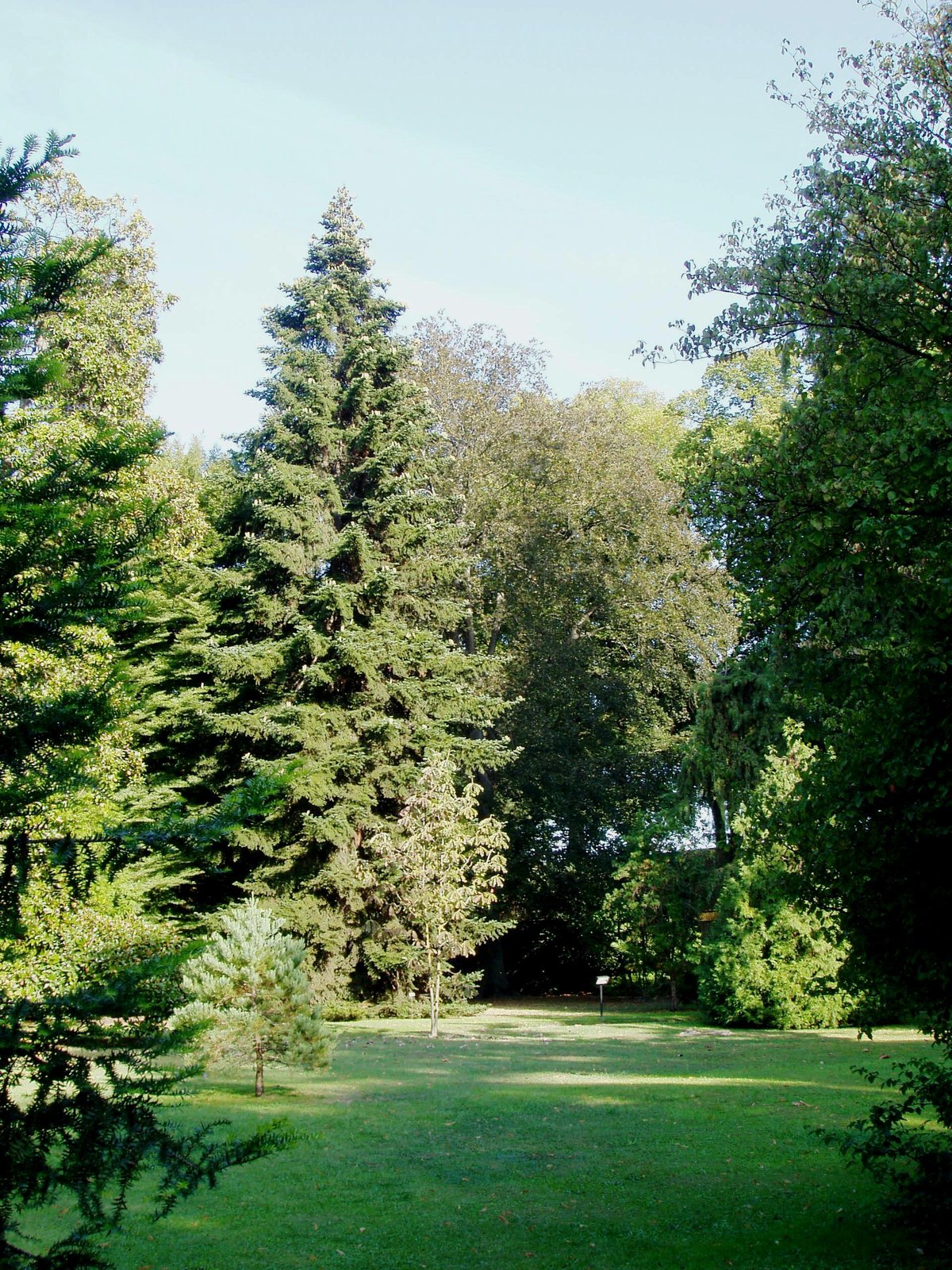 If you think Lucca is just walls and towers, prepare for a pleasant surprise. The Botanical Garden, founded in 1820 by Duchess Maria Luisa of Bourbon, is a tranquil corner that makes you forget you're in the heart of the city. Upon entering, the first thing that strikes you is the silence, broken only by the rustling of leaves and birdsong. It's not just a garden: it's a living laboratory housing over 200 plant species, some rare or exotic, arranged with almost meticulous care. Strolling along the paths, you'll come across a fern collection that seems straight out of a fairy tale, and a pond with water lilies that bloom spectacularly in summer. Personally, I adore the 19th-century greenhouse, a jewel of iron and glass that shelters tropical and succulent plants – in winter, stepping inside is like traveling to another latitude. It's easy to forget that this place has a dual soul: besides being a place of beauty, it's still an active botanical research center. Not everyone knows that medicinal plants are studied here and ancient seeds are preserved, a detail that adds depth to the visit. If you're looking for a break from tourist crowds, this is the perfect spot: bring a book, sit on a bench, and let the scent of aromatic herbs envelop you. However, note: the garden is small and intimate, so don't expect grand spectacles like in a monumental park. Its magic lies precisely in its delicacy, in the details discovered gradually – like the dye plant bed, which tells a piece of Lucca's artisanal history. A tip? Come early in the morning, when the light is soft and you feel like you have it all to yourself.
Nottolini Aqueduct
- Via Sorbano del Vescovo trav. III, Lucca (LU)
- Open in Google Maps
- View on Google Images
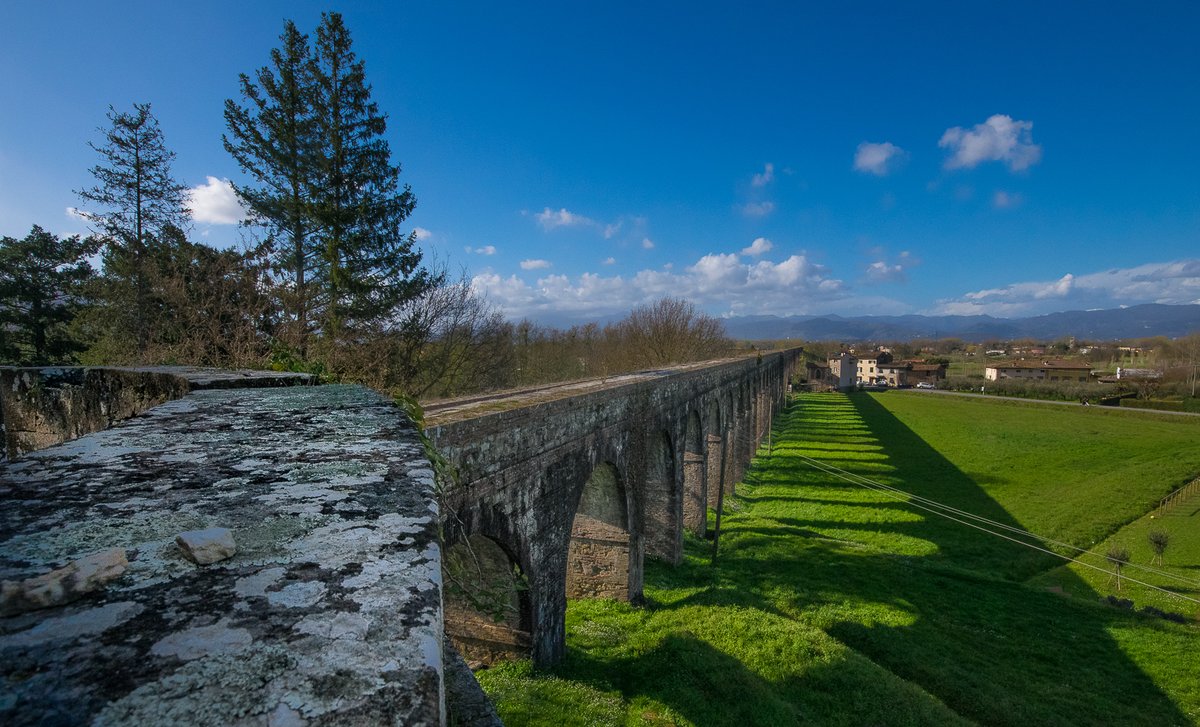 If you think Lucca is only about walls and towers, prepare for a pleasant surprise. Just outside the historic center, along the road to Pisa, stands the Nottolini Aqueduct, an extraordinary work that seems to have emerged from a romantic painting. Built between 1823 and 1851 at the behest of Maria Luisa di Borbone, based on a design by architect Lorenzo Nottolini, it was used to bring water from the Guamo springs to the city. What immediately strikes you is its majestic yet light neoclassical architecture: a succession of over 400 brick and stone arches stretching for about 3 kilometers through the countryside. Walking along the path that runs alongside it is a relaxing experience, far from the tourist crowds. You breathe a different air, almost as if time has stood still. The arches, about twenty meters high, create plays of light and shadow that change with the time of day—especially at sunset, when the view becomes magical. You'll notice that some arches have been restored, while others show signs of aging, but it's precisely this mix that gives the place its character. The aqueduct is still perfectly integrated into the landscape, surrounded by olive groves and cultivated fields. A curious detail: if you look closely at the pillars, you'll see the “wolf mouths”, small openings that were used for draining rainwater. Personally, I find it to be one of those places where you stop almost without meaning to, perhaps sitting on a bench to watch the swallows nesting among the bricks. It's not a monument to visit in a hurry; rather, it invites a slow stroll, perhaps by bicycle, following the path to the evocative Guamo Temples, the two circular buildings that served as reservoirs. If you're passing through Lucca, dedicate an hour to it: it will give you a fresh perspective on the city, made of ingenuity, water, and silence.