Introduction
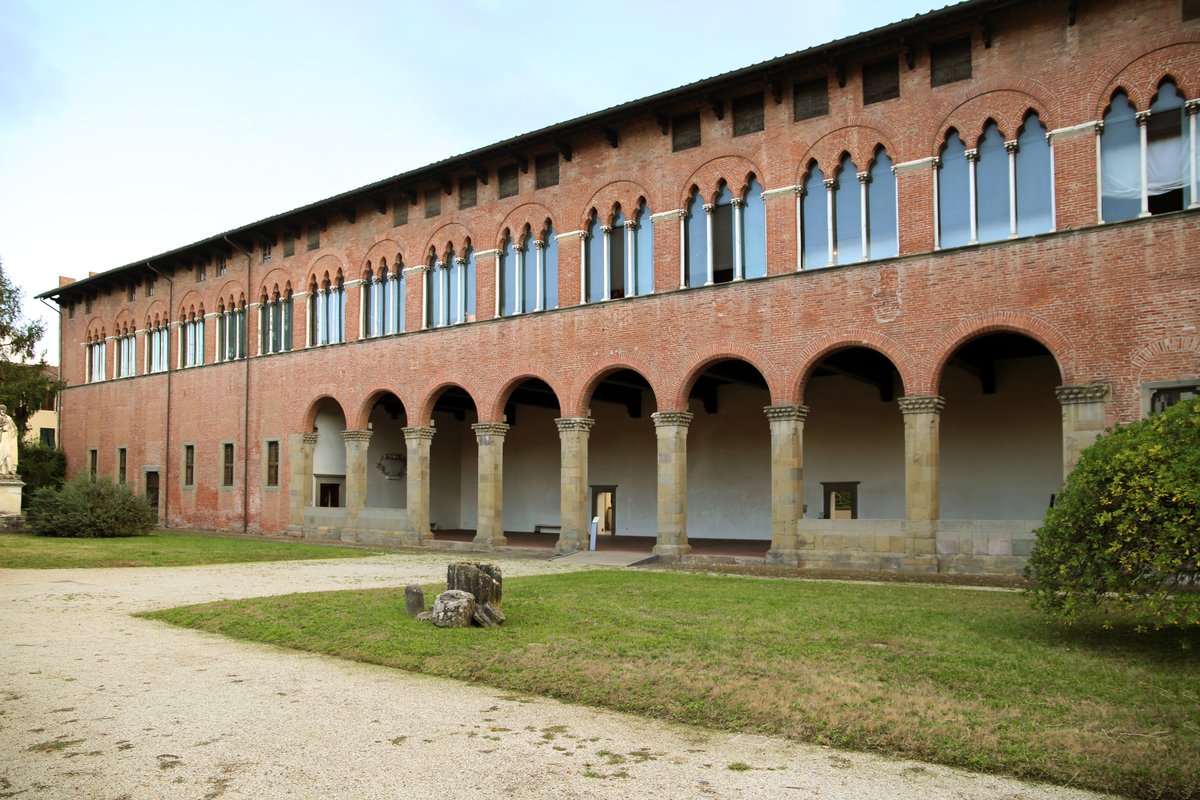
Entering the National Museum of Villa Guinigi is like stepping back in time, but without the dust of old rooms. The villa itself, with its Renaissance portico that welcomes you like an embrace, is already a masterpiece. Inside, you won’t find just paintings hanging on the walls: it’s a journey through Tuscan art that starts from the Middle Ages and goes straight to the Renaissance, with works that almost seem to speak to you. The light filtering through the high windows illuminates wooden sculptures, panel paintings, and detached frescoes, creating an atmosphere that makes you forget you’re in the center of Lucca. Personally, I was struck by how each room tells a different story, without ever becoming boring. It’s one of those museums that doesn’t tire you out; on the contrary, it leaves you wanting to know more.
Historical Overview
The history of Villa Guinigi is closely tied to that of Lucca. It was built in 1418 at the behest of Paolo Guinigi, the city’s ruler, as a countryside residence outside the city walls. After his death, the villa passed through various hands, even serving as a convent, before being acquired by the Italian state in 1924. Today, it houses the national museum, with a collection ranging from Lucchese medieval art to Renaissance masterpieces. An interesting fact: many of the frescoes on display come from local churches and palaces, saved from decay or destruction. The timeline below gives you an idea of key moments:
- 1418: Construction of the villa for Paolo Guinigi
- 1430: Death of Paolo Guinigi and change of purpose
- 1924: Acquisition by the Italian state
- 1968: Official opening as the National Museum
The Unexpected Rooms
One of the most interesting aspects of the museum is how it’s organized. It’s not just a chronological sequence of artworks. On the ground floor, for example, there’s a section dedicated to medieval wooden sculpture, with crucifixes and madonnas that seem to emerge from the darkness. Moving up to the first floor, you’ll find panel paintings from the 14th and 15th centuries, including works by Lucchese artists like Angelo Puccinelli. But the real surprise for me was the room of detached frescoes: here you can see up close fragments of painting cycles that once decorated churches in the province, like those from the Pieve di Brancoli. It’s a way to discover a heritage that would otherwise be difficult to admire. And don’t forget to look up: the villa’s coffered ceilings are artworks in their own right.
Details That Make the Difference
Visiting Villa Guinigi also means paying attention to the small details. For instance, in the inner courtyard, there’s a Renaissance well that looks like it came straight out of a painting, perfect for a photo. Inside, some rooms still preserve the original fireplaces, decorated with family crests that tell stories of power and alliances. But what struck me the most is the light: on sunny days, the rays entering through the windows create plays of shadows on the sculptures, giving almost the impression that they come to life. Another detail not to be missed is the collection of medieval and Renaissance ceramics, displayed in showcases that highlight their colors and shapes. These are everyday objects that help you understand how ordinary people lived in those times. In short, it’s not just an art museum: it’s a dive into the life of an era.
Why Visit It
There are at least three good reasons not to skip Villa Guinigi. First: the collection is truly unique, as it focuses on art produced in and around Lucca between the Middle Ages and the Renaissance, offering a different perspective compared to the major Florentine museums. Second: the building itself is worth the visit, with its Renaissance architecture that transports you to another era without the need for special effects. Third: it’s a human-scale museum, not too large to tire you out but rich enough to provide at least a couple of hours of discovery. Plus, if you’re passionate about local history, here you’ll find works you’d rarely see elsewhere, such as paintings from the 15th-century Lucchese school. And let’s be honest: after walking through the streets of Lucca, entering such a peaceful place is a true relief.
When to Go
The best time to visit Villa Guinigi? I’d recommend going in the early afternoon, when natural light floods the halls and makes the exhibited works even more magical. In summer, avoid the hottest hours: the museum is cool and quiet, perfect for a cultural break. In autumn or spring, on the other hand, take advantage of clear days to also enjoy the small outdoor garden. A tip: if you can, plan your visit for Tuesday or Thursday, when there are usually fewer people. But really, any time is good, because the atmosphere here is always intimate. The important thing is not to rush: take your time to observe the details, like the carved frames or the terracotta floors. It’s an experience worth savoring slowly.
In the Surroundings
After visiting the museum, don’t just head back to the city center. Just a short walk from Villa Guinigi is the Church of San Francesco, with its fourteenth-century cloister that feels like an oasis of peace. It’s worth stepping inside to admire the frescoes and breathe in an atmosphere different from that of the more touristy churches. If you’d like to continue with the art theme, head towards the Museo di Palazzo Mansi, in the heart of Lucca, where you’ll find a collection of ancient textiles and period furnishings that complete the picture of Lucca’s noble life. Both places are easily reachable on foot and allow you to delve deeper into the city’s history without straying too far. And if you’re in the mood for a break, there are some traditional shops nearby where you can sample buccellati, Lucca’s typical sweets.