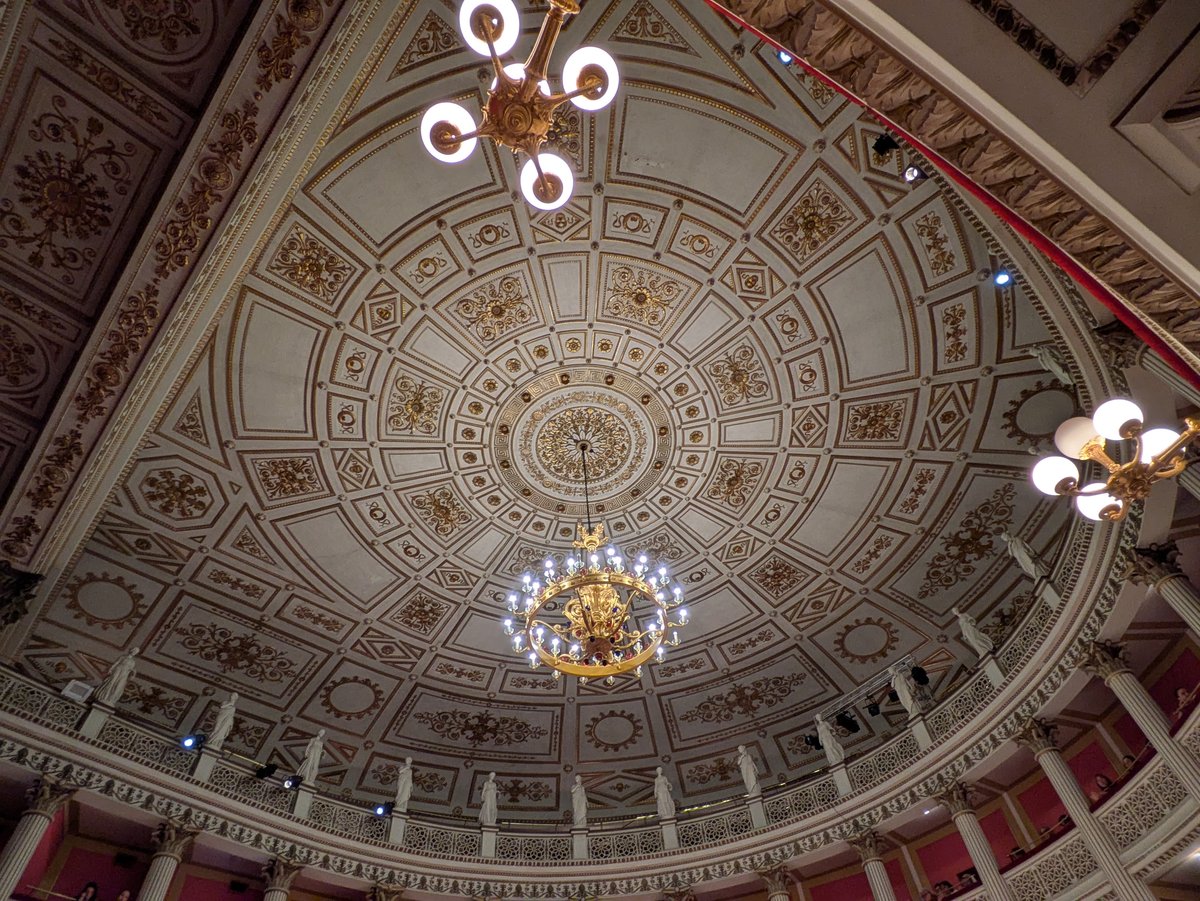
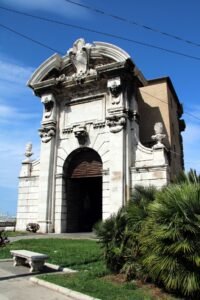
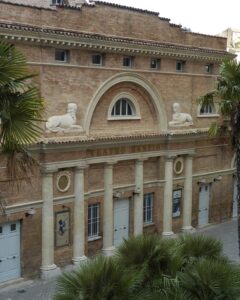
Fano’s Teatro della Fortuna, designed by architect Luigi Poletti in 1845, is a neoclassical gem with a six-column Ionic façade and interiors rich in gilded stuccoes and red velvet. Its exceptional acoustics, considered among the best in the Marche region, and its central location just steps from the Arch of Augustus make it an unmissable cultural stop.
- Horseshoe-shaped hall with four tiers of boxes and a perfectly preserved gallery
- Vibrant year-round programme including drama, opera, concerts, and family events
- Guided tours covering backstage, dressing rooms, and the theatre library with historical documents
- Located in the heart of the historic centre, ideal for combining with other Fano attractions
Introduction
As soon as you enter the Teatro della Fortuna in Fano, you are left breathless. It is not just a theatre; it is an experience that envelops you. The horseshoe-shaped hall, with its gilded boxes and frescoed ceiling, makes you feel as if you have stepped into another era. I sat in the stalls, imagining the premieres of the 18th century, and understood why this place is so special. It is not a static museum: it is alive, with performances ranging from classical theatre to contemporary dance. Its location in the historic centre of Fano, just a stone’s throw from the Malatesta Palace, makes it perfect for a cultural break during a day of exploration. The atmosphere is intimate, almost familiar, and even if you are not an opera enthusiast, it is worth visiting just to admire the neoclassical architecture, carefully restored after war damage. Personally, I was struck by how it manages to combine elegance and accessibility, offering guided tours that reveal hidden details, such as the decorations of the noble boxes.
Historical Notes
The history of the Teatro della Fortuna is a story of rebirth. Inaugurated in 1845 based on a design by Luigi Poletti, it replaced an older theater destroyed by fire.
The name ‘Fortuna’ is no coincidence: it refers to the Roman goddess venerated in Fano, a symbol of protection and prosperity. In the twentieth century, it hosted great names in Italian opera, but during World War II it suffered severe damage. The restoration in the 1990s brought it back to its former glory, with careful work on original details such as stuccoes and frescoes. Today, it is a cultural landmark for the province of Pesaro and Urbino, with a rich season that attracts enthusiasts from across the region. It is not just a monument: it is a place that has evolved while preserving its historical soul.
- 1845: Inauguration of the neoclassical theater
- 1944: Significant damage during the war
- 1998: Reopening after extensive restoration
- Today: Home to a vibrant annual program
Behind the Scenes
One of the most fascinating aspects of Teatro della Fortuna is discovering what lies behind the stage. During a guided tour, I had the opportunity to explore the backstage area and dressing rooms, still used by artists today. There’s an atmosphere of creativity and craftsmanship, with modern equipment coexisting alongside historical elements like the original service staircases. I was told that the theatre is equipped with cutting-edge acoustic technology, which explains why the performances are so immersive. Additionally, the theatre library preserves vintage programmes and rare documents, a real treat for the curious. It’s no small detail: this theatre doesn’t just perform, but invests in training and research, with workshops for young actors. For me, it was like peeking into the beating heart of Fano’s culture, away from the spotlight but essential for the magic of the shows.
Perfect Acoustics
If you think ancient theaters might have sound issues, the Teatro della Fortuna will surprise you. The acoustics are considered among the best in the Marche region, thanks to its horseshoe shape and the materials used in the restoration. During a chamber music concert, I noticed how every note resonated clearly, without annoying echoes. This makes it ideal not only for opera but also for prose plays and more intimate musical performances. The theater technicians explained to me that even details, like the wooden paneling, contribute to this effect. It’s an aspect often taken for granted, but here it makes all the difference: you become completely immersed in the performance, without distractions. For audio enthusiasts, it’s a real delight, and even for novices, it offers a more engaging experience. Sometimes, historic theaters sacrifice comfort for aesthetics, but here I found a rare balance.
Why Visit It
Visiting the Teatro della Fortuna isn’t just for theatre lovers. First, it offers accessible guided tours that reveal areas normally closed to the public, such as backstage or rehearsal rooms, making the experience interactive rather than passive. Second, the programming is varied and includes family-friendly events, like children’s matinees, making it suitable for everyone. Third, it’s a way to support local culture: tickets are often affordable, and attending a performance means contributing to keeping this gem alive. For example, I attended a comedy in the Fano dialect, a unique opportunity to grasp the local spirit. Plus, its central location allows you to combine the visit with other attractions without needing to travel far. In short, it’s an experience that enriches any trip to Fano, even if you only have a few hours.
When to Go
The best time to visit the Teatro della Fortuna? I suggest going on a winter evening, when the theater is illuminated and the atmosphere becomes even more magical. Outside, the streets of the historic center are quiet, and inside, the warmth of the hall contrasts with the cold outside, creating a cozy experience. In summer, it can be pleasant to attend one of the evening events, perhaps after a day at the beach, but winter has that certain intimate quality that enhances the neoclassical architecture. Avoid the summer closure periods for restorations, although they are rare. Personally, I’ve noticed that evening performances are more evocative, with artificial light highlighting the golden details. There’s no wrong season, but if you want practical advice, aim for a winter weekend: you’ll find fewer crowds and more opportunities to immerse yourself in the atmosphere.
In the Surroundings
After the theater, explore the surroundings to complete the cultural experience. Just a short walk away, you’ll find the Archaeological Museum and Art Gallery of the Malatesta Palace, which houses Roman artifacts and artworks related to the history of Fano, perfect for delving deeper into the context. If you prefer something more lively, take a quick trip to the Mercato delle Erbe, a historic covered market where you can sample local products like brodetto alla fanese. Both places are within walking distance, no car needed, and they add another layer to your visit. I appreciated the contrast between the elegance of the theater and the authenticity of the market, two sides of the same city. For art lovers, a stroll along the Malatesta walls offers panoramic views of the sea, ideal for ending the day with a relaxing vista.