Urbino City Museum: Roman artifacts and daily life in the Renaissance

The Urbino City Museum offers an authentic perspective on Urbino’s history through archaeological artifacts and everyday objects in an intimate atmosphere. Located in the historic center just steps from the Ducal Palace, it’s perfect for completing your city visit.

  • Archaeological finds from the Roman era to the Middle Ages showing Urbino’s evolution
  • Renaissance everyday objects like majolica, pharmacy tools, and antique toys
  • Artworks by local artists and paintings depicting historical city views
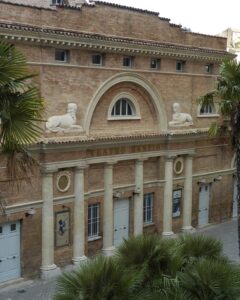
  • Intimate atmosphere in Palazzo Odasi, away from the crowds of more touristy sites

Copertina itinerario Urbino City Museum: Roman artifacts and daily life in the Renaissance
The Urbino City Museum houses archaeological finds from the Roman era to the Middle Ages and Renaissance everyday objects in Palazzo Odasi. Ideal for families and those seeking an alternative to the Ducal Palace.

Good to know


Introduction

Entering the City Museum of Urbino is like flipping through a living history book, but without the dust of archives. Don’t expect a classic monumental museum; here the atmosphere is intimate, almost domestic, housed in the Renaissance Palazzo Odasi. I was immediately struck by how the archaeological finds and artworks interact with the rooms themselves, creating a journey that makes you feel part of Urbino’s life through the centuries. It’s a place that tells stories, not just dates, perfect for those who want to understand the soul of this city beyond its famous palaces. Personally, I appreciated that mix of historical rigor and human warmth that makes the visit accessible even if you’re not an expert. Urbino is famous for the Ducal Palace, but this museum offers a different perspective, more everyday and perhaps more authentic.

Historical Overview

The City Museum was established in 2007, but its roots delve deep into Urbino’s long history, which flourished as a cultural hub during the Renaissance under the Montefeltro and Della Rovere families. It is not merely a collection of objects, but a narrative of urban evolution, spanning from Roman times to the 19th century. The halls house artifacts such as medieval ceramics, archival documents, and paintings that illustrate daily life, craftsmanship, and the city’s transformations. I found it interesting how the museum goes beyond ‘big names’ to give voice to ordinary people through tools of trade or household items. A concise timeline helps visitors navigate:

  • Roman era: early settlements in the Urbino area
  • Middle Ages: development of the urban center and artisan guilds
  • Renaissance: flourishing under the Montefeltro family (15th century)
  • Modern age: transition to the Della Rovere family and the Church
  • 2007: opening of the museum in its current location

Rooms that Tell the Story of Daily Life

One section that truly captivated me is dedicated to daily life in past centuries, with objects that seem to have come straight from an old family home. Here you’ll find Renaissance-decorated majolica, 18th-century pharmacy instruments, and even antique toys, offering a tender and concrete glimpse into how city dwellers lived. These aren’t cold display pieces, but testimonies that make you imagine the hands that used them. I noticed, for example, a collection of stone weights and measures, which tells the story of local commerce more vividly than many explanations. It’s an approach that makes history tangible—you can almost touch it—and it’s perfect for those traveling with curious children. This attention to human detail sets the museum apart from more academic ones.

Art in Dialogue with the City

The museum doesn’t just display artifacts, but also artworks that reflect Urbino’s cultural identity, featuring paintings and sculptures by local artists often overlooked by major art circuits. I was struck by a 19th-century painting depicting a cityscape, allowing a comparison between the past and the Urbino visible today from the palace windows. There’s also a section dedicated to graphics and prints, showcasing how the artistic tradition here has always been vibrant and experimental. It’s not a classic art gallery, but rather a complement that enriches the historical narrative, helping visitors understand why this place has inspired so many creatives. These may not be universally famous masterpieces, but they possess contextual value that makes them special.

Why Visit It

Visiting the City Museum is worthwhile for at least three practical reasons. First, it offers a key to understanding Urbino beyond its most famous attractions, such as the Ducal Palace, helping you grasp the layers of its history. Second, it’s an excellent option for families: its manageable size and everyday objects make it engaging even for younger visitors, without the risk of overload. Third, its location in Palazzo Odasi is an experience in itself, with well-preserved Renaissance rooms that make you feel like you’re in a period drawing room. Personally, I found it an ideal complement to a day in the city, a moment of reflection after admiring the more iconic monuments.

When to Go

The best time for a visit? I suggest going in the late afternoon, when the warm light filters through the windows of Palazzo Odasi and creates an intimate, almost magical atmosphere. In summer, it can be a refreshing break from the heat, while in autumn or winter the indoor climate is cozy and invites you to linger. I would avoid the peak morning hours, when tourist groups crowd Urbino’s most famous spots: here you might find more tranquility to enjoy the details. It’s not a place that requires a specific season, but that moment of afternoon quiet makes the experience more personal and evocative.

In the Surroundings

To enrich your day in Urbino, I recommend a stroll to Raphael’s Birthplace, just a few minutes’ walk from the museum. It’s a thematic experience that completes the Renaissance picture, showing where the great artist lived. Alternatively, if you want a contrast with history, seek out one of the local artisan workshops producing traditional ceramics, a living legacy of the past recounted in the museum. Both options immerse you in Urbino’s authenticity without needing to travel far, creating a coherent and enjoyable itinerary.

💡 Did You Know…?

One of the most curious pieces is a small collection of medieval ceramics unearthed during city excavations, showing the daily life of ancient inhabitants. In a room dedicated to the 18th century, look for the wooden model of the city created in the 1700s: comparing it with today’s Urbino, you’ll notice how intact the historic center has remained. Some artifacts come from excavations under Piazza Rinascimento, where an ancient Roman forum once stood. The visit concludes with views of some historic center glimpses from the museum windows, a beautiful vista that directly connects the history told inside with the city outside.