Madrignano Castle: Malaspina Fortress with 360° Views over Val di Vara

Madrignano Castle, a medieval Malaspina fortress built between the 12th and 13th centuries, offers a historical and scenic experience away from the more frequented tourist routes. Perched on a rocky spur above Calice al Cornoviglio, it is always accessible with caution and does not require reservations. Combining it with a visit to the village below creates a complete itinerary featuring authentic military architecture and genuine atmosphere.

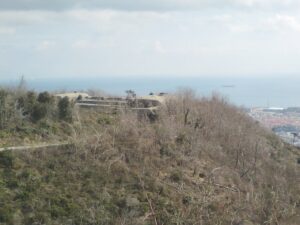
  • 360-degree views over Val di Vara and, on clear days, as far as the sea
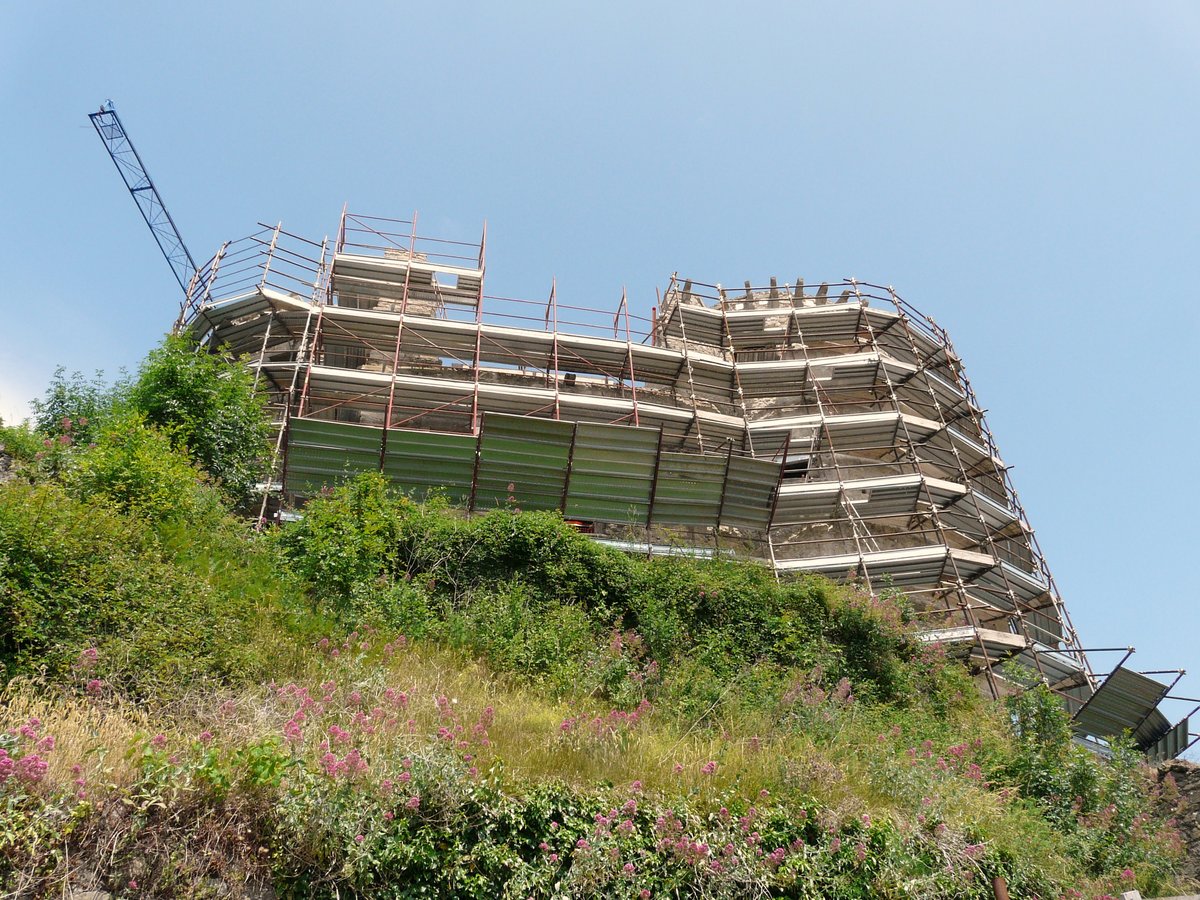
  • Medieval ruins with stone walls, towers, and remains of the 12th-13th century keep
  • Authentic village of Calice al Cornoviglio with narrow alleys and the Church of San Nicolò
  • Free access without reservations; comfortable shoes recommended for the final path
Copertina itinerario Madrignano Castle: Malaspina Fortress with 360° Views over Val di Vara
12th-century medieval ruins with stone walls and towers, accessible without reservations. Panoramic views of Val di Vara and the authentic village of Calice al Cornoviglio.

Good to know


Introduction

Madrignano Castle, also known as Malaspina Castle, is not just a medieval fortress: it’s a breathtaking sight that leaves you speechless. Perched on a rocky spur above Calice al Cornoviglio, it dominates the Vara Valley with an air of noble decay that tells centuries of history. Reaching it means immersing yourself in an atmosphere suspended in time, far from the more beaten tourist routes. The panoramic view from the fortress is simply spectacular, one of those moments that alone justify the journey. Personally, I was struck by how the village below seems to almost embrace the mountain, creating a perfect picture of architecture and nature.

Historical Background

The castle’s history is inextricably linked to the powerful Malaspina family, who left their mark here since the Middle Ages. It is not just a defensive fortress but a symbol of their dominion over Lunigiana. It later passed to the Fieschi family and endured sieges and transformations, eventually falling into a period of abandonment. Today, it stands as a fascinating ruin that is partially visitable, where the original structures can still be discerned. Walking among its walls lets you feel the weight of history, even though some details have faded with time. A concise timeline:

  • 12th century: first records of the castle.
  • 13th–15th centuries: rule of the Malaspina family, expansions, and fortifications.
  • 1547: siege and transfer to the Fieschi family.
  • Subsequent centuries: gradual decline and abandonment.
  • Today: privately owned ruin, partially accessible.

Exploring the Village of Calice

Visiting the castle is only half the experience. Descending towards Calice al Cornoviglio, you’ll find an authentic and untouristy medieval village where time seems to flow more slowly. Wander through the narrow alleyways, observe the stone portals and tower-houses that speak of a rich past. The Church of San Nicolò, with its simple facade, houses artworks worth a glance. The village has a cozy, almost intimate atmosphere: you won’t find souvenir shops, but the genuineness of a lived-in place. I happily got lost among the lanes, discovering photogenic corners and unexpected glimpses of the surrounding hills.

Hidden Views and Trails

The true treasure of this place is the views. From the castle’s fortress, the gaze spans over the Val di Vara and the hills of Lunigiana, a mosaic of greens and cultivated lands that change with the seasons. If you’re passionate about hiking, there are unmarked trails starting near the castle that venture into the surrounding woods, offering alternative vistas and a sense of discovery. Be careful, though: some paths are less traveled and require attention. I found a small path leading to a side panoramic spot, perfect for taking photos without crowds. The fresh air and silence broken only by the wind complete the experience.

Why Visit It

Visiting Madrignano Castle is worthwhile for at least three concrete reasons. First, it offers a breathtaking panorama of the Val di Vara that is hard to find elsewhere, ideal for photography and moments of contemplation. Second, it is an example of authentic medieval military architecture, without invasive restorations, allowing you to touch history firsthand. Third, the combination with the village of Calice al Cornoviglio creates a complete and pleasant itinerary, away from tourist crowds. It is a place for those seeking genuine atmospheres and who are not afraid of a climb on foot.

When to Go

The best time? Personally, I recommend visiting on a clear autumn day, when the air is crisp and the leaf colors create spectacular contrasts with the castle’s stone. Summer can be hot for the climb, while in spring the blooming meadows add a magical touch. Avoid cloudy or hazy days, because the panorama is the true star. If you can, arrive at sunset: the low light on the fortress and valley creates unforgettable atmospheres, though descending in the dark requires a flashlight.

In the Surroundings

To enrich your day, I recommend two nearby thematic experiences. First, make a stop at the Ethnographic Museum of Val di Vara in Cassego, which showcases rural life and local traditions with authentic objects: a perfect complement to understanding the area. Second, if you love villages, head to Brugnato, an ancient monastic center with a Romanesque abbey and a well-preserved historic center, just a few minutes’ drive away. Both places add depth to your visit, revealing different aspects of Lunigiana.

Itineraries nearby


💡 Did You Know…?

A local legend tells that the castle was connected by a secret underground passage to the nearby Pieve di San Prospero, used by the Malaspina family to escape in case of siege. Additionally, during some consolidation work, fragments of medieval pottery and coins from the era were discovered, now preserved in local museums. The main tower, partially collapsed over the centuries, still offers a privileged observation point: from there, it is said, sentinels controlled the entire valley, communicating with other Malaspina castles through fire signals.