
The Lilibeo Archaeological Park in Marsala immerses you in the ancient Phoenician and Roman city with authentic and well-preserved ruins. Stroll among Punic walls, paved streets, and patrician houses with splendid polychrome mosaics still vivid. The site is compact and accessible, ideal for a half-day visit, with informative panels guiding you through history.
- Phoenician and Roman mosaics with preserved colors that tell stories of daily life
- Punic port area with warehouses and ancient walls overlooking the sea
- Birgi Punic Necropolis with rock-cut chamber tombs
- Nearby Baglio Anselmi Museum housing the famous Punic Ship and archaeological artifacts
Events nearby


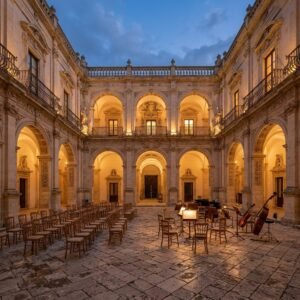
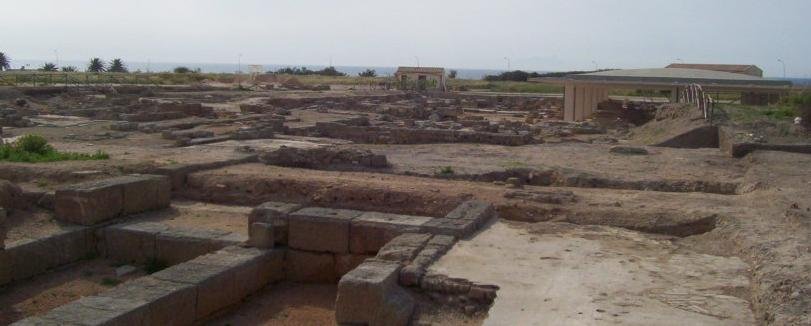
Admire the polychrome mosaics and Punic walls of the Lilibeo Archaeological Park in Marsala. Discover the ancient Phoenician and Roman city with necropolises, baths, and the nearby Baglio Anselmi Museum with the Punic Ship.
- https://www.parcolilibeo.it/
- parco.archeo.lilibeo@regione.sicilia.it
- Via Boeo 30, Trapani (TP)
- +39 0923 952535
- Open in Google Maps
- View on Google Images Parco Archeologico di Lilibeo a Trapani
Good to know
Introduction
Historical Overview
- 397 BC: Foundation by the Carthaginians.
- 241 BC: Roman conquest after the Battle of the Aegates.
- Roman Imperial Age: Urban development with villas and mosaics.
- Middle Ages: Gradual abandonment of the site.
- 1960s: Beginning of systematic excavations.
The Mosaics That Speak
Between the Port and the Necropolises
Why Visit It
When to Go
In the Surroundings
Itineraries nearby


💡 Did You Know…?
A curiosity that makes the visit even more special: in the Lilibeo Archaeological Park, you can see the remains of an ancient Roman thermal bath with a still-visible hypocaust heating system. Additionally, excavations have uncovered everyday objects like lamps and coins that tell the story of life over 2000 years ago. If you pay attention, you’ll also notice traces of the Roman siege of 241 BC, which marked the end of Carthaginian domination. These often-overlooked details make you feel truly connected to the people who lived, loved, and fought here.