
🧭 What to Expect
- Ideal for lovers of ancient history and seaside historic centers.
- Highlights: the Greek Theatre in Neapolis, perfectly preserved and still active.
- Highlights: Ortigia Island, a maze of alleys, Baroque squares, and Mediterranean views.
- Highlights: Syracuse Cathedral, a unique example of architectural layering.
- Highlights: Maniace Castle, a seaside fortress with millennia of history.
- Highlights: the Paolo Orsi Archaeological Museum, among Europe's most important for Greek art in Sicily.
Events nearby


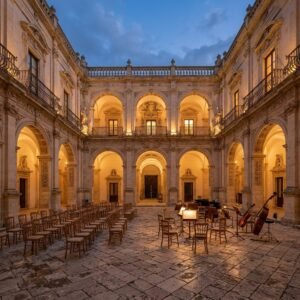
If you're planning a visit to Syracuse, prepare to immerse yourself in a city where Greek, Roman, and Baroque history intertwine at every corner. Ortigia Island is the vibrant heart, with its Cathedral built atop a Greek temple and alleys overlooking the sea. Nearby, the Neapolis Archaeological Park will leave you in awe with its Greek Theatre still used for performances. Don't miss Maniace Castle at Ortigia's tip, offering panoramic harbor views. This article guides you through the most important sites, with tips on moving between the archaeological area and historic center, based on information verified by local travel blogs. Syracuse isn't just an open-air museum: it's an experience engaging all senses, from the sea breeze to the taste of granita.
Overview
- Greek Theatre of Syracuse
- Syracuse Cathedral
- Monumental Area of Neapolis
- Maniace Castle
- Paolo Orsi Regional Archaeological Museum
- Roman Amphitheatre of Syracuse
- Ear of Dionysius
- Duomo Square
- Eurialo Castle
- Temple of Apollo
- Catacombs of San Giovanni
- Palazzo Bellomo Gallery
- Piazza Duomo Hypogeum
- Aretuseo Puppet Museum: The Theater of Sicilian Marionettes
- Sea Museum
Itineraries nearby


Greek Theatre of Syracuse
- Go to the page: Greek Theatre of Syracuse: Sicily's Largest Ancient Stage
- Via dei Sepolcri, Siracusa (SR)
- Open in Google Maps
- View on Google Images
 The Greek Theatre of Syracuse is one of those places that truly makes you feel the weight of history. It's not just a monument; it's an experience. Carved into the rock of the Temenite Hill, this 5th-century BC theatre is one of the largest and best-preserved in the Greek world. When you climb up, the first thing that strikes you is the view: from up there, you can take in the entire archaeological area of Neapolis with your gaze, with the Roman Amphitheatre and the Latomia del Paradiso in the background. The cavea, divided into nine wedges by eight stairways, could accommodate up to 15,000 spectators. Imagine, this is where the tragedies of Aeschylus were staged, which he first presented right here in Syracuse. Today, the theatre is still alive: every spring and summer it hosts the classical performances of the INDA cycle, the National Institute of Ancient Drama. Attending a tragedy or comedy under the stars, with that perfect acoustics that lets you hear every word even from the last row, is a unique emotion. Personally, I like to visit it early in the morning, when the light is soft and there are fewer crowds: you can better appreciate the details, like the Greek inscriptions on the seats or the orchestra pit. A tip? Don't just settle for a quick photo. Sit on one of the stone steps, close your eyes for a moment, and imagine the buzz of the ancient crowd. It's a dive into the past that you won't easily forget. Just be mindful of the sun: in summer, bring a hat and water, because the area is very exposed.
Syracuse Cathedral
- Go to the page: Syracuse Cathedral: The Duomo Concealing a Greek Temple
- Piazza Minerva, Siracusa (SR)
- Open in Google Maps
- View on Google Images
 Syracuse Cathedral is one of those places that makes you feel the weight of history, yet in an incredibly vivid way. It stands right on Piazza Duomo, one of Italy's most beautiful squares, and from the outside, you can tell it's no ordinary church. The façade is Baroque, imposing, with those columns and statues that seem to watch you. But the real surprise comes inside. Because this cathedral was built by incorporating an ancient Greek temple dedicated to Athena, dating back to the 5th century BC. Upon entering, you immediately see the original Doric columns that form part of the nave—it's as if two eras are embracing. You walk and touch the stone that has seen Greeks, Romans, Byzantines, Arabs, and Normans pass by. A layering that tells the story of Syracuse better than any book. Inside, look for the Chapel of Saint Lucia, the city's patron saint, with her relics and an intimate atmosphere. And don't miss the baptismal font, said to have been carved from an ancient capital. I like to think about how the people of Syracuse reused that temple instead of destroying it, adapting it to Christian worship. It's a perfect example of how nothing is lost here; everything transforms. The natural light filtering through the columns, especially in the afternoon, creates plays of light that seem designed. A tip? Take a few minutes to sit on a bench and observe the details: the capitals, the decorations, that mix of sacred and ancient that stays with you. It's more than a church: it's a symbol of resilience and identity.
Monumental Area of Neapolis
- Via Giuseppe Cultrera, Siracusa (SR)
- https://aditusculture.com/biglietti/sicilia/siracusa/parco-archeologico-della-neapolis
- Open in Google Maps
- View on Google Images
 When you think of Syracuse, Ortigia probably comes to mind, but the Monumental Area of Neapolis is the true beating heart of its ancient history. It's here that the most spectacular remains of the Greek and Roman city are concentrated, in an archaeological park that leaves you in awe. The Greek Theatre is the main attraction: carved into the rock, with a view stretching all the way to the sea, it lets you imagine the tragedies of Aeschylus or Sophocles performed here over 2500 years ago. Nearby, the Ear of Dionysius, an artificial cave with a curious shape that amplifies sounds impressively – try whispering something, the effect is truly unique. Not far away is the Roman Amphitheatre, one of the largest in Italy, where gladiatorial games took place. Walking among these stone giants, you realize how powerful Syracuse was in antiquity. Don't miss the Nymphaeum Cave, with its natural spring that supplied water to the theatre, and the Altar of Hieron II, a monumental altar almost 200 meters long used for public sacrifices. The site is well-organized, with clear paths and explanatory panels, although the crowd can be large at times, especially in high season. Personally, I find the best time to visit is early morning, when the light is soft and the atmosphere is calmer. It's a place that never disappoints, even if you've seen it in photos: its scale and state of preservation are truly remarkable.
Maniace Castle
- Go to the page: Castle Maniace in Syracuse: Frederick II's Fortress on the Island of Ortigia
- Via Gaetano Abela, Siracusa (SR)
- Open in Google Maps
- View on Google Images
 Arriving at the extreme tip of Ortigia, Maniace Castle welcomes you with its imposing mass of limestone. Built in the 13th century at the behest of Frederick II of Swabia, this castle is a perfect example of medieval military architecture, although it has undergone several transformations over the centuries. Its position is strategic: it sits right where the Ionian Sea bathes the island of Ortigia, and once controlled access to the port. Today, walking along its bastions offers a breathtaking 360-degree view: on one side the open sea, on the other the profile of Syracuse's historic center. Inside, the atmosphere is austere and evocative. The main hall, with its cross vaults and marble columns, is what remains of the original Frederician structure and conveys a sense of ancient power. You'll also notice the marks of various eras: from Spanish coats of arms to Bourbon modifications. Personally, I'm always struck by the contrast between the military solidity of the castle and the delicacy of the surrounding landscape. It's not a museum rich in artifacts, but its value lies precisely in its architecture and location. I recommend visiting at sunset, when the golden light envelops the stones and the panorama turns orange. Sometimes, it also hosts temporary exhibitions or cultural events, so it's worth checking the schedule. Remember that admission is paid and hours may vary seasonally. It's a place that speaks of history, power, and defense, but also of scenic beauty. Perhaps it's not the most famous site in Syracuse, but in my opinion it deserves a stop to understand another aspect of the city.
Paolo Orsi Regional Archaeological Museum
- Go to the page: Paolo Orsi Museum in Syracuse: The Anadyomene Venus and Greek Treasures
- Ronco di Via Augusto Von Platen, Siracusa (SR)
- Open in Google Maps
- View on Google Images
 If you think archaeological museums are just dusty display cases, the Paolo Orsi Museum will change your mind. Located in Villa Landolina Park, this modern, bright space is one of the most important archaeological museums in Europe, and that's no exaggeration. The layout is clever: it starts with prehistory, featuring Stentinello ceramics whose geometric decorations look almost contemporary, and progresses through the classical and Hellenistic ages, covering the Greek colonies of Sicily. The section dedicated to Syracuse is obviously unmissable: here you'll find the Landolina Venus, a Roman statue that gazes at you with such intensity it seems alive, and the famous Sarcophagus of Adelfia, with its reliefs intertwining Christian and mythological stories. But the highlight, in my opinion, is the collection of Syracusan coins: those with the head of Athena and the quadriga are small masterpieces of ancient goldsmithing. The museum isn't limited to Syracuse: there are artifacts from Megara Hyblaea, Akrai, Eloro, which help you understand how rich and layered this part of Sicily was. The space is spacious, organized into thematic pavilions, and even if you're not an archaeology enthusiast, you'll be struck by the beauty of the exhibited objects. A tip? Don't skip the necropolis section, where funerary goods tell the rites and beliefs of distant peoples. Sometimes I wonder how they managed to create such jewelry with the tools of the time. The only downside? Perhaps the audio guide is a bit outdated, but the captions are clear and guide you well through the tour. If you visit Syracuse, this museum is a fundamental piece to understand its history, and for me, it's worth at least a couple of hours of leisurely exploration.
Roman Amphitheatre of Syracuse
- Go to the page: Roman Amphitheatre of Syracuse: The Ancient Arena in the Heart of Ortigia
- Via Francesco Saverio Cavallari, Siracusa (SR)
- Open in Google Maps
- View on Google Images
 The Roman Amphitheatre of Syracuse is one of those places that strikes you with its silent grandeur. It's not the Colosseum, of course, but it has a charm all its own—more intimate and mysterious. It stands within the Neapolis Archaeological Park, but unlike the nearby Greek Theatre, the atmosphere here is different: less theatrical, more raw. Built in the 3rd century AD, likely under Emperor Augustus, it is one of the largest Roman amphitheatres in Sicily. What immediately catches the eye is how it was carved directly into the rock of the Temenite hill. It's not a building constructed stone by stone, but shaped from the living rock. This gives it an organic appearance, almost fused with the hillside. The seating, which could accommodate up to 15,000 spectators, follows the natural slope of the terrain. Walking in the arena, you can still imagine the roar of the crowd during gladiatorial games or venationes, hunts of exotic animals. Some sources even mention naumachiae, simulated naval battles, thanks to a complex water channeling system. Today, unfortunately, much of the upper structure has been lost, dismantled in the 16th century by the Spanish to build the fortifications of Ortigia. However, the ellipse of the arena remains, with its underground passages and cells for wild animals still visible. I was struck to see, on the sides, two large monumental entrances (vomitoria) perfectly preserved. One of these, the eastern one, is particularly evocative because it frames, in the distance, the dome of the Church of San Nicolò ai Cordari. A powerful contrast between paganism and Christianity. The amphitheatre is not just a monument, but a privileged vantage point over the park. From here, you can glimpse the latomie, the Greek Theatre, and sense the layering of Syracusan history. I recommend visiting in the early morning or towards sunset, when the slanting light enhances the shadows and textures of the stone. Bring water, because in summer the sun beats down strongly in the open area. Sometimes I wonder what the gladiators would think seeing tourists with mobile phones today instead of screaming spectators. A leap back in time that makes you reflect.
Ear of Dionysius
- Go to the page: Ear of Dionysius: Syracuse's Acoustic Cave That Amplifies Every Whisper
- Viale Giulio Emanuele Rizzo, Siracusa (SR)
- Open in Google Maps
- View on Google Images
 The Ear of Dionysius is one of those attractions that strikes you for its compelling history, more than for its architectural grandeur. It is an artificial cave carved into the limestone of the Latomia del Paradiso, within the Archaeological Park of Neapolis. Its S-shaped form indeed resembles an auricle, hence the evocative name. Legend has it that the tyrant Dionysius I of Syracuse used it as a prison for his enemies, exploiting the incredible acoustics to eavesdrop on their conversations. In reality, it was likely a stone quarry, but the anecdote makes the visit much more intriguing. Upon entering, you are immediately enveloped by a cool, humid atmosphere, with walls rising up to 23 meters high towards a slit of light. The acoustic effect is real and surprising: a whisper uttered at the entrance clearly propagates all the way to the back, like an amplified echo. Personally, I tried speaking in a low voice and was amazed at how clearly the sound traveled. It is not a huge place, but its verticality gives a sense of grandeur. I recommend visiting during less crowded hours, perhaps early in the morning, to fully enjoy the silence and experience the acoustics undisturbed. It is just a few steps from the Greek Theatre, so it is easy to include in a Neapolis itinerary. Wear comfortable shoes because the ground can be uneven. One detail that struck me: looking at the walls, you can still see the marks of the tools used for excavation, a tangible echo of ancient labor. It may not be the most spectacular site in the park, but its history and sensory experience make it memorable.
Duomo Square
- Siracusa (SR)
- Open in Google Maps
- View on Google Images
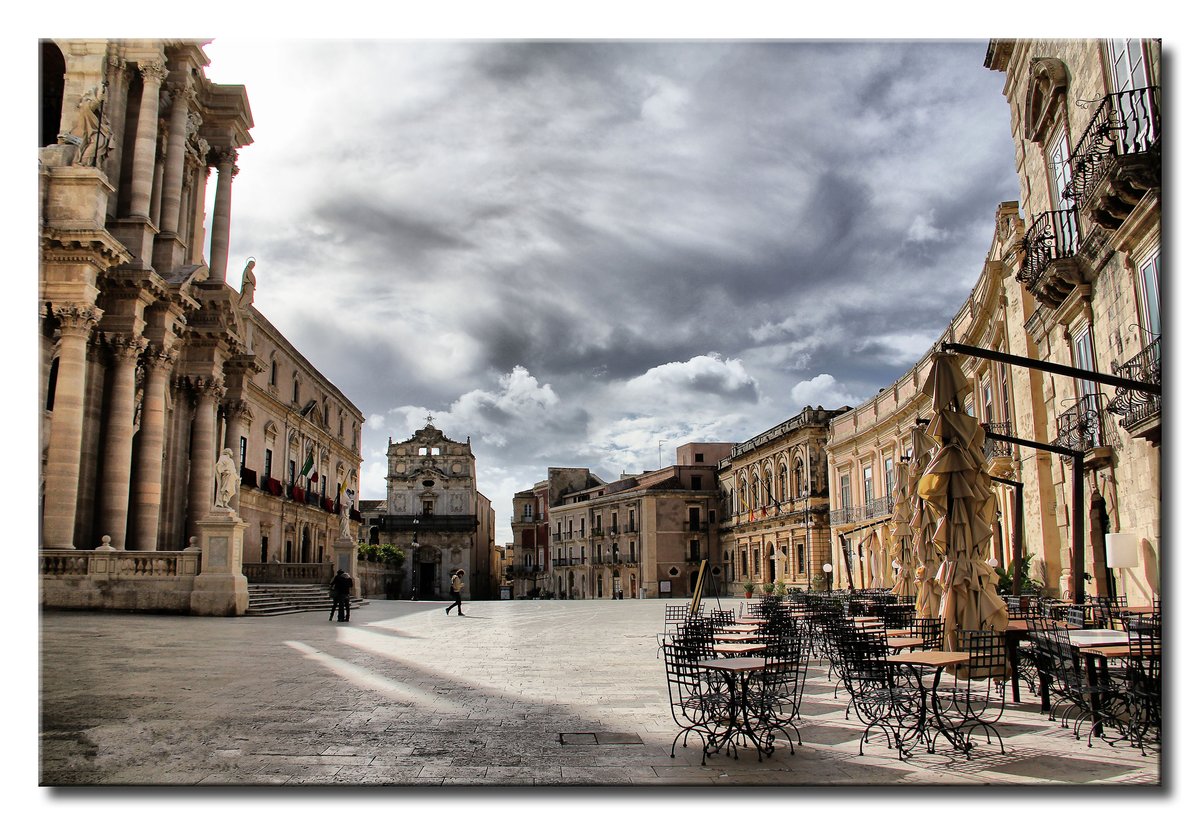 Arriving at Duomo Square is like stepping into the beating heart of Ortigia, where every corner tells centuries of history. The square, irregular in shape and paved with light stone, resembles a natural stage framed by imposing Baroque buildings. At its center, the Cathedral of Syracuse immediately catches the eye: its 18th-century facade, with columns and statues, hides a fascinating secret. Inside, you'll discover the Doric columns of the Temple of Athena, incorporated into the Christian structure—an extraordinary example of historical layering that leaves you in awe. Walking along the perimeter, you'll notice palaces like Palazzo Beneventano del Bosco and Palazzo Arcivescovile, with their ornate facades and wrought-iron balconies. In the evening, when the lights come on, the atmosphere becomes magical: the square fills with life, with bars serving aperitifs and tourists taking photos against the illuminated backdrop. Personally, I enjoy sitting on one of the cathedral steps and watching the comings and goings, imagining what it must have been like here during Greek, Roman, or Spanish rule. Don't forget to look for the Duomo Square Hypogeum, an underground passage that can be visited by reservation—though I confess I've never had the courage to go down! It's a place where art, history, and daily life blend, perfect for a break after exploring the alleys of Ortigia.
Eurialo Castle
- Go to the page: Eurialo Castle: Dionysius I's Greek Fortress in Syracuse
- Viale Epipoli, Siracusa (SR)
- Open in Google Maps
- View on Google Images
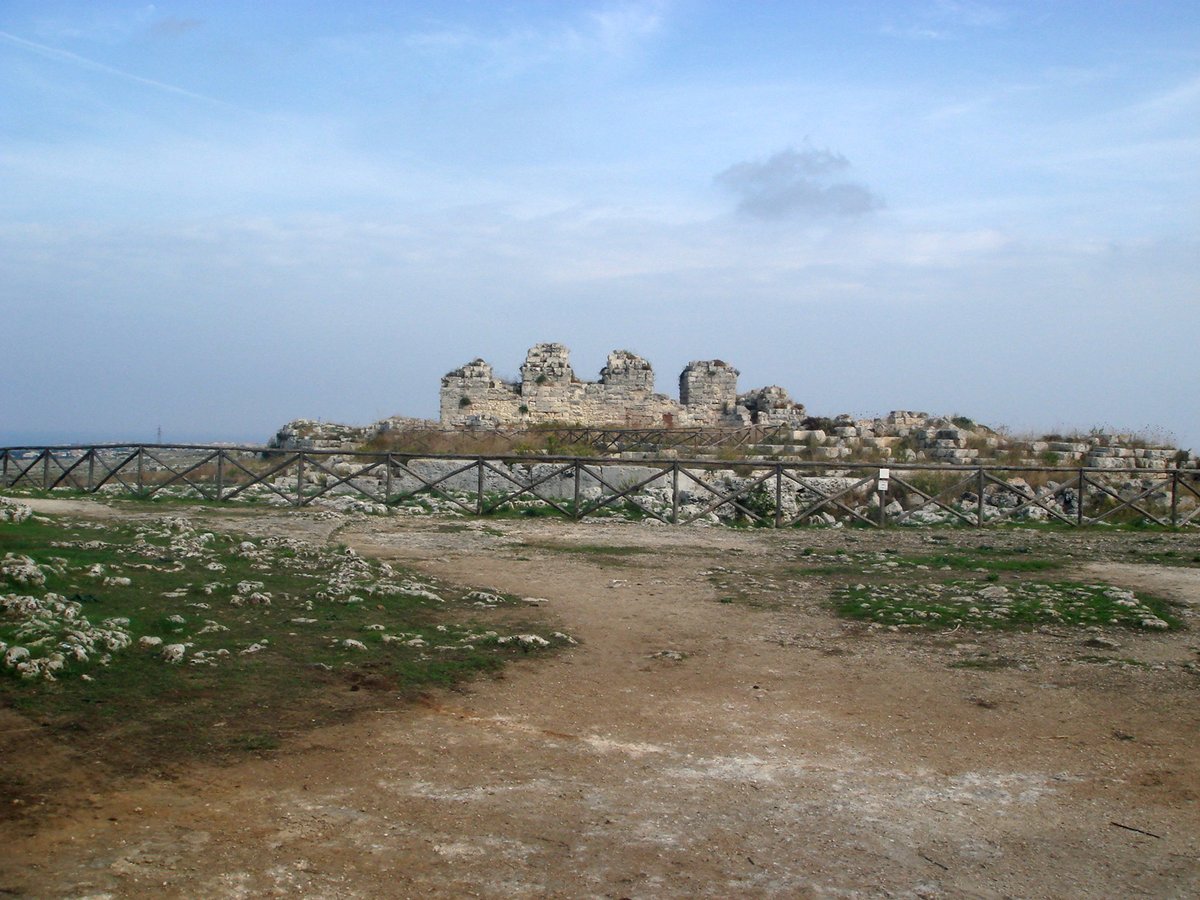 If you think you've seen everything in Syracuse, you're mistaken. Eurialo Castle is a place that often escapes the most beaten tourist circuits, but for me it's absolutely worth the detour. Built by the tyrant Dionysius I in the 4th century BC, this fortress wasn't just a simple outpost: it was the heart of the Syracusan defense system, designed to withstand the longest sieges. What strikes you upon arriving here is the location: perched on the Epipoli plateau, about 7 km from the historic center, it offers a breathtaking panoramic view of Syracuse, the port, and the Ionian Sea. Sometimes I wonder how they managed to transport all those stones here. Walking among the remains, you immediately understand the genius of Greek military engineering: moats, underground tunnels, and secret passages intertwine in a defensive labyrinth that still leaves you in awe today. Particularly impressive are the three large moats cut into the rock - the deepest exceeds 9 meters - and the catapult positions that dot the walls. Don't expect a medieval castle with crenellated towers: here everything is more ancient, more essential, more Greek. The atmosphere is solitary, almost austere, and when the wind blows strongly through the ruins, you get the feeling of still hearing the echo of the sentinels. A personal tip: visit at sunset, when the golden light envelops everything and the long shadows accentuate the volumes of the structures. Bring water and comfortable shoes - the terrain is uneven - and prepare for a real leap back in time. For me, Eurialo Castle is one of those places that makes you understand why Syracuse was considered the power of the ancient Mediterranean.
Temple of Apollo
- Go to the page: Temple of Apollo in Syracuse: Sicily's Oldest Doric Temple
- Vicolo Primo ai Lettighieri, Siracusa (SR)
- Open in Google Maps
- View on Google Images
 As soon as you enter Ortigia, the Temple of Apollo welcomes you with its massive columns, some still standing, others lying on the ground like sleeping giants. It is the oldest Doric temple in Sicily, built in the 6th century BC, and walking around it has a certain effect: to think that Apollo was worshipped here when Syracuse was a Mediterranean power. Its location is strategic, at the entrance to the island, almost as if to protect it. Looking closely at the columns, you can still see traces of the original decorations and inscriptions, although time and transformations (it has been a church, a mosque, and even a barracks) have left their mark. Personally, I'm always struck by the contrast: these ancient stones surrounded by the hustle and bustle of Ortigia, with crowded bars just steps away. Access is free and always open, so you can pass by at any time, perhaps at dawn when the grazing light enhances the stone's texture, or in the evening when artificial lights create a suggestive atmosphere. Don't expect an intact temple like the Temple of Concordia in Agrigento: here, the incompleteness and historical layers are part of the charm. Sometimes I wonder how it must have looked when it was colored, with painted pediments. Today, among the remains, spontaneous plants also sprout, adding a touch of life among the ruins. A tip: approach the bases of the columns to see the inscriptions; some tell stories of ancient restorations. It's a place that doesn't require much time but immediately puts you in tune with Syracuse's long history.
Catacombs of San Giovanni
- Via San Giovanni alle Catacombe, Siracusa (SR)
- Open in Google Maps
- View on Google Images
 If you think everything in Syracuse is on the surface, prepare to descend into the depths of history. The Catacombs of San Giovanni are an underground labyrinth that takes you back centuries, into a silence you can almost touch. They're not the only catacombs in the city, but these, connected to the Basilica of San Giovanni, have a special atmosphere. I was immediately struck by their scale: they wind for kilometers underground, with intersecting galleries that feel almost hypnotic. Walking among the burial niches carved into the rock, you realize how the early Christians of Syracuse transformed these spaces into places of burial and, perhaps, worship. Don't expect lavish decorations: simplicity dominates here, with a few traces of frescoes spared by time. What made me reflect was their organization: you can see different areas, almost like neighborhoods for families or communities. A guided tour is almost essential, not just to find your way but to catch details that would otherwise be missed, like the Christian symbols carved into the walls. Bring a sweatshirt, even in summer: underground the air is cool and damp, and the contrast with the Sicilian heat is stark. Personally, I found the entrance a bit disorienting, almost hidden among the vegetation, but that's precisely what adds charm. It's not a place for those seeking spectacle, but for those wanting to immerse themselves in an authentic, less touristy page of Syracusan history. If you get the chance, observe the niches and passages: sometimes you get the impression these galleries tell stories never written.
Palazzo Bellomo Gallery
- Go to the page: Palazzo Bellomo Gallery in Syracuse: Medieval Art and Antonello's Annunciation
- Via Giuseppe Maria Capodieci, Siracusa (SR)
- Open in Google Maps
- View on Google Images
 If you think Ortigia is all Baroque architecture and sea, the Palazzo Bellomo Gallery will make you think again. This fourteenth-century palace, with its Gothic façade that looks like it's straight out of a fairy tale, houses a collection of sacred art that will leave you in awe. The highlight is Antonello da Messina's Annunciation, a painting so luminous and detailed that it makes you forget about time. It's not the only surprise: the rooms hold medieval wooden sculptures, Renaissance altarpieces, and liturgical objects that tell centuries of devotion. The palace itself is a work of art, with its inner courtyard where sunlight plays among the arches and a spiral staircase that seems to lead to another era. The visit is a dive into Sicilian art from the Middle Ages to the eighteenth century, perfect for those who want to discover a less obvious side of Syracuse. Personally, I got lost observing the details of the sacred vestments displayed on the first floor – embroidery work so fine it looks like painting. Note: admission is included in the ticket for the Regional Museum of Palazzo Bellomo, which often hosts interesting temporary exhibitions. I recommend checking the opening hours before going, as it sometimes closes for installations. If you love art, don't skip it; if you're skeptical, come anyway: that palace alone is worth the ticket price.
Piazza Duomo Hypogeum
- Via delle Carceri Vecchie, Siracusa (SR)
- Open in Google Maps
- View on Google Images
- +39 0931 450801
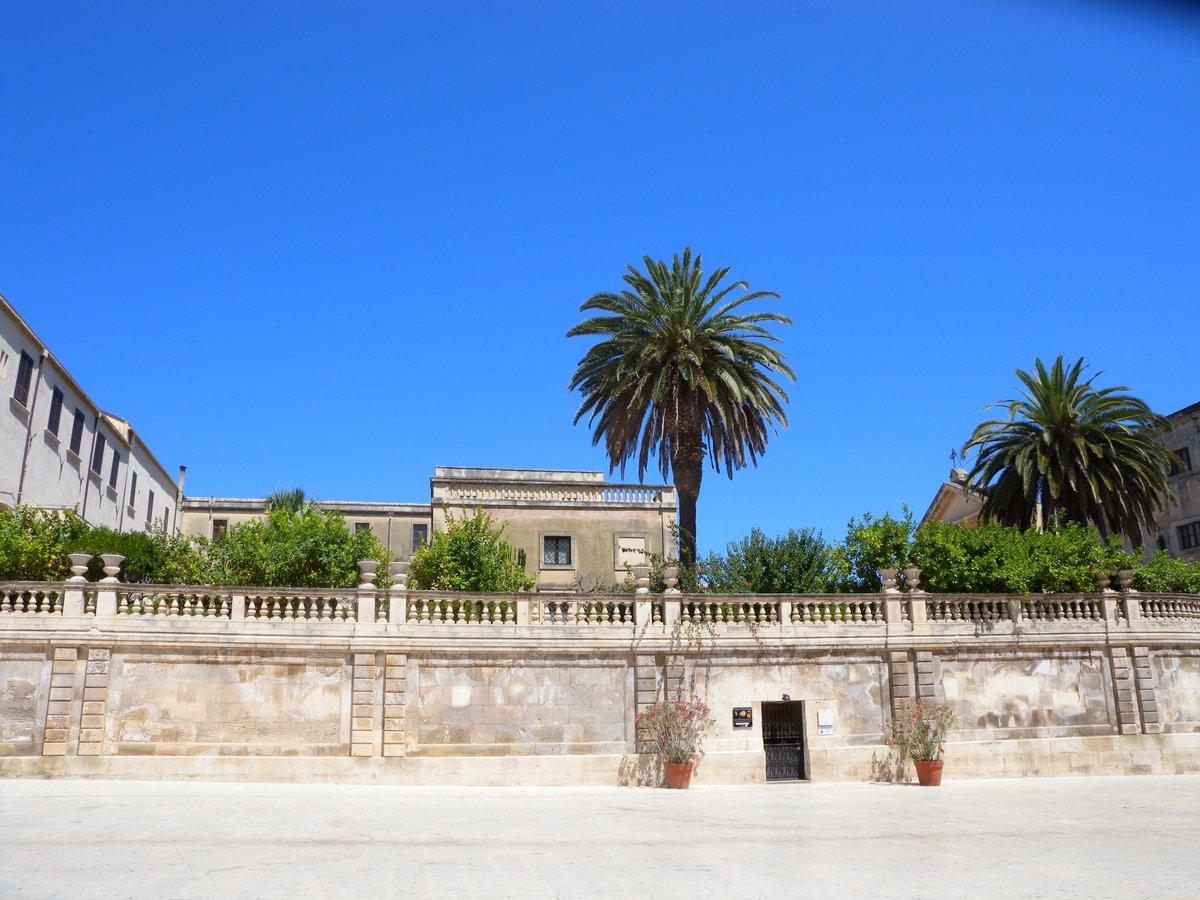 While everyone admires the Cathedral above ground, few know that beneath Piazza Duomo lies a fascinating underground world. The Piazza Duomo Hypogeum is a network of cisterns and galleries carved into the rock, dating back to the Greek era and expanded by the Romans. It is not simply a cistern, but a true ancient hydraulic system that served the entire area. Descending the steps, you are enveloped by a humid and silent atmosphere, light-years away from the tourist chaos above. The limestone walls still show the marks of chisels, and the dripping water creates evocative reflections. I was struck by the precision of the engineering: the drainage channels and decantation tanks are still recognizable, testaments to a civilization that placed enormous importance on water. Some parts are artificially lit, but bringing a flashlight (or using your phone's) helps discover less visible corners. Personally, I find it to be one of those places that truly makes you feel the weight of history—literally under your feet. Note: access is often regulated by guided tours, so check beforehand. Don't expect decorations or frescoes: here, beauty lies in the bare archaeological functionality, which for me has a special charm.
Aretuseo Puppet Museum: The Theater of Sicilian Marionettes
- Via Larga, Siracusa (SR)
- Open in Google Maps
- View on Google Images
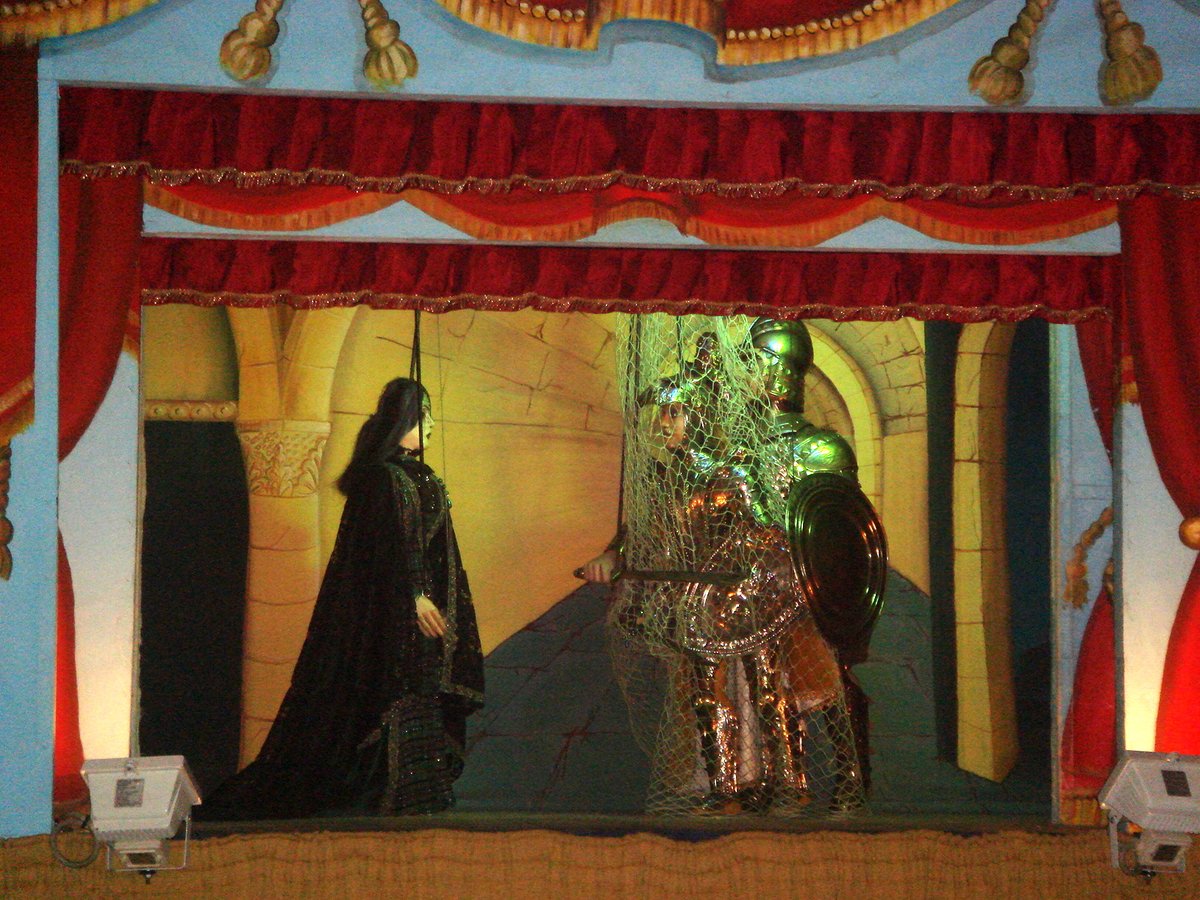 If you think Syracuse is only about Greek archaeology, the Aretuseo Puppet Museum will surprise you. Found almost by chance in a side street of Ortigia, this small museum preserves a living piece of Sicilian culture: the puppet opera, a UNESCO intangible heritage. Don't expect a dusty exhibition—here the marionettes seem ready to take the stage, with their shiny armor and theatrical expressions fixed in painted wood. The collection includes historical puppets from different Sicilian schools, each with distinctive characteristics: the heavier Palermitan ones and the more agile Catanese ones. What stands out are the details: the actual metal swords, the velvet cloaks worn by time, the internal mechanisms that allowed complex movements. Some puppets represent classic characters from the chansons de geste—Orlando, Rinaldo, Angelica—while others depict local popular figures. The setup recreates the atmosphere of an old puppet theater, with the painted backdrop and the prompter's box. Sometimes I wonder how puppeteers managed to maneuver these marionettes, which can weigh up to 15 kilograms, during performances that lasted for hours. The museum occasionally organizes demonstrations, but even without scheduled shows, the well-curated captions and explanatory panels tell the story of this centuries-old tradition. It's a place that speaks of craftsmanship, oral storytelling, and communities gathering in squares. Perhaps it's not the most famous museum in Syracuse, but for me, it was an authentic discovery—a plunge into a Sicily made of handed-down stories, not just ancient stones.
Sea Museum
- Passeggio Adorno, Siracusa (SR)
- https://www.sirmuma.it/
- Open in Google Maps
- View on Google Images
- museodelmaresiracusa@gmail.com
- +39 349 7934280
 If you think Syracuse is only about Greek archaeology and Baroque, the Sea Museum will surprise you. Found almost by chance during a stroll, this small museum tells another side of the city: the one linked to the sea and its people. Don't expect huge halls or futuristic displays: here the atmosphere is intimate, almost familiar, like entering an old sailor's home. The collection is a treasure trove of everyday objects that speak of real life: restored fishing nets, models of traditional boats, fish processing tools that seem to come from a workshop a hundred years ago. What strikes you are the concrete details, like the black-and-white photographs showing fishermen at work in the Porto Grande or the recorded oral stories you can listen to with headphones, scratchy voices telling tales of storms and calm seas. Personally, I found the section dedicated to historical shipwrecks along the Syracuse coast moving, with mapped wrecks and small recovered artifacts. It's not a museum for children (it lacks a bit of interactivity), but for those who want to understand how the sea has shaped the identity of this place. I visited it in just under an hour, leaving with the feeling of having discovered an authentic piece of Syracuse, far from tourist crowds. A tip: if you're in the area, also check out the temporary exhibitions, often dedicated to local artists painting marine scenes. Sometimes they're more interesting than the permanent collections.