The Diocesan Museum of Mazara del Vallo, housed in the elegant 18th-century Seminary building, is a true treasure chest of sacred art. Here you’ll find the famous Monumento Montaperto by Domenico Gagini and a richly stocked Silver Room with over 150 pieces. Four highlights: Monumento Montaperto, a Renaissance masterpiece by Gagini; Processional Cross from 1386, signed by Johannes de Cioni; Baroque Monstrance with diamonds and sapphires, the museum’s symbol; Bishop’s Carriage and sedan chair from the 19th century. A must-see for art and history lovers.
Introduction
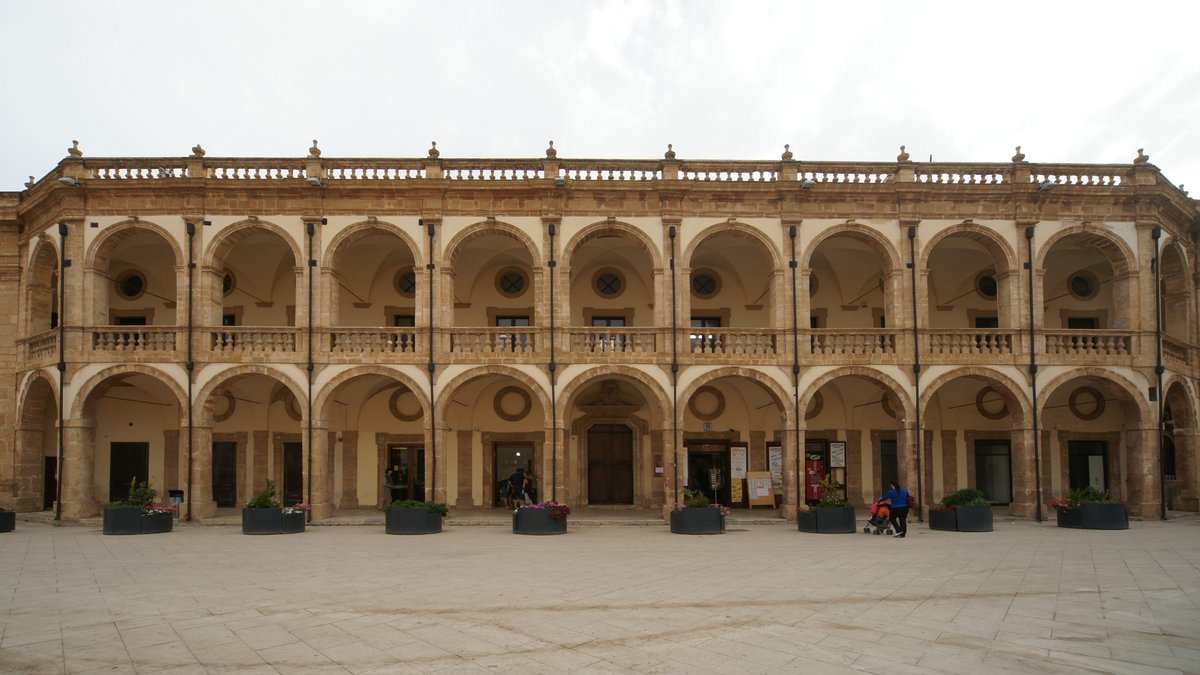
Stepping into the Diocesan Museum of Mazara is like opening a treasure chest. We are in the 18th-century Palazzo del Seminario, designed by Giovanni Biagio Amico, and here you can breathe the history of one of the oldest dioceses in Sicily. The museum, named after Vito Ballatore, houses the Cathedral’s ‘Treasure’ and works from across the diocese. Over 150 silver pieces, Baroque sculptures, paintings from the 14th to the 19th century: a heritage that tells centuries of faith and art. Admission is free, making it a must-see for lovers of sacred art without spending a penny.
Introduction
Stepping into the Diocesan Museum of Mazara is like opening a treasure chest. We are in the 18th-century Palazzo del Seminario, designed by Giovanni Biagio Amico, and here you can breathe the history of one of the oldest dioceses in Sicily. The museum, named after Vito Ballatore, houses the Cathedral’s ‘Treasure’ and works from across the diocese. Over 150 silver pieces, Baroque sculptures, paintings from the 14th to the 19th century: a heritage that tells centuries of faith and art. Admission is free, making it a must-see for lovers of sacred art without spending a penny.
Historical Overview
The Diocese of Mazara was founded by the Normans in 1093. The museum was established in 1993 at the behest of Bishop Emanuele Catarinicchia. After a post-earthquake restoration of the Belice, it reopened in 2009. The venue is the former Seminary, built around 1744. The exhibition follows a chronological order and the commissions of the bishops. Here are the key moments:
Historical Overview
The Diocese of Mazara was founded by the Normans in 1093. The museum was established in 1993 at the behest of Bishop Emanuele Catarinicchia. After a post-earthquake restoration of the Belice, it reopened in 2009. The venue is the former Seminary, built around 1744. The exhibition follows a chronological order and the commissions of the bishops. Here are the key moments:
- 1093: foundation of the Norman diocese
- 1744: construction of the Seminary Palace
- 1993: inauguration of the Diocesan Museum
- 2009: reopening after restoration
- 1093: foundation of the Norman diocese
- 1744: construction of the Seminary Palace
- 1993: inauguration of the Diocesan Museum
- 2009: reopening after restoration
The Montaperto Monument: Gagini’s Masterpiece
Among the most impressive works is the Montaperto Monument, a sepulchral complex created by Domenico Gagini in 1485. It is considered his masterpiece: statues of the Redeemer, the Annunciate Virgin, the four Evangelists, the Cardinal Virtues, and Saint Catherine. The sarcophagus is supported by the Virtues, a brilliant idea that gives movement to the scene. It comes from the Cathedral and tells of the devotion of Bishop Giovanni Montaperto, who commissioned it. White marble, finest details: it looks like a Renaissance nativity scene.
The Montaperto Monument: Gagini’s Masterpiece
Among the most impressive works is the Montaperto Monument, a sepulchral complex created by Domenico Gagini in 1485. It is considered his masterpiece: statues of the Redeemer, the Annunciate Virgin, the four Evangelists, the Cardinal Virtues, and Saint Catherine. The sarcophagus is supported by the Virtues, a brilliant idea that gives movement to the scene. It comes from the Cathedral and tells of the devotion of Bishop Giovanni Montaperto, who commissioned it. White marble, finest details: it looks like a Renaissance nativity scene.
The Silver Hall: Gold and Baroque
The Silver Hall is a triumph of light and reflections. It houses over 150 liturgical objects from the Middle Ages to the 20th century. The oldest piece is a processional cross from 1386, signed by the goldsmith Johannes de Cioni. But the true gem is the Baroque monstrance of Bishop Francesco Maria Graffeo (1685-1695), made of gold with diamonds and sapphires, crafted by a workshop in Trapani. The griffin on the knop has become the symbol of the museum. There are also reliquaries, pyxes, and chasubles embroidered with gold thread. Each bishop left his mark, and here you can see all the splendor of the Sicilian Church.
The Silver Hall: Gold and Baroque
The Silver Hall is a triumph of light and reflections. It houses over 150 liturgical objects from the Middle Ages to the 20th century. The oldest piece is a processional cross from 1386, signed by the goldsmith Johannes de Cioni. But the true gem is the Baroque monstrance of Bishop Francesco Maria Graffeo (1685-1695), made of gold with diamonds and sapphires, crafted by a workshop in Trapani. The griffin on the knop has become the symbol of the museum. There are also reliquaries, pyxes, and chasubles embroidered with gold thread. Each bishop left his mark, and here you can see all the splendor of the Sicilian Church.
Why Visit It
First: free admission allows you to enjoy a high-quality museum without worries. Second: the silver collection is one of the richest in western Sicily, with unique pieces like the cross from 1386. Third: the Monumento Montaperto by Gagini is a work that alone is worth the visit, hard to find elsewhere. Moreover, the museum is not crowded: you can stroll calmly without crowds. Ideal for those who want to immerse themselves in sacred art in an intimate setting.
Why Visit It
First: free admission allows you to enjoy a high-quality museum without worries. Second: the silver collection is one of the richest in western Sicily, with unique pieces like the cross from 1386. Third: the Monumento Montaperto by Gagini is a work that alone is worth the visit, hard to find elsewhere. Moreover, the museum is not crowded: you can stroll calmly without crowds. Ideal for those who want to immerse themselves in sacred art in an intimate setting.
When to Go
The best time? A weekday morning, when light filters through the Seminary windows and illuminates the silver. The museum is open only until 12:30 PM (and in the afternoon only on certain days), so it’s best to arrive early. Avoid November and December, as it is closed due to staff shortages. In spring or autumn, with mild temperatures, you can combine the visit with a walk in the historic center of Mazara.
When to Go
The best time? A weekday morning, when light filters through the Seminary windows and illuminates the silver. The museum is open only until 12:30 PM (and in the afternoon only on certain days), so it’s best to arrive early. Avoid November and December, as it is closed due to staff shortages. In spring or autumn, with mild temperatures, you can combine the visit with a walk in the historic center of Mazara.
Nearby
A few steps away, the Cathedral of the Most Holy Savior is worth a visit: it holds other works and its Norman architecture is fascinating. For a dive into local life, stroll through the historic center or go to the waterfront, where the fishing port tells the seafaring history of Mazara. If you have time, the Museum of the Dancing Satyr (with the famous Greek statue) is a 10-minute walk away, another unmissable stop.
Nearby
A few steps away, the Cathedral of the Most Holy Savior is worth a visit: it holds other works and its Norman architecture is fascinating. For a dive into local life, stroll through the historic center or go to the waterfront, where the fishing port tells the seafaring history of Mazara. If you have time, the Museum of the Dancing Satyr (with the famous Greek statue) is a 10-minute walk away, another unmissable stop.