Introduction: Between Sacred and Panorama
The Diocesan Museum of Catania is a hidden gem in the heart of the historic center. Housed in the Palazzo del Seminario dei Chierici, next to the Cathedral of Saint Agatha, it is not a museum like any other: here sacred art blends with breathtaking views. Climbing the stairs, you come across precious silverware and ancient vestments, but the real showstopper awaits on the panoramic terraces. From there, Mount Etna dominates the skyline, while below lies Piazza del Duomo with the Elephant Fountain. And then there’s the silver ferculum of Saint Agatha, the “vara,” which alone is worth the visit. A place that unites faith, history, and beauty, all within a few floors.
Introduction: Between Sacred and Panorama
The Diocesan Museum of Catania is a hidden gem in the heart of the historic center. Housed in the Palazzo del Seminario dei Chierici, next to the Cathedral of Saint Agatha, it is not a museum like any other: here sacred art blends with breathtaking views. Climbing the stairs, you come across precious silverware and ancient vestments, but the real showstopper awaits on the panoramic terraces. From there, Mount Etna dominates the skyline, while below lies Piazza del Duomo with the Elephant Fountain. And then there’s the silver ferculum of Saint Agatha, the “vara,” which alone is worth the visit. A place that unites faith, history, and beauty, all within a few floors.
Historical Overview: From 1069 to the Present
The museum’s history is tied to that of the Cathedral, founded in
1069 after the Norman conquest. The
1693 earthquake destroyed much of the city, but many sacred furnishings were recovered and are now displayed here. The museum holds treasures from the 14th to the 20th centuries, including the small sword of Ludovico d’Aragona (1355) and the reliquary of Saint George (1576). The current building, the Seminario dei Chierici, dates from after the earthquake.
- 1069: founding of the Cathedral
- 1355: small sword of Ludovico d’Aragona
- 1576: reliquary of Saint George
- 1693: earthquake that destroyed Catania
- 1994: visit of Pope John Paul II
Historical Overview: From 1069 to the Present
The museum’s history is tied to that of the Cathedral, founded in
1069 after the Norman conquest. The
1693 earthquake destroyed much of the city, but many sacred furnishings were recovered and are now displayed here. The museum holds treasures from the 14th to the 20th centuries, including the small sword of Ludovico d’Aragona (1355) and the reliquary of Saint George (1576). The current building, the Seminario dei Chierici, dates from after the earthquake.
- 1069: founding of the Cathedral
- 1355: small sword of Ludovico d’Aragona
- 1576: reliquary of Saint George
- 1693: earthquake that destroyed Catania
- 1994: visit of Pope John Paul II
The Silver Fercolo: A Masterpiece of Goldsmithing
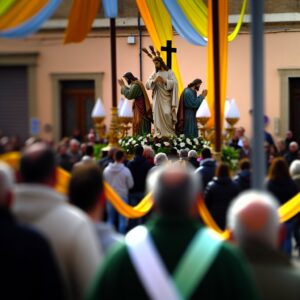
The star of the museum is the silver fercolo of Saint Agatha, nicknamed ‘a vara. Tall and massive, it is made of finely chiseled silver, and every year on February 5, it is carried in procession through the city streets. In the ground-floor room, you can admire it up close, with all its Baroque details. But it’s not the only gem: the reliquary bust of Saint Agatha, on the second floor, is covered with over 300 jewels, including a crown and the Legion of Honour collar of Vincenzo Bellini. It’s a jaw-dropping sight.
The Silver Fercolo: A Masterpiece of Goldsmithing
The star of the museum is the silver fercolo of Saint Agatha, nicknamed ‘a vara. Tall and massive, it is made of finely chiseled silver, and every year on February 5, it is carried in procession through the city streets. In the ground-floor room, you can admire it up close, with all its Baroque details. But it’s not the only gem: the reliquary bust of Saint Agatha, on the second floor, is covered with over 300 jewels, including a crown and the Legion of Honour collar of Vincenzo Bellini. It’s a jaw-dropping sight.
Terraces with a View: Etna Within Sight
Climbing up to the panoramic terraces of the museum is an experience I recommend to everyone. From there, your gaze sweeps over Via Etnea, with Etna seemingly just a step away, and on the other side over the walls of Charles V and the port. The contrast between the white of the lava and the blue of the sea is spectacular. Additionally, from the terrace you can access Porta Uzeda, from where you can see Castello Ursino. It’s the perfect spot for taking photos and soaking up the city’s atmosphere. If you’re lucky, you might see Etna smoking.
Terraces with a View: Etna Within Sight
Climbing up to the panoramic terraces of the museum is an experience I recommend to everyone. From there, your gaze sweeps over Via Etnea, with Etna seemingly just a step away, and on the other side over the walls of Charles V and the port. The contrast between the white of the lava and the blue of the sea is spectacular. Additionally, from the terrace you can access Porta Uzeda, from where you can see Castello Ursino. It’s the perfect spot for taking photos and soaking up the city’s atmosphere. If you’re lucky, you might see Etna smoking.
Why Visit It
Three good reasons: first, the silver ferculum of St. Agatha is a unique piece you won’t find anywhere else. Second, the panoramic terraces offer a view that no other museum in the city can provide. Third, with a combo ticket (€10) you also visit the Terme Achilliane, an underground Roman complex where the Amenano River flows. In short, one ticket for two experiences: art and underground history. Plus, the museum is often uncrowded, perfect for a quiet visit.
Why Visit It
Three good reasons: first, the silver ferculum of St. Agatha is a unique piece you won’t find anywhere else. Second, the panoramic terraces offer a view that no other museum in the city can provide. Third, with a combo ticket (€10) you also visit the Terme Achilliane, an underground Roman complex where the Amenano River flows. In short, one ticket for two experiences: art and underground history. Plus, the museum is often uncrowded, perfect for a quiet visit.
When to Go
The best time? Early morning, when the light illuminates the cathedral’s Baroque façade and Mount Etna stands sharp on the horizon. Or late afternoon, just before closing, when the setting sun tints the terraces pink. I prefer the morning: fewer people and more quiet, perfect for appreciating the details of the sacred vestments. Avoid the midday hours in summer—the heat is noticeable, even though the museum is air-conditioned.
When to Go
The best time? Early morning, when the light illuminates the cathedral’s Baroque façade and Mount Etna stands sharp on the horizon. Or late afternoon, just before closing, when the setting sun tints the terraces pink. I prefer the morning: fewer people and more quiet, perfect for appreciating the details of the sacred vestments. Avoid the midday hours in summer—the heat is noticeable, even though the museum is air-conditioned.
What’s Nearby
The museum is located in Piazza del Duomo, the beating heart of Catania. After your visit, take a stroll to the adjacent Cathedral of Sant’Agata to see its chapels and treasury. Just a few steps away, you’ll find the Elephant Fountain, the city’s symbol. If you have time, walk along Via Etnea to Piazza Stesicoro, where the remains of the Roman Amphitheater lie. And don’t forget to sample a cannolo at one of the local pastry shops.
What’s Nearby
The museum is located in Piazza del Duomo, the beating heart of Catania. After your visit, take a stroll to the adjacent Cathedral of Sant’Agata to see its chapels and treasury. Just a few steps away, you’ll find the Elephant Fountain, the city’s symbol. If you have time, walk along Via Etnea to Piazza Stesicoro, where the remains of the Roman Amphitheater lie. And don’t forget to sample a cannolo at one of the local pastry shops.