
🧭 What to Expect
- Ideal for: city-breakers, families, history and sea lovers
- Highlights: medieval historic center of Castello, panoramic towers, archaeological museums, Poetto beach, food and wine at the market
- Tip: visit the towers and bastion in the morning, then lunch at the market and afternoon at the museum or beach
- Accessibility: well connected by bus and train, walkable city
- Climate: spring and autumn are the best seasons
Events nearby
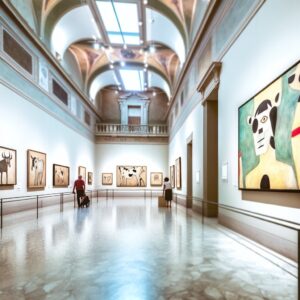
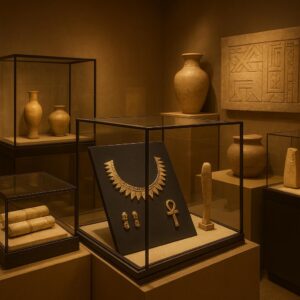
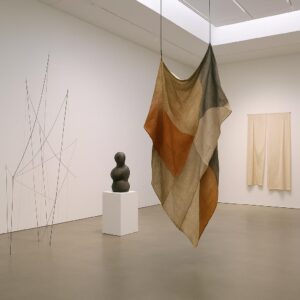
If you're looking for a city that combines millennia of history, postcard-worthy beaches, and a lively center, Cagliari is the right choice. Getting lost in the alleys of the Castello district, climbing the medieval towers, and looking out from the Saint Remy bastion offer breathtaking views. I started my tour from the Bastione di Saint Remy: from there you can see the entire gulf, and it's the perfect place to get your bearings. Then I strolled to the Torre dell'Elefante and San Pancrazio, two Pisan towers that tell the story of the city's defense. The Roman Amphitheater, carved into the rock, is a piece of history in the open air, while the National Archaeological Museum houses the giants of Mont'e Prama. For an authentic break, the San Benedetto Market is an explosion of colors and flavors: try pane carasau and local cheeses. And don't forget a walk along Poetto, the city's seafront. Cagliari is compact, easy to explore on foot or by public transport, and every corner has a story to tell.
Overview
- Bastione di Saint Remy: Cagliari's Panoramic Balcony
- Torre dell'Elefante: a dive into Pisan medieval history
- Torre dell'Elefante: a dive into Pisan medieval history
- San Pancrazio Tower: The Sentinel of Cagliari
- Roman Amphitheater: A Dive into Imperial Cagliari
- Roman Amphitheater: A Dive into Imperial Cagliari
- National Archaeological Museum of Cagliari
- Castello San Michele: History, Art, and a Breathtaking View
- Castello San Michele: History, Art, and a Breathtaking View
- Royal Palace: the heart of power in Cagliari
- Royal Palace: the heart of power in Cagliari
- Botanical Garden: A Journey into Nature and History
- Tuvixeddu Archaeological Park: The Largest Punic Necropolis in the Mediterranean
- Tuvixeddu Archaeological Park: The Largest Punic Necropolis in the Mediterranean
- National Picture Gallery: Art and History within the Castle Walls
- Stefano Cardu Civic Museum of Siamese Art: A Corner of Asia Among the Towers of Cagliari
- The Teatro Lirico of Cagliari: A Modern Gem in the Heart of Music
- The Jewish Ghetto: A Misleading Name
- Grotta della Vipera: A Roman Jewel Carved in Rock
- Torre del Poetto: A Balcony on the Devil's Saddle
Itineraries nearby


Bastione di Saint Remy: Cagliari's Panoramic Balcony
- Via Giovanni Spano, Casteddu/Cagliari (CA)
- Open in Google Maps
- View on Google Images
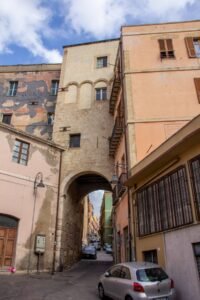
 If there is one place that instantly explains why Cagliari is called the city of the sun, it is the Bastione di Saint Remy. Built between the late 19th and early 20th centuries atop the ancient Spanish fortifications, this neoclassical monument is much more than a simple viewpoint: it is the true living room of the upper city. The name? It comes from the Baron of Saint Remy, the first Piedmontese viceroy. You can reach it from Piazza Costituzione by climbing the monumental double-flight staircase (170 steps on each side), or, if your legs are tired, take the elevator from Via Regina Margherita. Once on the Terrazza Umberto I, 56 meters above the sea, the spectacle is complete: on one side, the port and the Gulf of Angels; on the other, the rooftops of Villanova, the Campidano plain, and the mountains of the Sette Fratelli Park. The terrace, spanning 4,600 square meters, is ideal for events and exhibitions, but also for a simple stroll among the palm trees. Beneath the terrace lies the Galleria Umberto I, a covered walkway with three naves that once served as a banquet hall, a infirmary during the Great War, and a shelter for the displaced in World War II. Today, it is an exhibition space. The Bastion is always free to visit, and if you happen to catch a temporary exhibition, even better. A tip: go at sunset, when the light illuminates the Bonaria stone and the sea seems to merge with the sky.
Torre dell'Elefante: a dive into Pisan medieval history
- Go to the page: Elephant Tower: History and Panorama from Castello
- Via Santa Croce, Casteddu/Cagliari (CA)
- https://www.beniculturalicagliari.it/
- Open in Google Maps
- View on Google Images
 The Torre dell'Elefante is one of the two surviving white towers of the Pisan city walls of Cagliari. Designed by architect Giovanni Capula, it was completed in 1307 to defend access to the Castello district. Standing 31 meters high on one side and 42 on the other, it is made of white limestone from the Bonaria quarries. On the southern facade, a few meters above the pavement, an elephant sculpture stands out, giving the tower its name. Beside the entrance, an inscription remembers Capula with the words 'nunquam in suis operibus inventus sinister' (never found sinister in his works). Over the centuries, the tower had various uses: powder magazine, armory, and during Spanish rule, a prison (the heads of the condemned were displayed as a warning). Today, after a restoration that brought it back to its original Pisan conditions, it is open to visitors. The climb is strenuous (wooden walkways over four floors), but the 360° view from the terrace repays every effort: you can embrace the Gulf of Angels and the rooftops of Castello. Note: currently access is limited to the lower third of the tower, but redevelopment works (regional funding of 400,000 euros) promise to improve accessibility. Hours: summer 9:00-13:00 and 15:30-19:30, winter until 17:00. Full ticket €3, reduced €2 (school groups €1). Info and ticket office at via Santa Croce 2. If you are in Cagliari, don't miss this window onto Pisan medieval history: the tower is a piece of history to experience with all senses.
Torre dell'Elefante: a dive into Pisan medieval history
- Go to the page: Elephant Tower in Cagliari: 360° View from the Medieval Landmark with 170 Steps
- Via Santa Croce, Casteddu/Cagliari (CA)
- https://www.beniculturalicagliari.it/
- Open in Google Maps
- View on Google Images
The Torre dell'Elefante is one of the two surviving white towers of the Pisan city walls of Cagliari. Designed by architect Giovanni Capula, it was completed in 1307 to defend access to the Castello district. Standing 31 meters high on one side and 42 on the other, it is made of white limestone from the Bonaria quarries. On the southern facade, a few meters above the pavement, an elephant sculpture stands out, giving the tower its name. Beside the entrance, an inscription remembers Capula with the words 'nunquam in suis operibus inventus sinister' (never found sinister in his works). Over the centuries, the tower had various uses: powder magazine, armory, and during Spanish rule, a prison (the heads of the condemned were displayed as a warning). Today, after a restoration that brought it back to its original Pisan conditions, it is open to visitors. The climb is strenuous (wooden walkways over four floors), but the 360° view from the terrace repays every effort: you can embrace the Gulf of Angels and the rooftops of Castello. Note: currently access is limited to the lower third of the tower, but redevelopment works (regional funding of 400,000 euros) promise to improve accessibility. Hours: summer 9:00-13:00 and 15:30-19:30, winter until 17:00. Full ticket €3, reduced €2 (school groups €1). Info and ticket office at via Santa Croce 2. If you are in Cagliari, don't miss this window onto Pisan medieval history: the tower is a piece of history to experience with all senses.San Pancrazio Tower: The Sentinel of Cagliari
- Go to the page: San Pancrazio Tower: 360° View Over Cagliari's Gulf Since 1305
- Via Ubaldo Badas, Casteddu/Cagliari (CA)
- Open in Google Maps
- View on Google Images
 On the top of the Castello hill, 130 meters above the sea, stands the San Pancrazio Tower, the tallest and oldest of Cagliari's towers. Built by the Pisans in 1305 under the design of architect Giovanni Capula, it was the stronghold of the city's defensive system. At 36 meters high, it was a crucial lookout point for monitoring naval traffic as far as Villasimius. The massive structure of white Bonaria limestone, with thick walls and an open back to facilitate communication, is a masterpiece of medieval military engineering. Over time, it lived a thousand lives: ammunition depot, housing for officials, and from the 17th century, a harsh prison where inmates survived in terrible conditions. Today, however, the tower is permanently closed to the public. Announced restoration works never started, and access is only granted on special occasions like the FAI's Monumenti Aperti days. If you happen to visit, climb the wooden steps to the top: from there, you enjoy a 360° view of Cagliari, the Gulf of Angels, Monte Urpinu park, and the Campidano plain. Until then, you can console yourself with the twin Tower of the Elephant, which is regularly open. The San Pancrazio Tower remains a symbol of the city, a piece of history waiting to be rediscovered.
Roman Amphitheater: A Dive into Imperial Cagliari
- Go to the page: Roman Amphitheatre of Cagliari: Rock-Carved Arena for 10,000 Spectators
- Via Aurelio Nicolodi, Casteddu/Cagliari (CA)
- http://www.anfiteatroromano.it/
- Open in Google Maps
- View on Google Images
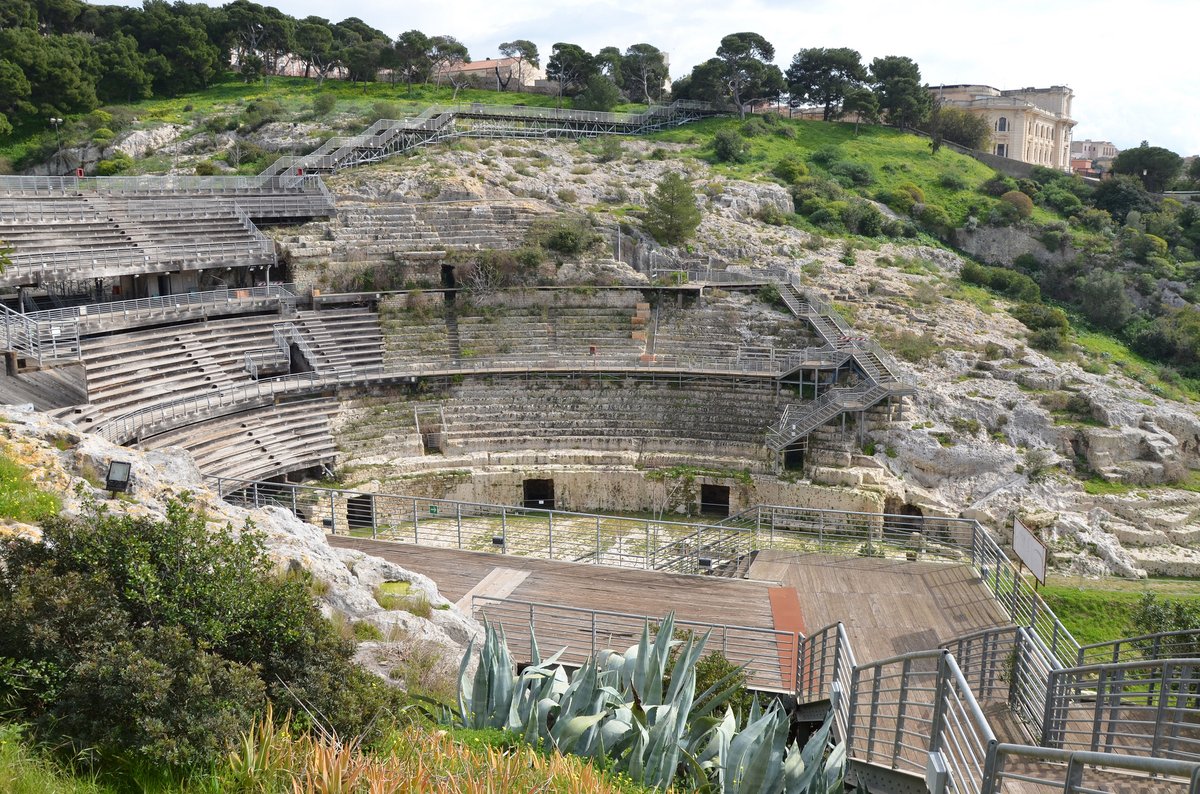 If you think Cagliari is just about the sea and beaches, you're in for a big surprise. In the heart of the city, between the Castello and Stampace districts, there's a corner of Roman history that will leave you breathless: the Roman Amphitheater. Built between the 1st and 2nd centuries AD, it is the most important public building of Roman Sardinia. What immediately strikes you? It is half carved into the rock of Buoncammino hill, while the other half was made of white limestone blocks. The southern facade, now lost, must have exceeded 20 meters. It could hold up to 10,000 spectators, almost a third of the population of Roman Carales. Here, gladiator fights, wild animal hunts (venationes), and capital executions took place. The seating was divided by social class: women and slaves at the top, senators at the bottom. With the rise of Christianity, the shows lost popularity and were banned in 438 AD. The amphitheater fell into disuse and for centuries was used as a quarry. Only in the 19th century did Canon Giovanni Spano bring it back to light. Today it is open to visitors: you can walk through the corridors (ambulacra), see the animal cells, and admire the cavea. The arena and underground spaces are closed for restoration, but the view is spectacular. Hours: daily 10:00 AM-5:00 PM (winter) or 10:00 AM-1:00 PM and 3:00 PM-7:00 PM (summer). Full ticket: €3, reduced €2. Address: Via Sant'Ignazio da Laconi. A tip? Bring a little imagination: close your eyes and hear the roar of the arena.
Roman Amphitheater: A Dive into Imperial Cagliari
- Go to the page: Roman Amphitheatre of Cagliari: History, Hours & Tickets
- Via Aurelio Nicolodi, Casteddu/Cagliari (CA)
- http://www.anfiteatroromano.it/
- Open in Google Maps
- View on Google Images
If you think Cagliari is just about the sea and beaches, you're in for a big surprise. In the heart of the city, between the Castello and Stampace districts, there's a corner of Roman history that will leave you breathless: the Roman Amphitheater. Built between the 1st and 2nd centuries AD, it is the most important public building of Roman Sardinia. What immediately strikes you? It is half carved into the rock of Buoncammino hill, while the other half was made of white limestone blocks. The southern facade, now lost, must have exceeded 20 meters. It could hold up to 10,000 spectators, almost a third of the population of Roman Carales. Here, gladiator fights, wild animal hunts (venationes), and capital executions took place. The seating was divided by social class: women and slaves at the top, senators at the bottom. With the rise of Christianity, the shows lost popularity and were banned in 438 AD. The amphitheater fell into disuse and for centuries was used as a quarry. Only in the 19th century did Canon Giovanni Spano bring it back to light. Today it is open to visitors: you can walk through the corridors (ambulacra), see the animal cells, and admire the cavea. The arena and underground spaces are closed for restoration, but the view is spectacular. Hours: daily 10:00 AM-5:00 PM (winter) or 10:00 AM-1:00 PM and 3:00 PM-7:00 PM (summer). Full ticket: €3, reduced €2. Address: Via Sant'Ignazio da Laconi. A tip? Bring a little imagination: close your eyes and hear the roar of the arena.National Archaeological Museum of Cagliari
- Go to the page: National Archaeological Museum of Cagliari: Giants of Mont'e Prama and Sardinian History
- Piazza Arsenale 1, Casteddu/Cagliari (CA)
- Open in Google Maps
- View on Google Images
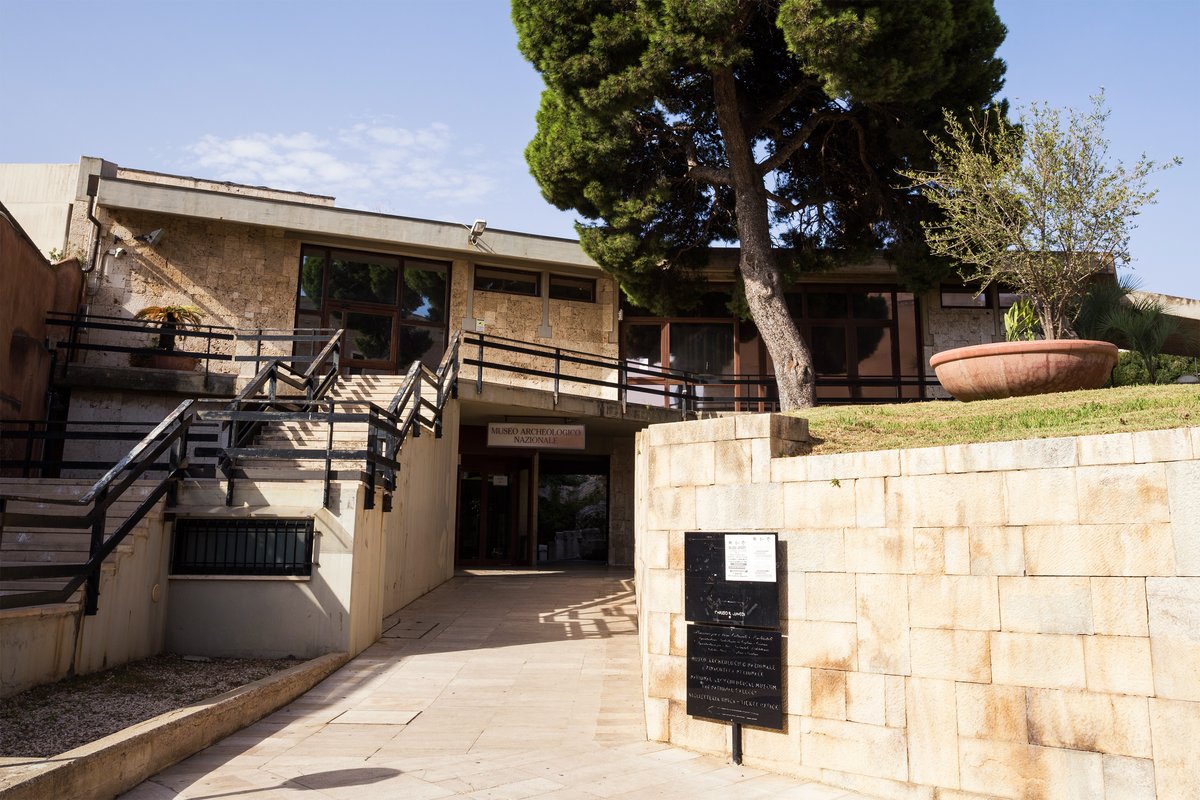 If there's a place that holds the deep soul of Sardinia, it's the National Archaeological Museum of Cagliari. Located in the heart of the Castello district, inside the Cittadella dei Musei, it occupies the ancient Royal Arsenal, restored between 1956 and 1979 by architects Libero Cecchini and Piero Gazzola. As soon as you enter, you realize it's no ordinary museum: over 4,000 artifacts take you on a journey through almost 8,000 years of history, from the Neolithic to the Byzantine era. The collection is vast, but if I had to pick the highlights, I'd say right away: the Giants of Mont'e Prama. These are limestone statues up to 2.5 meters tall, dating back to the 8th century BC, depicting warriors, archers, and boxers. A sensational discovery that rewrote the history of ancient art. Then there are the Nuragic bronzetti, hundreds of bronze statuettes that tell the daily life and rituals of a mysterious civilization. And don't forget the Nuragic boat, the stele of Nora, the bust of Trajan. The museum is spread over four floors: the first is chronological, the others topographical (unfortunately the third is closed for renovations). A visit takes at least a couple of hours, but it's worth it. The museum is very accessible, with tactile maps, ramps, and elevators. Entry is free on the first Sunday of each month, but even the regular ticket is fair: €10 combined with the Pinacoteca. A tip: go up to the museum terrace, the view over the Gulf of Cagliari is spectacular. In short, if you're in Cagliari, you can't miss it.
Castello San Michele: History, Art, and a Breathtaking View
- Go to the page: Castello San Michele: History, Legends, and Breathtaking Views
- Via Edward Jenner, Casteddu/Cagliari (CA)
- Open in Google Maps
- View on Google Images
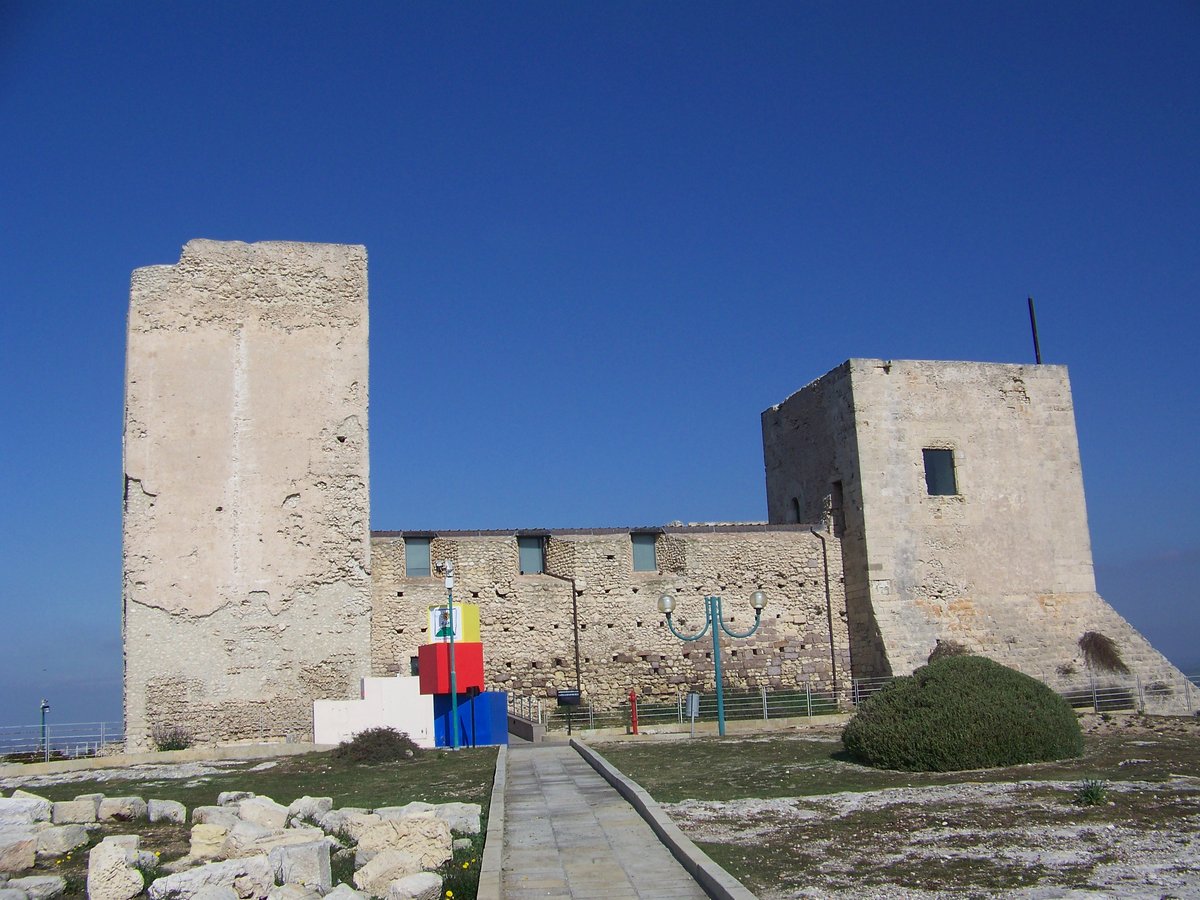 If you climb up to San Michele hill, you'll find a castle that looks like it stepped out of a history book. Built in the 12th century and expanded by the Pisans and later the Aragonese, Castello di San Michele dominates Cagliari from a height of 180 meters. Its three corner towers—two Pisan and one Aragonese—are made of Bonaria limestone. Walking along the moat, you'll notice the entrance was once crossed by a drawbridge—its traces remain. The oldest part? The northeast and southeast towers, with perfectly squared ashlars. The southwest tower, more roughly built, dates to the 15th century. Inside, there was once the chapel of San Michele Arcangelo, and today the castle is a center for art and culture. The view from up here is incredible: it spans the historic center, the port, Poetto beach, and Santa Gilla lagoon. They say the ghost of Countess Violante Carroz, the last of her dynasty, roams here. True or not, the atmosphere is magical. Entrance costs €5, reduced €2.50. If there's an exhibition, the ticket rises to €6. Open Tuesday to Sunday, with changing hours: in summer until 8 PM, in winter until 6 PM. Closed on Mondays. I recommend booking a guided tour—it costs €2 more but is worth it. The surrounding park is perfect for a stroll.
Castello San Michele: History, Art, and a Breathtaking View
- Go to the page: San Michele Castle: Pisan fortress with 360° views over Cagliari and the Gulf of Angels
- Via Edward Jenner, Casteddu/Cagliari (CA)
- Open in Google Maps
- View on Google Images
If you climb up to San Michele hill, you'll find a castle that looks like it stepped out of a history book. Built in the 12th century and expanded by the Pisans and later the Aragonese, Castello di San Michele dominates Cagliari from a height of 180 meters. Its three corner towers—two Pisan and one Aragonese—are made of Bonaria limestone. Walking along the moat, you'll notice the entrance was once crossed by a drawbridge—its traces remain. The oldest part? The northeast and southeast towers, with perfectly squared ashlars. The southwest tower, more roughly built, dates to the 15th century. Inside, there was once the chapel of San Michele Arcangelo, and today the castle is a center for art and culture. The view from up here is incredible: it spans the historic center, the port, Poetto beach, and Santa Gilla lagoon. They say the ghost of Countess Violante Carroz, the last of her dynasty, roams here. True or not, the atmosphere is magical. Entrance costs €5, reduced €2.50. If there's an exhibition, the ticket rises to €6. Open Tuesday to Sunday, with changing hours: in summer until 8 PM, in winter until 6 PM. Closed on Mondays. I recommend booking a guided tour—it costs €2 more but is worth it. The surrounding park is perfect for a stroll.Royal Palace: the heart of power in Cagliari
- Go to the page: Royal Palace, Cagliari: A Journey into the Viceroys' Residence
- Piazza Palazzo, Casteddu/Cagliari (CA)
- Open in Google Maps
- View on Google Images
 Impossible to miss it, in Piazza Palazzo, between the cathedral and the Bastion of Saint Remy: the Royal Palace is a must for anyone wanting to understand the history of Cagliari. Built by the Pisans between the 12th and 13th centuries, in 1337 it became the residence of the viceroy by order of Peter IV of Aragon. Since then, for nearly five hundred years, the fate of the island was decided here. Entrance fee is 3 euros, but it's worth it: you enter the atrium and are immediately welcomed by the monumental 18th-century staircase, work of the Piedmontese engineers de Guibert and de Vincenti. Climbing up, you reach the piano nobile where the Hall of the Halberdiers stands out, with portraits of 24 viceroys that seem to sternly observe you. Then the Council Chamber, decorated between 1893 and 1896 by Domenico Bruschi: his frescoes tell episodes of Sardinian history and the House of Savoy. Curious: the Savoy family stayed here in exile from 1799 to 1815, when Napoleon occupied Turin. Today the palace houses the Prefecture and the Metropolitan City, but part is visitable: besides the rooms, you can admire precious silverware and porcelain, such as the Ginori amaranth service. Open daily from 10 am to 7 pm. The cumulative ticket at 4 euros also includes temporary exhibitions. If you can, take the guided tour (5 euros): it will reveal details you wouldn't notice on your own. A tip: after the visit, step out onto the balcony on the west facade: the view over the city is an unexpected bonus.
Royal Palace: the heart of power in Cagliari
- Go to the page: Royal Palace of Cagliari: Frescoed Halls and Monumental Staircases in the Heart of Castello
- Piazza Palazzo, Casteddu/Cagliari (CA)
- Open in Google Maps
- View on Google Images
Impossible to miss it, in Piazza Palazzo, between the cathedral and the Bastion of Saint Remy: the Royal Palace is a must for anyone wanting to understand the history of Cagliari. Built by the Pisans between the 12th and 13th centuries, in 1337 it became the residence of the viceroy by order of Peter IV of Aragon. Since then, for nearly five hundred years, the fate of the island was decided here. Entrance fee is 3 euros, but it's worth it: you enter the atrium and are immediately welcomed by the monumental 18th-century staircase, work of the Piedmontese engineers de Guibert and de Vincenti. Climbing up, you reach the piano nobile where the Hall of the Halberdiers stands out, with portraits of 24 viceroys that seem to sternly observe you. Then the Council Chamber, decorated between 1893 and 1896 by Domenico Bruschi: his frescoes tell episodes of Sardinian history and the House of Savoy. Curious: the Savoy family stayed here in exile from 1799 to 1815, when Napoleon occupied Turin. Today the palace houses the Prefecture and the Metropolitan City, but part is visitable: besides the rooms, you can admire precious silverware and porcelain, such as the Ginori amaranth service. Open daily from 10 am to 7 pm. The cumulative ticket at 4 euros also includes temporary exhibitions. If you can, take the guided tour (5 euros): it will reveal details you wouldn't notice on your own. A tip: after the visit, step out onto the balcony on the west facade: the view over the city is an unexpected bonus.Botanical Garden: A Journey into Nature and History
- Casteddu/Cagliari (CA)
- Open in Google Maps
- View on Google Images
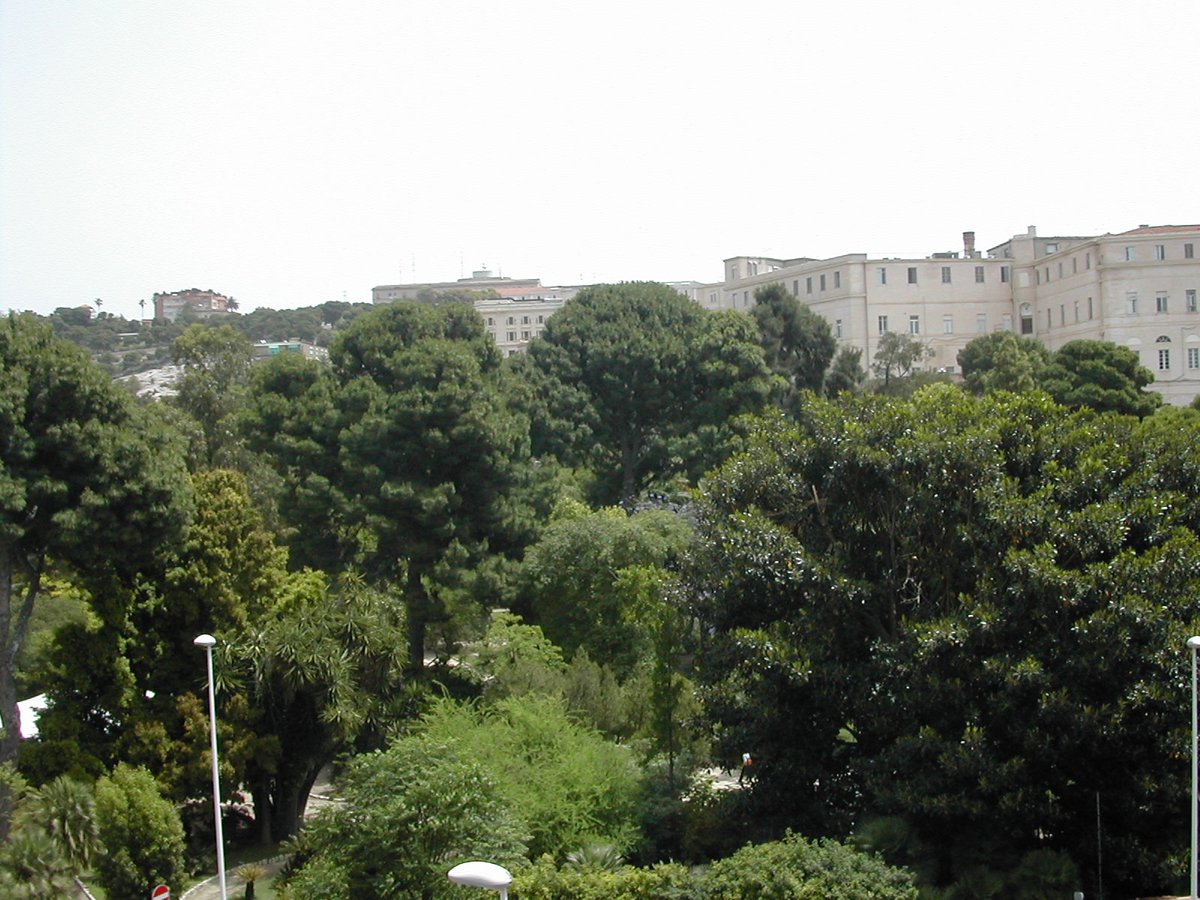 If you think Cagliari is just sea and historic center, think again. The Botanical Garden is one of those surprises that reconciles you with the city. Inaugurated in 1866 by botanist Patrizio Gennari, it stretches over about 5 hectares in the Palabanda valley, right next to the Roman Amphitheatre. A perfect blend of nature and archaeology: here you stroll among plants from all over the world and come across Roman cisterns, a noira well, and even a calidarium cave. Over 2,000 species divided into collections: the palm grove, succulents (one of the richest in Italy), Mediterranean woodland, the Garden of Simples with medicinal plants and Braille panels. Don't miss the giant Ficus magnolioides, the euphorbia canariensis, and in spring, the spectacle of lotus flowers in the central pond. The garden is also a research center: it houses the Sardinian Germplasm Bank, which preserves seeds of endangered species. Open all year, with hours varying between summer and winter (check the website). Full ticket €4, but there are various cumulative options. Come with comfortable shoes and, if possible, in spring: the blooms are magical. And if you're lucky, you might catch a free guided tour or a musical event. A place that combines science, history, and beauty: you won't regret it.
Tuvixeddu Archaeological Park: The Largest Punic Necropolis in the Mediterranean
- Go to the page: Tuvixeddu: The Largest Punic Necropolis in the Mediterranean
- Via Falzarego 32, Casteddu/Cagliari (CA)
- Open in Google Maps
- View on Google Images
 If you think Cagliari is only about the sea and the historic center, prepare to change your mind. On the hill of Tuvixeddu, just a stone's throw from Viale Sant'Avendrace, lies the largest Punic necropolis in the Mediterranean: over a thousand tombs carved into the limestone rock, used from the 6th century BC to the early Middle Ages. The name? It comes from 'tuvu', meaning cavity in Sardinian – and there are plenty of cavities here. The tombs are shaft tombs: a vertical opening of 2.5–11 meters, with decorated underground chambers. The most famous are the Tomba dell'Ureo, with a winged serpent fresco, and the Tomba di Sid, featuring a bearded warrior hurling a spear. They are unique in Sardinia for their figurative paintings. A bit further on, the Roman Grotta della Vipera, dedicated to Atilia Pomptilla. The park is also a green lung: among shrubs and agaves, paths wind up offering views of the Santa Gilla lagoon. Unfortunately, recent history has been harsh: in the 20th century, the hill was a cement quarry that destroyed part of the tombs. Since 2014, after years of battles, it is finally open to the public. Entrance is free from Via Falzarego. Open daily (hours vary by season), but guided tours are on Saturdays and Sundays. The artifacts – jewelry, ceramics, amulets – are at the National Archaeological Museum. A tip? Bring a water bottle and comfortable shoes: here you walk between history and nature, losing yourself among millennia of stories.
Tuvixeddu Archaeological Park: The Largest Punic Necropolis in the Mediterranean
- Go to the page: Tuvixeddu Archaeological Park: The Largest Punic Necropolis in the Mediterranean in Cagliari
- Via Falzarego 32, Casteddu/Cagliari (CA)
- Open in Google Maps
- View on Google Images
If you think Cagliari is only about the sea and the historic center, prepare to change your mind. On the hill of Tuvixeddu, just a stone's throw from Viale Sant'Avendrace, lies the largest Punic necropolis in the Mediterranean: over a thousand tombs carved into the limestone rock, used from the 6th century BC to the early Middle Ages. The name? It comes from 'tuvu', meaning cavity in Sardinian – and there are plenty of cavities here. The tombs are shaft tombs: a vertical opening of 2.5–11 meters, with decorated underground chambers. The most famous are the Tomba dell'Ureo, with a winged serpent fresco, and the Tomba di Sid, featuring a bearded warrior hurling a spear. They are unique in Sardinia for their figurative paintings. A bit further on, the Roman Grotta della Vipera, dedicated to Atilia Pomptilla. The park is also a green lung: among shrubs and agaves, paths wind up offering views of the Santa Gilla lagoon. Unfortunately, recent history has been harsh: in the 20th century, the hill was a cement quarry that destroyed part of the tombs. Since 2014, after years of battles, it is finally open to the public. Entrance is free from Via Falzarego. Open daily (hours vary by season), but guided tours are on Saturdays and Sundays. The artifacts – jewelry, ceramics, amulets – are at the National Archaeological Museum. A tip? Bring a water bottle and comfortable shoes: here you walk between history and nature, losing yourself among millennia of stories.National Picture Gallery: Art and History within the Castle Walls
- Via Ubaldo Badas, Casteddu/Cagliari (CA)
- http://musei.sardegna.beniculturali.it/musei/pinacoteca-nazionale-di-cagliari/
- Open in Google Maps
- View on Google Images
- pm-sar.pinacoteca.cagliari@beniculturali.it
- +39 070 662496
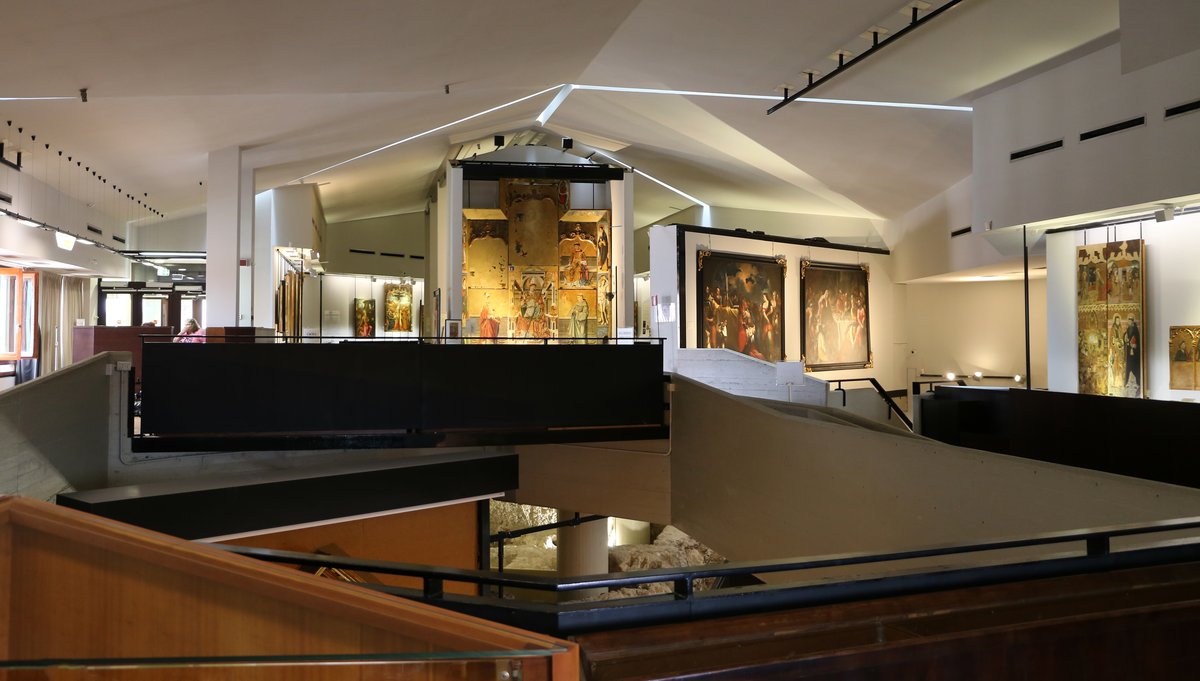 When you think of Cagliari, your first thought goes to the sea and the sun. But if you climb up to the Castello district, surprises await you. The National Picture Gallery, nestled within the Citadel of Museums, is one of those places that makes you realize how much history and art this island holds. The exhibition is spread over three floors, with a collection ranging from the 15th century to contemporary works, but the real heart is the Sardinian and Catalan pieces from the Aragonese period. And yes, here you'll find retablos and religious paintings of breathtaking beauty, brought here after the demolition of the old church of San Francesco in 1875. The entrance is on the third floor of the Archaeological Museum, but don't worry: the cumulative ticket (€10) lets you visit both, as well as the Museum of Anatomical Waxes and the Cardu collection if you have time. My advice? Take half an hour for the Picture Gallery, then step out onto the terrace of the Citadel and admire the view over the city and the gulf. The late afternoon light is magical. On Fridays and Saturdays, the opening hours are extended until 7:30 PM, but the ticket office closes at 6:45 PM, so plan accordingly. If crowded museums aren't your thing, come on Mondays or Wednesdays: fewer queues and more quiet to enjoy the artworks. And keep an eye out for temporary exhibitions: in 2014, for instance, they hosted a beautiful exhibition for the 200th anniversary of the Carabinieri. In short, the Picture Gallery is a gem that tells the story of deep Sardinia, far from the beaches, but equally fascinating.
Stefano Cardu Civic Museum of Siamese Art: A Corner of Asia Among the Towers of Cagliari
- Go to the page: Cardu Museum: Ceremonial Weapons and Thai Bronzes in the Heart of Cagliari
- Piazza Arsenale 1, Casteddu/Cagliari (CA)
- https://sistemamuseale.museicivicicagliari.it/museo-darte-siamese/
- Open in Google Maps
- View on Google Images
- infoeprenotazioni@museicivicicagliari.it
- + 39 070 6776543
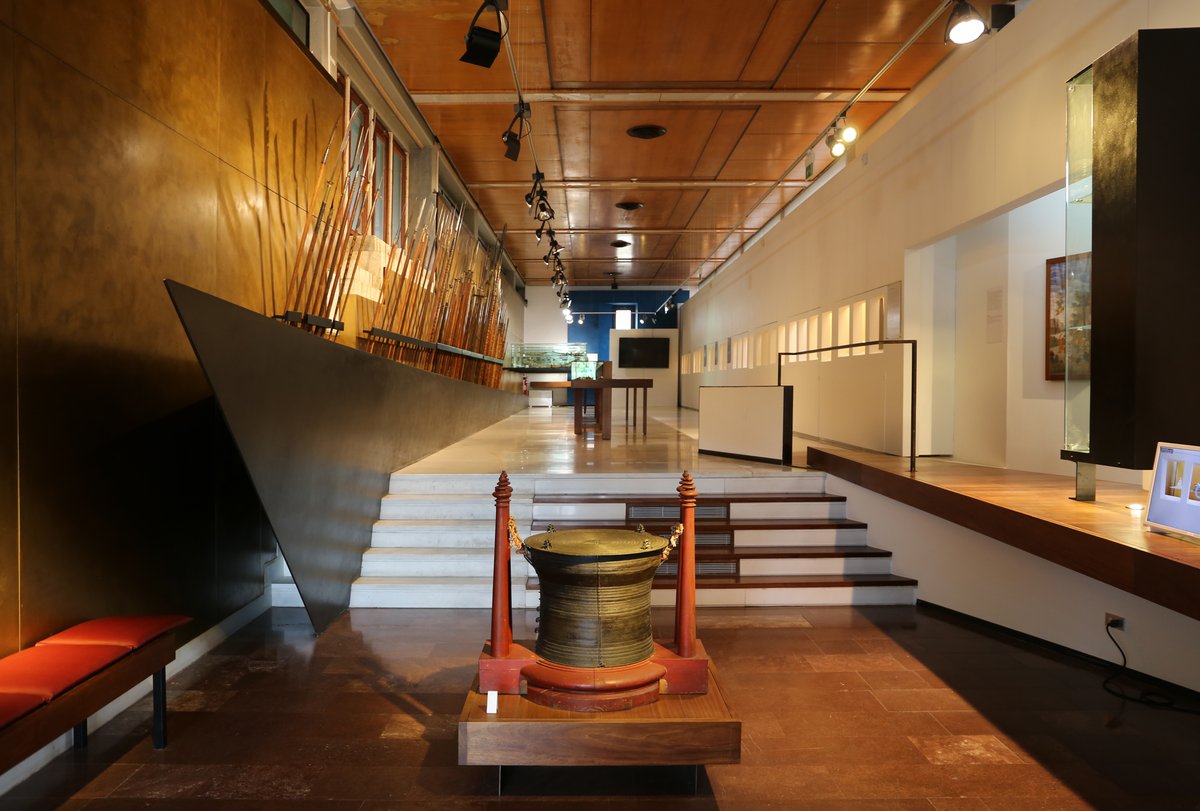 In the heart of the Castello district, inside the Cittadella dei Musei, there's a place that feels like it came from a dream: the Stefano Cardu Civic Museum of Siamese Art. It is the only oriental museum in all of Sardinia, and it houses the largest collection of Siamese art in Europe. The credit goes to Stefano Cardu, a native of Cagliari who in 1914 donated to his city the pieces he collected during years spent in Siam (now Thailand), China, Japan, and India. You walk in and immediately feel transported elsewhere: Chinese porcelain from the Ming and Qing dynasties (14th to 17th century) stare at you from the glass cases, Japanese netsuke in ivory and wood tell miniature stories, and an entire room is dedicated to Siamese weapons – unique in Italy, with parade lances from the Royal Guard and rare elephant goads. There are also ancient coins and illustrated manuscripts. Until January 2026, there's also a temporary exhibition of Chinese teapots and teacups, never before seen. The ticket costs only 3€ (reduced 1.5€), and Wednesday mornings are free. Open from Tuesday to Sunday, with hours that change between summer and winter. I went one Sunday afternoon, and the silence broken only by footsteps on the marble floor made me forget I was just steps from the Bastion of Saint Remy. My advice: take at least an hour to wander calmly, and if you can, book a guided tour – it costs an extra 2€, but it opens windows to details you wouldn't notice on your own.
The Teatro Lirico of Cagliari: A Modern Gem in the Heart of Music
- Go to the page: Cagliari Opera House: Among Europe's Best Acoustics and Modern Architecture
- Via Sant'Alenixedda, Casteddu/Cagliari (CA)
- Open in Google Maps
- View on Google Images
 If you think Cagliari is all about medieval history, think again. The Teatro Lirico, inaugurated in 1993, is a winning bet: modern, functional, with a capacity of 1,628 seats (800 in the stalls, 431 in the first gallery, 397 in the second). Designed by architects Galmozzi and Ginoulhiac, it rises after WWII bombings and a fire erased the city's historic theaters. Yet, despite its young age, it already has a strong personality. The Orchestra and Chorus of the Teatro Lirico are at home here, offering outstanding opera seasons, concerts, and ballets every year. What struck me is the atmosphere: not the pompous one of 19th-century theaters, but something more accessible, almost familiar. And then the special events: the world's first interactive opera with Google Glass (Turandot) and the summer festival Rotte Sonore, bringing music outdoors too. A place you don't expect, but once discovered, stays with you.
The Jewish Ghetto: A Misleading Name
- Via Santa Croce 18, Casteddu/Cagliari (CA)
- Open in Google Maps
- View on Google Images
- ilghettocagliari@gmail.com
- +39 070 6670190
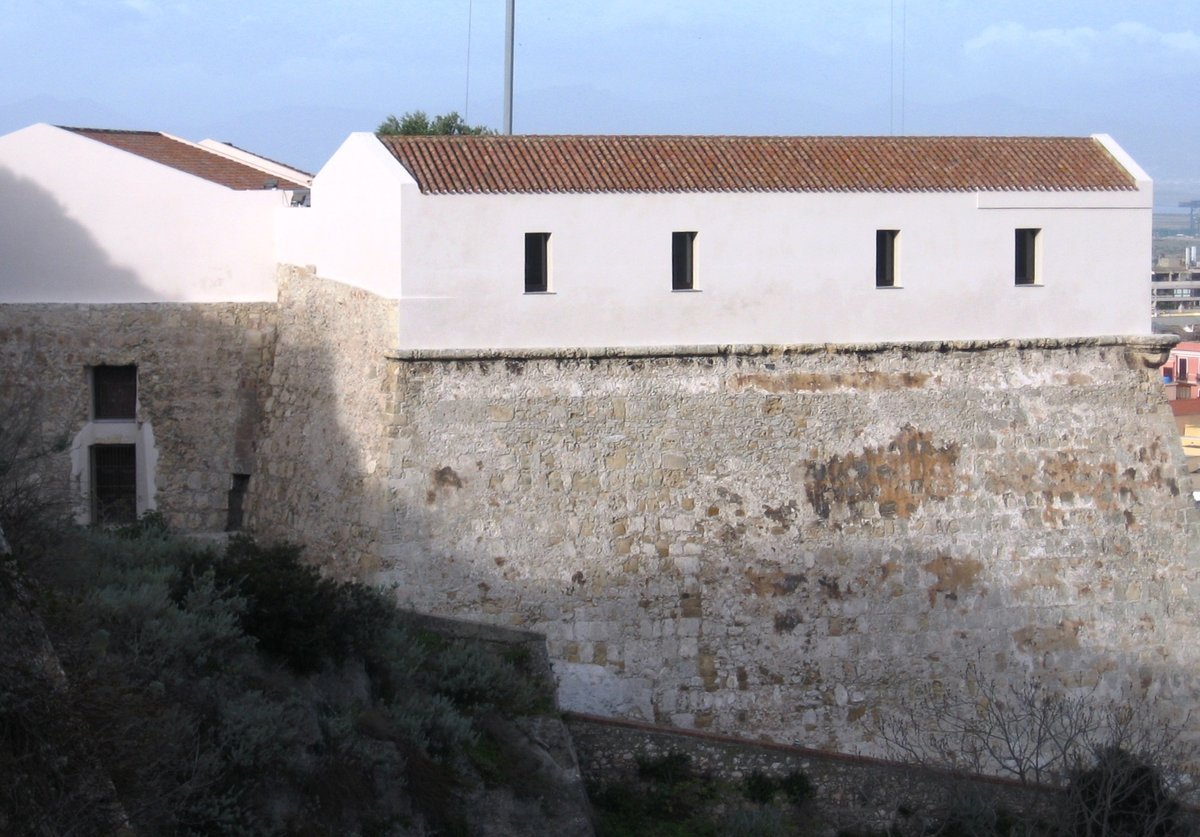 Strolling through the Castello district on Via Santa Croce, you come across a building with a curious name: the Ghetto degli Ebrei. Yet it was never a ghetto. It gets its name from the medieval Jewish quarter, the Giudaria, which once stood nearby before the Jews were expelled in 1492. The structure you see today is actually an 18th-century military barracks, built between 1723 and 1738 by Piedmontese engineers Felice de Vincenti and Augusto della Vallée at the behest of Viceroy Carlo di Rivarolo. It housed the Dragons of Sardinia, with horses and stables: by 1863 it held over 300 men and 40 horses. After decommissioning, it became housing for poor families, suffering decay and damage from the 1943 bombings. Only in 1992 was it restored and reopened as a cultural center. Today it hosts exhibitions, concerts, and civil weddings—yes, since 2018 you can get married on its panoramic terrace, with a spectacular view of the city. Admission costs €3 (reduced €2), but check the hours as they change. What strikes me is how a historical misunderstanding gave this place such a strong identity. Walking through its walls, among photo exhibitions (I remember Salgado's) and workshops, you breathe a lively atmosphere, far from the clichés of dusty museums. A pity the southern side is still in decline: a contrast that speaks to Cagliari's complex history.
Grotta della Vipera: A Roman Jewel Carved in Rock
- Viale Sant'Avendrace, Casteddu/Cagliari (CA)
- https://www.comune.cagliari.it/portale/page/it/grotta_della_vipera
- Open in Google Maps
- View on Google Images
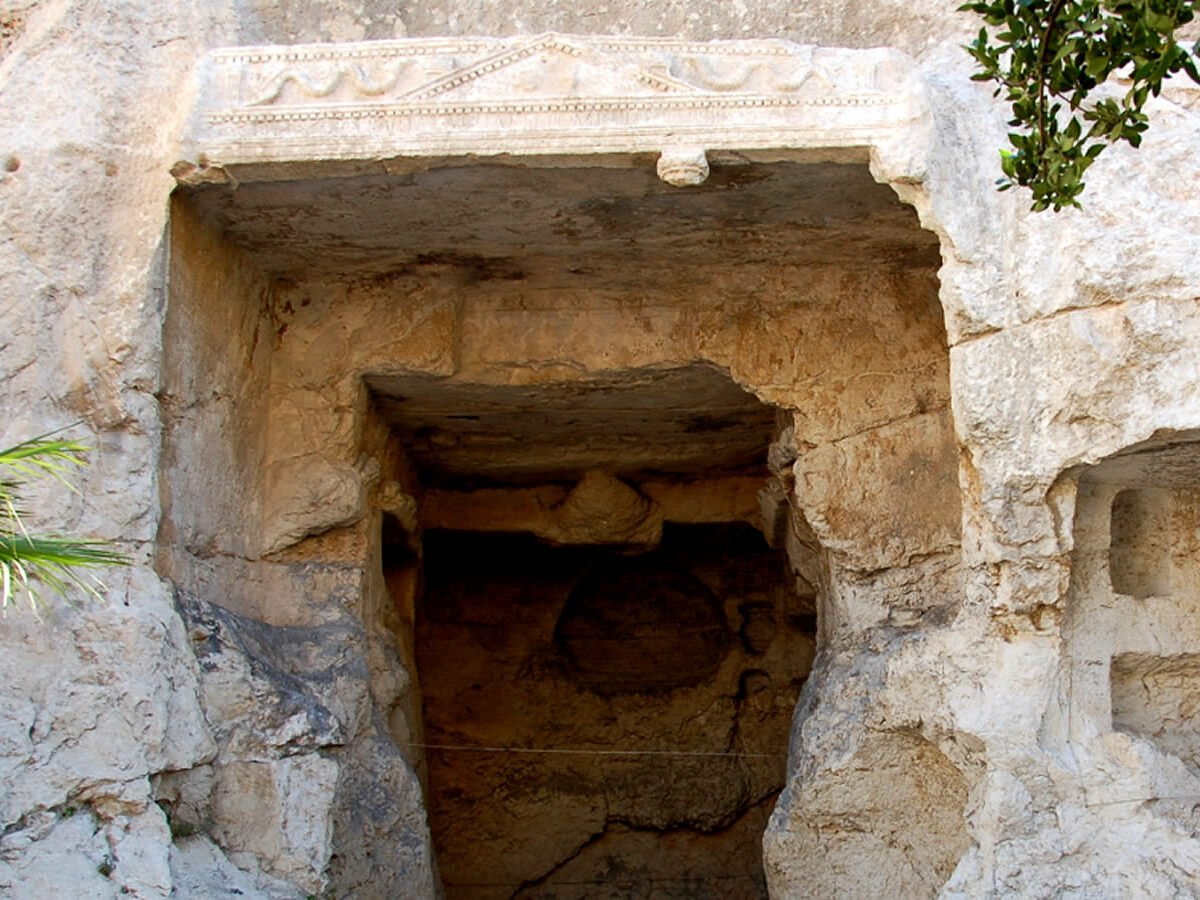 Just a stone's throw from the center, on Viale Sant'Avendrace, lies a hidden corner of ancient Rome: the Grotta della Vipera. This funerary hypogeum, carved into the rock between the 1st and 2nd centuries AD, is a true monument to marital love. Here rest the remains of Atilia Pomptilla and her husband Lucio Cassio Filippo, a noble Roman couple exiled to Sardinia by Nero's decree. Legend has it that Filippo fell ill with malaria, and Atilia, in despair, prayed to the gods to offer her life in exchange for her husband's. Their pact worked: Filippo recovered, but Atilia died. To honor her, he had this tomb built in the shape of a small temple, complete with a pediment and Ionic columns (only a capital remains today). The curious name comes from the two facing snakes carved on the pediment: symbols of fidelity and immortality, perhaps inspired by Isis and Osiris or the couple themselves. Inside, a vestibule and two burial chambers still bear traces of a mixed rite of cremation and inhumation. The walls are covered with 16 inscriptions in Latin and Greek, mostly in verse, telling the story of Atilia and Filippo. Today they are hard to read, but just imagining those verses transports you back in time. The monument was miraculously saved in 1822: General Alberto Della Marmora halted its demolition while the royal road to Porto Torres was being built. Even today, you can see the unused drill holes, a testament to that battle. To visit, simply book (tel. 0706777900, info.beniculturalicagliari@gmail.com) and pay a ticket of €3 (reduced €2). There's also a weekly combined ticket for €8 that includes other sites like the Torre dell'Elefante and the Roman Amphitheater. A tip? Don't miss the chance to pause in silence, listen to the wind, and think about that love story that has spanned two thousand years.
Torre del Poetto: A Balcony on the Devil's Saddle
- Via Marina Piccola, Casteddu/Cagliari (CA)
- Open in Google Maps
- View on Google Images
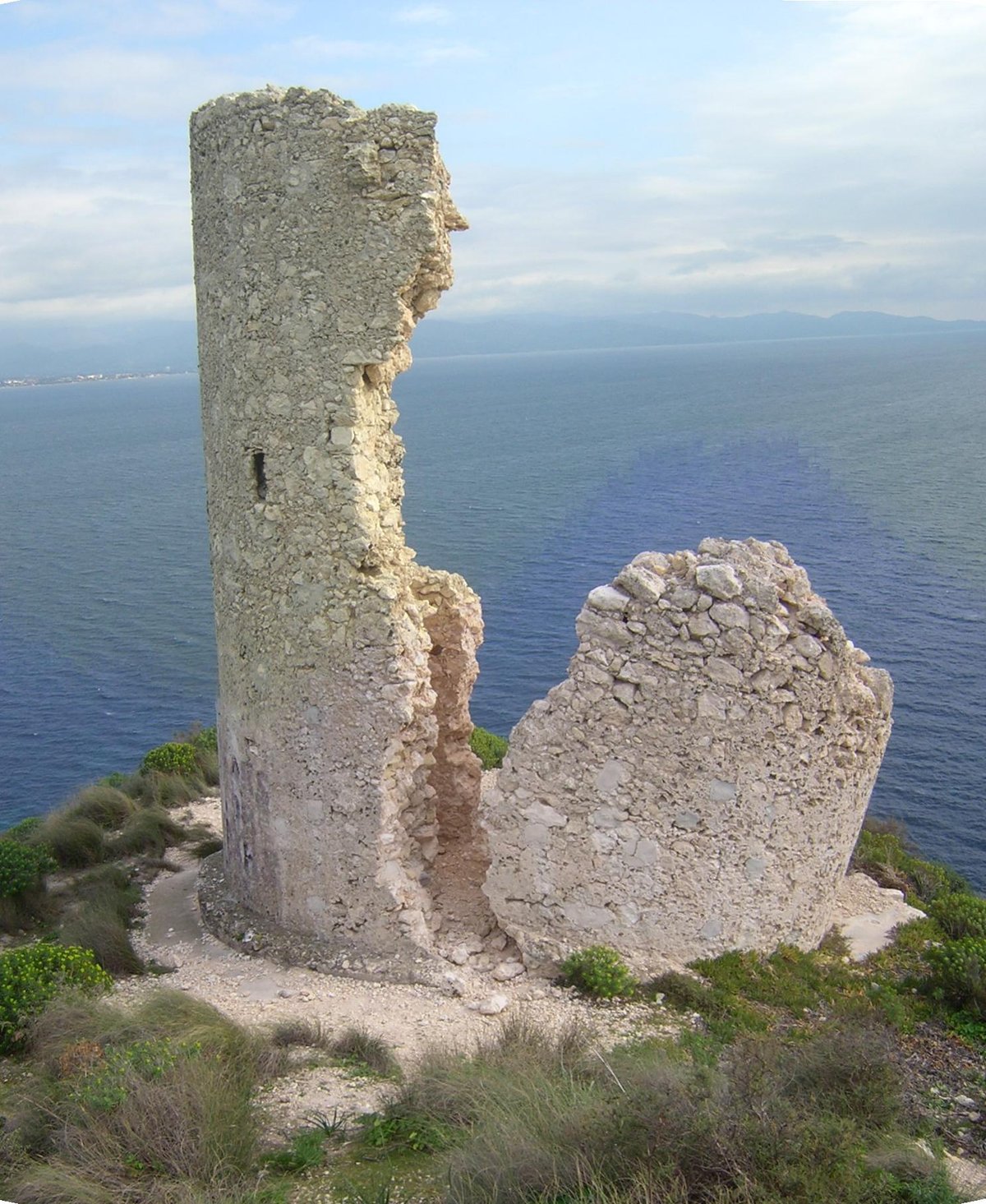 If there's a place that combines history, nature, and an incredible view, it's the Torre del Poetto. Perched on the Devil's Saddle, about 90 meters above the sea, this 16th-century Spanish tower (built in 1597) is now a spectacular ruin, split into two sections that seem to defy time. Its original name was 'Torre del Pozzetto di Sant'Elia,' but over time it was mistakenly transformed into 'del Poetto.' From here, the view stretches over Marina Piccola, Poetto Beach, and the entire gulf, all the way to the towers of Mezza Spiaggia and Isola dei Cavoli. A strategic spot used for spotting pirates and protecting the salt flats. To get there, from Marina Piccola you take a 15-20 minute trail, a bit narrow and sheer above the sea – not suitable for strollers, but doable with kids aged 4 and up. The tower is in a state of neglect, but in 2020 it was cleaned of graffiti thanks to a €7,000 restoration. Tip: bring water and a camera. The contrast between the white limestone and the blue sea is something you won't forget.