
Saepinum is an ancient Roman city in the municipality of Sepino, in the province of Campobasso, along the Pescasseroli-Candela tratturo. The archaeological site preserves clearly visible structures such as walls, forum, basilica, baths and theater, immersed in the quiet of the Molise countryside at the foot of the Matese mountains. Ideal for those seeking an authentic archaeological experience without the queues of major tourist sites.
- Perfectly preserved walls enclosing the ancient Roman city
- Forum with basilica, porticoes and shops showing commercial and social life
- Public baths with still-visible hypocaust heating systems
- Theater with surprising acoustics despite its modest size

Saepinum Archaeological Area in Sepino, perfectly preserved with walls, forum, basilica, baths and theater. Walk among Roman ruins at the foot of the Matese mountains, away from tourist crowds.
- https://cultura.gov.it/luogo/parco-archeologico-di-sepino-area-archeologica-di-altilia-saepinum
- Strada Statale 87 Sannitica, Campobasso (CB)
- Open in Google Maps
- View on Google Images Saepinum a Campobasso
Good to know
Introduction
Walking among the ruins of Saepinum is like flipping through a living history book. This ancient Roman city, nestled in the peaceful Molise countryside near Sepino, welcomes you with an atmosphere suspended in time. The perfectly preserved walls, the forum, the baths, and the shops transport you directly to the imperial era. It’s not just an archaeological site, but an authentic experience that lets you feel the echo of daily Roman life. The location, at the foot of the Matese mountains, offers breathtaking views and a unique sense of discovery, far from the crowds of major tourist sites.
Historical Overview
Saepinum originated as a Samnite settlement before being conquered by the Romans in 293 BC during the Samnite Wars. The city was completely rebuilt during the Augustan era, becoming an important center along the Pescasseroli-Candela tratturo. It reached its peak between the 1st century BC and the 2nd century AD, then gradually declined following the barbarian invasions. Today it stands as one of the best-preserved examples of Roman urban planning in southern Italy, with its orthogonal layout still clearly visible.
- 4th century BC – Samnite foundation
- 293 BC – Roman conquest
- 1st century BC – Augustan reconstruction
- 2nd century AD – Peak development
- 5th century AD – Post-invasion decline
The Forum and the Basilica
The beating heart of Saepinum was the forum, still recognizable today in its grandeur. Surrounded by porticoes and shops, it housed the basilica where justice was administered. The remains of columns and capitals testify to the importance of this public space. Particularly evocative is the foundation of the Temple of the Capitoline Triad, which dominated the square. Walking among these ruins, one can easily imagine the commercial and social life that animated the city, with merchants, politicians, and citizens meeting in this urban hub.
The Baths and the Theatre
The public baths of Saepinum are among the best-preserved structures, with the hypocaust heating systems still visible. Next to them, the small theatre, although modest in size, displays surprising acoustics. These buildings tell the story of the most social aspects of Roman life: relaxation at the baths after a day’s work and theatre performances as moments of community gathering. The quality of construction, with bricks and opus reticulatum, demonstrates the high technological level achieved in this province of the empire.
Why Visit It
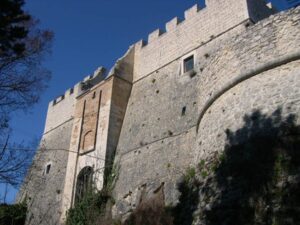
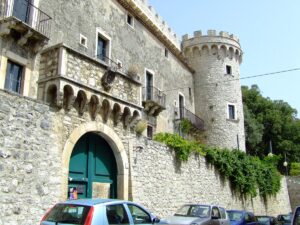
Saepinum is worth visiting for three concrete reasons. First, the exceptional state of preservation allows you to immediately understand the organization of a Roman city. Second, the tranquility of the site: you can explore at your own pace, savoring every detail. Third, the proximity to the medieval village of Sepino, which completes the experience by showing the evolution of the territory through the centuries. It’s a place where history and landscape merge in a unique way.
When to Go
The best time to visit Saepinum is early morning in spring or autumn. The low-angled sunlight highlights the textures of the ancient stones and creates magical atmospheres. During these seasons, the weather is ideal for strolling among the ruins without the intense summer heat. The absence of crowds gives you the feeling of having the entire site to yourself, enhancing the thrill of discovery.
In the Surroundings
Complete your experience with a visit to the medieval village of Sepino, perched on the hill above the archaeological site. Its narrow alleys and stone houses offer a fascinating contrast to the Roman city. For nature lovers, the Titerno Gorges just a few kilometers away provide wild landscapes and trekking routes through canyons and waterfalls.
Itineraries nearby

💡 Did You Know…?
A curiosity that makes Saepinum special: its walls were built by reusing blocks from a previous Samnite settlement, demonstrating a rare historical continuity. Furthermore, the site is still crossed by the tratturo, the same path used for transhumance, uniquely blending archaeology and pastoral tradition.