
If you're looking for an itinerary in Sabina Reatina that combines history, spirituality, and breathtaking landscapes, this 2-day journey is perfect for you. Starting from Fara in Sabina, with its medieval center and Olive Oil Museum, you'll continue to the Franciscan hermitages hidden among the woods, like the Hermitage of San Giacomo. The journey continues through perched villages like Toffia and Poggio Nativo, all the way to Cottanello, famous for its red marble. An authentic experience away from mass tourism, perfect for those who love discovering still-genuine corners of Italy. Practical, essential, and full of insights, this itinerary will guide you step by step through the discovery of a land rich in charm.
🗺️ Your trip at a glance
A 2-day itinerary that combines history, spirituality and breathtaking landscapes in Sabina Reatina, away from the most crowded tourist routes.
- Ideal for travelers seeking authenticity and less crowded historical sites, lovers of Franciscan history and hilltop panoramas.
- Highlights: practical route with 6 precise stops on the map, including medieval towers, Benedictine abbeys and hidden Franciscan hermitages in the woods.
- Perfect for a weekend of discovery in search of the essence of the Reatino territory, featuring historical architecture, ancient frescoes and intimate atmospheres.
Itinerary stops
Day 1 - Stop no. 1
Baccelli Tower
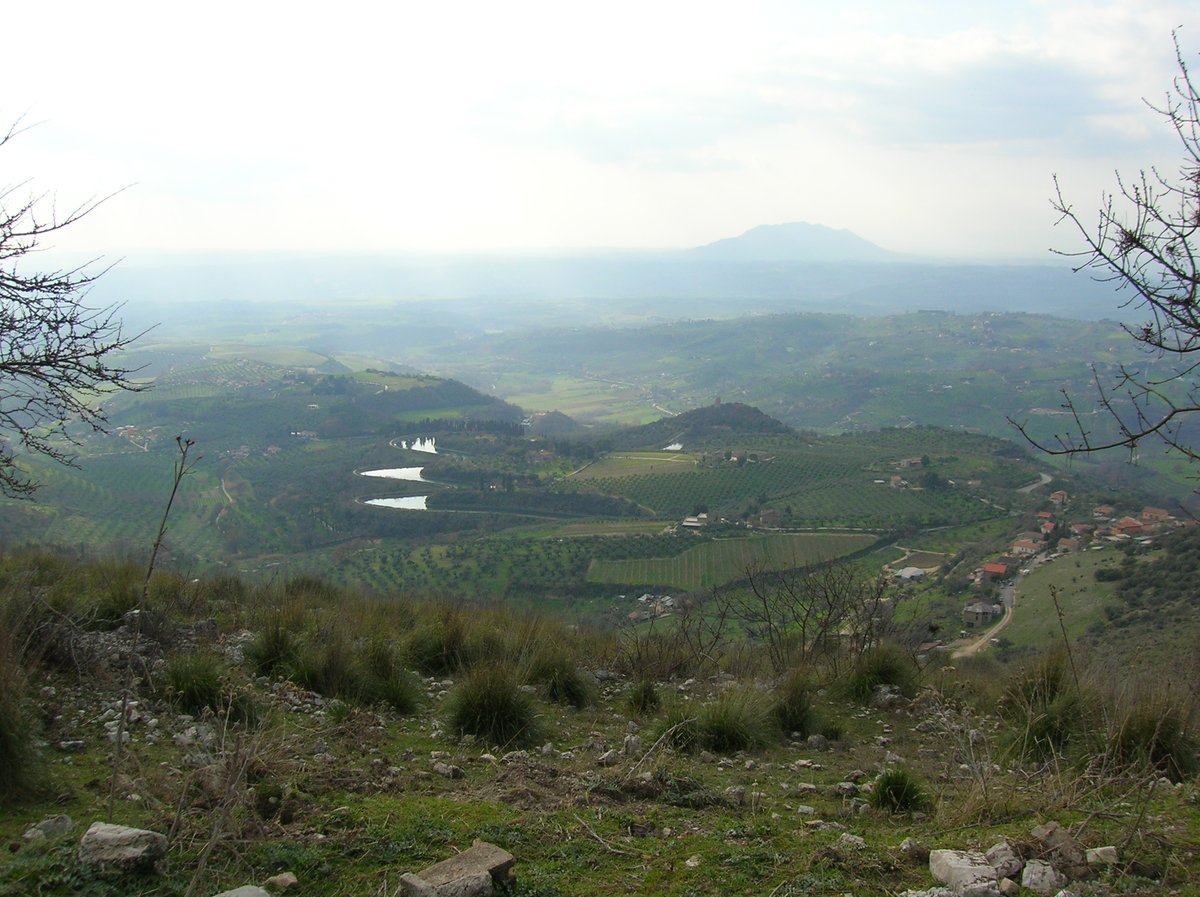 Our itinerary Sabina Reatina: Villages and Hermitages starts from Baccelli Tower, located along the Strada degli Inglesi in Fara in Sabina. This medieval tower, dating back to the 12th century, dominates the hilly landscape characterized by ancient olive groves and vineyards. Built as a lookout and defensive point, the tower offers panoramic views of the Tiber Valley and the Sabine Mountains. Its local stone architecture, with arrow slits and battlements, tells centuries of history linked to the noble families of the area. It's an ideal place to immerse yourself in the ancient atmosphere of Sabina, away from the more beaten tourist routes, and to take memorable photos of the Lazio rural context.
- Strada degli Inglesi, Fara in Sabina (RI)
- Open in Google Maps
- View on Google Images

You should go if...
Day 1 - Stop no. 2
San Martino Abbey
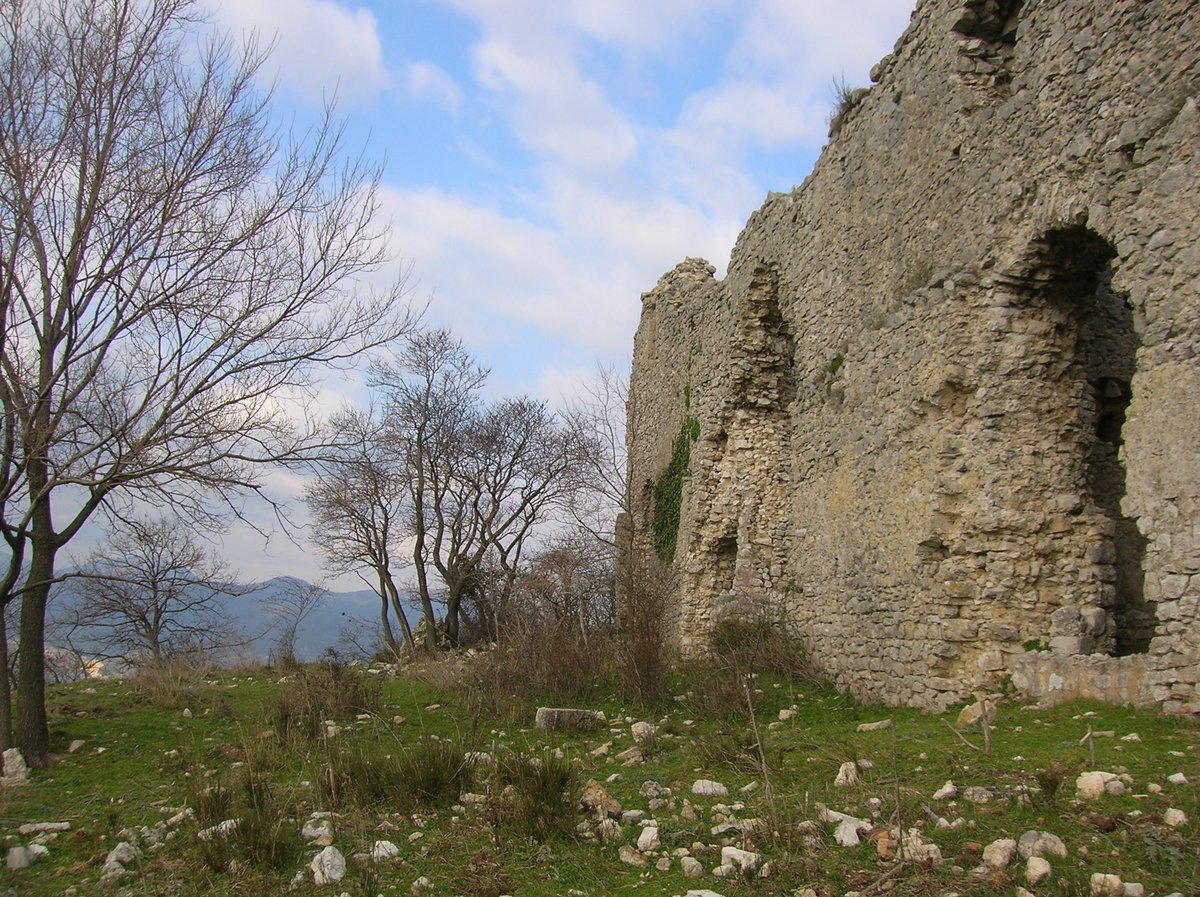 Leaving the center of Fara in Sabina behind, one heads towards San Martino Abbey, located along Via Farense. This Benedictine monastic complex, founded in the 9th century, represents one of the oldest places of worship in the area. The church preserves 14th-century frescoes depicting scenes from the life of Saint Martin, while the Romanesque cloister offers an atmosphere of contemplation. The panoramic position overlooking the Agro Sabino provides breathtaking views of the hills covered in olive groves. The abbey has been an important spiritual and cultural center for centuries, as evidenced by the documents preserved in the historical archive. The architectural structure blends Romanesque and Gothic elements, with decorative details that reveal the influence of local monastic orders. A place where history and spirituality merge with the rural landscape of Lazio.
- Via Farense, Fara in Sabina (RI)
- Open in Google Maps
- View on Google Images
You should go if...
Day 1 - Stop no. 3
Santa Maria del Piano
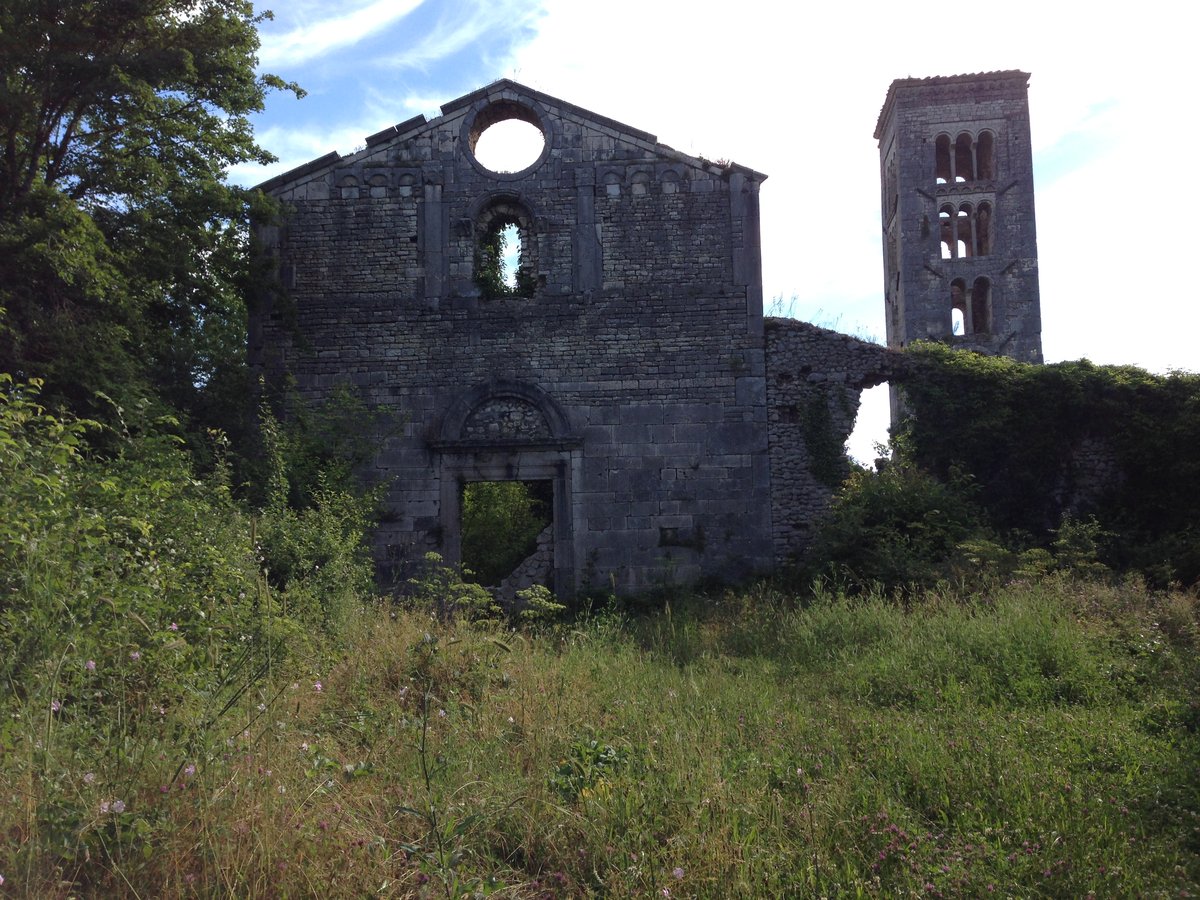 Continuing towards Pozzaglia Sabina, you'll reach Santa Maria del Piano along the Municipal Road to Petescia. This religious complex, founded in the 13th century by the Franciscans, stands in an isolated position among oak woods and olive groves. The church preserves 15th-century Umbrian school frescoes depicting the Madonna and Child with Franciscan saints, while the Renaissance cloister features arches made of local stone. The hermitage was an important prayer site for the friars during their journeys between the Rieti sanctuaries, as documented in the Diocesan Archives of Rieti. The architectural structure combines Romanesque and Gothic elements, with decorative details in Sabine travertine. A corner of spirituality where silence is broken only by the rustling of leaves and birdsong.
- Strada Comunale per Petescia, Pozzaglia Sabina (RI)
- Open in Google Maps
- View on Google Images
You should go if...
Day 2 - Stop no. 1
San Cataldo Hermitage
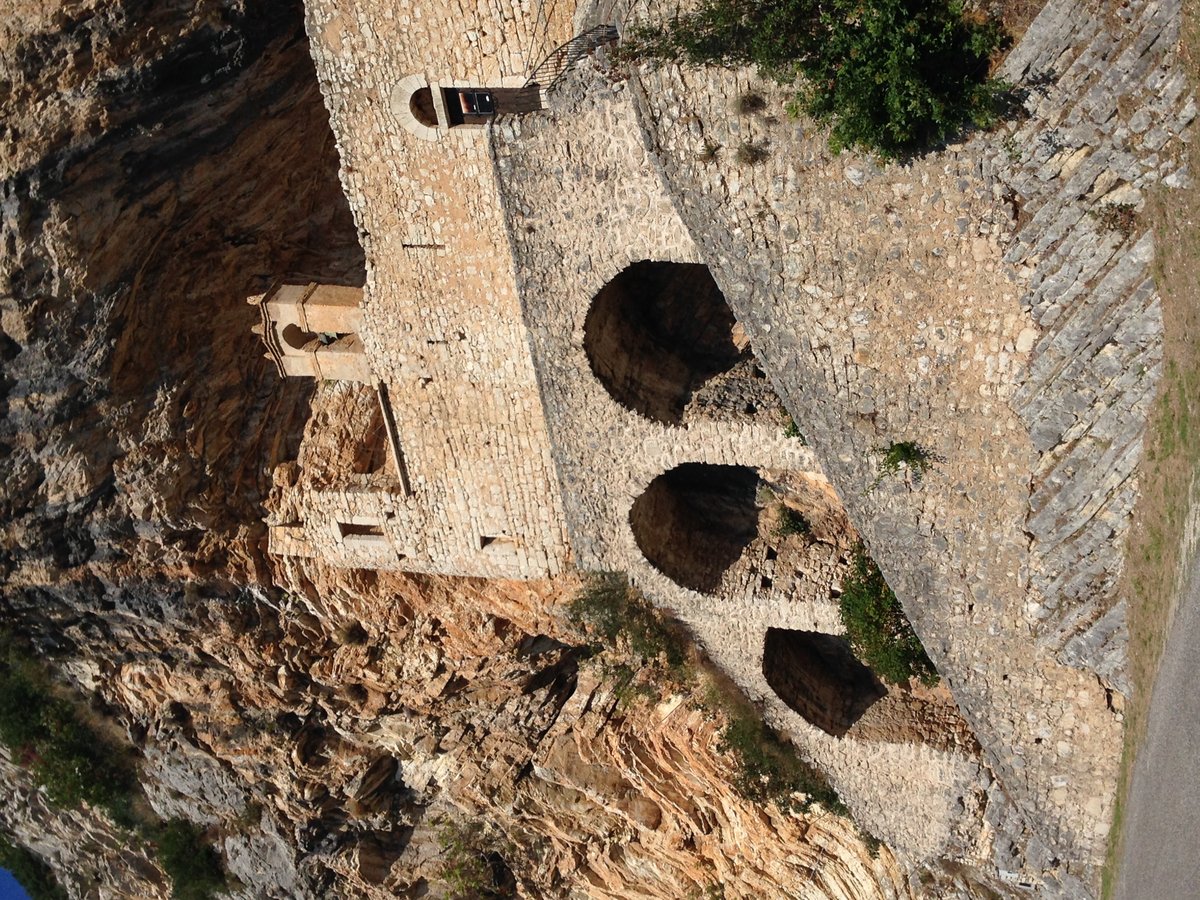 The San Cataldo Hermitage is reached by travelling along Provincial Road 45 of Fontecerro, a route that winds through ancient oak trees and overlooks the Turano valley. This religious complex, founded in the 13th century by the Franciscans, stands in an isolated position, perched on a rocky spur that dominates the Sabine landscape. The church preserves 14th-century frescoes from the Umbrian-Latial school, including a Madonna and Child and scenes from the life of Saint Francis, while the cloister features arches made of local stone with geometric decorations. The hermitage served as a refuge for friars during their preaching journeys, as attested by the records of the Diocesan Historical Archive of Rieti. The architectural structure combines Romanesque elements with Gothic additions, with splayed windows that filter light through the surrounding olive groves. A place where silence is broken only by the wind through the branches and the calls of birds of prey.
- Strada Provinciale 45 di Fontecerro, Cottanello (RI)
- Open in Google Maps
- View on Google Images
You should go if...
Day 2 - Stop no. 2
Fontecolombo Sanctuary
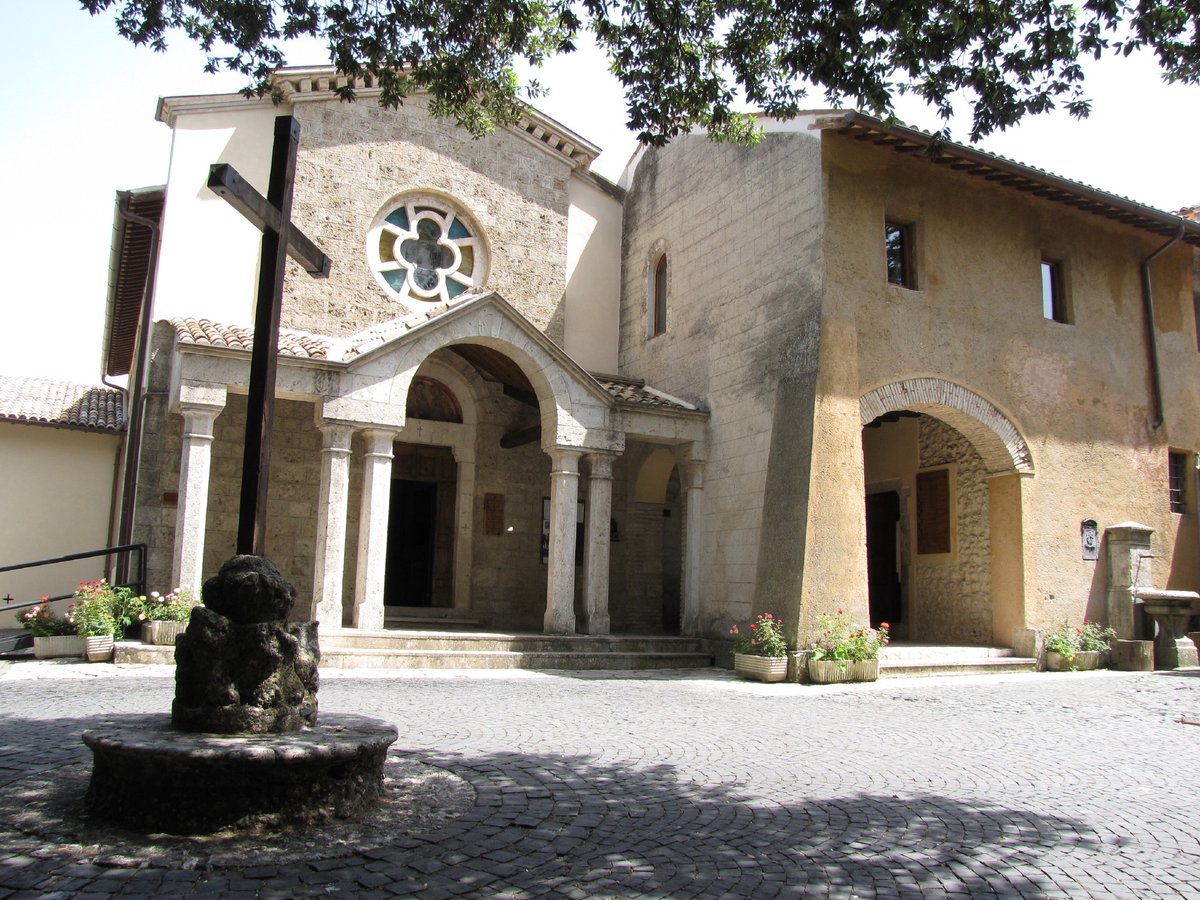 The second day of our Sabine itinerary brings us to the Fontecolombo Sanctuary, a place steeped in Franciscan history. Here, in 1223, Saint Francis of Assisi retreated in prayer and dictated the definitive Rule of the Order, approved by Pope Honorius III. The complex, nestled among the woods of Mount Rainiero, preserves the grotto where the saint would retreat and the Chapel of Santa Maria, with 14th-century frescoes depicting episodes from his life. The visit also includes the Oratory of San Michele and the miraculous spring that gives the place its name. The atmosphere is one of deep spirituality, amplified by the silence that envelops this corner of the Rieti Holy Valley, one of the four Franciscan sanctuaries in the area.
- Go to the page: Fontecolombo Sanctuary: Franciscan hermitage where Saint Francis wrote the Rule
- Via Fonte Colombo, Rieti (RI)
- Open in Google Maps
- View on Google Images
You should go if...
Day 2 - Stop no. 3
Franciscan Sanctuary of Santa Maria della Foresta
 We reach the Sanctuary of Santa Maria della Foresta along Via Foresta, nestled in the Rieti countryside. This Franciscan site preserves the memory of Saint Francis's stay in 1225, when he was miraculously healed of his eyes and composed part of the Canticle of the Creatures. The complex, more intimate compared to Fontecolombo, includes the small church with 15th-century frescoes depicting the Madonna and Child and the grotto where the saint retreated. The atmosphere is intimate and homely, with a small cloister and a garden that recall the simplicity of Franciscan life. The visit focuses on the spaces where Francis lived and prayed, offering direct contact with his daily spirituality in the Holy Valley.
- Go to the page: Santa Maria della Foresta Sanctuary: Where Saint Francis Received the Stigmata in 1224
- Via Foresta, Rieti (RI)
- Open in Google Maps
- View on Google Images
You should go if...


