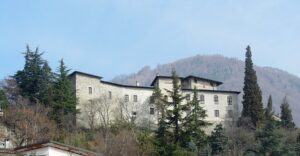
If you love history and charming ancient villages, this three-day itinerary in the Province of Mantua will captivate you. Start from Mantua to explore the grand Palazzo Ducale, the Gonzaga residence with over 500 frescoed rooms. On the second day, you’ll visit the Rocca di Solferino, a symbol of the Risorgimento, and the Red Cross Museum, the first in the world dedicated to humanitarian work. Between stops, immerse yourself in the medieval villages of Castellaro Lagusello and Grazie di Curtatone, where time seems to stand still. Each village has its own story: Romanesque churches, castles, and cobblestone alleys. The Mantua 3-day itinerary is designed for families and curious travelers: short car rides, easy walking routes, and plenty of culture. The Gonzaga castles are the heart of the journey, but the medieval villages offer postcard-perfect views. There are also stops to taste pumpkin tortelli and Lambrusco wine. With practical tips on tickets, opening hours, and parking, this itinerary is your passport to an authentic experience in the Mantuan plains. Pack your backpack and set off to discover a land rich in hidden treasures. Enjoy your journey!
🗺️ Your trip at a glance
An itinerary that highlights the Gonzaga heritage and medieval villages of the province of Mantua. Perfect for a cultural weekend with the family.
- Ideal for: families and history enthusiasts who want to discover castles and villages in three days without rushing.
- Highlights: Palazzo Ducale, Rocca di Solferino, and villages like Castellaro Lagusello, with short distances and plenty of interesting facts.
- Who it’s for: travelers who love history and seek an authentic experience away from mass tourism, also suitable for children.
Itinerary stops
Stop no. 1
Ducal Palace: The Heart of Gonzaga Power
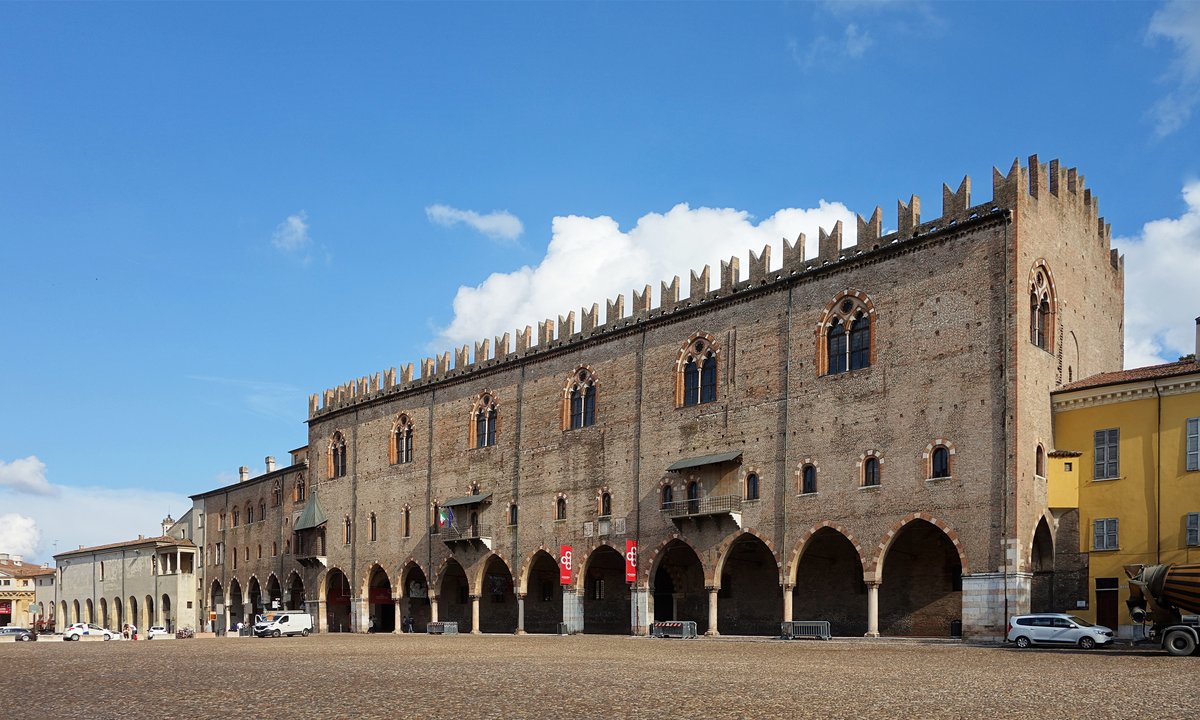 The first stop on our itinerary could only be the magnificent Ducal Palace, a treasure chest of Gonzaga power. Get ready to be amazed: this complex is immense, with over 35,000 square meters, 500 rooms, 7 gardens, and 8 courtyards. We are in Piazza Santa Barbara, but the main entrance is on Piazza Sordello. Here time seems suspended. The route will take you through centuries of art: from the Camera degli Sposi by Andrea Mantegna, a true Renaissance masterpiece with its breathtaking perspective, to the tapestries of Raphael, and the frescoes of Pisanello. Don’t miss the Apartment of Isabella d’Este, one of the most fascinating women of her time. It’s impossible to see everything in one visit, but we recommend focusing on the historic core: Corte Vecchia, the Domus Nova, and the Castle of San Giorgio. By the way, the prisons of the Belfiore Martyrs tell a touching chapter of the Risorgimento. Wear comfortable shoes, because you’ll walk a lot. And book your ticket online: entry is limited. After this immersive dive into history, you’ll understand why Mantua is a UNESCO site.
- Go to the page: Palazzo Ducale of Mantua: The Gonzaga Residence Between Art and Power
- Piazza Santa Barbara, Mantova (MN)
- Open in Google Maps
- View on Google Images

You should go if…
Stop no. 2
Basilica of Sant’Andrea
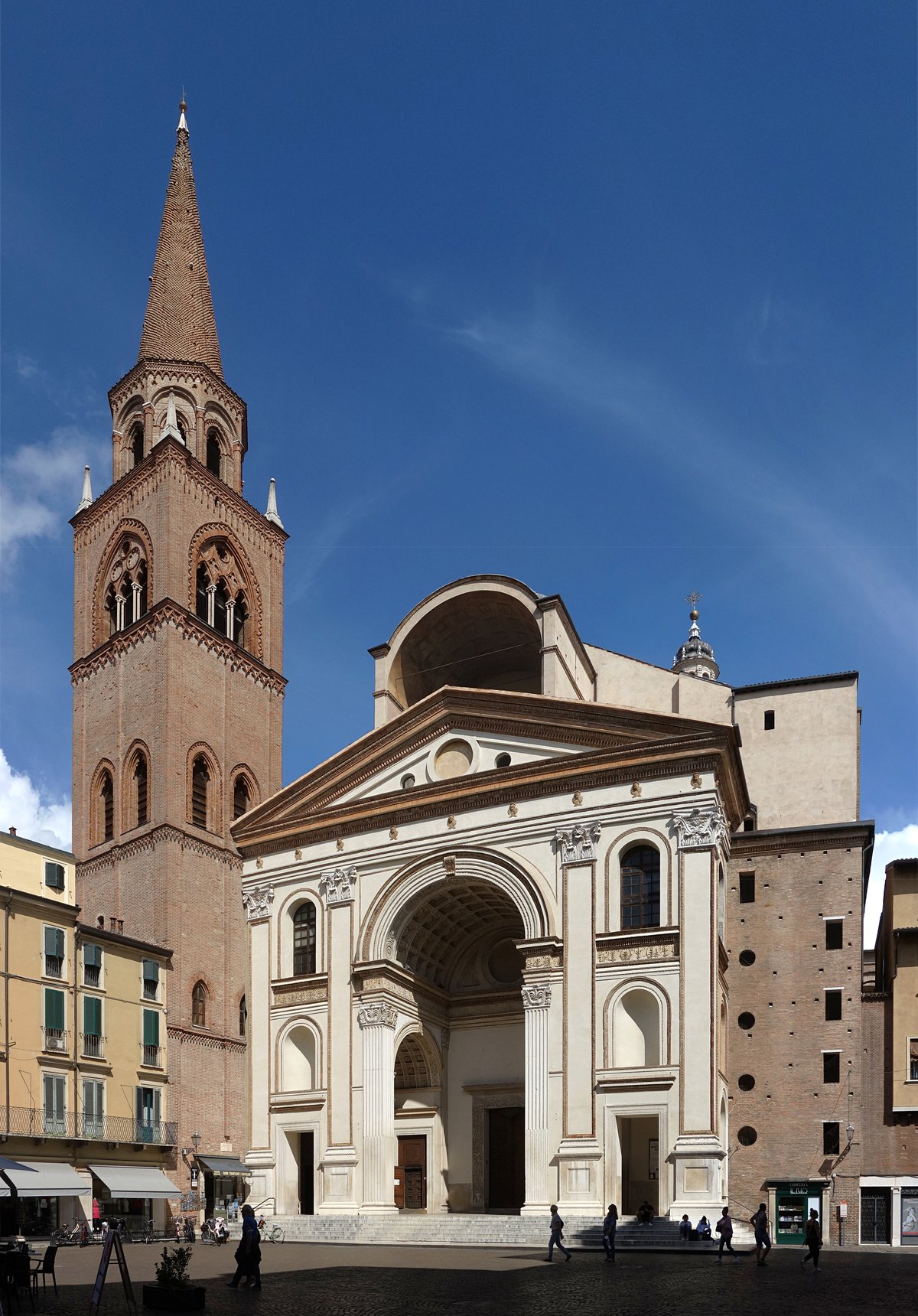 After the charm of the Ducal Palace, we move to Piazza Mantegna for the second stop: the Basilica of Sant’Andrea, a masterpiece by Leon Battista Alberti and the beating heart of Mantua. It is not only the largest church in the city, but a true treasure chest: here lies the reliquary of the Precious Blood, kept in the Sacred Vessels in the crypt. The façade, inspired by a Roman triumphal arch, is imposing, but it is the interior that leaves you speechless. The single nave with a coffered barrel vault seems to stretch into infinity, and the dome added by Filippo Juvarra in the 18th century dominates the space with its 80-meter height. Don’t miss the first chapel on the left, where Andrea Mantegna rests, with a small Holy Family on the altar. Fun fact: here you also find the wooden pavilion of the Precious Blood, richly carved. Entry is free, but if you can, climb to the internal balcony to see the drum of the dome up close: a unique perspective.
- Go to the page: Basilica of Sant’Andrea: Alberti’s Renaissance Masterpiece
- Piazza Mantegna, Mantova (MN)
- Open in Google Maps
- View on Google Images
You should go if…