
Minturnae is a Roman archaeological site along the ancient Via Appia, featuring a well-preserved theater, baths, and forum. The single ticket includes the antiquarium with artifacts found on-site, parking is nearby, and the paths are flat and accessible.
- Roman theater with a cavea for 2,000 spectators and excellent acoustics
- Public baths with hypocaust, calidarium, and mosaics
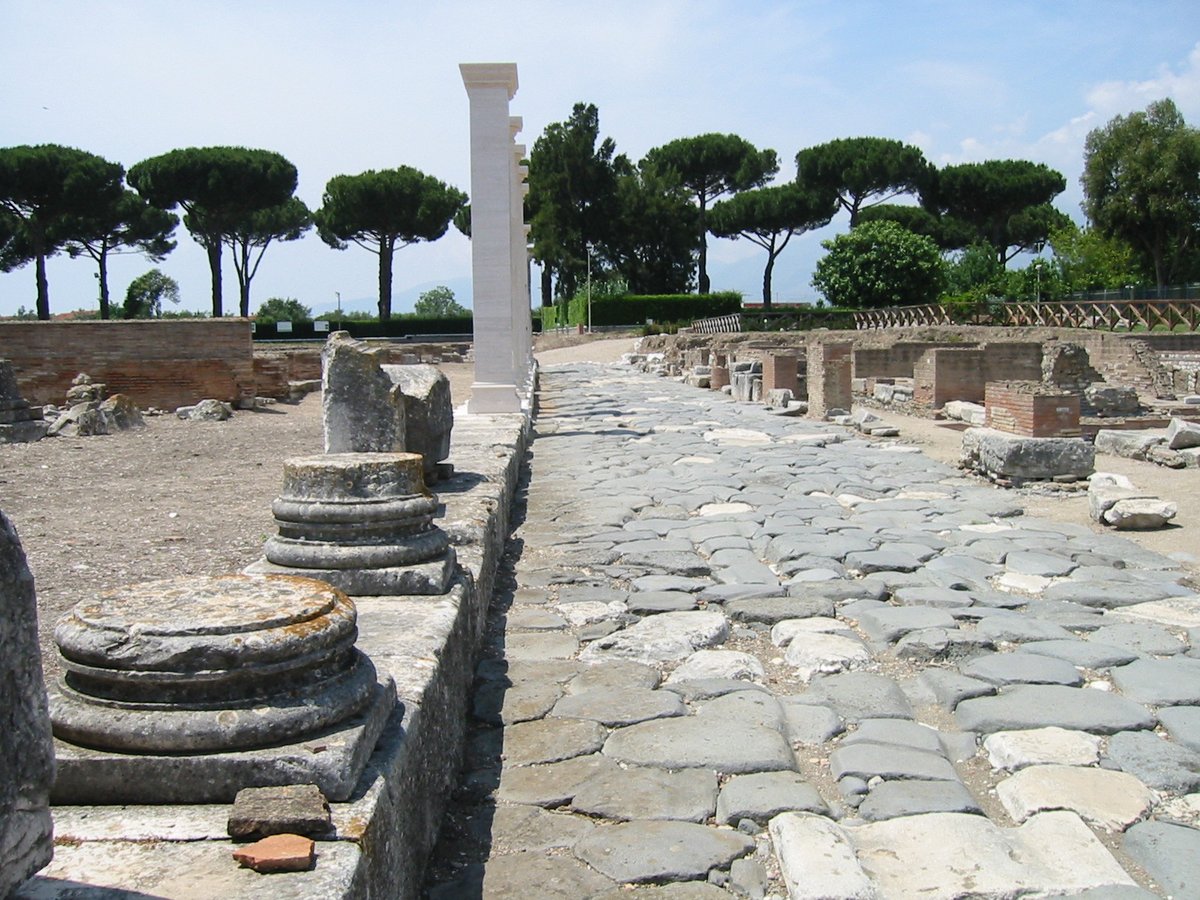
- Original stretch of Via Appia with walkable basalt pavement
- Antiquarium with statues, amphorae, coins, and excavation finds
Events nearby
Minturnae in Minturno: Archaeological site with well-preserved Roman theater, baths with mosaics, and original stretch of Via Appia. Single ticket includes antiquarium, nearby parking, and flat pathways.
- Via Parchi Ausente, Latina (LT)
- Open in Google Maps
- View on Google Images Minturnae a Latina
Good to know
Introduction
Minturnae welcomes you with its Roman ruins emerging from the Lazio countryside, just steps away from the sea at Minturno. This archaeological site, located along the ancient Appian Way, offers a journey through time among theaters, baths, and remains of public buildings. Walking among these millennia-old stones, with the Garigliano River flowing nearby, creates a unique atmosphere, far from the tourist crowds. It’s a place where history comes to life, perfect for those seeking authenticity and wanting to discover a lesser-known corner of Lazio yet rich in charm.
Historical Overview
Minturnae was a Roman colony founded in 295 BC, strategically positioned along the Via Appia to control the crossing of the Garigliano River. The city reached its peak during the imperial era, with the construction of a theatre, baths, and forum. According to tradition, it was here that Gaius Marius took refuge during the civil wars. The decline began with barbarian invasions and Saracen raids, leading to its abandonment in the Middle Ages. Today, excavations reveal the original urban layout, with the cardo and decumanus clearly visible.
- 295 BC: Foundation of the Roman colony
- 1st century BC: Construction of the theatre and baths
- 5th century AD: Beginning of decline due to barbarian invasions
- 9th century: Saracen raids and gradual abandonment
The Roman Theatre
The Roman Theatre of Minturnae is one of the best-preserved in southern Lazio, with a semicircular cavea that could accommodate up to 2,000 spectators. Built in opus reticulatum, it retains part of the stage and vomitoria. Its acoustics remain excellent: try speaking from the center of the orchestra and you’ll hear your voice resonate on every step. During excavations, statues and marble decorations were uncovered, now displayed in the antiquarium. In summer, the theatre occasionally hosts classical performances, an experience that combines archaeology and live culture.
The Baths and the Appian Way
The public baths of Minturnae showcase Roman engineering with the hypocaust, calidarium, and frigidarium still recognizable. Nearby runs the original basalt pavement of the Appian Way, the queen of roads that connected Rome to Brindisi. Walking on these stones smoothed by carts is thrilling: follow the stretch that crosses the site and imagine legionaries and merchants passing by. Next to the road, the remains of the tabernae tell the story of the city’s commercial life. Don’t miss the Roman bridge over the Garigliano, even if partially preserved, it testifies to the construction mastery of the era.
Why Visit It
Minturnae is worth visiting for three concrete reasons. First: accessibility is excellent, with nearby parking and flat paths suitable for everyone. Second: the single ticket also includes the antiquarium, where you can admire artifacts like amphorae, coins, and mosaics found on site. Third: the location allows you to combine culture and sea, since Scauri’s beaches are just a few minutes away. Plus, the site is rarely crowded, ideal for a peaceful visit without queues.
When to Go
The best time to visit Minturnae is early morning in spring or autumn, when the slanting light enhances the volumes of the ruins and the climate is mild. Avoid the midday hours in summer, as the area offers little shade. If you prefer summer, opt for late afternoon, when the heat subsides and the atmosphere becomes more evocative. In winter, clear days provide sharp views of the surrounding landscape.
In the Surroundings
Complete your trip with a visit to the historic center of Minturno, perched on the hill with medieval alleys and the Church of San Pietro. For a themed experience, head to the Tower of Scauri, a 16th-century coastal fortress overlooking the sea. Both sites are easily accessible and add another piece to discovering the area, blending history and seaside landscapes.
Itineraries nearby

💡 Did You Know…?
Minturnae was an important strategic hub on the Appian Way, where travellers stopped before crossing the Garigliano River. According to legend, the consul Gaius Marius, fleeing his enemies, hid in the nearby marshes here before being captured. The site also preserves traces of a temple dedicated to the goddess Marica, protector of the waters, worshipped by the local populations before the arrival of the Romans. These details make the visit not only historical but also rich in human stories.