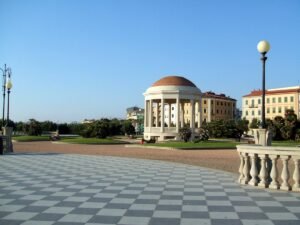
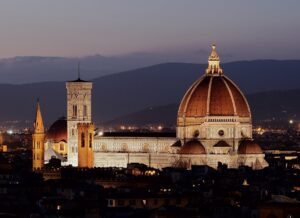
Discover Lucca in 1 day with this walking itinerary that takes you to explore its Renaissance Walls, evocative medieval churches, and the iconic Piazza Anfiteatro. A 6-stop route perfect for those with limited time but eager to immerse themselves in the city’s history. Starting from the imposing Walls, a city landmark, you’ll cross the historic center until you reach the famous elliptical square. Along the way, you’ll admire San Martino Cathedral, San Michele in Foro Church, and Guinigi Tower with its holm oaks. A lunch break at a typical local restaurant will let you savor Lucchese cuisine. This walking itinerary is ideal for a day trip, combining culture, architecture, and relaxation. Following the route, you’ll discover hidden corners like Via Fillungo and the tranquility of the cloisters. A complete experience that will make you fall in love with this Tuscan gem.
🗺️ Your trip at a glance
In just 6 stops, this itinerary will let you discover the best of Lucca, among walls, churches, and squares. Perfect for those with little time who want a complete cultural experience.
- Ideal for: travelers with one day available who want to explore the historic center.
- Highlights: stress-free walking route, well-organized stops, lunch break with typical dishes.
- Who it’s for: perfect for couples, families, and solo travelers looking for an authentic tour.
Itinerary stops
Stop no. 1
Guinigi Tower: Lucca’s Green Icon
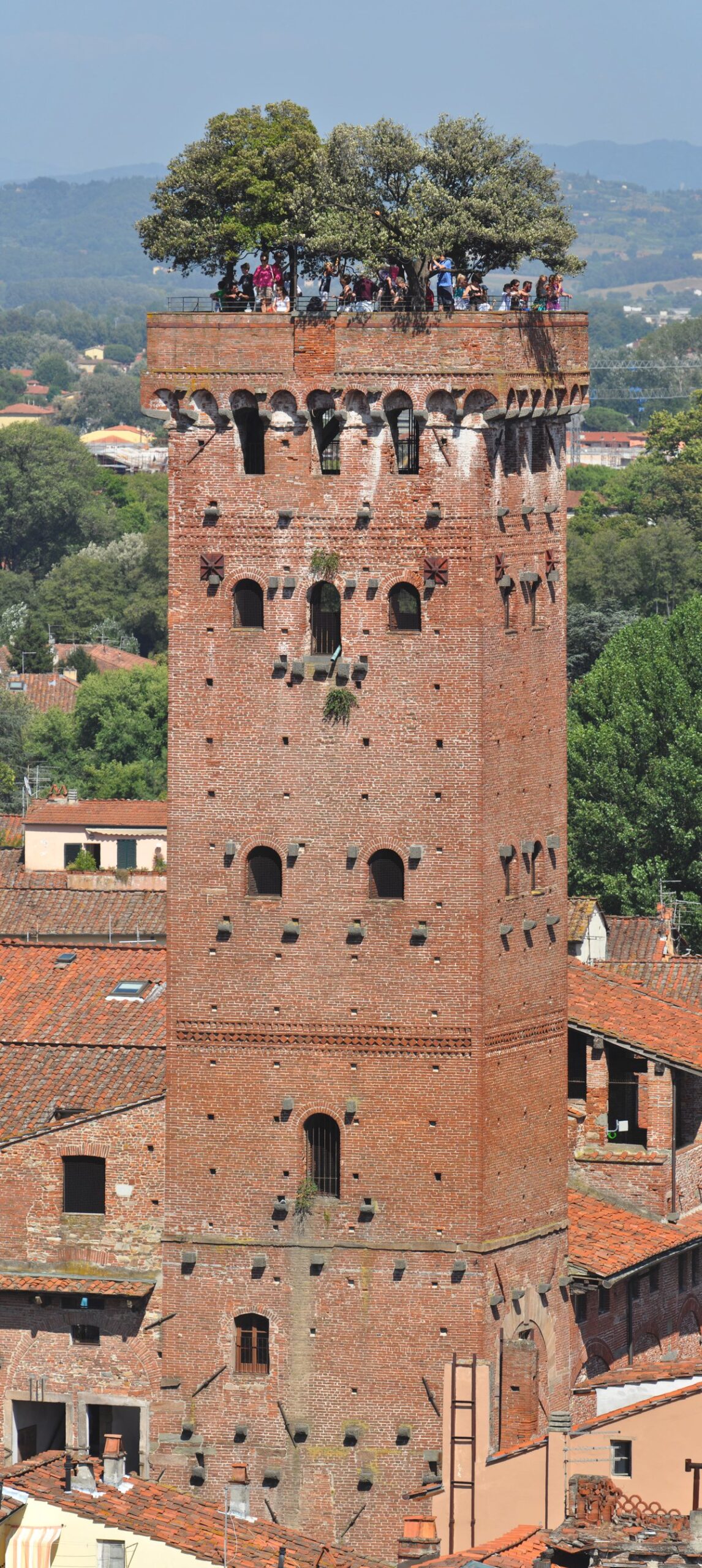 Our itinerary starts right here, at the Guinigi Tower, one of Lucca’s icons. Standing 45 meters tall, it’s instantly recognizable by the seven holm oaks sprouting from its top: a rooftop garden unique in the world. Climbing its 230 steps (25 flights) is a tough workout, but the 360° view rewards every effort: red rooftops, Amphitheatre Square, the Walls, and the Apuan Alps on the horizon. Built in the 14th century by the Guinigi family, silk merchants, the tower is the only one left intact of the over 250 that once dominated Lucca. Arriving early in the morning is a great idea to enjoy the view without the crowd. Full ticket €8, free for children under 8. Booking recommended on weekdays, mandatory on weekends. Not suitable for those with mobility issues. From here, you can already feel the atmosphere that will accompany us throughout the day.
- Via Sant’Andrea, Lucca (LU)
- Open in Google Maps
- View on Google Images

You should go if…
Stop no. 2
Church of San Francesco
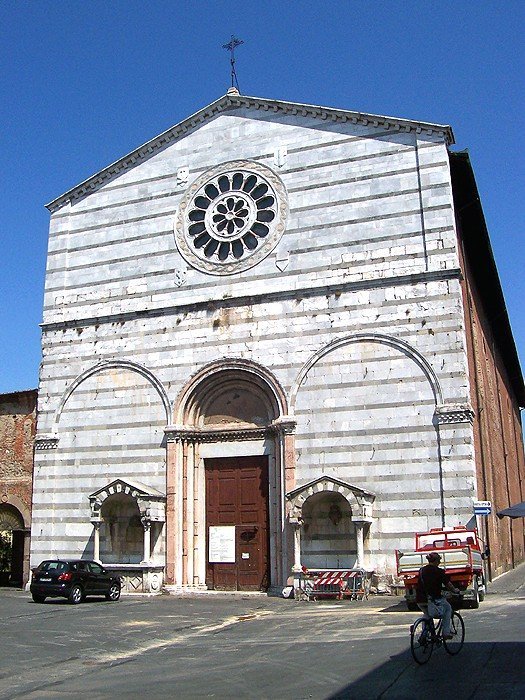 Leave behind the bustle of Piazza dell’Anfiteatro and head down Via della Quarquonia. In a few minutes you’ll find yourself in front of the Church of San Francesco, a gem of Franciscan simplicity that – now deconsecrated – hosts concerts and exhibitions. The façade, with its white and gray bands, remained unfinished until 1930 and still retains a rustic charm. Enter and you’ll be struck by the wide single nave with a wooden truss ceiling: here lie some of the most illustrious Lucchesi, earning the church the nickname ‘Pantheon of the city.’ You’ll find the tombs of Giovanni Guidiccioni, the musician Luigi Boccherini, and a plaque commemorating Castruccio Castracani. Don’t miss the Chapel of Santa Lucia, commissioned by the Guinigi family in the 14th century, and the pipe organ by the Fratelli Turrini, recently restored. Admission is free on Saturdays, Sundays, and holidays from 10 am to 7 pm – perfect for a leisurely dive into history.
- Via della Quarquonia, Lucca (LU)
- Open in Google Maps
- View on Google Images
You should go if…
Stop no. 3
Villa Guinigi National Museum: A Dive into Lucchese Art
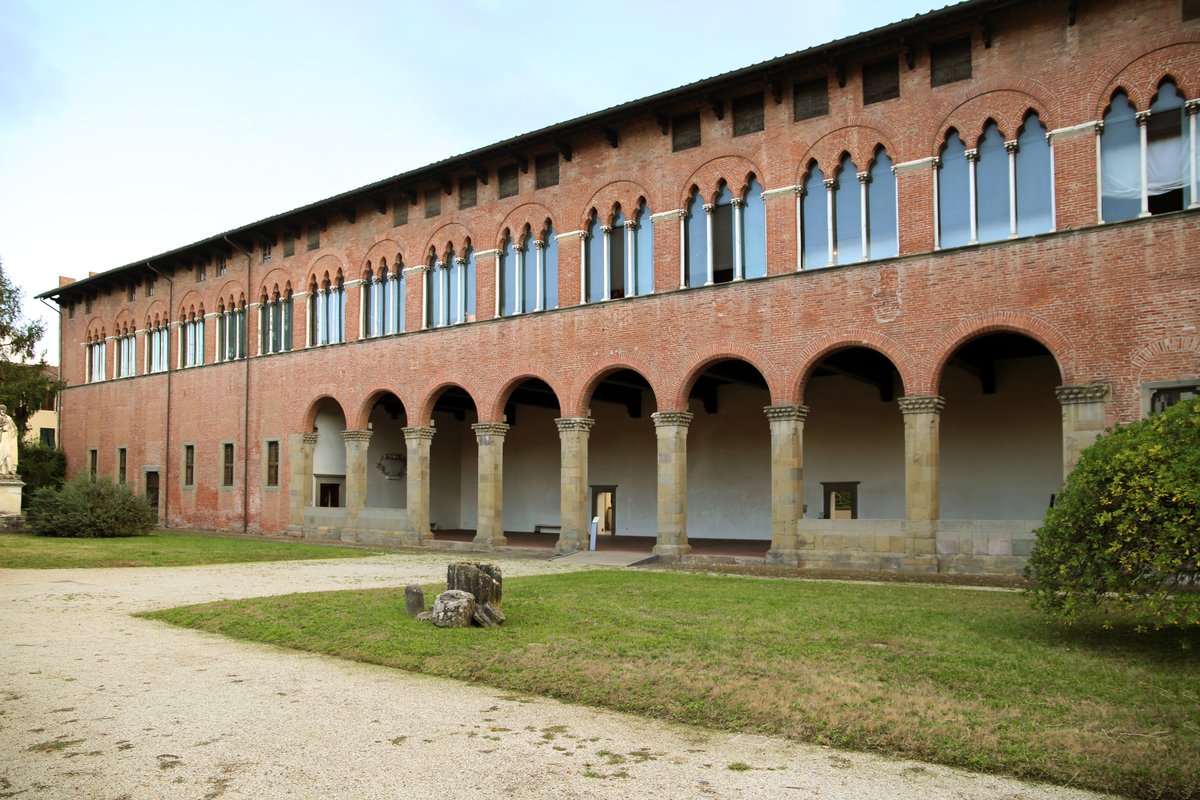 From the Church of San Francesco, continue along Via della Quarquonia to number 4: you will find yourself in front of Villa Guinigi, a brick building from 1413 commissioned by Paolo Guinigi as a summer residence. Today it is a national museum that houses over 2,000 years of Lucchese history. On the ground floor, the archaeological section displays Etruscan artifacts, including an Attic krater with Theseus and the Minotaur, and Roman remains. Going upstairs, you will encounter masterpieces such as the Painted Cross by Berlinghiero Berlinghieri (13th century), the Pietà by Matteo Civitali, and works by Fra Bartolomeo, Guido Reni, and Pompeo Batoni. The chronological layout guides you from the Middle Ages to the 18th century, with a focus on panel painting and Renaissance sculpture. Don’t miss the Ecstasy of Saint Catherine by Batoni, a riot of 18th-century colors. The museum is open Tuesday to Saturday 12:00-19:30, and the first and third Sundays of the month 9:00-19:30 (last admission 18:00). Full ticket €4, combined ticket with Palazzo Mansi €6.50. A quiet place, away from the hustle and bustle, to get lost among artworks and the charm of an ancient noble villa.
You should go if…
Stop no. 4
San Salvatore Bastion: 16th-Century Military Engineering
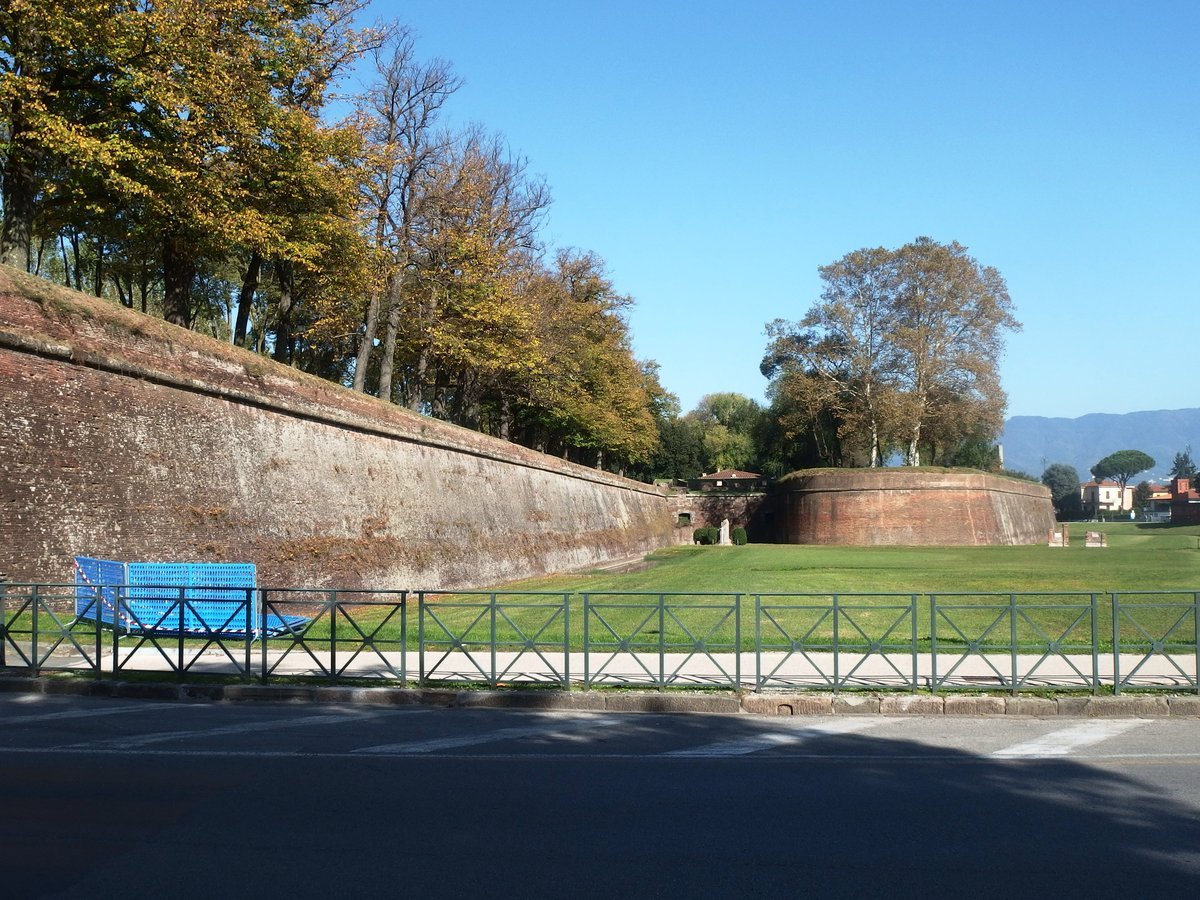 Leave Villa Guinigi and climb up onto the walls: in a few minutes you’ll reach San Salvatore Bastion, a gem of military engineering. Built between 1590 and 1592 to a design by Ginese Bresciani, this bastion has nearly identical faces and rounded flanks, with gunports on two levels: two low and three high. At the center stands the perfectly preserved guardhouse. Beneath your feet, the lower parade grounds will amaze you with their imposing vaults: the northern one is open to the public and connects Via dei Bacchettoni to the stadium, while the southern one is closed. As you walk, you’ll notice traces of the old medieval fortification called ‘Bastardo’, which once stood here. However, some signs of decay are visible (the bastion needs care), but its charm remains intact. A perfect place for those who want to understand how Lucca defended itself, away from the chaos of the city center.
- Via delle Mura Urbane, Lucca (LU)
- Open in Google Maps
- View on Google Images
You should go if…
Stop no. 5
Piazza Napoleone: Lucca’s Living Room
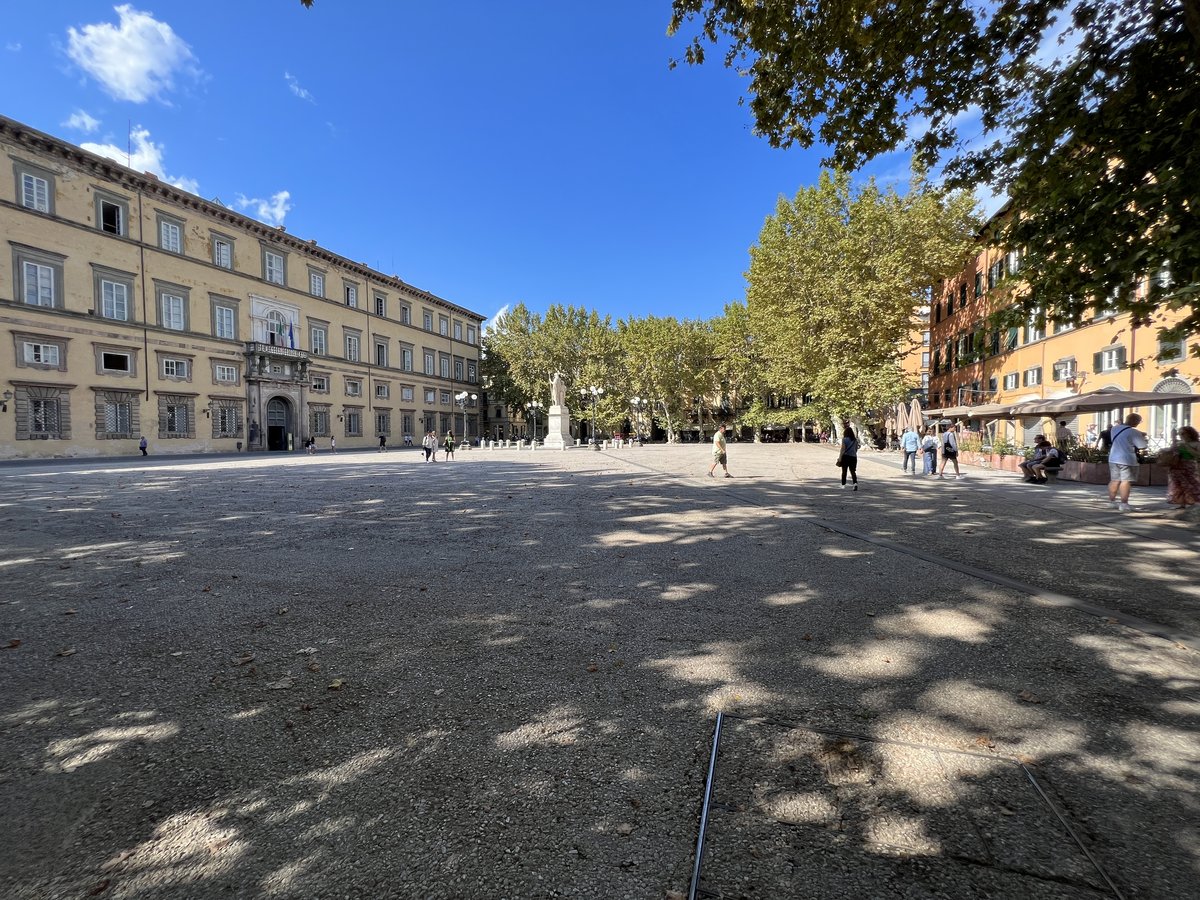 Leave the Baluardo San Salvatore and in a few minutes you’ll reach Piazza Napoleone, Lucca’s living room. Here, in 1806, Elisa Bonaparte cleared away houses, towers, and even a church to create a space befitting her imperial surname. Today, the scene is dominated by the statue of Maria Luisa of Bourbon, sculpted by Lorenzo Bartolini in 1843, which watches over the plane trees planted back then, still there, shading the café tables. The west side is entirely occupied by the Palazzo Ducale, seat of the Province. Until 1998, cars parked here; then archaeological excavations brought to light the foundations of Castruccio Castracani’s fortress and the church of San Pietro Maggiore, now visible under glass panels. Every summer, the square comes alive with the concerts of the Lucca Summer Festival, transforming into an open-air arena. A place that tells centuries of power, transformations, and lived life.
- Piazza Napoleone, Lucca (LU)
- Open in Google Maps
- View on Google Images
You should go if…
Stop no. 6
Botanical Garden: A Peaceful Haven Between Science and Legend
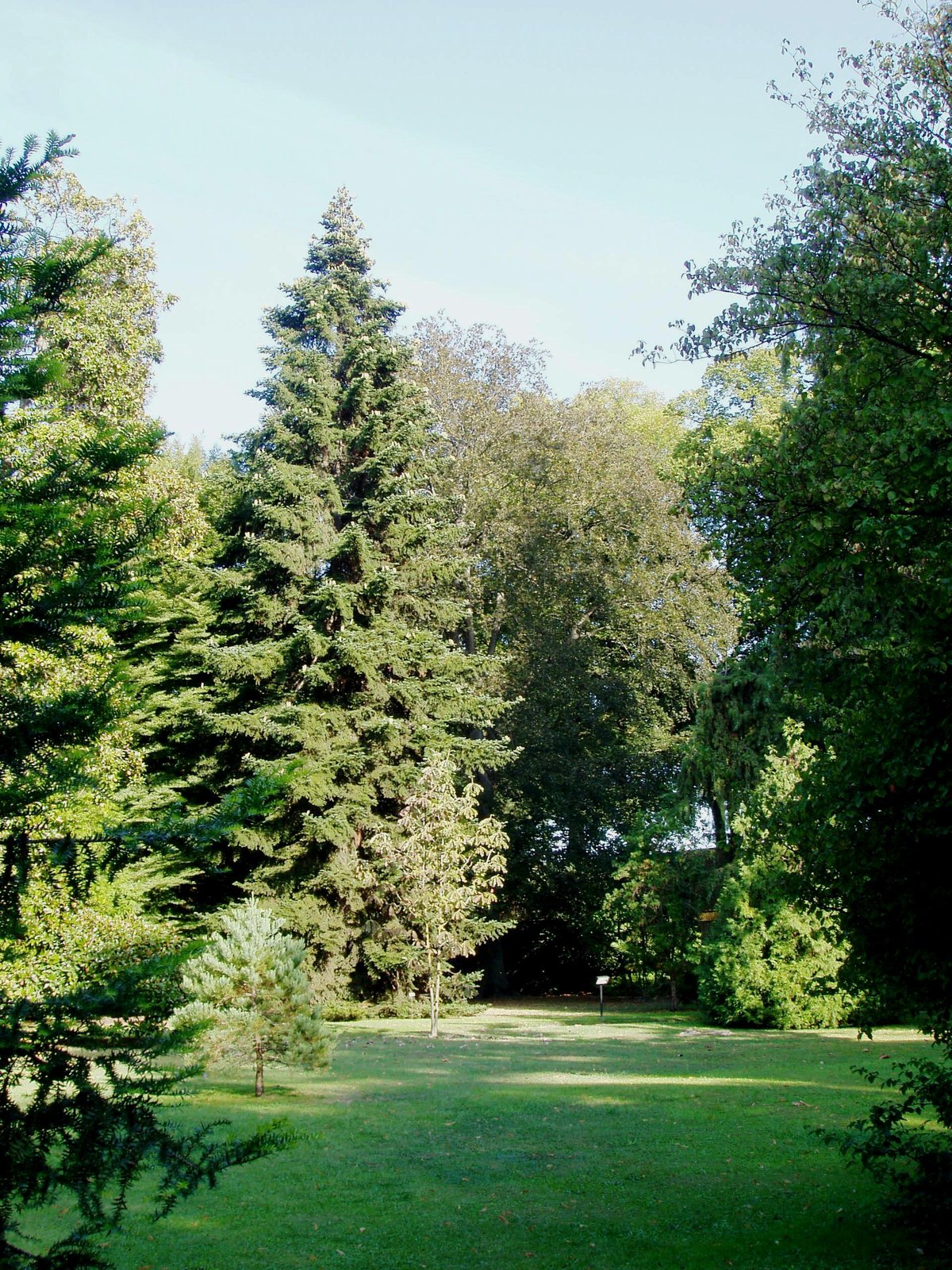 Leave the bustling square behind and step through the entrance of the Botanical Garden on Via San Micheletto. Founded in 1820 by Maria Luisa di Borbone, this two-hectare garden is a treasure trove of biodiversity. Stroll among centuries-old trees like the monumental Cedar of Lebanon, planted in 1822, with its 6-meter circumference and 22-meter height. Discover the Hortus Sanitatis, a collection of nearly 500 medicinal species from around the world. The pond with its bald cypress and the artificial hill offer peaceful corners. The garden also holds a curious legend: that of Lucida Mansi, who according to tradition appears on full moon nights. Among greenhouses of succulents, camellia flowerbeds, and the Cesare Bicchi Botanical Museum, this place offers a rejuvenating break. A perfect way to end a day in Lucca.
- Via San Micheletto, Lucca (LU)
- https://ortobotanicodilucca.it/
- Open in Google Maps
- View on Google Images
You should go if…