A Hidden Treasure Behind a Simple Facade
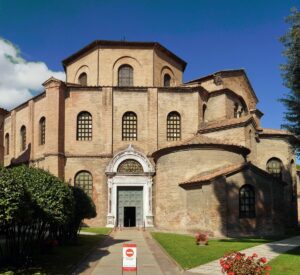
Stepping into the Basilica of St. Dominic is like unlocking a treasure chest. From the outside, the Romanesque brick facade is almost plain, but as soon as you cross the threshold, you find yourself surrounded by masterpieces. The atmosphere is intimate, the wooden pews worn by centuries. Immediately, the scent of incense and the light filtering through the rose window strike you. This is a place where the sacred and art merge, and where you can see works by Michelangelo, Guido Reni, and Filippino Lippi up close. And the best part is that entrance is free – a rare gift in Bologna.
A Hidden Treasure Behind a Simple Facade
Stepping into the Basilica of St. Dominic is like unlocking a treasure chest. From the outside, the Romanesque brick facade is almost plain, but as soon as you cross the threshold, you find yourself surrounded by masterpieces. The atmosphere is intimate, the wooden pews worn by centuries. Immediately, the scent of incense and the light filtering through the rose window strike you. This is a place where the sacred and art merge, and where you can see works by Michelangelo, Guido Reni, and Filippino Lippi up close. And the best part is that entrance is free – a rare gift in Bologna.
Historical Notes
The basilica was founded by Saint Dominic, who died here in 1221. Construction began seven years later and was completed in 1240, with consecration in 1251. Over the centuries it was enriched with chapels and artworks. The Gothic bell tower dates from 1313. In the 16th century, Fra Damiano da Bergamo created the inlaid wooden choir, called ‘the eighth wonder of the world’. In the 18th century, architect Dotti gave the interior its Baroque appearance. And in 1770, a young Mozart studied and played the organ of the Rosary Chapel. Here are the key moments:
Historical Notes
The basilica was founded by Saint Dominic, who died here in 1221. Construction began seven years later and was completed in 1240, with consecration in 1251. Over the centuries it was enriched with chapels and artworks. The Gothic bell tower dates from 1313. In the 16th century, Fra Damiano da Bergamo created the inlaid wooden choir, called ‘the eighth wonder of the world’. In the 18th century, architect Dotti gave the interior its Baroque appearance. And in 1770, a young Mozart studied and played the organ of the Rosary Chapel. Here are the key moments:
Brief Timeline
- 1218 – St. Dominic arrives in Bologna
- 1221 – Dies and is buried here
- 1228-1240 – Construction of the basilica
- 1251 – Consecration by Pope Innocent IV
- 1267 – Nicola Pisano begins the Arca
- 1313 – Erection of the Gothic bell tower
- 1469-1473 – Niccolò dell’Arca decorates the cimasa
- 1541-1549 – Wooden choir by Fra Damiano
- 1728-1732 – Baroque renovation by Dotti
- 1770 – Mozart plays the organ
- 1884 – Elevated to minor basilica
Brief Timeline
- 1218 – St. Dominic arrives in Bologna
- 1221 – Dies and is buried here
- 1228-1240 – Construction of the basilica
- 1251 – Consecration by Pope Innocent IV
- 1267 – Nicola Pisano begins the Arca
- 1313 – Erection of the Gothic bell tower
- 1469-1473 – Niccolò dell’Arca decorates the cimasa
- 1541-1549 – Wooden choir by Fra Damiano
- 1728-1732 – Baroque renovation by Dotti
- 1770 – Mozart plays the organ
- 1884 – Elevated to minor basilica
The Ark of St. Dominic: Michelangelo a Step Away
The Chapel of St. Dominic, to the right of the high altar, holds the saint’s Ark. It is an incredible marble monument: begun by Nicola Pisano in 1267, enriched by Niccolò dell’Arca, and later by a very young Michelangelo. You can admire his earliest sculptures: the right-hand angel holding a candlestick, St. Petronius, and St. Proculus. They are delicate, full of grace. At the back of the Ark, there is a reliquary with the saint’s skull, surrounded by notes from the faithful. It is moving to see the work of a genius up close.
The Ark of St. Dominic: Michelangelo a Step Away
The Chapel of St. Dominic, to the right of the high altar, holds the saint’s Ark. It is an incredible marble monument: begun by Nicola Pisano in 1267, enriched by Niccolò dell’Arca, and later by a very young Michelangelo. You can admire his earliest sculptures: the right-hand angel holding a candlestick, St. Petronius, and St. Proculus. They are delicate, full of grace. At the back of the Ark, there is a reliquary with the saint’s skull, surrounded by notes from the faithful. It is moving to see the work of a genius up close.
The Inlaid Choir and Mozart’s Organ
Behind the main altar, the wooden choir by Fra Damiano da Bergamo is a masterpiece of Renaissance inlay. The marquetry depicts biblical scenes with astonishing perspective, almost as if painted. Charles V called it ‘the eighth wonder of the world.’ Nearby, in the Rosary Chapel, stands the historic organ on which Mozart studied and played in 1770, when he was in Bologna for his exam at the Philharmonic Academy. If you’re lucky, a musician still plays it today.
The Inlaid Choir and Mozart’s Organ
Behind the main altar, the wooden choir by Fra Damiano da Bergamo is a masterpiece of Renaissance inlay. The marquetry depicts biblical scenes with astonishing perspective, almost as if painted. Charles V called it ‘the eighth wonder of the world.’ Nearby, in the Rosary Chapel, stands the historic organ on which Mozart studied and played in 1770, when he was in Bologna for his exam at the Philharmonic Academy. If you’re lucky, a musician still plays it today.
Why Visit It
1) See Michelangelo for free: his early sculptures are accessible without paying a cent, which is rare. 2) Mozart’s organ: a piece of music history you can admire up close. 3) The inlaid choir: a work of almost hypnotic precision that leaves you in awe. Plus, the basilica is less crowded than San Petronio, so you can enjoy the art at your leisure. And if you love a cozy atmosphere, the Cloister of the Dead is a peaceful corner.
Why Visit It
1) See Michelangelo for free: his early sculptures are accessible without paying a cent, which is rare. 2) Mozart’s organ: a piece of music history you can admire up close. 3) The inlaid choir: a work of almost hypnotic precision that leaves you in awe. Plus, the basilica is less crowded than San Petronio, so you can enjoy the art at your leisure. And if you love a cozy atmosphere, the Cloister of the Dead is a peaceful corner.
When to Visit
The best time? Late afternoon, just before closing (6:00 PM). The oblique light illuminates the rose window and chapels, creating an almost mystical atmosphere. Plus, there are fewer people. If you go in spring, the Cloister of the Dead is in bloom and fragrant. Avoid Sunday afternoon if you want silence. And if you happen to be there on August 4th, the feast of Saint Dominic, the basilica is in full splendor.
When to Visit
The best time? Late afternoon, just before closing (6:00 PM). The oblique light illuminates the rose window and chapels, creating an almost mystical atmosphere. Plus, there are fewer people. If you go in spring, the Cloister of the Dead is in bloom and fragrant. Avoid Sunday afternoon if you want silence. And if you happen to be there on August 4th, the feast of Saint Dominic, the basilica is in full splendor.
Nearby
Just a short walk away is Piazza Maggiore with the Basilica of San Petronio and the Neptune Fountain. A must-see. If you have time, climb the Asinelli and Garisenda Towers for a breathtaking view. Or, for a dive into medieval history, visit the Civic Medieval Museum on Via Manzoni, which houses artifacts related to the city. But even just strolling under the porticoes of Via d’Azeglio is worth it.
Nearby
Just a short walk away is Piazza Maggiore with the Basilica of San Petronio and the Neptune Fountain. A must-see. If you have time, climb the Asinelli and Garisenda Towers for a breathtaking view. Or, for a dive into medieval history, visit the Civic Medieval Museum on Via Manzoni, which houses artifacts related to the city. But even just strolling under the porticoes of Via d’Azeglio is worth it.