
Capo Testa is a granite promontory in northern Sardinia, famous for its wind-sculpted rock formations and crystal-clear waters. Visiting this peninsula means immersing yourself in a unique landscape blending Roman history and pristine nature.
– Beaches like Rena di Ponente and Rena di Levante
– Valley of the Moon with tafoni and a hippie vibe
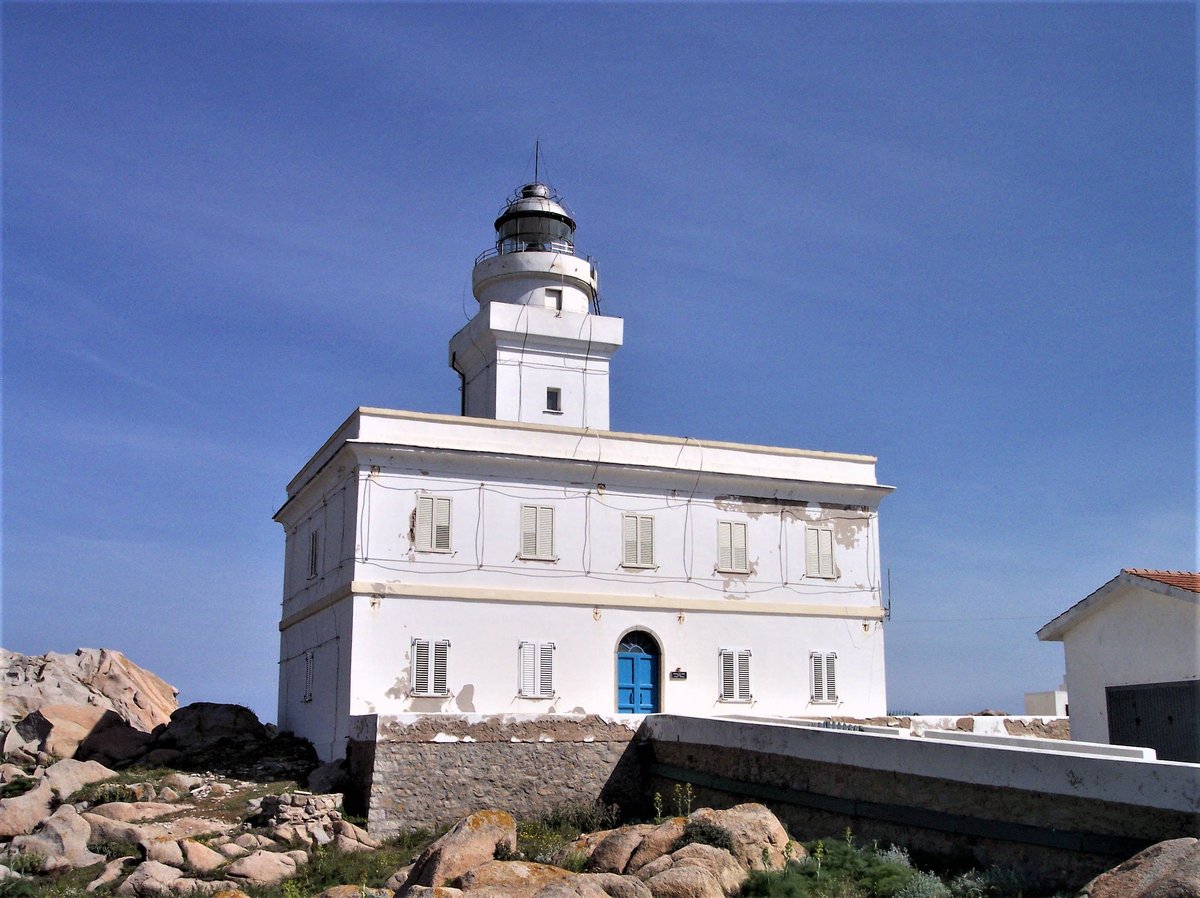
– 1845 Lighthouse with views of Corsica
– Ancient Roman granite quarries
Events nearby
Capo Testa, 5 km from Santa Teresa Gallura, offers white sand beaches, natural pools, ancient Roman quarries, and a 19th-century lighthouse. Perfect for trekking, snorkeling, and climbing.
- Cala Francese, Sassari (SS)
- Open in Google Maps
- View on Google Images Capo Testa a Sassari
Good to know
Welcome to Capo Testa
A few kilometers from Santa Teresa Gallura, a narrow sandy isthmus takes you into another world. Capo Testa is a small granite peninsula about 10 km in perimeter, sculpted by wind and sea into dreamlike shapes. Here you’ll find white sandy beaches like Rena di Ponente and Rena di Levante, natural pools hidden among the rocks, and the enchanting Valle della Luna, with its tafoni shimmering in the moonlight. The 19th-century lighthouse dominates the scene, and from the tip you can see Corsica. The atmosphere is relaxed, ideal for those seeking a day away from the chaos, amidst wild nature and ancient history.
Welcome to Capo Testa
A few kilometers from Santa Teresa Gallura, a narrow sandy isthmus takes you into another world. Capo Testa is a small granite peninsula about 10 km in perimeter, sculpted by wind and sea into dreamlike shapes. Here you’ll find white sandy beaches like Rena di Ponente and Rena di Levante, natural pools hidden among the rocks, and the enchanting Valle della Luna, with its tafoni shimmering in the moonlight. The 19th-century lighthouse dominates the scene, and from the tip you can see Corsica. The atmosphere is relaxed, ideal for those seeking a day away from the chaos, amidst wild nature and ancient history.
A Bit of History
Capo Testa has a history that stretches back to ancient times. As early as the Roman period (1st century BC – 1st century AD and later 2nd–4th century AD), high-quality granite was extracted here. It is said that the columns of the Pantheon in Rome were carved from these very quarries. In 1162, the Pisan worker Cioneto extracted columns for the Cathedral and Baptistery of Pisa. Quarrying continued until the early 20th century. Today, the stepped cuts on the cliffs and semi-finished blocks remain visible. On the promontory stands the Capo Testa lighthouse, active since 1845, with its white square tower 23 meters high.
- 1st century BC – 1st century AD: first Roman quarrying phase
- 2nd–4th century AD: second Roman phase
- 1162: extraction for Pisa Cathedral
- 1845: lighthouse activation
A Bit of History
Capo Testa has a history that stretches back to ancient times. As early as the Roman period (1st century BC – 1st century AD and later 2nd–4th century AD), high-quality granite was extracted here. It is said that the columns of the Pantheon in Rome were carved from these very quarries. In 1162, the Pisan worker Cioneto extracted columns for the Cathedral and Baptistery of Pisa. Quarrying continued until the early 20th century. Today, the stepped cuts on the cliffs and semi-finished blocks remain visible. On the promontory stands the Capo Testa lighthouse, active since 1845, with its white square tower 23 meters high.
- 1st century BC – 1st century AD: first Roman quarrying phase
- 2nd–4th century AD: second Roman phase
- 1162: extraction for Pisa Cathedral
- 1845: lighthouse activation
Beaches and Natural Pools
The beaches of Capo Testa are postcard-perfect. Rena di Ponente has soft sand and shallow waters, perfect for children. Rena di Levante (Zia Columba) offers crystal-clear waters and a small beach shaded by junipers. But the real treasures are the natural pools: small coves among the rocks where turquoise water gathers, creating peaceful spots away from the crowds. Cala Spinosa is a small cove framed by a white granite amphitheater, ideal for snorkeling. And then there’s Valle della Luna with its sheltered coves like Cala l’Ea and Cala Grande, once a haven for the hippy community.
Beaches and Natural Pools
The beaches of Capo Testa are postcard-perfect. Rena di Ponente has soft sand and shallow waters, perfect for children. Rena di Levante (Zia Columba) offers crystal-clear waters and a small beach shaded by junipers. But the real treasures are the natural pools: small coves among the rocks where turquoise water gathers, creating peaceful spots away from the crowds. Cala Spinosa is a small cove framed by a white granite amphitheater, ideal for snorkeling. And then there’s Valle della Luna with its sheltered coves like Cala l’Ea and Cala Grande, once a haven for the hippy community.
Trekking and Climbing Among the Rocks
For adventure lovers, Capo Testa is a paradise. The trails winding across the promontory offer breathtaking views of Corsica and the La Maddalena Archipelago. I recommend closed-toe shoes: the terrain is rocky and steep in places. For climbers, the Dinosaur Rock (128 meters) offers routes of various levels. Its summit, called ‘La Turri’ or ‘Il Teschio’, is an exciting challenge. Along the way, you’ll find the Roman quarries, where stepped cuts and semi-worked boulders are still visible. And if you love snorkeling, the waters of Cala Francese hide the wreck of the Adel Conchita, visible even while free diving.
Trekking and Climbing Among the Rocks
For adventure lovers, Capo Testa is a paradise. The trails winding across the promontory offer breathtaking views of Corsica and the La Maddalena Archipelago. I recommend closed-toe shoes: the terrain is rocky and steep in places. For climbers, the Dinosaur Rock (128 meters) offers routes of various levels. Its summit, called ‘La Turri’ or ‘Il Teschio’, is an exciting challenge. Along the way, you’ll find the Roman quarries, where stepped cuts and semi-worked boulders are still visible. And if you love snorkeling, the waters of Cala Francese hide the wreck of the Adel Conchita, visible even while free diving.
Why Visit It
1. Unique Landscape: Wind-sculpted granite formations create an almost lunar atmosphere with tafoni and natural arches. 2. Open-Air History: Roman quarries and a 19th-century lighthouse are fascinating remnants. 3. Activities for Everyone: From family-friendly beaches to trails for experienced hikers, plus climbing and snorkeling. In short, a place that surprises at every step.
Why Visit It
1. Unique Landscape: Wind-sculpted granite formations create an almost lunar atmosphere with tafoni and natural arches. 2. Open-Air History: Roman quarries and a 19th-century lighthouse are fascinating remnants. 3. Activities for Everyone: From family-friendly beaches to trails for experienced hikers, plus climbing and snorkeling. In short, a place that surprises at every step.
When to Go
The best time? Spring and fall, when temperatures are mild and trails are less crowded. If you come in summer, choose the early morning or late afternoon to enjoy the coves in peace. The sunset here is spectacular: the granite turns orange and pink, and the lighthouse stands out against the sky. Bring a sweatshirt: even in summer, the wind can be cool.
When to Go
The best time? Spring and fall, when temperatures are mild and trails are less crowded. If you come in summer, choose the early morning or late afternoon to enjoy the coves in peace. The sunset here is spectacular: the granite turns orange and pink, and the lighthouse stands out against the sky. Bring a sweatshirt: even in summer, the wind can be cool.
Nearby
Just a few minutes’ drive away, Santa Teresa Gallura is worth a stop: its port, beaches like Rena Bianca, and seafood restaurants. Another must-see is Punta Falcone, a nearby promontory with more ancient granite quarries and a twin lighthouse. If you have time, take a ferry to the La Maddalena Archipelago: a paradise of islets and crystal-clear waters.
Nearby
Just a few minutes’ drive away, Santa Teresa Gallura is worth a stop: its port, beaches like Rena Bianca, and seafood restaurants. Another must-see is Punta Falcone, a nearby promontory with more ancient granite quarries and a twin lighthouse. If you have time, take a ferry to the La Maddalena Archipelago: a paradise of islets and crystal-clear waters.
Itineraries nearby


💡 Did You Know…?
In the 1960s and 1970s, the Valley of the Moon became a refuge for a hippie community, drawn by the natural caves and the moonlight on the rocks. Even today, it retains a timeless atmosphere.