
Castel Lagopesole, built by Frederick II of Swabia between 1242 and 1250, dominates the Bradano Valley from 820 meters above sea level. This national monument, with its hybrid architecture and two courtyards, offers an authentic historical experience away from the busiest tourist circuits.
- 360° panoramic view over the Lucanian mountains and surrounding countryside
- Unique architecture with a palatine chapel featuring a protruding apse and Islamic influences
- Medieval village of Lagopesole with cobbled alleys and stone houses
- Cultural events and exhibitions in a perfectly restored castle
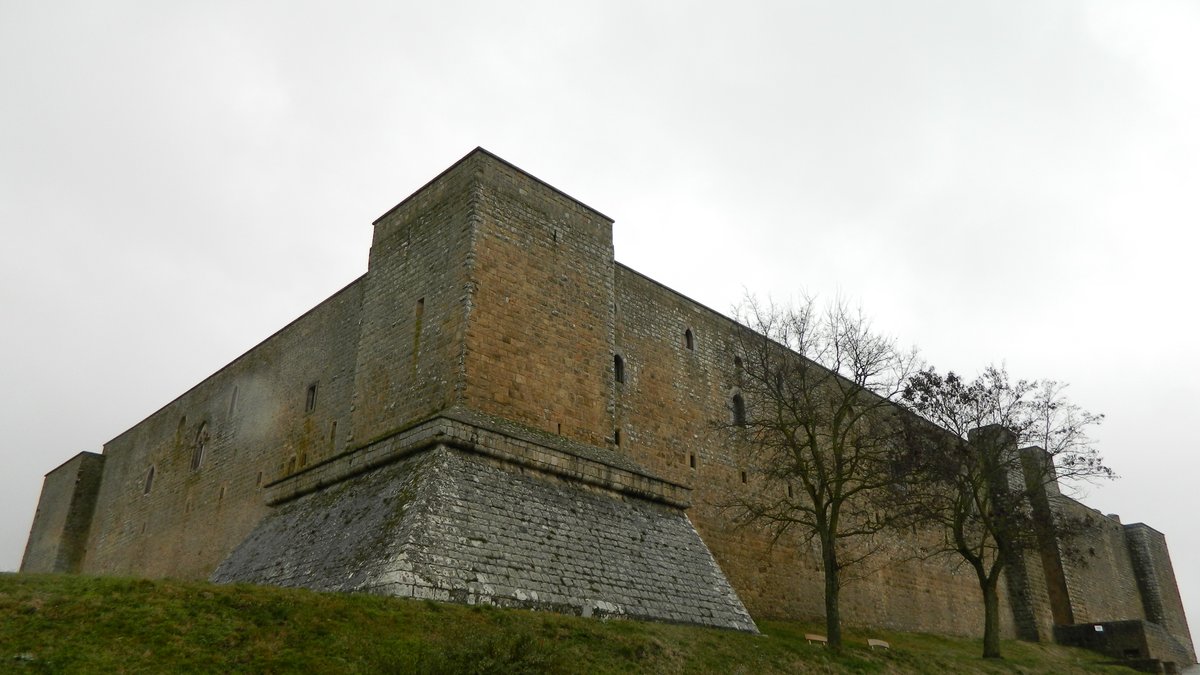
Castel Lagopesole is a 13th-century Frederick II residence with Norman-Swabian architecture, a unique palatine chapel, and breathtaking views over the Bradano Valley. Visit the medieval village and discover imperial history.
- https://www.castellodilagopesole.com/
- Corso Federico II di Svevia, Potenza (PZ)
- +39 0971 86083
- Open in Google Maps
- View on Google Images Castel Lagopesole a Potenza
Good to know
Introduction
Arriving at Castel Lagopesole is an experience that strikes straight to the heart. This majestic castle rises atop a hill at 820 meters high, authoritatively dominating the Bradano Valley. It’s not just a monument, but a privileged vantage point that offers 360-degree panoramic views of the Lucanian mountains. Its strategic location was already evident to Frederick II, who chose this as one of his most beloved hunting residences. Today, walking through its walls makes you feel part of a thousand-year history, with that breathtaking view alone making the journey worthwhile.
Historical Overview
The history of Castel Lagopesole is inextricably linked to Frederick II of Swabia, who commissioned its construction between 1242 and 1250. This was not merely a military outpost, but a true domus solaciorum, a residence for the emperor’s leisure and hunting pursuits. The castle features a rare characteristic: it boasts two courtyards, one civil and one military, reflecting its dual purpose. After Frederick’s death, the fortress passed through various hands, from the Angevins to the Caracciolo family, undergoing modifications while retaining its imperial charm intact.
- 1242-1250: Construction commissioned by Frederick II of Swabia
- 13th century: Imperial residence and hunting grounds
- Angevin period: Structural modifications and expansions
- Subsequent centuries: Ownership by various noble families
- Today: National monument and cultural hub
Imperial Architecture
What makes Castel Lagopesole unique is its hybrid architecture, a blend of Norman-Swabian style and Islamic influences typical of Frederick II’s court. The tall, massive quadrangular keep dialogues with the elegant bifora windows that illuminate the residential spaces. But the true peculiarity lies in the palatine chapel: it’s the only one among Frederick’s castles to feature an apse protruding beyond the perimeter walls. This architectural detail, together with the rainwater collection cistern still visible in the main courtyard, tells of a place designed for court life, not just for warfare.
The Village at the Foot of the Castle
The castle does not stand alone. At its feet lies the medieval village of Lagopesole, a settlement that retains the intact charm of the past. Strolling through its cobbled lanes means discovering stone houses that seem to have emerged from a tale of bygone eras. Here, time flows slowly, and the atmosphere is the authentic one of a Lucanian village that has managed to preserve its identity. The village also offers a few characteristic spots where you can stop to sample local products, creating a perfect blend of history and culinary tradition.
Why Visit
Visiting Castel Lagopesole means immersing yourself in an authentic piece of Frederick II’s history away from the usual tourist trails. Unlike more famous castles, here you’ll breathe in an intimate and genuine atmosphere. The entrance ticket is reasonably priced, making it accessible to everyone. Moreover, its elevated position offers a unique view of inland Basilicata, perfect for memorable photo opportunities. It’s the ideal place for those seeking culture without the crowds, wanting to discover a lesser-known but equally fascinating side of Italy’s heritage.
When to Visit
The best time to visit is during the autumn sunset, when the warm light of the sun setting behind the Lucanian mountains turns the castle stones to gold. During this season, the crisp air and the warm colors of nature create a particularly evocative atmosphere. The early morning hours are also ideal, especially on weekdays, to enjoy the tranquility of the place and the raking light that enhances the architectural details.
In the Surroundings
Complete your experience with a visit to the Sanctuary of San Vito in Lavello, just a few kilometers away. This place of worship, nestled in lush greenery, houses exquisite works of art and offers an atmosphere of profound spirituality. For archaeology enthusiasts, the surrounding areas conceal traces of ancient settlements and historic routes that are well worth exploring, bearing witness to the rich historical heritage of this territory.
💡 Did You Know…?
A local legend tells that Frederick II loved to stay here to dedicate himself to hunting with his favorite animal, the falcon. It is said that the ghost of a Swabian knight still appears on full moon nights, watching over the walls. During excavations, artifacts were found that testify to the presence of a palatine chapel, used by the emperor for religious functions.