Civic Museum Castello Ursino Catania: Greco-Roman Collections and Sicilian Art in Frederick II’s Castle

The Civic Museum Castello Ursino in Catania is a 13th-century castle commissioned by Frederick II of Swabia, now a museum with collections ranging from Greco-Roman archaeology to Sicilian painting from the 17th and 18th centuries. Located in the heart of the historic center, it offers an immersion into medieval history and Sicilian culture, away from the crowds of more touristy places.

  • 13th-century medieval castle commissioned by Frederick II of Swabia
  • Greco-Roman archaeological collections and medieval Sicilian artifacts
  • Works by artists such as Antonello da Messina and Mattia Preti
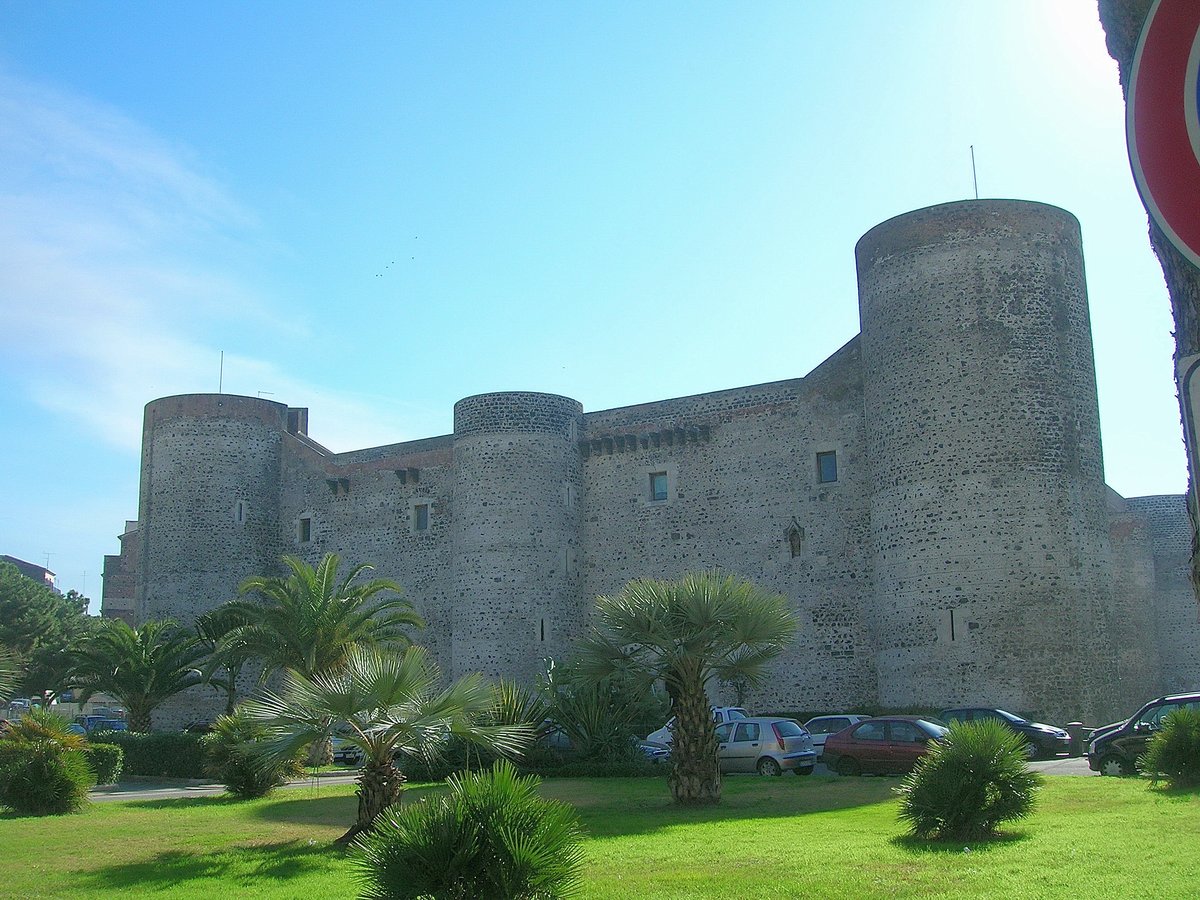
  • Swabian architecture with a square plan and massive corner towers
Copertina itinerario Civic Museum Castello Ursino Catania: Greco-Roman Collections and Sicilian Art in Frederick II's Castle
The Civic Museum Castello Ursino in Catania houses Greco-Roman archaeological collections and Sicilian painting from the 17th-18th centuries in the 13th-century Frederick II castle. Admire works by Antonello da Messina and Mattia Preti, explore Swabian architecture, and discover the city’s history.

Good to know


Introduction

You expect a medieval castle on a hill, but instead you find this massive fortress nestled in the heart of the city, surrounded by buildings and traffic. It’s a striking contrast that hits you immediately: Castello Ursino seems almost like an intruder, a piece of history that has withstood the lava of Mount Etna and modernity. Entering here isn’t just visiting a museum; it’s a leap back in time, to a place that has witnessed the passage of Frederick II, earthquakes, and revolts. The atmosphere is powerful, almost palpable within its thick walls. I was surprised by how integrated it is into the daily life of Catania, a stone giant watching the hustle and bustle.

Historical Background

The history of Castello Ursino is a tapestry of power, nature, and resilience. Commissioned by Frederick II of Swabia in the 13th century as a symbol of imperial control over Sicily, it was originally a defensive fortress near the sea. Then came Mount Etna: the 1669 eruption buried the outer bastions and diverted the coastline, leaving the castle oddly set back from the new shore. Over time, it has served various roles: from royal residence to prison, until its rebirth as a civic museum in 1934. Today, it houses collections ranging from Greco-Roman antiquity to the Middle Ages, with artifacts recovered from the city and its surroundings.

  • 1239-1250: Construction commissioned by Frederick II.
  • 1669: Mount Etna’s eruption alters the landscape and isolates the castle.
  • 1934: Opens as the Civic Museum after restoration.

Collections Within the Stone

What I love about this museum is how the artworks dialogue with the castle’s own architecture. They’re not just objects in display cases: the Greek and Roman statues discovered during Catania’s excavations seem to find a natural home within these austere walls. There’s a section dedicated to Sicilian medieval times with ceramics and coins that tell the story of daily life from that era, and then artifacts from the Frederickian period, such as coats of arms and decorations. Don’t expect a super modern setup: here the atmosphere is authentic, a bit rustic, and walking through the vaulted rooms makes you feel more like an explorer than a tourist. Personally, I was struck by the mosaic fragments and inscriptions that bear witness to ancient Catania, often overlooked compared to its Baroque counterpart.

The Architecture That Speaks

Even if you’re not a history enthusiast, it’s worth pausing to admire the castle’s architectural structure, a rare example of Swabian architecture in Sicily. The square floor plan with massive corner towers, arrow slits, and inner courtyards all speak to a precise military function. Climbing the walls (when accessible) offers an unusual view of the city, with Mount Etna in the background. You’ll notice the marks of time and restorations, but it’s precisely this mix of authenticity and interventions that makes the place feel alive. Sometimes, on quiet days, you can only hear the echo of footsteps on the stones—an almost meditative experience far from the external bustle.

Why Visit It

First, because it is one of the few perfectly visitable Frederician castles in Sicily, with a history closely tied to the city and the volcano. Second, the collections are a concentration of local archaeology and medieval art, ideal for understanding Catania’s roots beyond the Baroque. Third, admission costs little and it’s easily reachable on foot from the center, so you can effortlessly include it in a day’s itinerary. It’s a smart alternative when you’ve already seen the Cathedral and the fish market, and want to delve into the more ancient history.

When to Go

The best time? Early afternoon, especially on weekdays, when light streams through the high windows and tourist groups are fewer. In winter, the interior is evocative for its intimate atmosphere, while in summer it offers a cool refuge from the heat. Avoid crowded weekends if you prefer to enjoy it at a leisurely pace. My impression: visiting on a cloudy day enhances that sense of medieval mystery, making the experience more intense.

In the Surroundings

After leaving the castle, immerse yourself in the lively Fish Market, just a few minutes’ walk away, for a sensory experience among the colors, scents, and voices of Catania. If you wish to continue with the historical-artistic theme, take a quick trip to the nearby Church of San Nicolò l’Arena, with its Benedictine cloister and catacombs, another piece of layered Catania. Both places complete the visit with a glimpse into the daily and religious life of the city.

💡 Did You Know…?

An ultra-realistic curiosity: during restoration work, traces of the 1669 lava flow that surrounded the castle without destroying it emerged, still visible today in the outer walls. Additionally, the courtyard features an original medieval well, used for centuries as a water reserve during sieges. According to local guides, some rooms preserve graffiti left by prisoners from the 1500s, a detail that makes the visit particularly vivid.