Mongiana Weapons Factory: Former Bourbon Steelworks with 1810 Smelting Furnaces

The Mongiana Weapons Factory, founded in 1810, is an industrial archaeology site that produced weapons for the Bourbon army. It houses unique structures such as the 10-meter-high stone reduction furnace and the Machine Hall with original gears. Ideal for history and architecture enthusiasts, it offers a path through the restored ruins nestled in the greenery of the Calabrian Serre Mountains.

  • Stone reduction furnace made from local stone, over 10 meters high
  • Workshops with pointed arches and advanced construction techniques
  • Machine Hall with original gears for iron processing
  • Panoramic views of the surrounding valleys from the terrace
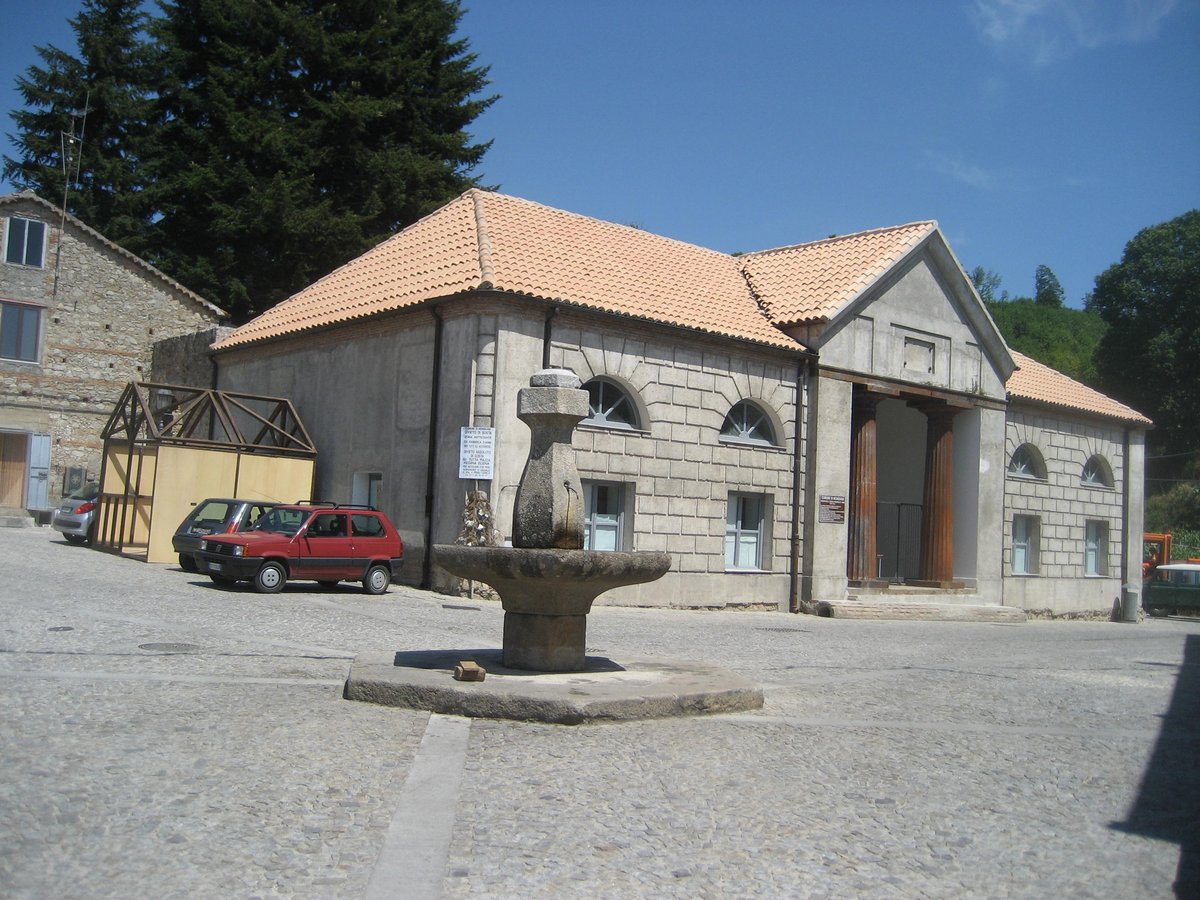
Copertina itinerario Mongiana Weapons Factory: Former Bourbon Steelworks with 1810 Smelting Furnaces
Former Bourbon steelworks from 1810 in the Calabrian Serre Mountains, featuring restored smelting furnaces, mechanical workshops, and warehouses. Discover the production of weapons for the Kingdom of the Two Sicilies and 19th-century industrial architecture.

Good to know


Introduction

Arriving at the Mongiana Weapons Factory is like taking a leap back in time. This former Bourbon steelworks complex, nestled among the green Serre Calabresi mountains, welcomes you with its imposing stone structures that tell centuries of history. Walking among the remains of the smelting furnaces and workshops makes you feel the weight of 19th-century industry, when weapons were forged here for the Kingdom of the Two Sicilies. The atmosphere is a blend of majesty and decay, perfect for those seeking authentic places far from mass tourism. It’s not just an industrial archaeological site, but a symbol of Calabrian courage, where human ingenuity challenged mountains and isolation.

Historical Overview

Founded in 1810 by order of Gioacchino Murat, the factory became a crown jewel of the Bourbon Kingdom, specializing in the production of cannons and rifles. In 1860, with the Unification of Italy, it lost importance and permanently closed in 1881. Today, it stands as a rare example of Calabrian industrial archaeology, with structures like the blast furnace and forge still visible.

  • 1810: Foundation under Murat
  • 1850: Production peak with 500 workers
  • 1860: Decline following Unification
  • 1881: Official closure

Architecture and Structures

The complex preserves unique elements such as the reduction furnace made of local stone, standing over 10 meters tall, and the cooling vats for metals. The workshops, with their pointed arches, showcase cutting-edge construction techniques for their time. Particularly evocative is the ‘Machine Hall’, where the gears for iron processing can still be glimpsed. The materials used—pietra serena stone and timber from the Serre mountains—make the site a perfect adaptation to the mountainous environment.

Emotional Journey

Begin at the Main Gate, where ore carts once entered, and continue towards the furnaces: here, the echo of hammers still seems to reverberate. Climbing to the panoramic terrace, the view embraces the surrounding valleys, offering a glimpse of how the factory dominated the territory. Don’t miss the ‘workers’ tales’ corner, with panels explaining the daily life of the workers, often women and children. An experience that unforgettably blends history and nature.

Why Visit

Visit to experience firsthand Italy’s industrial history, rare in Calabria, and for its educational value: ideal for families or history enthusiasts. Plus, the natural setting of the Serre mountains offers breathtaking views, perfect for those who love combining culture with light trekking. It’s a place off the conventional tourist trail, where you can immerse yourself in an authentic atmosphere without the crowds.

When to Go

The best time is during autumn mornings, when the mist envelops the structures creating a suggestive atmosphere, or in spring, with wildflowers framing the ruins. Avoid days with heavy rain due to slippery trails.

In the Surroundings

Complete your day with a visit to the Royal Ironworks Museum in Mongiana, which delves into the history of steelmaking, or explore the Serre Natural Park for short hikes through woods and streams.

Itineraries nearby


💡 Did You Know…?

Here, rifles for the Bourbon army and cannons for the battleship ‘Monarca’ were forged. The factory reached its peak with 800 workers, becoming one of Italy’s main steelmaking hubs before Unification. The decline began after 1860, when the new Savoy government preferred northern factories. Locals still tell stories of master gunsmiths who passed down forging secrets.