Teatro degli Industri in Grosseto: A Neoclassical Gem with a Horseshoe Interior

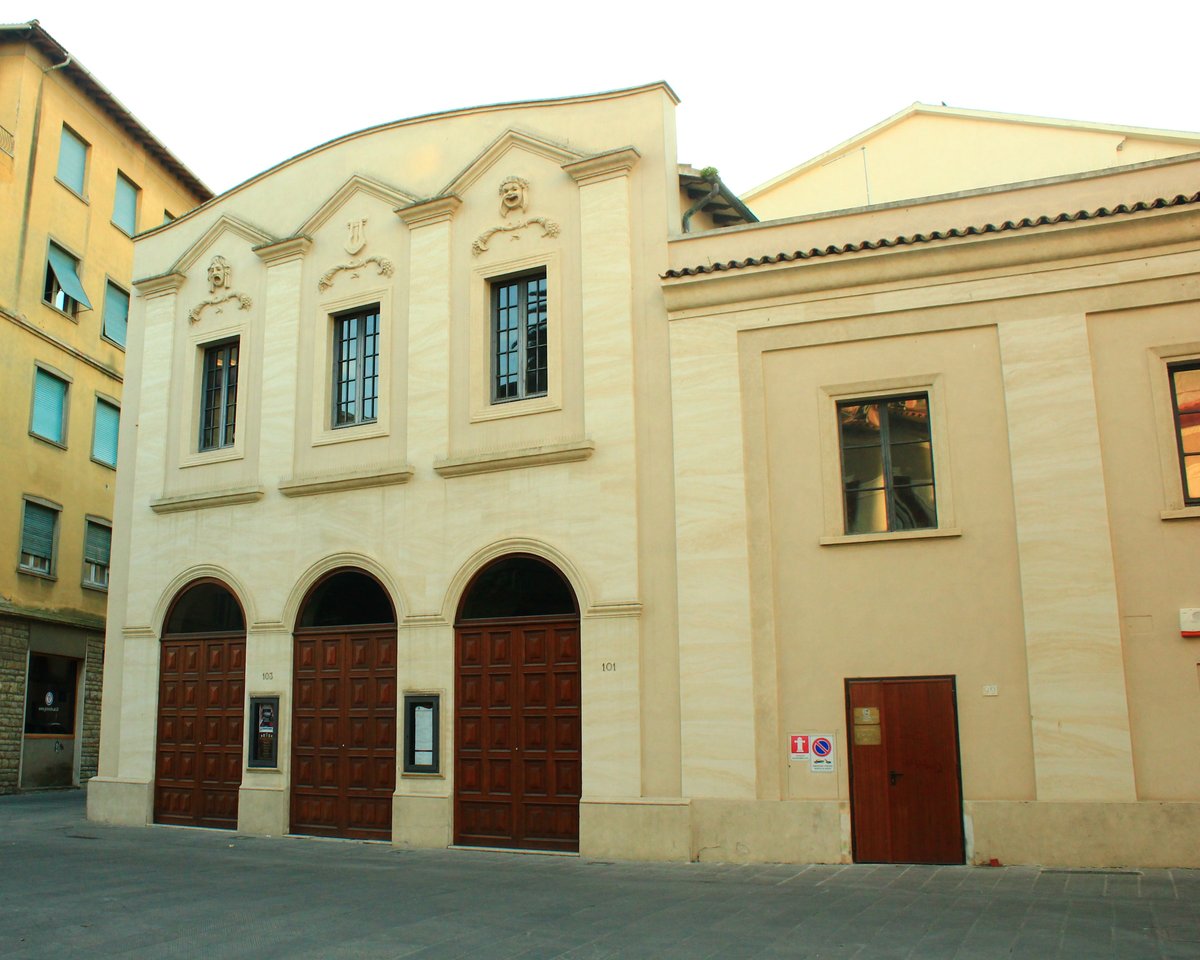
Built between 1819 and 1823 in Grosseto’s historic center, Teatro degli Industri is one of the rare, perfectly preserved examples of Neoclassical theater architecture in Tuscany. Its understated facade conceals stunning interiors with gilded stucco and red velvet, while its excellent acoustics make it ideal for opera and concerts. Today, it hosts a vibrant program ranging from classical drama to contemporary events.

  • Horseshoe-shaped auditorium with three tiers of boxes and a decorated gallery, all adorned with gilded stucco
  • Excellent acoustics, particularly well-suited for classical music and opera concerts
  • Active cultural programming including drama, concerts, family events, and workshops
  • Perfectly preserved 19th-century Neoclassical architecture with interiors featuring red velvet
Copertina itinerario Teatro degli Industri in Grosseto: A Neoclassical Gem with a Horseshoe Interior
A 19th-century theater in Grosseto’s historic center featuring a horseshoe-shaped auditorium, three tiers of boxes, and excellent acoustics for classical concerts. It offers an active program of drama, concerts, and guided tours.

Good to know


Introduction

As soon as you enter the historic center of Grosseto, the Teatro degli Industri strikes you with its elegant and understated facade. It’s not just a building, but a piece of living history that still breathes today. Built in the 19th century, this theater is a hidden gem among medieval streets, a fascinating contrast between the ancient and the modern. Its neoclassical architecture, with that majestic portico and arched windows, immediately makes you feel the atmosphere of a bygone era. I think it’s one of those places that, even if you’re not a theater enthusiast, deserves a stop just to admire its beauty. It’s as if it contains the cultural soul of Grosseto, a place where art and community have met for centuries.

Historical Notes

The history of the Teatro degli Industri begins in 1819, when a group of affluent citizens, the ‘Industriali’ as they were called, decided to build a theatre for the city. It was not just a venue for performances, but a symbol of progress and civilisation in a growing Grosseto. The architect Giovanni Caproni brought to life an ambitious project, inspired by the most famous theatres of the time. Over the years, the theatre has experienced ups and downs: closures, restorations, and even a period when it was used as a cinema. Today, after a meticulous restoration completed in the 2000s, it has regained its original splendour. I like to think that every performance here carries with it an echo of the past.

  • 1819: Construction begins at the behest of the Industriali
  • 1825: Official inauguration with operatic works
  • Late 19th century: Period of greatest splendour with rich theatrical seasons
  • Mid-20th century: Closure and conversion into a cinema
  • 2000s: Complete restoration and reopening as a theatre

Hidden Interiors to Discover

If you manage to get inside (perhaps during a guided tour or a performance), prepare to be amazed. The main horseshoe-shaped hall is a masterpiece of 19th-century elegance, with decorated wooden balconies and a painted ceiling that seems to tell stories. The details are incredible: from the red velvet armchairs to the gilding that shines under the lights. It’s not a huge theatre; in fact, it has an intimate scale that makes you feel part of the show, almost as if you were in a private drawing room. I noticed the acoustics are exceptional, likely thanks to the well-preserved original structure. It’s one of those places where you feel like sitting down and imagining the gala evenings of the past, with ladies in long gowns and music resonating between the walls.

Cultural Life Today

Today, the Teatro degli Industri is not a museum but a vibrant and active venue. The programming ranges from classical drama to modern concerts, including family events and workshops. During my last visit, there was a contemporary theater festival attracting a young and curious audience. I was impressed by how it manages to blend tradition and innovation without losing its historical identity. Sometimes they also organize guided tours that allow you to explore behind the scenes, such as the stage and dressing rooms. It’s wonderful to see such an ancient place still at the heart of Grosseto’s cultural life, a reference point for artists and audiences. Perhaps it’s not as famous as theaters in big cities, but it has a unique character that makes it special.

Why Visit It

Visiting the Teatro degli Industri is worthwhile for at least three concrete reasons. First, it’s a perfect example of 19th-century theater architecture, rare to find so well-preserved in a provincial city. Second, it gives you an authentic insight into Grosseto’s social history, showing how culture was a pillar for the local community. Third, if you happen to be there during a performance, you can experience something unique: attending an opera or concert in a historical setting, with an atmosphere that modern theaters often lack. Personally, I love places that tell stories, and here every corner has one to share.

When to Go

The best time to visit? I’d suggest going on an autumn or winter evening, when the theatre lights glow against the dark sky and the crisp air invites you into a warm, welcoming space. During these seasons, the schedule is often packed with more theatre performances and concerts, creating a magical atmosphere. If you prefer to avoid crowds, try a weekday afternoon when the historic centre is quiet, allowing you to admire the facade at leisure. In summer, it might be closed for seasonal breaks, so it’s best to check ahead. There’s no wrong time to visit, but evenings add that extra special touch.

In the Surroundings

After the theater, don’t miss two nearby experiences that complete your day. Just a few steps away is the Archaeological and Art Museum of Maremma, where you can delve into the ancient history of the area, from the Etruscans to the Middle Ages. It’s an excellent way to contextualize Grosseto within its territory. Then, take a stroll along the Medici Walls, the fortified perimeter surrounding the historic center: climb onto the bastions for a panoramic view of the city and the surrounding countryside. Both places are easily accessible on foot and add an extra layer to your cultural exploration.

💡 Did You Know…?

During the 2006 restoration works, an ancient well dating back to the Middle Ages was discovered beneath the stage floor, likely part of a previous structure. This finding confirmed that the theater area has a millennial history. Additionally, local tradition recounts that the theater was frequented by important figures of the Tuscan Risorgimento, who would discuss politics and culture between acts. Even today, during guided tours, visitors can access the backstage where original ancient stage machinery is preserved, still perfectly functional.