Villa Centanini in Stanghella: Neoclassical Architecture and Authentic Atmosphere in the Paduan Countryside

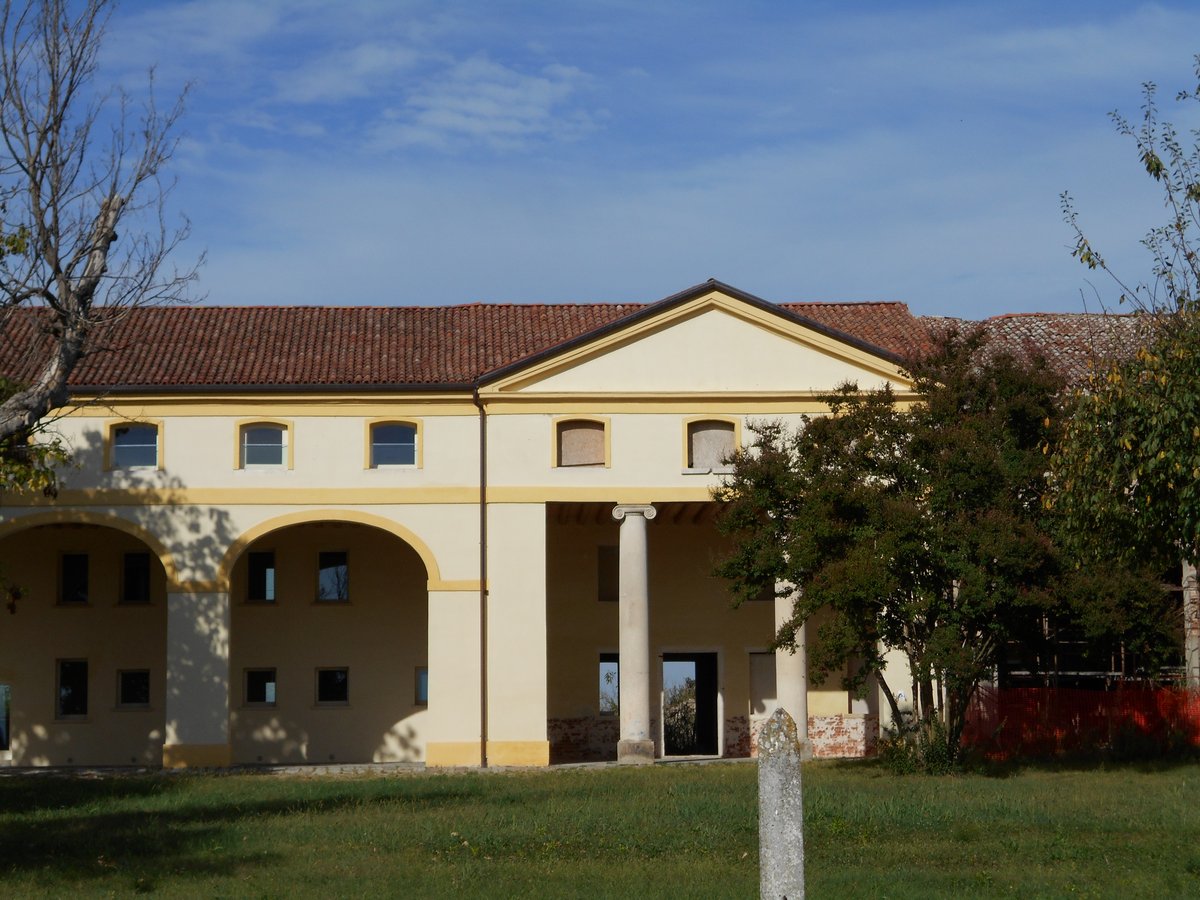
Villa Centanini in Stanghella is a 19th-century neoclassical residence offering an authentic experience away from the crowds. The villa features a symmetrical façade with a central portico, side barchesse, and a historic park with centuries-old trees. Ideal for a half-day trip, it can be combined with exploring the villages of the Po Delta or a stop at typical trattorias.

  • Neoclassical architecture from the 19th century with a sober and symmetrical façade
  • Historic park meticulously maintained with centuries-old trees and paths for relaxing walks
  • Authentic and tranquil atmosphere, far from major tourist flows
  • Strategic location for exploring the villages of the Po Delta and the Paduan countryside
Copertina itinerario Villa Centanini in Stanghella: Neoclassical Architecture and Authentic Atmosphere in the Paduan Countryside
Villa Centanini in Stanghella is a 19th-century neoclassical residence with a symmetrical façade, historic park, and frescoed ceilings. Ideal for those seeking tranquility away from tourist circuits, perfect for strolls in the park and evocative photography.

Good to know


Introduction

If you’re looking for a peaceful and beautiful spot away from the busiest tourist circuits, Villa Centanini in Stanghella is the perfect answer. This neoclassical residence nestled in the Paduan countryside welcomes you with its understated elegance, an architectural gem that seems to have emerged from a 19th-century painting. It’s not just a historic building, but a place that tells stories of families and a territory rich in traditions. The view of the symmetrical facade, with its portico and framed windows, transports you to an era of refinement, while the large surrounding park invites you for a relaxing stroll. It’s ideal for those who want to discover an authentic side of Veneto, away from the crowds, where art and nature blend in an intimate and evocative atmosphere.

Historical Overview

Villa Centanini was built in the 19th century, specifically in the latter half of the 1800s, as a countryside residence for a wealthy local family. Its neoclassical style reflects the era’s preference for order and harmony, with Palladian influences visible in the symmetry of the façade and the use of understated decorative elements. For decades, the villa served as a hub for agricultural and social life, closely tied to the management of the surrounding lands. Today, following careful restoration, it stands as a well-preserved example of Venetian architecture from that period, offering a glimpse into the lives of the rural elite in the Padua area. Its history is intertwined with that of Stanghella, a village that has maintained its agricultural identity.

  • Latter half of the 19th century: Construction of the villa in neoclassical style as a stately home.
  • 20th century: Use as a residence and agricultural estate center.
  • Contemporary era: Restoration and promotion as a historical and cultural asset.

Architecture and Details

What stands out about Villa Centanini is its elegance without excess. The main facade, with its central portico supported by columns, creates an effect of measured grandeur typical of Venetian Neoclassicism. Inside, if accessible during events, you can admire frescoed ceilings and Venetian terrazzo floors, details that showcase the care for local craftsmanship. The historic park surrounding it is another highlight: not a formal garden, but a green space with centuries-old trees and pathways that invite you to linger, perfect for a picnic or capturing evocative photos. The villa is not a static museum but a place that occasionally hosts exhibitions or cultural initiatives, adding a touch of liveliness to its tranquil atmosphere.

The Atmosphere of the Place

Visiting Villa Centanini means immersing yourself in an atmosphere suspended in time. The silence of the countryside, broken only by birdsong, accompanies you as you explore the surroundings. The villa is not always continuously open to the public, but even admiring it from the outside is worthwhile: its isolated location, surrounded by fields and country lanes, makes it an exceptional photographic subject, especially at sunset when the warm light enhances the colors of the facade. It is a place where you can breathe in the slowness of rural life, far from the urban chaos, ideal for a rejuvenating outing. If you are lucky, you might meet some local residents who share anecdotes about the villa’s history, adding a touch of authenticity to the visit.

Why Visit It

First, for its authenticity: Villa Centanini is not a mass tourist destination, but a genuine place that allows you to discover a lesser-known Veneto, made of historic residences integrated into the landscape. Second, for the photographic opportunity: the combination of neoclassical architecture and natural environment offers unique views, perfect for photography enthusiasts. Third, for the tranquility: it’s ideal for a relaxing break, where you can stroll in the park or simply sit and enjoy the view, without rush. Additionally, if you plan your visit to coincide with local events, you might experience additional cultural activities that enrich your journey.

When to Go

The best time to visit Villa Centanini is during the late afternoon hours, when the setting sun illuminates the facade with golden hues, creating a particularly evocative atmosphere. In terms of season, spring is ideal because the park is in bloom and the mild climate invites outdoor strolls, while autumn offers warm colors that complement the villa’s architecture. Avoid days of heavy rain, as the outdoor access might be less enjoyable, and opt for clear days to fully appreciate the view and tranquility of the place.

In the Surroundings

To complete the experience, I recommend exploring the historic center of Stanghella, a charming village with brick houses and a parish church worth a stop. Nearby, you can visit the Museum of Roman Centuriation in Borgoricco, which tells the story of the ancient organization of the Paduan territory, offering an interesting contrast between Roman history and neoclassical architecture. If you love nature, the area is rich in cycling paths and country lanes perfect for a walk or a bike ride, immersing yourself in the rural landscape of the Padovano region.

💡 Did You Know…?

A curiosity that makes the visit special is tied to its location. Villa Centanini stands in an area historically linked to the land reclamation of Lower Padua. Looking at the surrounding landscape, you can imagine how, centuries ago, these lands were marshy and how human labor transformed them into fertile fields. The villa itself, with its solid and orderly structure, seems to symbolize the triumph of rationality and order over wild nature. This connection to the history of the territory, made of toil and transformation, adds an extra layer of meaning to its elegant beauty.