
🧭 What to Expect
Ideal for a cultural weekend or a day trip Highlights: Imposing Citadel, Napoleonic Museum, lively historic center Recommended for history enthusiasts, families, and budget travelers Best time: Spring and autumn for mild temperatures
Events nearby
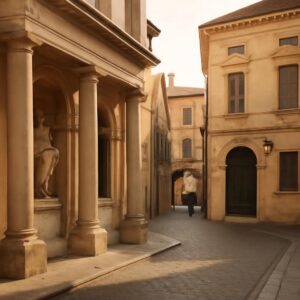
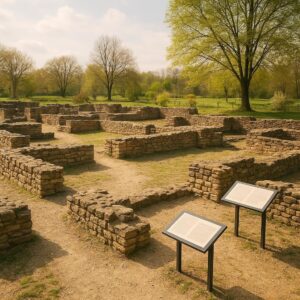
If you're looking for what to see in Alessandria, get ready to discover a city that blends military history with Piedmontese charm. The starting point is the Alessandria Citadel, one of the most impressive fortresses in Europe, still used by the military today. Stroll along the ramparts and imagine the Napoleonic battles. A few kilometers away, the Marengo Museum immerses you in the battle that changed the course of Europe, with artifacts and reconstructions. Head back to the center and don't miss the Arco di Trionfo, built to celebrate Napoleon's victories, and the Palatium Vetus, the ancient town hall. The squares are the beating heart: Piazza della Libertà with its elegant arcades and Piazza Giuseppe Garibaldi, lively and popular. The San Francesco convent complex hosts exhibitions and events, while Palazzo Vescovile and the statue of Rodolfo Gambini add architectural details. A compact yet rich itinerary, ideal for a day of history and culture.
Overview
- Citadel of Alessandria
- What to See at the Marengo Museum: Between History and Technology
- Triumphal Arch: An 18th-Century Gem in Piazza Matteotti
- Palatium Vetus: The Medieval Broletto of Alessandria
- Piazza della Libertà: The Pulsing Heart of Alessandria
- San Francesco Convent Complex
- Piazza Giuseppe Garibaldi: The Commercial Living Room of Alessandria
- Bishop's Palace: History and Spirituality in the Heart of Alessandria
- Rodolfo Gambini: The Painter and His Monumental Tomb
Itineraries nearby

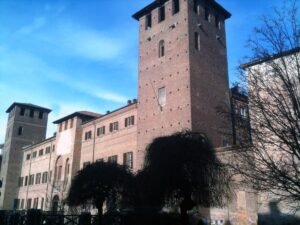
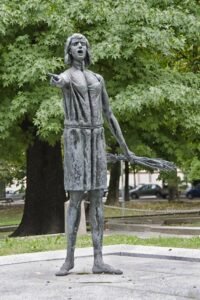
Citadel of Alessandria
- Lungo Tanaro San Martino, Alessandria (AL)
- Open in Google Maps
- View on Google Images
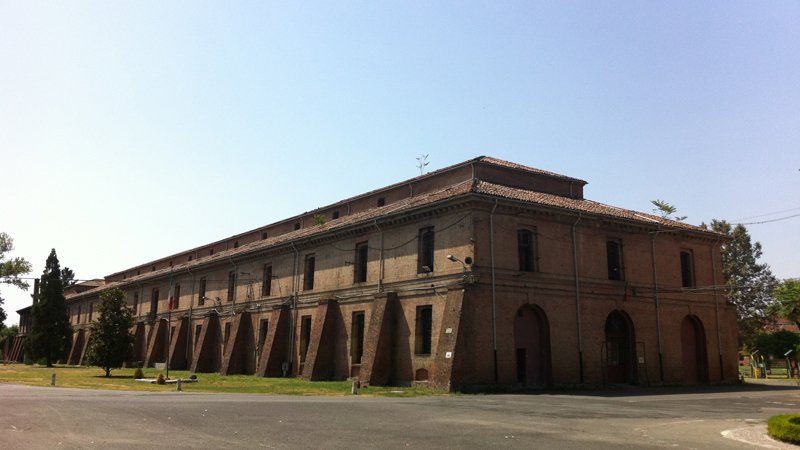 If there’s one fortress that will leave you speechless, this is it. The Citadel of Alessandria is one of the best-preserved 18th-century fortifications in Europe, a gem of military architecture that takes you back in time. Built between 1732 and 1745 to a design by Ignazio Bertola, it stands on the left bank of the Tanaro, away from the urban hustle, and covers a whopping 60 hectares. Its six-pointed star plan, with pentagonal bastions and a wide moat, makes it unique: it is the only Savoy lowland fortress still intact in its original setting. Walking across the Piazza d'Armi (22,000 m²), you can almost hear the echo of soldiers. And then there’s the history: on March 10, 1821, the Italian tricolor flew for the first time from its ramparts, raised by Lieutenant Colonel Guglielmo Ansaldi. A moment that sends chills down your spine. Today the Citadel is open to the public free of charge every day from 9 am to 7 pm. The FAI organizes guided tours on weekends (Saturday 2–6 pm, Sunday 9 am–1 pm and 2–6 pm). Don’t miss the Museum of Uniforms in the Beleno Barracks, with weapons and memorabilia from 1848 to 1946. And after a stroll along the walls, enjoy the view of Richard Meier’s modern bridge connecting the fortress to the city. Bring comfortable shoes and a jacket for the underground tunnels. A place that gets under your skin.
What to See at the Marengo Museum: Between History and Technology
- Alessandria (AL)
- http://www.marengomuseum.it
- Open in Google Maps
- View on Google Images
- serviziomusei@asmcostruireinsieme.it
- +39 0131 234266
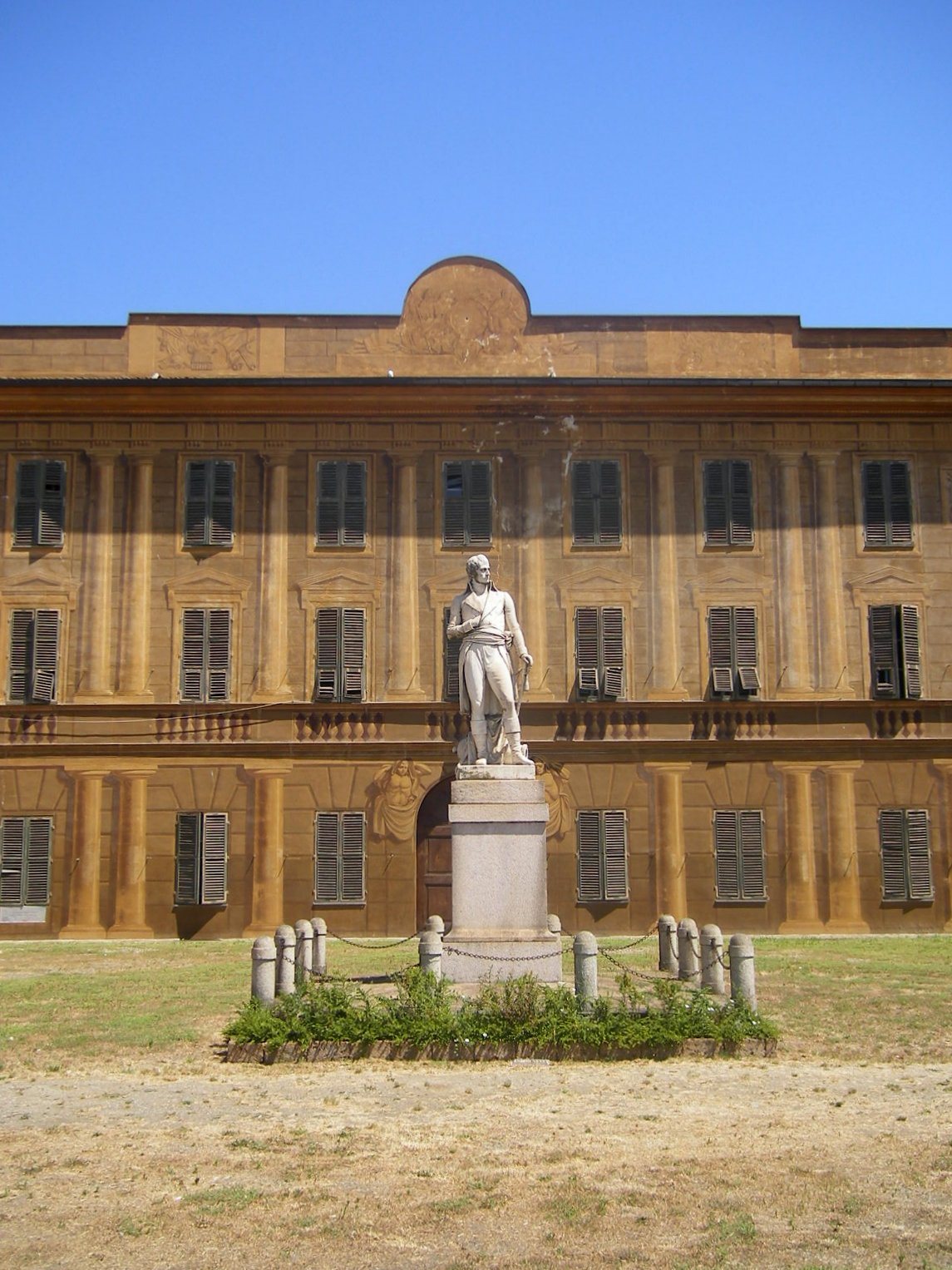 If you're passing through Alessandria, the Marengo Museum is definitely worth a stop. Located in the Spinetta Marengo district, this museum is dedicated to the historic battle of June 14, 1800, when Napoleon defeated the Austrians. It is housed inside Villa Delavo, built in 1847 as a monument to the emperor. As soon as you enter, the striking Pyramid of Marengo greets you, clad in rusted cast iron: a reference to Napoleon's decree ordering a pyramid to be built in honor of the fallen. The exhibition spans three floors with models, paintings, period uniforms, and original weapons. But the most fascinating part? The multimedia panels and interactive videos that immerse you in the battle, perfect for children too. The museum is managed by Asm Costruire Insieme and, after a period of uncertainty, has been reopened on weekends thanks to an extension of the agreement. Tickets cost €5 (full price), €3 reduced (13-18 years and over 65), and free for under 12. Open Saturday and Sunday from 3:00 PM to 7:00 PM, while during the week groups and school trips can book. If you love Napoleonic history, you'll also find temporary exhibitions, such as 'The Face of Command.' A tip: take your time visiting, because every room tells a piece of Europe.
Triumphal Arch: An 18th-Century Gem in Piazza Matteotti
- Piazza Giacomo Matteotti, Alessandria (AL)
- Open in Google Maps
- View on Google Images
 If you pass through Alessandria, stop at Piazza Matteotti. Here, in the middle of a roundabout, stands the Triumphal Arch, a rare example of an 18th-century arch that often goes unnoticed. Built in 1768 by architect Giuseppe Caselli to celebrate the visit of King Victor Amadeus III and Queen Maria Antonia Ferdinanda, this monument has a fascinating history. At the time, it wasn't isolated as it is today: it served as the entrance to a tree-lined promenade called Porta di Marengo, and overlooked a large military parade ground.
The arch is made of brick with plaster imitating the brickwork, a single fornix, two orders with Doric pilasters and broken pediments. On the attic, two plaques: one in Latin recalls the royal visit, the other the restoration in 1968 for the 800th anniversary of Alessandria. Curiosity: its shape is reproduced in the emblem of the local football team. In recent restorations (the latest in 2022), it was cleaned and consolidated.
Today you see it set among elegant early 20th-century Liberty-style buildings that frame the square. Once upon a time, the Carlo Alberto canal passed here and the only gate was that of Santo Spirito. In short, a dive into history, all waiting to be discovered. It's worth a stop, even just to take a photo.
Palatium Vetus: The Medieval Broletto of Alessandria
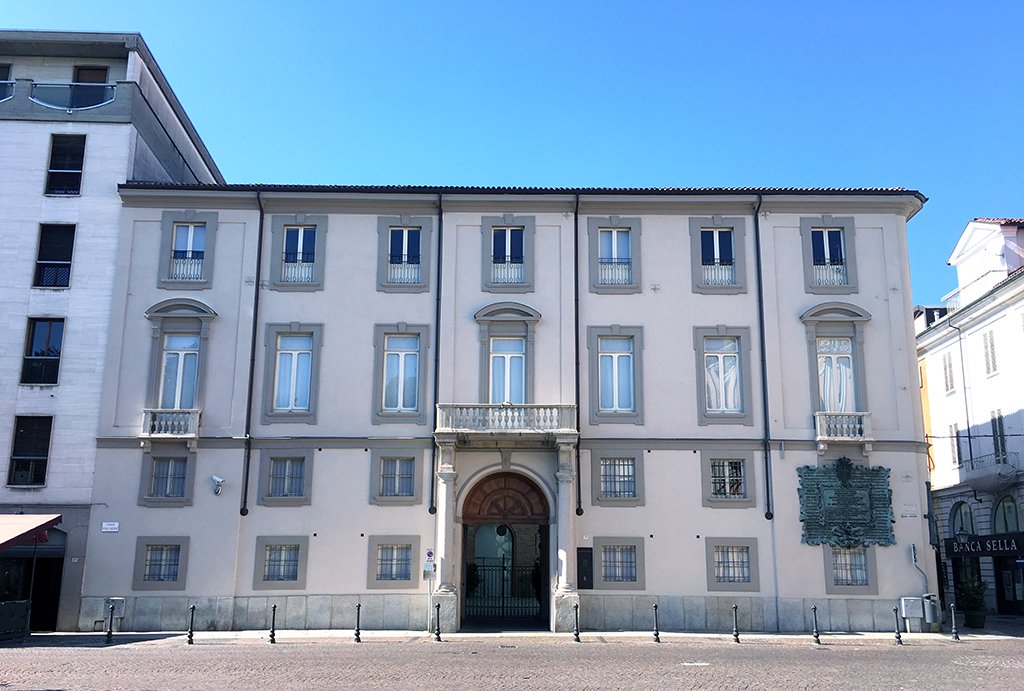 Palatium Vetus is the medieval heart of Alessandria, a building that has lived through eight centuries of history without losing an ounce of its charm. Built between the 12th and 13th centuries as a broletto – the political and administrative center of the city – it later housed Spanish governors, Napoleonic prefects, and until 1995, the Military District. Today, after a restoration by Gae Aulenti (2007-2012), it is home to the Cassa di Risparmio di Alessandria Foundation and a gem to discover.
The architecture is a mix of eras: the Lombard-style façade, brought back to light by removing 18th-century plaster, and the portico with pointed arches in the inner courtyard immediately give you a medieval atmosphere. Going up to the first floor, the ancient hall of the broletto preserves a cycle of frescoes from the 13th to the 16th century: the city coat of arms (red cross on a white field) and a Romanesque-style Saint Paul stand out.
The Foundation’s art collection is a journey from the 18th to the 20th century, with works by Pellizza da Volpedo, Morbelli, Carrà and others. Don't miss the section dedicated to the Battle of Marengo and the archaeological finds in the palace's 'icehouse'. Outside, in the corner, one of the 'Hundred Cannons' donated during the Risorgimento is walled in.
Entry is free, and the palace is open Saturday and Sunday (9 am–1 pm and 3 pm–7 pm). Guided tours are by reservation, but even wandering on your own you can feel the atmosphere. Oh, and it’s dog friendly: one more reason to bring Fido for a dip in history.
Piazza della Libertà: The Pulsing Heart of Alessandria
- Alessandria (AL)
- Open in Google Maps
- View on Google Images
 If there's one place that embodies the soul of Alessandria, it's Piazza della Libertà. Born in the 12th century as "Platea Maior," it served for centuries as the city's administrative and religious hub. Today, after recent redevelopment, it's an open-air living room where history and modern life coexist. At its center stands the statue of Urbano Rattazzi, replaced after being melted for war purposes in 1943, dominating the square. Surrounding it are architectural gems: Palazzo Ghilini (home to the Prefecture), a Baroque masterpiece by Benedetto Alfieri adorned with frescoes by Giovanni Antonio Cucchi; the rationalist Palazzo delle Poste, featuring the long restored mosaic by Gino Severini; and Palazzo Rosso (the town hall), with its distinctive clock and the rooster stolen from Casale in 1225. Starting in 2026, the square is becoming increasingly pedestrian-friendly: the stretch in front of the former Bank of Italy will be closed to cars, transforming it into a more livable area. Strolling here means breathing in history, among old noble palaces and new urban furnishings. Don't miss the market held in the center—it's the perfect spot for a coffee and a taste of local life.
San Francesco Convent Complex
- Via Ventiquattro Maggio, Alessandria (AL)
- Open in Google Maps
- View on Google Images
 If you find yourself in Alessandria, don't miss the San Francesco Convent Complex. For centuries, this place has lived a thousand lives: first a Franciscan convent, then barracks, a military hospital, and now, finally, it is about to be reborn as a cultural hub and student housing. Its origins date back to 1213, when St. Francis himself passed through here. The Gothic church, with exposed brickwork, was completed between 1290 and 1300, with a three-nave layout and ribbed vaults. Admiring the 14th-century frescoes, like the lily of France, you can breathe in history. The bell tower, built in 1350, preserves frescoes from 1328. After the Napoleonic suppression in 1802, the building was turned into barracks and later a military hospital, a function it maintained until 1989. For decades it lay abandoned, but from 2023 restoration work funded by the PNRR and POR FESR, totaling over 22 million euros, has begun. The project includes 42 university housing units, an auditorium, public spaces, and, above all, the transformation of the church into a new civic museum. The museum layout, curated by Isolarchitetti, takes advantage of the double height: on the ground floor, entrance and temporary exhibitions; on the first floor, the permanent exhibition in direct contact with the Gothic vaults. Here, the historical-artistic collections and archaeological finds of the area will be housed. At the end of 2024, during Heritage Days, it was possible to visit the construction site: a unique opportunity to see the restorations up close. It is exciting how such a layered place is finding a new identity, without forgetting its past. Keep an eye on the Municipality's website for upcoming openings: this Gothic gem is about to shine again.
Piazza Giuseppe Garibaldi: The Commercial Living Room of Alessandria
- Alessandria (AL)
- Open in Google Maps
- View on Google Images
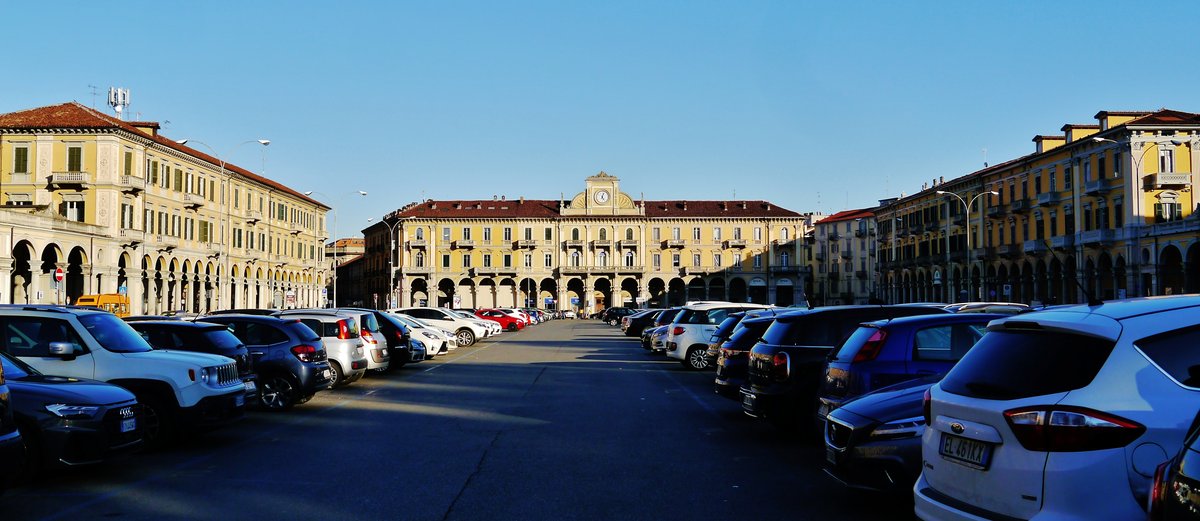 If you're passing through Alessandria, you can't miss Piazza Giuseppe Garibaldi, the true heart of the city's shopping. Here, among elegant buildings and tree-lined avenues, you'll find a concentration of activities that keep the square alive from morning to night. Start with a coffee: I stopped at Caffè Garibaldi for a quick espresso, but I also saw Bar Jolly and Bar Signorelli, full of people chatting. Then I got lost among the shop windows: Reposi Calzature for shoes, Gioielleria Cacciola for a special gift, and Pasticceria Rovida Signorelli for an unforgettable dessert. The square also hosts Astrua 1860, a Rolex retailer, and phone stores like TIM, Vodafone, and Windtre. In short, it's the perfect spot for a walk that combines shopping and relaxation. Don't forget to check out Gelateria Cercenà if you're in the mood for a cone. A tip: come in the morning, when the atmosphere is more genuine, and enjoy the hustle and bustle of those who live the square every day.
Bishop's Palace: History and Spirituality in the Heart of Alessandria
- Via dei Guasco 1, Alessandria (AL)
- https://diocesialessandria.it/curia/
- Open in Google Maps
- View on Google Images
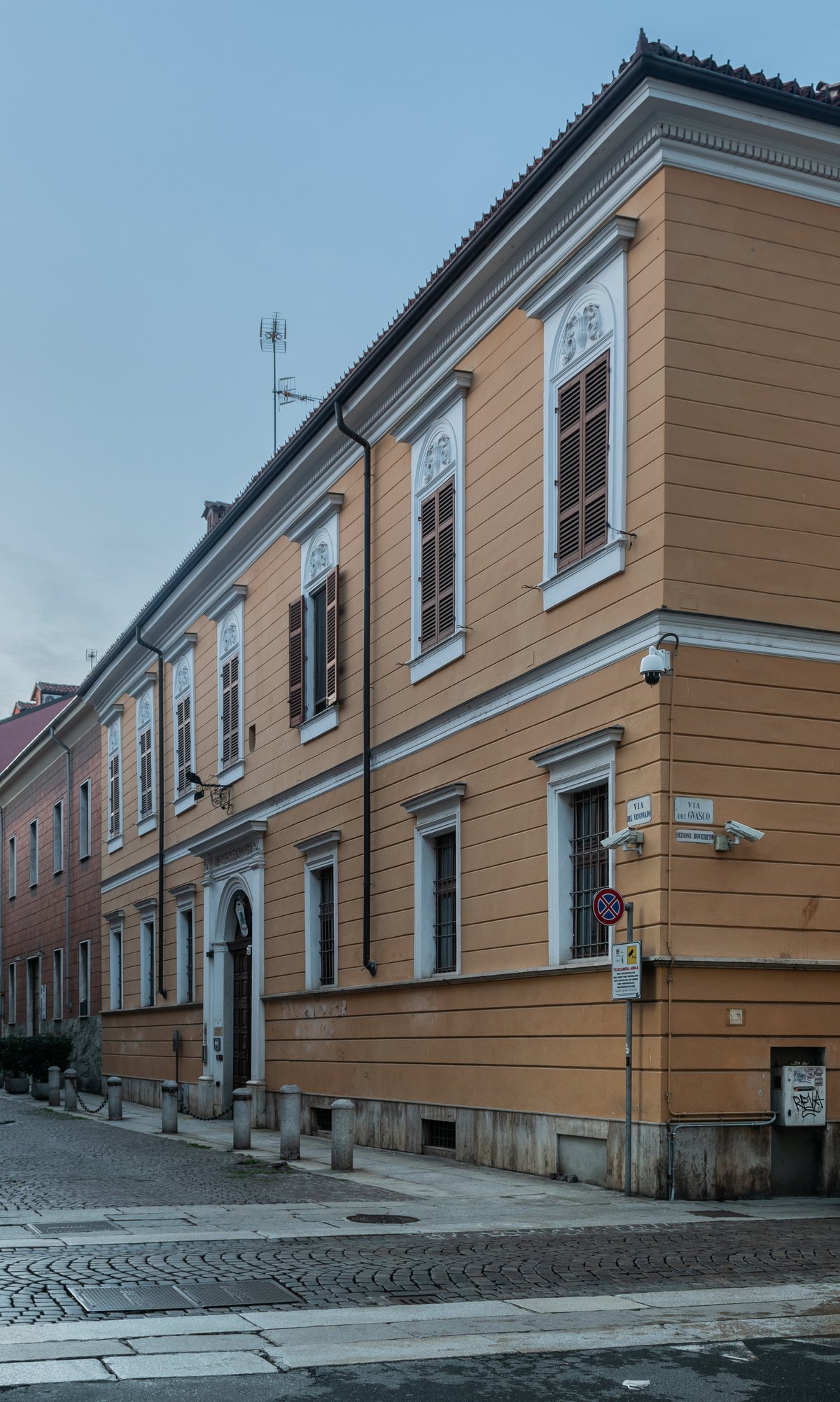 If you are strolling through the center of Alessandria, you cannot miss the Bishop's Palace, a building that combines history and devotion. Its origins date back to the 1400s, when it was built at the behest of Nicolò Inviziati, a member of a powerful mercantile family. Even today, on the ground floor, you can admire finely decorated coffered ceilings, dating from before 1494, which house the Curia's archives. Going up to the first floor, you'll find the bishop's apartment, still in use. Inside, don't miss the artistic stained glass windows by master Luigi Costa, made in mosaic with sheets of colored glass: a true gem for art lovers. Today the palace is home to the diocesan Curia and is open to the public for celebrations: masses are held daily with varying times (from 8:30 a.m. to 6:00 p.m. on weekdays, with more options on holidays). The church inside is an ideal quiet place for a spiritual break. The palace is also a focal point for city events: in July 2025, for example, it was the starting point for the International Motor Rally 'Madonna dei Centauri', with Bishop Guido Gallese blessing the participants. When you enter, you feel a peaceful atmosphere, far from the city chaos. It is a place that speaks of faith and history, perfect for those seeking a quiet corner. If you are in the area, stop for a few minutes: the Bishop's Palace is a stop that enriches your visit to Alessandria.
Rodolfo Gambini: The Painter and His Monumental Tomb
- Viale Teresa Michel, Alessandria (AL)
- Open in Google Maps
- View on Google Images
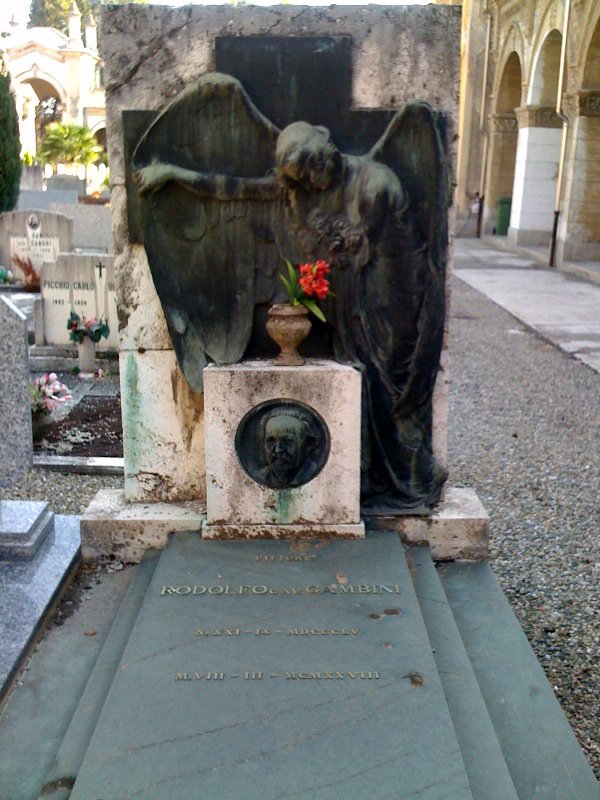 In the Monumental Cemetery of Alessandria rests Rodolfo Gambini, a painter born in Arluno in 1855 and died in Alessandria in 1928. His tomb, once adorned with a bronze high relief depicting a guardian angel and a medallion with his portrait, was unfortunately looted in 2024. The works, created by sculptor Attilio Strada, were removed with an angle grinder, leaving only spark marks on the marble. This act shook the local community and brought attention to the cemetery's artistic heritage. Gambini, trained at the Brera Academy, was a tireless decorator: his frescoes and stained glass windows color churches in Piedmont, Lombardy, Liguria, and Sardinia. In Alessandria, besides decorating the train station and the Banca San Paolo in Piazza Garibaldi, he worked in many local churches, such as the Collegiate Church of Saints Martino and Stefano in Serravalle Scrivia and the Church of Santa Maria del Canale in Tortona. Visiting his tomb is a dive into local art history, even if today, unfortunately, only the memory of what was remains. The cemetery, with over sixty signed works, deserves a careful stroll. Don't forget to seek out Gambini's tomb and reflect on how time and crime can erase beauty.