
🧭 What to Expect
- Ideal for art, history, and nature lovers
- Highlights: Romanesque monuments, quality museums, well-kept gardens
- Itinerary: easy and walkable
- Recommended in spring and autumn for mild weather
- Don't miss the view from Martini Tower
Events nearby
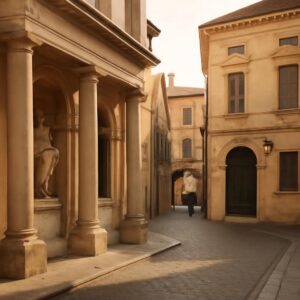
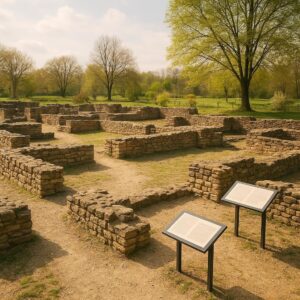
If you're planning a visit to Biella City, get ready to discover a historic center full of charm and authenticity. The perfect itinerary starts with the Cathedral of Santo Stefano, a Romanesque masterpiece, and continues with the nearby Baptistery of San Giovanni Battista, one of the oldest monuments in Piedmont. Don't miss the Biellese Territory Museum, which tells the local history through archaeological finds and works of art. Be sure to take a walk in Piazza della Cisterna, the beating heart of the city, and visit Palazzo Gromo Losa and Palazzo Dal Pozzo della Cisterna, examples of noble architecture. For a green break, the Zumaglini Gardens and the Botanical Garden offer oases of tranquility, while the ancient gates, such as Porta di Andorno and Porta della Torrazza, tell centuries of history. This article guides you through the essential stops of Biella City, among art, culture, and nature, to live an authentic experience away from the crowds.
Overview
- What to See in Biella: Cathedral, Museums, and Gardens
- What to See in Biella: Cathedral, Museums, and Gardens
- Baptistery of Saint John the Baptist
- Biellese Territory Museum
- Palazzo Gromo Losa
- Palazzo Dal Pozzo della Cisterna
- Piazza della Cisterna: The Medieval Heart of Piazzo
- The House of the Shroud: A Medieval Gem at the Piazzo
- Teatro Sociale Villani: A Jewel Awaiting Rebirth
- Torre Martini: Breathtaking Views from Burcina
- Porta di Andorno: A Leap into Biella's Medieval Past
- Porta della Torrazza: A Dive into the 18th-Century Savoy
- Oropa Botanical Garden: A Biodiversity Haven at 1,200 Meters
- Zumaglini Gardens: Biella's Green Lung
- Aurelio Nicolodi Garden: A Small Jewel of Memory
- Maria Giusta Catella Garden: Urban Oasis
Itineraries nearby

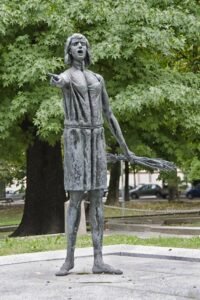
What to See in Biella: Cathedral, Museums, and Gardens
- Go to the page: St. Stephen's Cathedral in Biella: Medieval Frescoes and 10th-Century Romanesque Bell Tower
- Piazza Monsignor Carlo Rossi, Biella (BI)
- Open in Google Maps
- View on Google Images
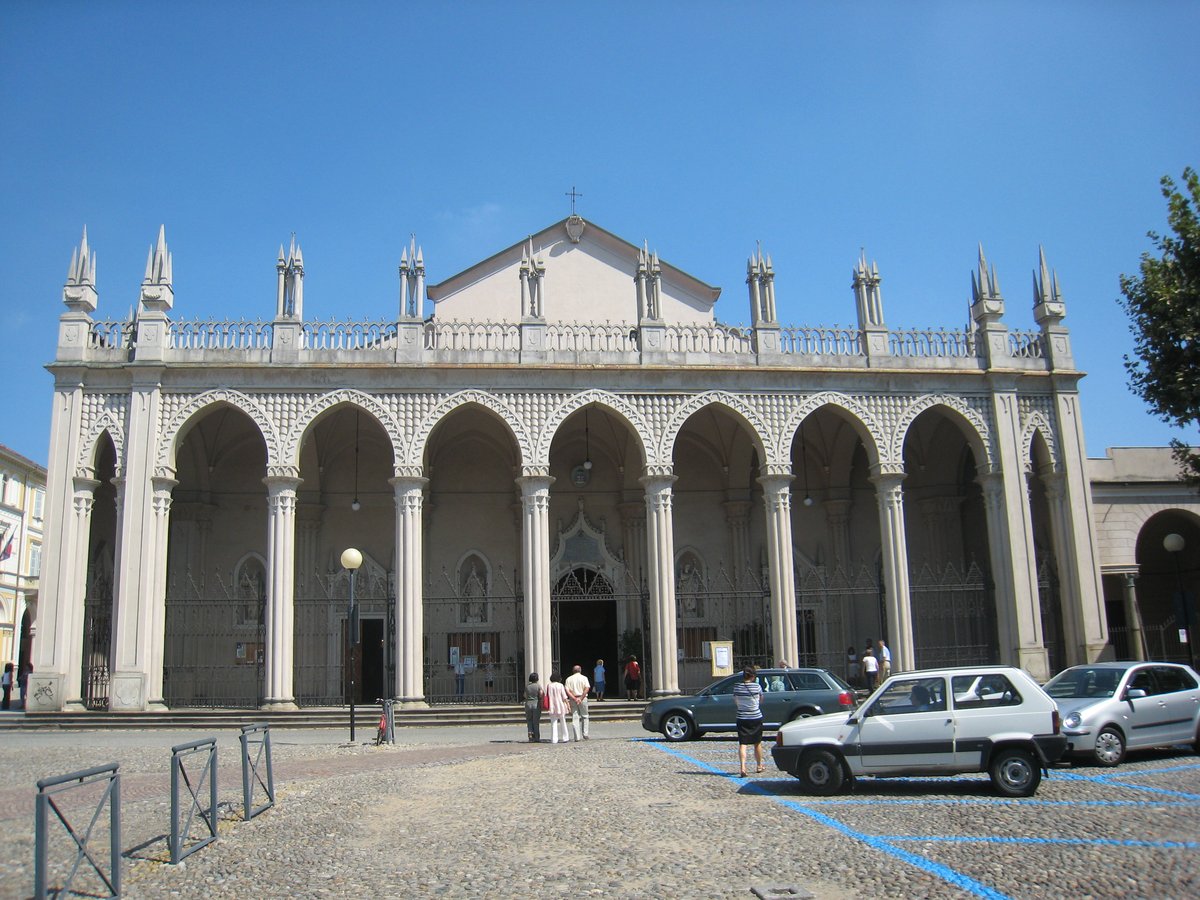 The Biella Cathedral (Duomo di Biella), dedicated to St. Stephen, is the spiritual heart of the city. It stands on an ancient 11th-century church, but the current building was constructed starting in 1402 as a vow for the escape from the plague of 1399. The neo-Gothic facade, with pointed arches and spires, creates an almost fairy-tale atmosphere. Inside, with a Latin cross plan and three naves, highlights include decorations by Giovanni Antonio Galliari and Pietro Fea, and works such as the Assumption of the Virgin by Carlo Cogrossi (1784). A gem is the Christ of Sunday, a 15th-century fresco depicting Christ pierced by work tools, a popular warning to keep the Sabbath holy. Next to the cathedral, the 11th-century Romanesque bell tower and the ancient baptistery of San Giovanni, with fragments of medieval frescoes. The cathedral is also the seat of the Diocese of Biella, and since 1998 the presbytery has been adapted to the Second Vatican Council. Visit it to discover a place where faith, art, and history intertwine: the Gothic details, the 19th-century organ by Camillo Guglielmo Bianchi, and the relics of St. Stephen make the visit truly unique.
What to See in Biella: Cathedral, Museums, and Gardens
- Go to the page: St. Stephen's Cathedral in Biella: A Journey Between Faith and Artistic Treasures
- Piazza Monsignor Carlo Rossi, Biella (BI)
- Open in Google Maps
- View on Google Images
The Biella Cathedral (Duomo di Biella), dedicated to St. Stephen, is the spiritual heart of the city. It stands on an ancient 11th-century church, but the current building was constructed starting in 1402 as a vow for the escape from the plague of 1399. The neo-Gothic facade, with pointed arches and spires, creates an almost fairy-tale atmosphere. Inside, with a Latin cross plan and three naves, highlights include decorations by Giovanni Antonio Galliari and Pietro Fea, and works such as the Assumption of the Virgin by Carlo Cogrossi (1784). A gem is the Christ of Sunday, a 15th-century fresco depicting Christ pierced by work tools, a popular warning to keep the Sabbath holy. Next to the cathedral, the 11th-century Romanesque bell tower and the ancient baptistery of San Giovanni, with fragments of medieval frescoes. The cathedral is also the seat of the Diocese of Biella, and since 1998 the presbytery has been adapted to the Second Vatican Council. Visit it to discover a place where faith, art, and history intertwine: the Gothic details, the 19th-century organ by Camillo Guglielmo Bianchi, and the relics of St. Stephen make the visit truly unique.Baptistery of Saint John the Baptist
- Piazza Monsignor Carlo Rossi, Biella (BI)
- Open in Google Maps
- View on Google Images
 If you're visiting Biella, you can't miss the Baptistery of Saint John the Baptist, the oldest and most fascinating monument in the city. Dating back to the 9th-10th centuries, it stands on a Roman burial ground and is a superb example of Romanesque architecture with a quatrefoil plan: four semicircular apses opening around a square core. The exterior walls, made of pebbles and bricks arranged in a herringbone pattern, are a mosaic of reused materials that tell centuries of history. Above the entrance door stands a marble bas-relief from the 2nd century AD depicting a child Hercules with a putto – a detail that long led people to believe it was a pagan temple. Inside, the atmosphere is intimate and austere. The fragmentary frescoes, attributed to the Master of Oropa (1318-1319), include a Madonna lactans and martyr saints. Don't miss the crypt excavated in 1791 to house the bishops' tombs. Admission is free; to visit the interior, ask at the cathedral sacristy. A gem of art and spirituality that will leave you breathless.
Biellese Territory Museum
- Via Gera, Biella (BI)
- https://www.museodelterritorio.biella.it/
- Open in Google Maps
- View on Google Images
- museo@comune.biella.it
- +39 015 2529345
 If you're passing through Biella, don't miss the Biellese Territory Museum, housed in the charming former Convent of San Sebastiano, a 16th-century gem with Bramantesque influences. Opened in 2001, the museum is a journey through local history, with sections ranging from paleontology to modern art. The paleontological section tells of a Biella submerged by the sea, with marine fossils and even a Roman boat. The archaeological section will take you from rock carvings to the necropolis of Cerrione, passing through the Celtic gold mines of the Bessa. Unmissable is the Egyptian section, with 95 artifacts and the evocative mummy of Taaset, housed in its wooden sarcophagus. Then there's the historical-artistic section, from the 12th century to contemporary works: here you can admire pieces by Defendente Ferrari, the refined predella with the Last Supper by Bernardino Lanino, and masterpieces by Emilio Longoni, Pellizza da Volpedo, Magritte, and Chagall. The museum is also a study center with educational workshops. Practically, admission costs €5 (€3 reduced) and is open only in the afternoons on weekends: Thursday 10 am–2 pm, Friday 2–6 pm, Saturday and Sunday 10 am–6 pm. Closed Monday–Wednesday. We're at Via Quintino Sella 54/b, in the cloister of San Sebastiano. A museum truly worth a stop.
Palazzo Gromo Losa
- Corso del Piazzo, Biella (BI)
- http://www.fondazionecrbiella.it/palazzogromolosasrl
- Open in Google Maps
- View on Google Images
- spazio.cultura@fondazionecrbiella.it
- +39 015 0991868
 Palazzo Gromo Losa is one of those delightful surprises you don’t expect. Strolling through the Piazzo district, you come across this stately palace that seems to have emerged from another era. Its origins date back to the 14th century, but it was completely renovated by the Fondazione Cassa di Risparmio di Biella, which purchased it in 2004. Today, it is a modern exhibition center hosting high-level art and photography shows. Among the most anticipated events is the biennial festival “Selvatica – Art and Nature in Festival”, which in its 2026 edition will bring the works of John James Audubon to Italy for the first time. Don’t miss the multimedia installation “Plaç. Le storie del Piazzo”, an interactive journey into the history of the district. But the true gem is the Italian garden, created in 2012 by philanthropist Emanuele Rosa. A profusion of roses of every variety winds along a central pergola, while boxwood-edged flower beds frame splashing water basins. The blooms are constant from May to November. Inside the palace, the Fondazione Accademia Perosi organizes concerts and music courses, and there are spaces dedicated to social projects. The palace is open during exhibitions (usually Wednesday to Sunday, with variable hours). Exhibition entrance costs €10, but it’s free for under 25s – a great perk for young travelers. A tip: if you’re passing through, it’s worth visiting even just the garden (€2.50). Palazzo Gromo Losa combines history, art, and nature in a surprising way.
Palazzo Dal Pozzo della Cisterna
- Piazza Mario Cucco, Biella (BI)
- Open in Google Maps
- View on Google Images
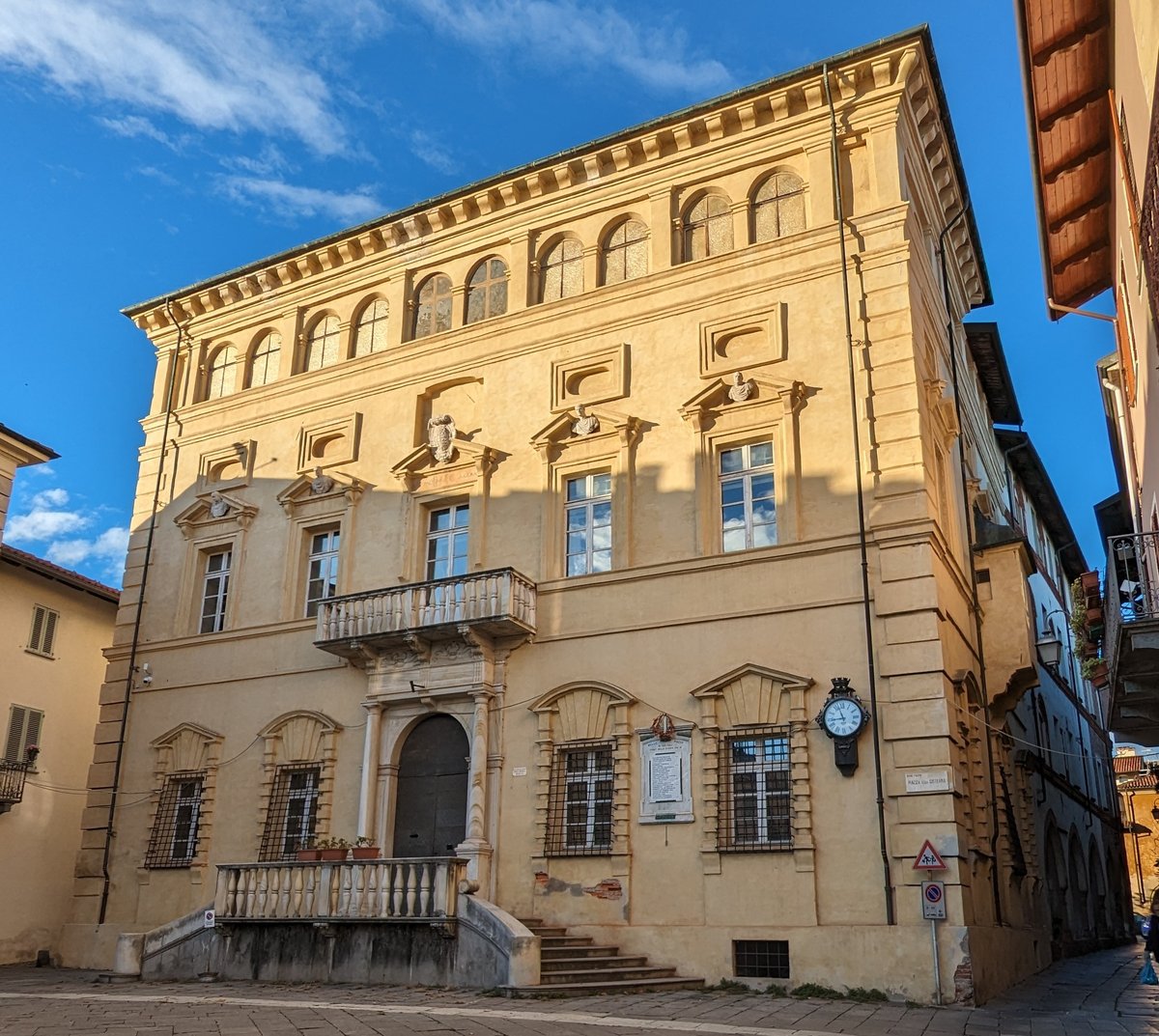 Overlooking Piazza Cisterna, in the heart of the medieval Piazzo district, Palazzo Dal Pozzo della Cisterna is a building of unique charm. Founded in the 14th century, it was commissioned by the Dal Pozzo brothers at the end of the 1500s to celebrate their prestige. The late Mannerist façade is striking for its stone portal and the broken pediments of the second floor, adorned with busts of Roman emperors. Climbing the modern staircase, you can catch glimpses of 17th-century frescoes with mythological and Roman historical themes, and a monumental 17th-century fireplace. Today the palace is closed to the public, but a massive restoration project worth €12 million promises to transform it into a youth center with workshops, a café, and guest rooms. A true piece of history that will soon come back to life.
Piazza della Cisterna: The Medieval Heart of Piazzo
- Piazza della Cisterna, Biella (BI)
- Open in Google Maps
- View on Google Images
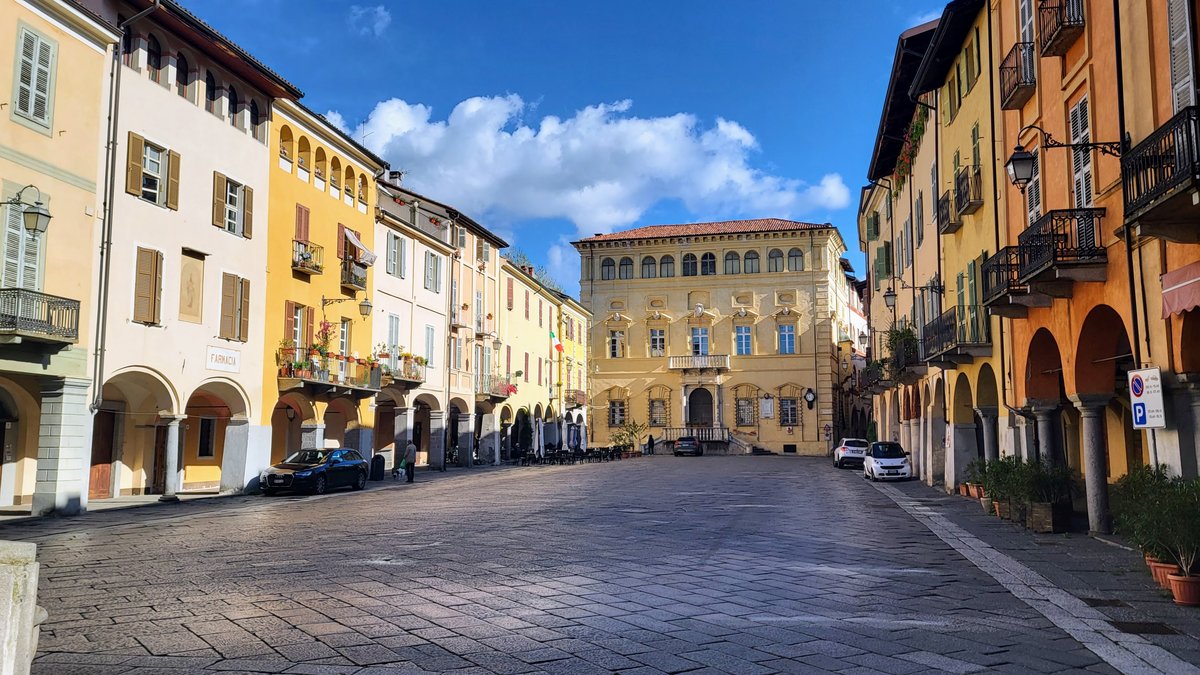 If you come to Biella, don't miss Piazza della Cisterna. It is the heart of the ancient medieval district of Piazzo, the city's original core. Until the 1800s it was the center of public life, with a market and the town hall. Today it is a quiet square, surrounded by two-arched medieval porticoes with stone capitals and terracotta decorations. Overlooking the square are historic buildings: Palazzo dei principi Dal Pozzo della Cisterna, Palazzo Comunale (the town hall from the 13th to the 19th century), and Casa Teccio, a characteristic house with decorated terracotta arches. In the center, a war memorial of the Great War bears the inscription “Biella Piazzo ai suoi figli caduti”. Strolling around, you will notice Vicolo del Bellone, where the Jewish community once lived and the Synagogue still stands. The square is reachable via a free funicular from the lower city, a fun experience. Beware of the ZTL: during summer months, the traffic restriction for unauthorized vehicles is active Monday to Friday from 5:30 PM to 5:00 AM and 24/7 on weekends. Better to park at Bellone or near the funicular and use the inclined elevators. On the square you will find Cremeria del Piazzo for a coffee and the San Giacomo restaurant. Stunning panorama, especially at sunset.
The House of the Shroud: A Medieval Gem at the Piazzo
- Costa del Vernato, Biella (BI)
- Open in Google Maps
- View on Google Images
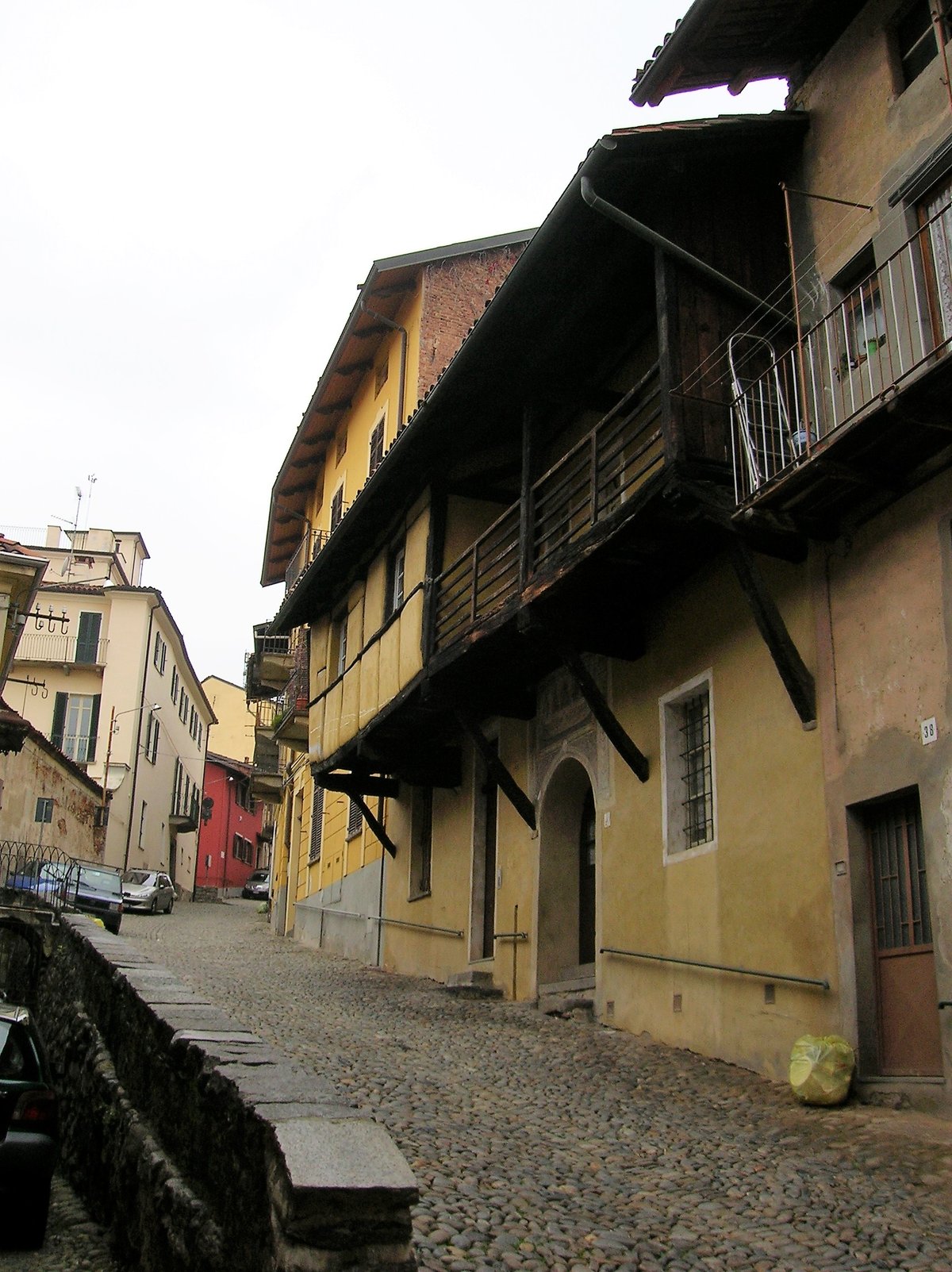 If you find yourself strolling through the Piazzo, Biella's medieval quarter, don't miss the House of the Shroud, a building that seems to have stepped out of another century. It's located at Costa del Vernato 40, a steep little street that's worth the walk in itself. The house is an extremely rare example in Italy of half-timbered construction, with exposed wooden framing and plastered brick infill. The first floor juts out over the street, sheltering the entrance – a technique typical of northern European medieval architecture, almost unknown here. In Biella, only two other houses retain this feature: one in Piazza Cucco and another, unfortunately altered, also here on Costa del Vernato. But the real gem is the 17th-century fresco above the entrance door, which gives the building its name. It depicts the Shroud held by four saints: St. Joseph, St. Gaetano da Thiene, St. Philip Neri, and St. Nicholas of Tolentino. At the center, the Black Madonna of Oropa with the infant Jesus. The work is attributed to local painters such as Francesco Chiamona or Giuliano Genta, and it is connected to the door's arch by a finely executed painted architectural frame. The cult of the Shroud was very strong in this neighborhood, thanks to the nearby church of the Holy Sudarium, home to the confraternity of the same name. Today the house is privately owned, so it can only be admired from the outside. But you only need to look up to feel the weight of history. Whether you're passionate about ancient architecture or simply curious, this corner of Biella is an unmissable stop.
Teatro Sociale Villani: A Jewel Awaiting Rebirth
- Piazza Martiri della Libertà, Biella (BI)
- http://www.teatrosocialevillani.it/
- Open in Google Maps
- View on Google Images
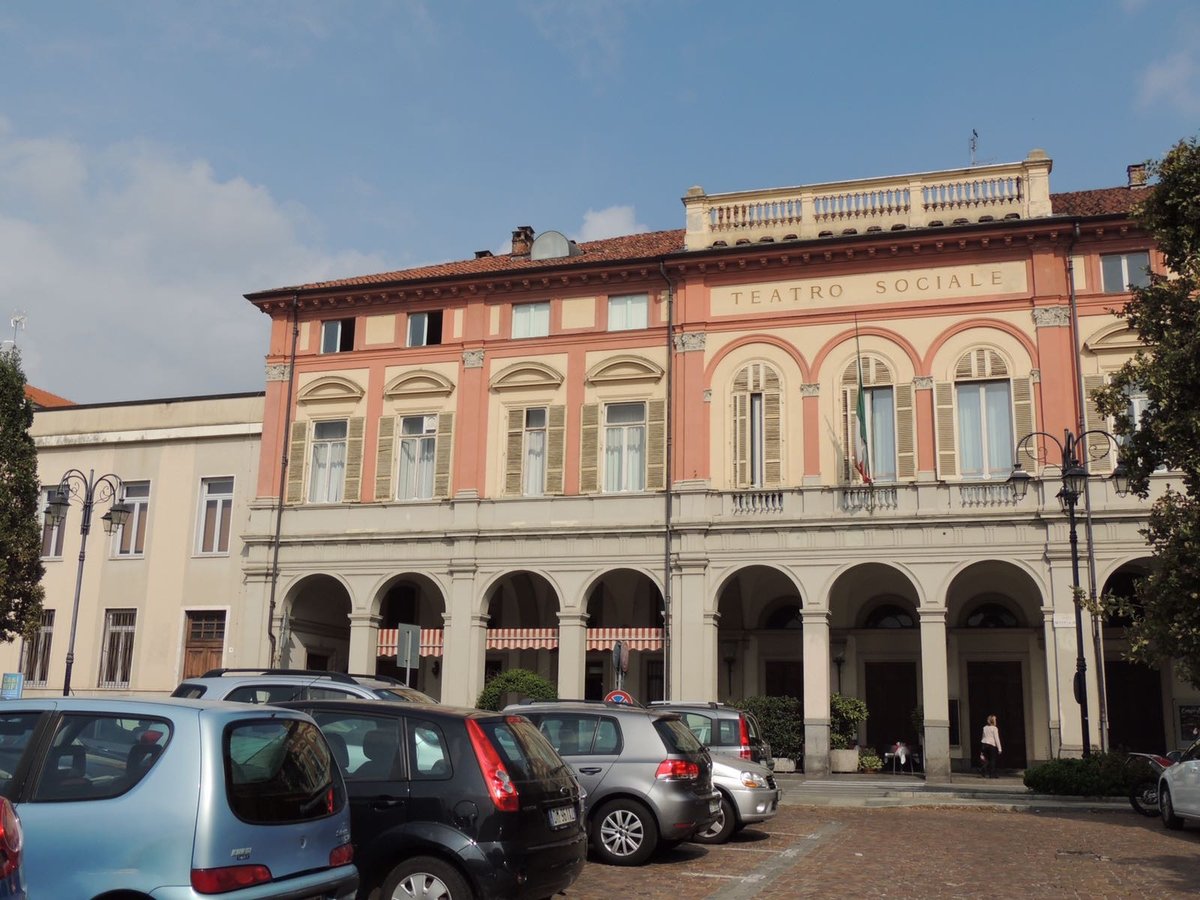 In the heart of Biella, on Piazza Martiri della Libertà, stands the Teatro Sociale Villani, a small gem with a noble and troubled soul. Born in 1863 from a design by Giuseppe Bollati, it suffered a devastating fire in 1892 that destroyed its interior, sparing only the facade. Rebuilt by architect Achille Sfondrini (the same who designed the Teatro Lirico in Milan), it officially reopened in 1895 with Verdi's Aida. Today, after years of honorable service, the theater is closed for renovations and will reopen in 2025. It seats about 630, with stalls, boxes, and gallery, but the real gem is the historic curtain from the late 19th century: an imposing 70-square-meter canvas depicting Pietro Micca saving Turin. Unfortunately, it's in poor condition, and the municipality has launched a fundraising campaign of over €53,000 to restore it. Those who have visited the theater remember its warm atmosphere, the impressive chandelier, and the remarkable acoustics (thanks to Sfondrini's work). However, be aware: seat numbering can be confusing, and the front side rows have insufficient slope for a good view. Currently, no performances are scheduled, but the box office is open on Friday afternoons and Saturday mornings. A place worth rediscovering.
Torre Martini: Breathtaking Views from Burcina
- Sentiero Burcina, Biella (BI)
- Open in Google Maps
- View on Google Images
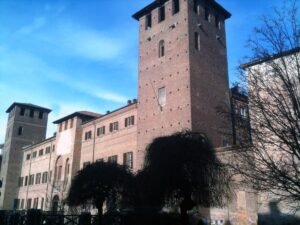
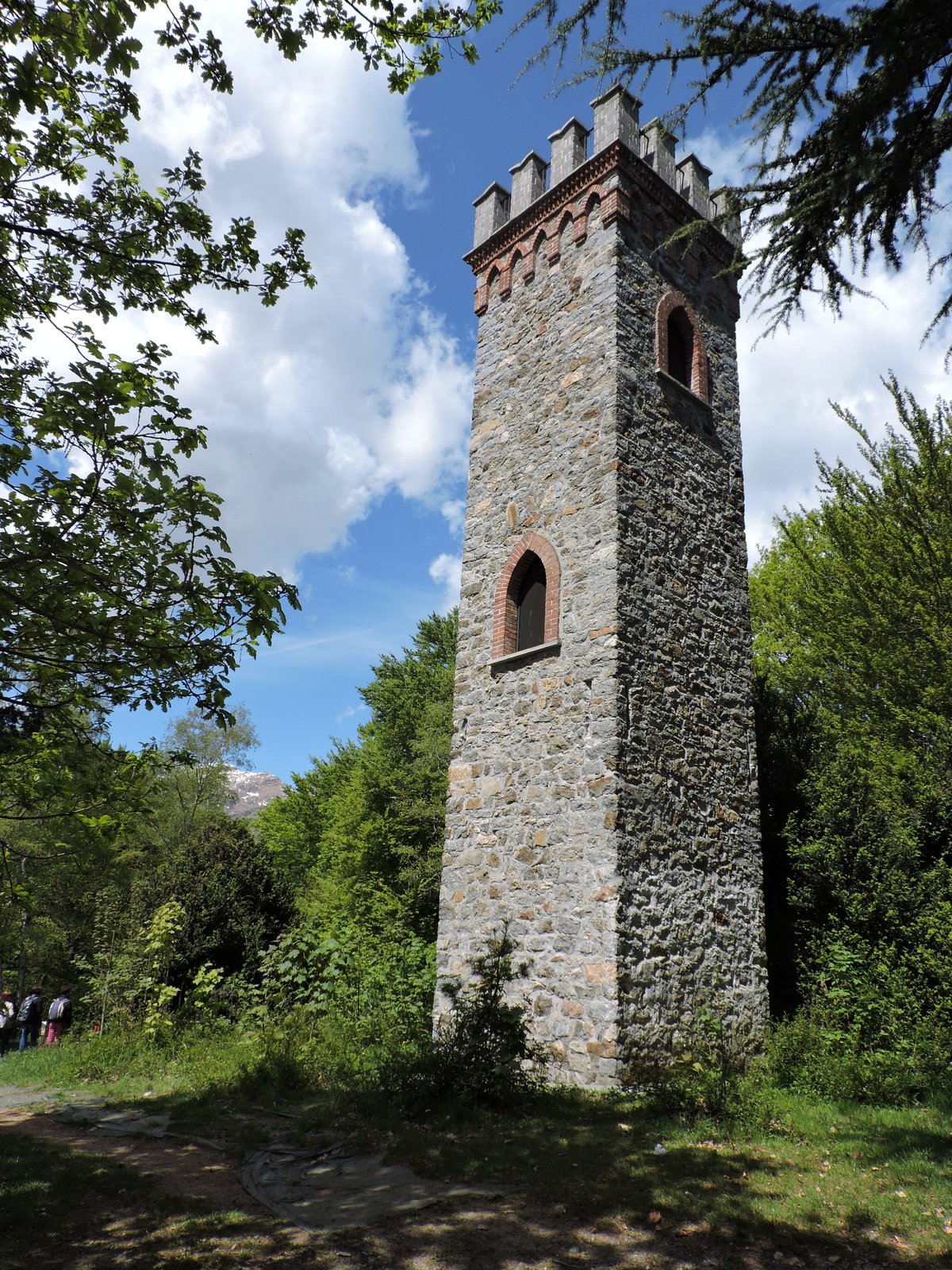 Torre Martini is the highest point of the Burcina Natural Park, just a stone's throw from Biella. Reaching it is an experience worth every step: in about half an hour you climb among beeches, chestnuts, birches, and oaks, and if you come between May and June, the famous Conca dei Rododendri (Rhododendron Bowl) explodes before you with incredible colors. The tower stands on a rocky spur and offers a view that looks like a painting: from here you can see Monviso, Mucrone, Monte Rosso, and the Oropa basin. The Burcina Park is a gem born in the mid-19th century at the behest of Giovanni Piacenza, a textile entrepreneur who transformed it into an English garden, and today it is a Special Nature Reserve. The trails are well-marked, suitable for families and beginners: the 7.1 km loop trail (about 2 hours) is perfect for a morning outdoors, with a stop at the tower. But don't think it's just a walk: the tower is also the heart of longer hikes, such as stage 21 of the GTB (from Pollone to Cossila). A tip: bring a camera, but also a bit of patience, because the park is pedestrian-only and car access is only allowed on non-holiday Thursdays and Saturday mornings for disabled or elderly visitors. Arriving on foot is easy anyway, and the panorama rewards every effort.
Porta di Andorno: A Leap into Biella's Medieval Past
- Costa del Piazzo, Biella (BI)
- Open in Google Maps
- View on Google Images
 If you stroll through the Piazzo district in Biella, you can't miss Porta di Andorno. It is one of the two surviving medieval gates of the walls built by Bishop Lombardo della Torre in 1338. The gate faces towards Andorno Micca and the Cervo Valley. What strikes you is the fresco above the arch: a fragment depicting the Display of the Holy Shroud, a rare and evocative detail. The structure is made of humble materials like pebbles and bricks, and retains part of the original battlements. Once equipped with defensive works, today it is a peaceful passage connecting Costa del Piazzo. The property is private, but it can be freely admired from the street. It is a piece of history that tells of invasions and sackings, like that of 1649 when the walls were breached by the Spanish. Classified as an architectural and landscape heritage, this gate is an authentic example of Piedmontese medieval architecture. If you love history, stop for a moment: it's a leap into the past that is definitely worth a pause.
Porta della Torrazza: A Dive into the 18th-Century Savoy
- Via Giardini di Sotto, Biella (BI)
- Open in Google Maps
- View on Google Images
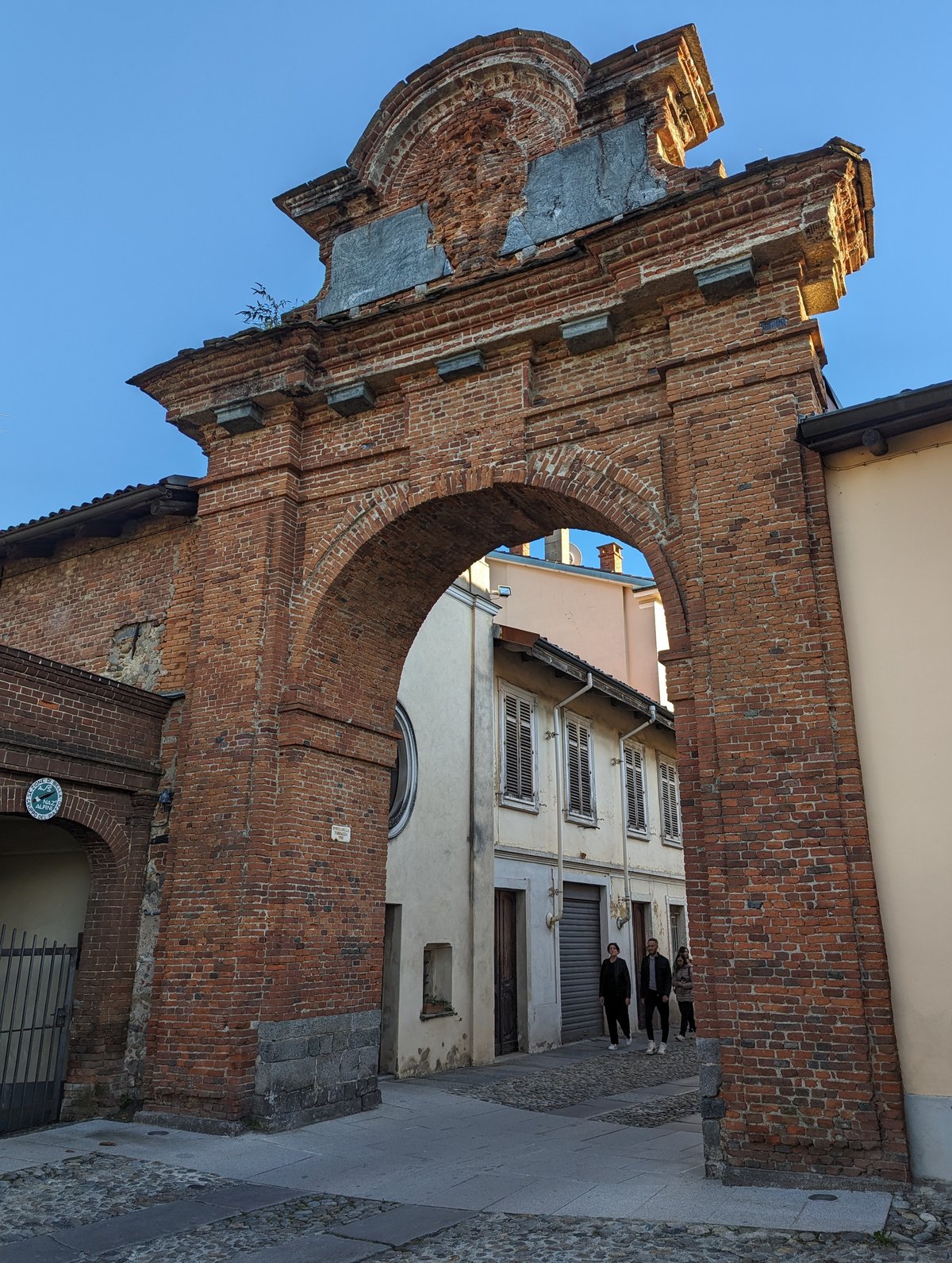 If you're strolling through the Piazzo district, at some point you'll come across a brick arch that looks like it's from another era. It's the Porta della Torrazza, built in 1780 not for defense, but to celebrate the visit of King Vittorio Amedeo II and Queen Maria Antonia Ferdinanda of Spain to the Sanctuary of Oropa. A triumphal entrance, in short, which today has become a landmark for history lovers and food enthusiasts. At the center of the arch was the Savoy coat of arms, but in 1798, during the French Revolution, someone chiseled it away. Too bad, because it would have been a striking sight. Today, besides its historical value, the gate offers an unusual view of Biella: from here the skyline appears without the monoblock of the former Ospedale degli Infermi, like a simulation of the EST-Urbano project. But the most pleasant surprise is that right next to it is the Ristorante Porta della Torrazza, a quiet spot with a shaded outdoor seating area. In summer it's perfect for an aperitif with platters of local cured meats and cheeses, or for a dinner under the pergola, with seasonal dishes that change every week. I was there on a Thursday evening: relaxed atmosphere, wine by the glass, and homemade desserts. The cuisine focuses on simplicity, and you can tell. In short, a corner of Biella that combines history, panorama, and taste, without pretension but with plenty of substance.
Oropa Botanical Garden: A Biodiversity Haven at 1,200 Meters
- Go to the page: Biella Botanical Garden: 400 Alpine Species, Tropical Greenhouse, and Sensory Path
- Strada alla Teleferica, Biella (BI)
- http://www.gboropa.it/
- Open in Google Maps
- View on Google Images
- info@gboropa.it
- +39 015 2523058
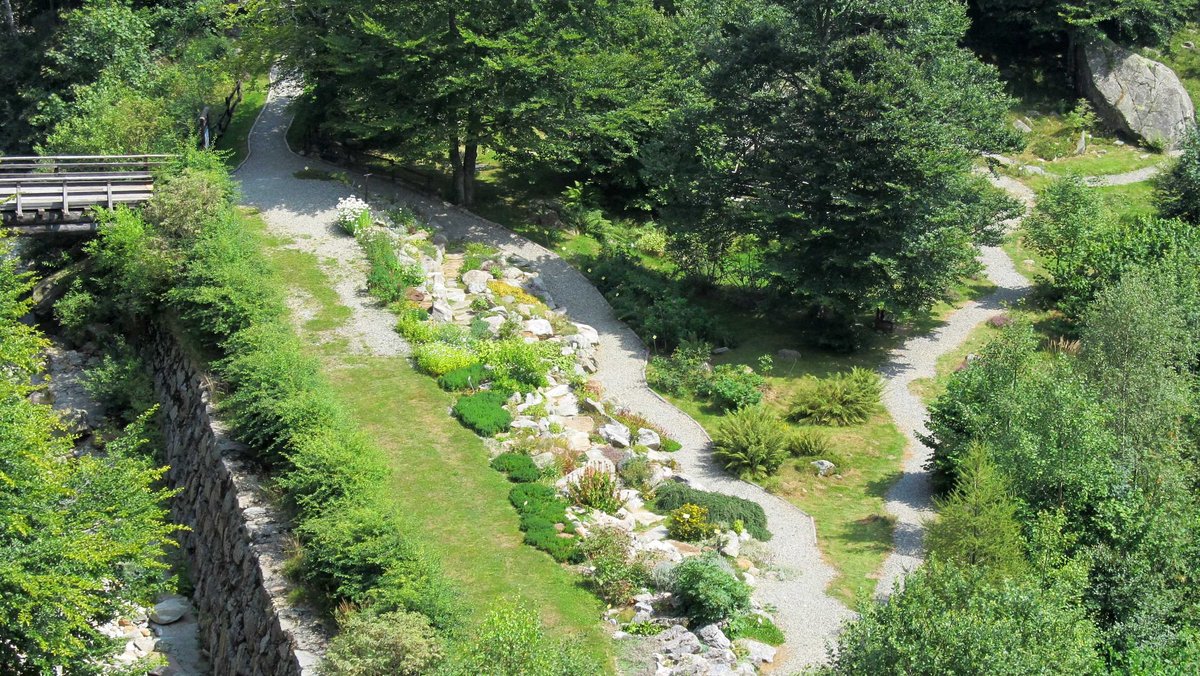 A few steps from the Oropa Sanctuary, at 1,200 meters altitude, lies a little-known botanical gem: the Oropa Botanical Garden. Established in 1998 and managed by WWF, it spans over 10,700 square meters and hosts about 500 plant species, many native to the Biella Alps. The garden is not just for botany enthusiasts: themed paths – such as the Beech Forest, the Lichen Trail, and the interactive exhibition 'Plants in Evolution' – make the visit suitable for everyone, including families. Highlights include the rockeries with plants from around the world, from the Himalayan blue poppy to Patagonian species. Part of the Special Reserve of the Sacred Mountain of Oropa (UNESCO World Heritage), the garden is also a research and conservation center: it collaborates with the Germplasm Bank of the Piedmont Region and promotes projects like 'All Around a Tree' to bring children closer to nature. Open from May to September, admission costs €6.50 (reduced €5), and you can easily reach it by ATAP bus from Biella. A tip: leave your car in the sanctuary parking lots and walk up – the view and fresh air are already a journey.
Zumaglini Gardens: Biella's Green Lung
- Biella (BI)
- Open in Google Maps
- View on Google Images
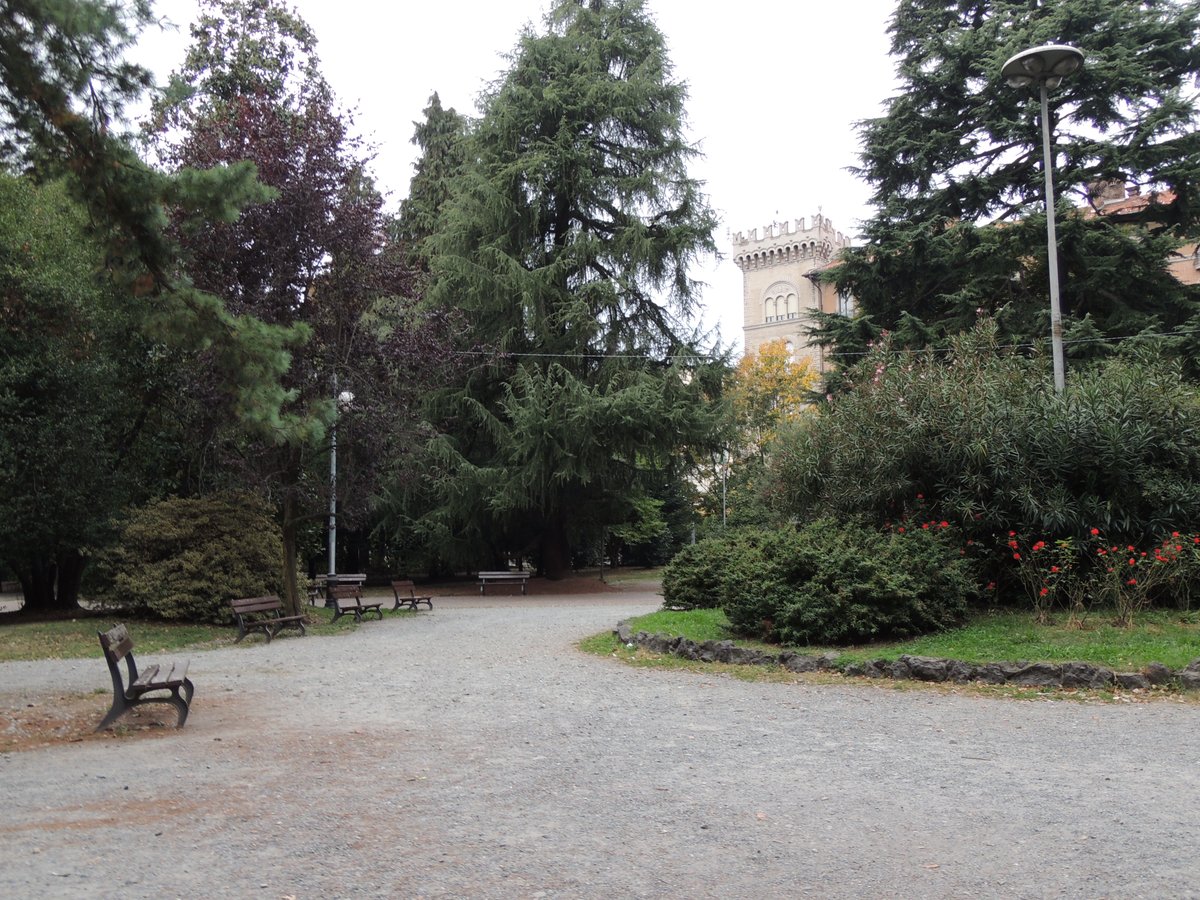 If you are in Biella, a stop at the Zumaglini Gardens is almost mandatory. Named after the botanist Antonio Maurizio Zumaglini – the one behind the monumental Flora Pedemontana – these public gardens are the main green lung of the city center, nestled between via Garibaldi, via La Marmora, and piazza Vittorio Veneto. Opened in 1876, they tell a story of budget cuts and design changes: engineer Danese had envisioned an imposing staircase and a balustrade, but ultimately had to settle for a simpler layout, which nevertheless retained an elegant central symmetrical axis. The atmosphere is immediately Victorian, thanks to strong ties with England. Among the gravel paths you'll find Lebanon cedars, sequoias, and fir trees of the glauca and deodora species, many dating back to the founding. A small information board at the entrance (complete with QR code) will help you identify the most interesting plants. Not to be missed: the monument to Garibaldi by Pietro Canonica, the Bear fountain symbol of the city, and on the south side, the ATL building – once the Biella-Oropa tramway station. Since 1996, a beautiful restoration work has brought new light to the flowerbeds and pathways. In short, a quiet corner to sit in the shade, let children play in the playground, and breathe in a bit of history.
Aurelio Nicolodi Garden: A Small Jewel of Memory
- Piazza Eugenio Curiel, Biella (BI)
- Open in Google Maps
- View on Google Images
 If you find yourself in Biella, don't miss the Aurelio Nicolodi Garden, a public green area discreetly hidden behind the Civic Library in Piazza Curiel. It's a place that not everyone might know about, but it's worth a stop: it's named after Aurelio Nicolodi, the founder of the Italian Union of the Blind and Visually Impaired (UICI), who lost his sight during World War I and dedicated himself to improving the lives of the blind. The dedication took place on October 9, 2021, delayed by a year due to Covid, but with great participation. Inside the park you'll find a fake eye chart, the tool used to measure vision: a symbol of eye disease prevention. The garden is small but cozy, with a calm atmosphere, ideal for a reflective break. It's adjacent to the funicular station that goes up to the Piazzo, so you can combine the visit with a stroll through the historic district. It's not a classic tourist attraction, but it's a place of memory that touches the heart.
Maria Giusta Catella Garden: Urban Oasis
- Via Giardini di Sotto, Biella (BI)
- Open in Google Maps
- View on Google Images
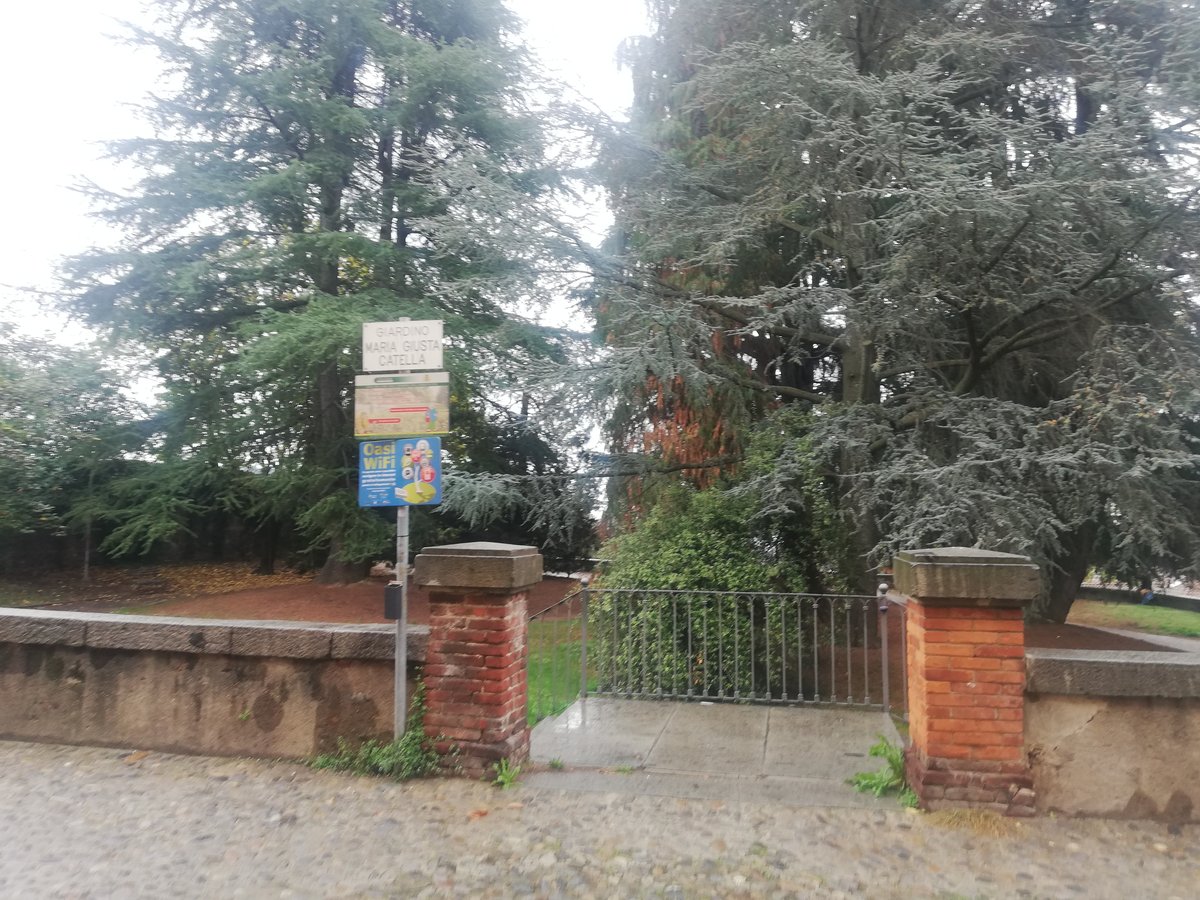 The Maria Giusta Catella Garden is a small green space in the heart of Biella, perfect for a refreshing break. It's just 350 meters from the Civic Library, so easily reachable on foot. Not a huge park, but meticulously cared for: flowerbeds, mature trees, and inviting benches. The atmosphere is peaceful, ideal for reading or simply watching. A peaceful corner that the locals love. If you're visiting the city, don't miss this oasis. Bring a book and enjoy the silence.