
🧭 What to Expect
- Ideal for military history enthusiasts and architecture lovers.
- Highlights: Star-shaped Citadel, Battle of Marengo Museum, and medieval historic center.
- Includes interactive maps for each stop and Google Maps links.
- Offers a cultural experience off the beaten tourist paths of Piedmont.
The City of Alessandria, founded in 1168 as a defensive stronghold of the Lombard League, preserves a unique military imprint in the Piedmontese landscape. Its historic center, developed around Piazza della Libertà, showcases the architectural evolution from the medieval to the Napoleonic city. The Citadel of Alessandria, one of Europe's most important fortresses, dominates the skyline with its perfectly preserved 18th-century bastions. The Marengo Museum recounts the famous 1800 battle through original artifacts and detailed reconstructions. Strolling through the city center, visitors encounter landmarks such as the Palatium Vetus, the ancient town hall, and the Triumphal Arch commemorating the fallen of the Great War. A city that blends military history, art, and Piedmontese culinary traditions.
Overview
Alessandria Citadel
- Lungo Tanaro San Martino, Alessandria (AL)
- Open in Google Maps
- View on Google Images
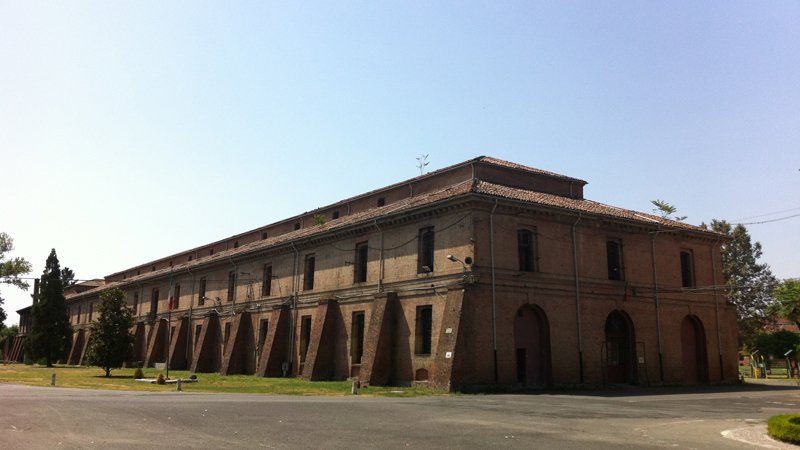 The Alessandria Citadel is one of the most important examples of 18th-century military architecture in Italy. Built between 1728 and 1745 by order of King Victor Amadeus II of Sardinia, this imposing star-shaped fortress represents a masterpiece of Savoy military engineering. Its strategic position at the confluence of the Tanaro and Bormida rivers explains its historical importance in controlling the Piedmont territory. The hexagonal layout with six bastions characterizes the structure, surrounded by wide moats that were once floodable. Today the Citadel stands as a national monument of great value, open to visitors year-round. Inside, you can admire the perfectly preserved historical buildings, including the Cavalry Barracks and the Governor's Palace. The walls, up to 12 meters high, offer a panoramic view of the city and surrounding hills. During the visit, you can feel the atmosphere of bygone eras, when this fortress was a crucial defensive stronghold. Today it also hosts cultural events and exhibitions, maintaining its role as a community hub. The Citadel represents a jewel of Piedmont heritage not to be missed, a place where history and architecture merge into a unique experience.
Marengo Museum
- Alessandria (AL)
- http://www.marengomuseum.it
- Open in Google Maps
- View on Google Images
- serviziomusei@asmcostruireinsieme.it
- +39 0131 234266
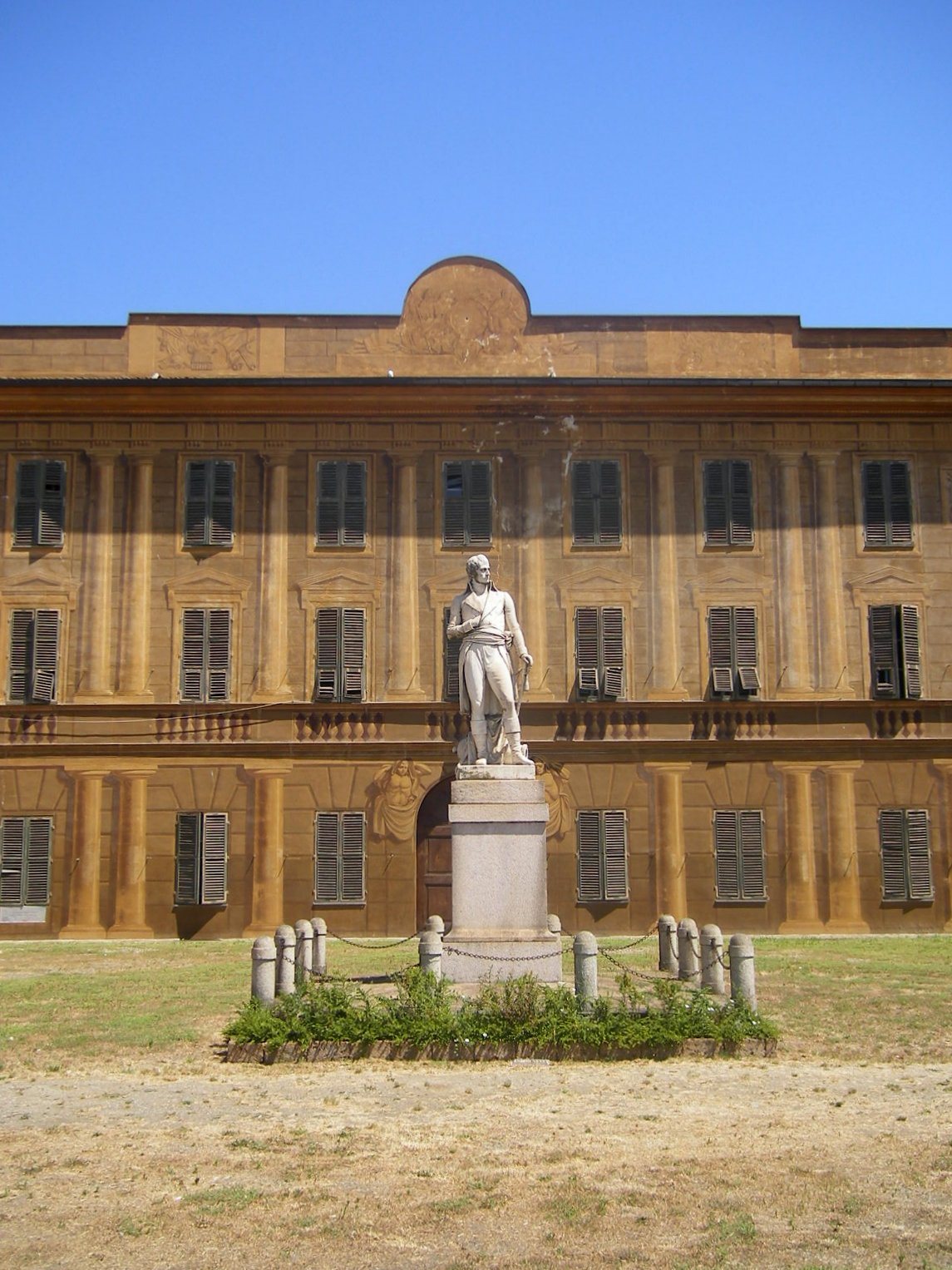 The Marengo Museum transports you directly to June 14, 1800, when Napoleon Bonaparte defeated the Austrians in one of history's most celebrated battles. Located right on the original battlefield, just a few kilometers from the center of Alessandria, the museum offers a uniquely immersive experience. The permanent collection features authentic artifacts including period uniforms, weapons, and original documents that meticulously reconstruct the events. Don't miss the battle diorama, a detailed model showcasing the military strategies employed. The exhibition route is enhanced by multimedia supports that make the visit engaging even for younger visitors. Outside, you can still see the commemorative monuments erected over the years, including the obelisk that dominates the landscape. The museum frequently organizes historical reenactments and themed events, especially during summer, attracting enthusiasts from across Europe. Whether you're a military history enthusiast or simply curious to discover a fundamental piece of Piedmont's heritage, this stop is unmissable. The atmosphere here is palpable - you can almost still hear the echoes of the past.
Triumphal Arch
- Piazza Giacomo Matteotti, Alessandria (AL)
- Open in Google Maps
- View on Google Images
 The Triumphal Arch of Alessandria stands majestically in Piazza Matteotti, right in the historic center of the city. This imposing monument was built in 1809 to celebrate Napoleonic victories, particularly the Battle of Marengo which took place in the surroundings of Alessandria. The structure, approximately 15 meters high, features a neoclassical facade with Doric columns and decorations reminiscent of military trophies. What makes this arch unique is its dual function: not only a celebratory monument, but also a gateway to the city center. Observing it up close, you can notice the bas-reliefs depicting Napoleonic deeds, while the Latin inscription recalls the glories of that era. Its central location makes it easily visitable during a stroll through the historic center, perhaps combined with a visit to the nearby Citadel. The arch is always accessible and requires no entrance ticket, making it an essential stop for those wanting to fully understand Alessandrian history.
Palatium Vetus
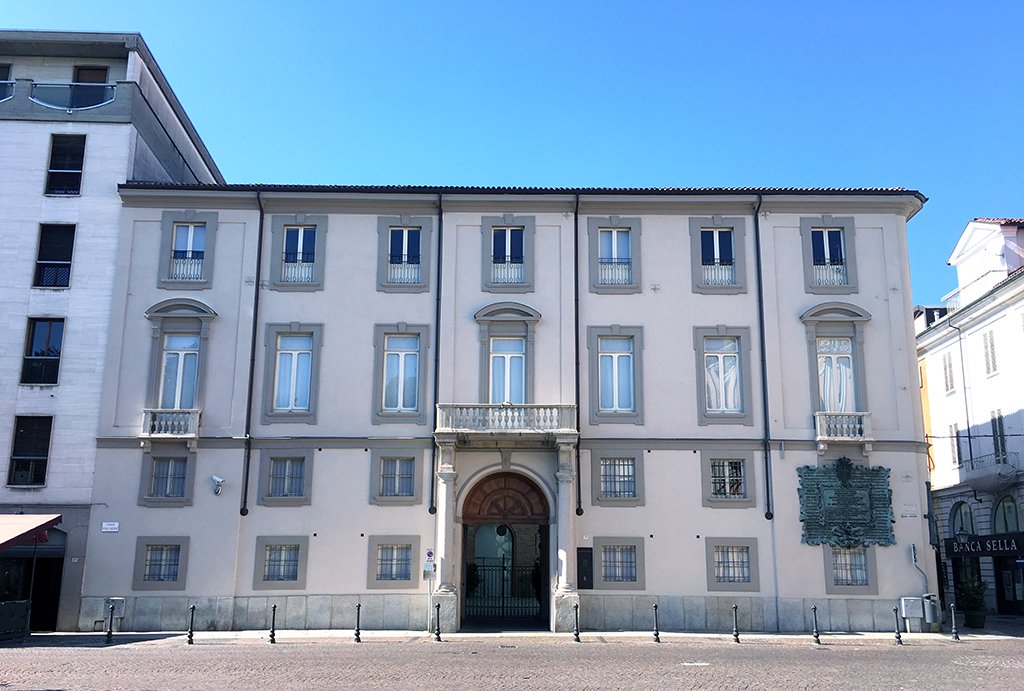 The Palatium Vetus is one of the oldest symbols of Alessandria, located right in the historic center of the city. This medieval building, dating back to the 12th century, was originally the seat of the Municipality and represents a fundamental piece of Piedmontese history. Today it houses the Fondazione Cassa di Risparmio di Alessandria and is used for temporary exhibitions and cultural events. The red brick facade and its Gothic arches transport you back in time, while the interior preserves traces of frescoes and ancient structures. Don't miss the Sala delle Capriate, an evocative space with wooden vaults that tells centuries of city life. The central location, just steps from Piazza della Libertà, makes it a must-see stop for anyone wanting to understand the roots of Alessandria. Access is generally free during events, but it's always better to check opening hours on the foundation's website. A place where history and contemporaneity meet, perfect for a quick but intense visit.
Piazza della Libertà
- Alessandria (AL)
- Open in Google Maps
- View on Google Images
 Piazza della Libertà is the true nerve center of Alessandria, a place where history blends with contemporary vibrancy. The beating heart of the city, this square has been the focal point of Alexandrian social and commercial life for centuries. Here you can breathe the authentic atmosphere of Piedmont, with its arcades offering shelter on rainy days and shade on sunny ones. The square is dominated by the City Hall Palace, a building that tells centuries of city history through its architecture. Looking carefully, you'll notice the details of the surrounding building facades, witnesses to different eras that have followed one another. The stone pavement and the wide open space create a perfect area for strolls and observing the flow of life. Of particular interest are the historic arcades that border the square, typical of Piedmontese urban planning, where today you'll find cafes and shops. The square regularly hosts markets and events that animate the city, keeping the tradition of local commerce alive. It's the ideal place for a break, perhaps sipping a coffee in one of the establishments under the arcades while watching the comings and goings of the Alexandrians. In the evening, the lighting creates a suggestive atmosphere, enhancing the architecture of the buildings. For those visiting Alessandria, Piazza della Libertà represents a mandatory starting point to discover the city and its Piedmontese identity.
San Francesco Convent Complex
- Via Ventiquattro Maggio, Alessandria (AL)
- Open in Google Maps
- View on Google Images
 The San Francesco Convent Complex is one of the most enchanting places in Alessandria, a genuine treasure that tells centuries of Piedmontese history. Founded in the 13th century, this former Franciscan convent is located in the historic center, just steps from Piazza della Libertà. Today it houses the Civic Library and exhibition spaces, yet retains its medieval charm intact. The church, with its brick facade and rose window, is an example of Lombard Gothic architecture. Inside, visitors can admire 14th-century frescoes and a Renaissance cloister with stone columns. The refectory, now a conference hall, shows traces of original decorations. It's a place of culture and tranquility, perfect for a break away from the hustle and bustle. Visiting means discovering an authentic piece of Alessandria, far from the beaten tourist paths. The complex frequently hosts temporary exhibitions and cultural events that bring these history-rich spaces to life. A must-see for those seeking art and spirituality in Piedmont.
Giuseppe Garibaldi Square
- Alessandria (AL)
- Open in Google Maps
- View on Google Images
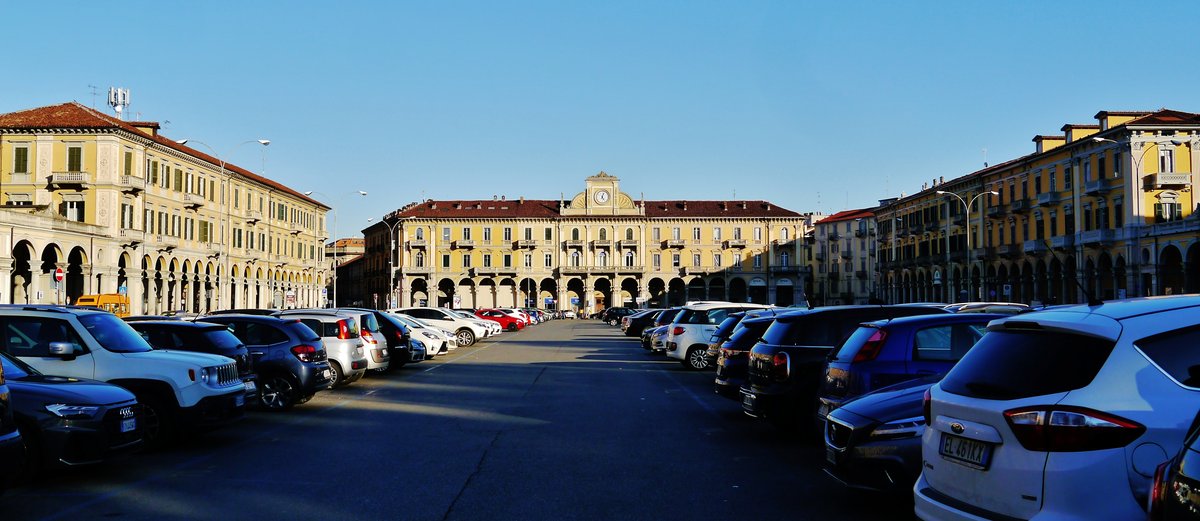 Giuseppe Garibaldi Square is the true nerve center of Alessandria, a vast rectangular space that has hosted city life for centuries. Surrounded by elegant porticoes, the square takes its name from the Risorgimento hero and maintains an authentically Piedmontese atmosphere. At its center stands the Garibaldi monument, a bronze statue that dominates the public space. The porticoes that frame it, built between the 18th and 19th centuries, house historic cafés and traditional shops where you can still breathe the air of times past. For centuries, the square has been the center of civil power in Alessandria, as evidenced by the stately palaces surrounding it. Today, it's the favorite spot for locals for evening aperitifs and Sunday strolls. During holidays, markets and events take place here, enlivening the historic center. The porphyry pavement and vintage street lamps contribute to creating an intimate and evocative atmosphere. By carefully observing the architectural details of the surrounding palaces, you can read centuries of city history, from Baroque influences to subsequent 19th-century modifications. The square is also an ideal starting point for exploring the historic center, with its pedestrian streets branching out in every direction. Here, tourists and residents mingle in perfect balance, making the visit particularly authentic.
Bishop's Palace
- Via dei Guasco 1, Alessandria (AL)
- https://diocesialessandria.it/curia/
- Open in Google Maps
- View on Google Images
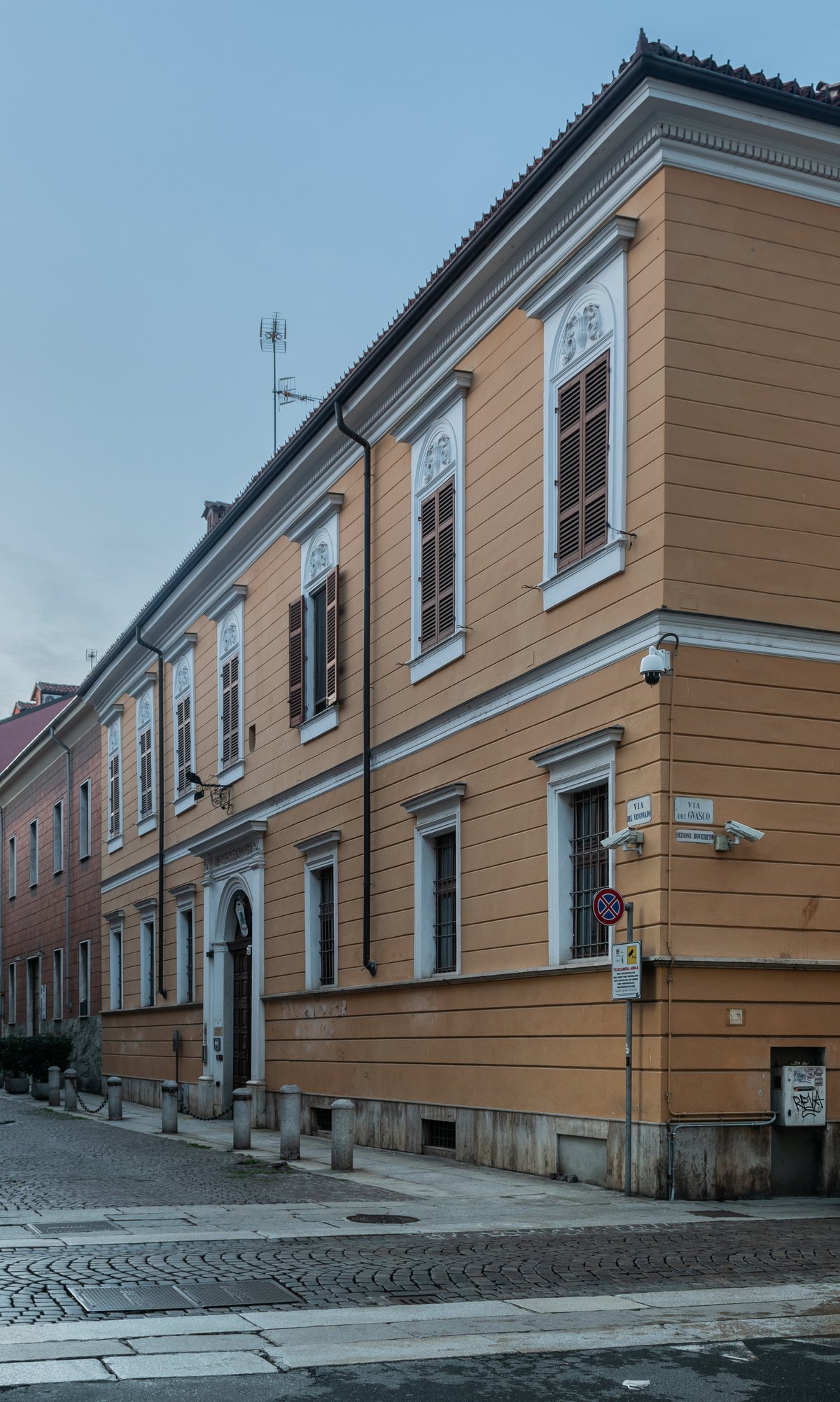 The Bishop's Palace of Alessandria stands majestically in Piazza Duomo, just steps away from the Cathedral of San Pietro. Built in the 18th century based on designs by architect Giovanni Antonio Viscardi, it represents one of the most significant examples of Baroque architecture in Piedmont. The façade, sober and elegant, conceals interiors rich with treasures: frescoed halls, monumental staircases, and a porticoed courtyard that invites tranquility. The Bishop's Chapel, with its refined stuccowork and 18th-century altarpieces, is a place of contemplation that impresses with its intimate atmosphere. Today the palace houses the Bishop's Curia, but some areas are visitable during cultural events or by appointment. It's worth admiring the audience hall, where original furnishings and paintings from the Piedmontese school are preserved. For history enthusiasts, the palace tells centuries of Alessandria's religious and civic life, from the bishops who resided there to the city's crucial moments. Its central location makes it an essential stop for those exploring the historic center, offering an authentic glimpse into the area's artistic heritage.
Rodolfo Gambini
- Viale Teresa Michel, Alessandria (AL)
- Open in Google Maps
- View on Google Images
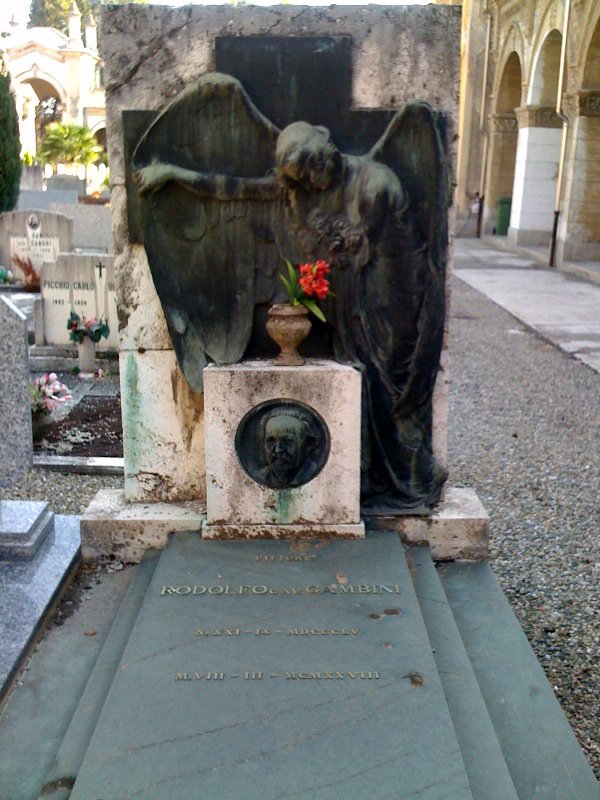 If you're looking for a place that captures the essence of Alessandria, Rodolfo Gambini is an unmissable stop. This cultural space, located in the historic center, takes its name from the renowned Alessandrian artist and intellectual, becoming a reference point for those wanting to delve deeper into local history. It's not just a museum, but a true multifunctional center where art, gatherings, and tradition blend together. Inside, you'll find temporary exhibitions showcasing local artists, literary events, and initiatives related to Piedmontese culture. The atmosphere is welcoming and familiar, ideal for a cultural break during your city visit. It often hosts educational workshops for children and adults, making it suitable for all ages. The structure itself, with its well-maintained spaces, invites you to linger and discover often overlooked details. For history enthusiasts, the permanent exhibitions dedicate ample space to Gambini's figure and his connection to Alessandria, offering interesting insights into the social and artistic context of the twentieth century. It's a place that unites past and present, perfect for those seeking an authentic experience away from the beaten path. Especially recommended for those who love discovering the hidden stories behind street names and places.