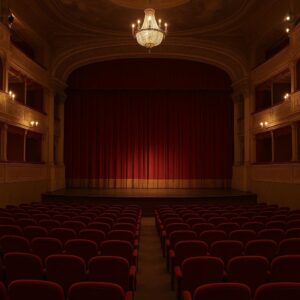
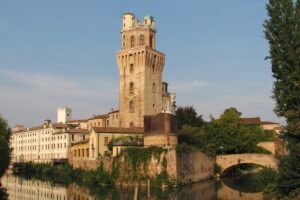
Discover the Roman Theatre of Verona, a well-preserved 1st-century BC archaeological site with a panoramic view of the Adige River and the historic center. The visit includes the Archaeological Museum with artifacts found on-site, offering a complete cultural experience away from the crowds.
- Unique panoramic view of Verona’s historic center and the Adige River from San Pietro hill.
- Well-preserved Roman architecture with a cavea carved into the rock and stone seating.
- Archaeological Museum in the former San Girolamo convent with site-specific artifacts.
- Authentic and less crowded atmosphere compared to other Veronese monuments.
Introduction
The Roman Theatre of Verona is not just an archaeological site, but a true balcony onto history, with a breathtaking view of the Adige River flowing gently at its feet. Built in the 1st century BC, this theatre is one of the oldest and best-preserved in northern Italy, and walking among its stone steps makes you feel like an ancient Roman spectator. Its position, perched on the San Pietro hill, offers unique glimpses of the city, with the Arena and medieval towers standing out on the horizon. It is a place that speaks of distant eras, yet still knows how to move, perfect for those seeking a dive into the past without sacrificing the beauty of the Veronese landscape. The sensation is that of finding oneself in a corner of peace, far from the crowds of Piazza Brà, where time seems to have stood still.
Historical Overview
The Roman Theatre of Verona was built at the end of the 1st century BC, during the peak of the Roman Empire, when the city was an important commercial and strategic hub. Used for theatrical performances and public events, it fell into disuse after the Empire’s decline and was gradually buried by debris and medieval constructions. It was only rediscovered in the 19th century, thanks to archaeological excavations promoted by Andrea Monga, a passionate Veronese citizen who purchased the area and funded the restoration works. Today, in addition to the theatre, visitors can explore the remains of the overlying temple and the Archaeological Museum, housed in the San Girolamo convent, which displays artifacts found at the site. Its history is a journey through centuries of oblivion and rebirth.
- 1st century BC: construction of the theatre during the Augustan era.
- Middle Ages: abandonment and burial under buildings.
- 1834: start of excavations at the initiative of Andrea Monga.
- 1904: opening of the Archaeological Museum in the convent.
- Today: visitable site and venue for summer events.
Architecture That Withstands Time
What strikes visitors about the Roman Theatre is its extraordinary state of preservation, despite centuries of abandonment. The cavea, or semicircular seating area for spectators, is carved directly into the rock of San Pietro Hill, with tiers made of local white stone that could accommodate up to 5,000 people. The stage, though partially preserved, hints at its original grandeur, with niches and columns that once adorned the backdrop. Climbing to the top leads to the overlying temple, offering an unmissable panoramic view of Verona. A fascinating detail is the rainwater drainage system, still visible, showcasing the ingenuity of Roman builders. It’s a tangible example of how ancient architecture skillfully combined functionality and beauty.
A Museum in the Convent
The visit to the Roman Theatre is completed by the Archaeological Museum, set up in the former convent of San Girolamo, which stands right above the ruins. Here you won’t just find generic artifacts, but a collection closely linked to the site: mosaics, capitals, inscriptions, and sculptures unearthed during excavations, which tell the story of daily life and art in Roman Verona. Particularly interesting are the fragments of frescoes and ceramics, offering an intimate glimpse into the past. The museum, with its silent cloisters and evocative rooms, adds an important piece to understanding the place, transforming the visit into an immersive experience. It’s a cultural corner that enriches without overwhelming, ideal even for those who aren’t archaeology experts.
Why Visit It
Visiting the Roman Theatre of Verona is worthwhile for at least three concrete reasons. First, it is an authentic and less crowded archaeological site compared to the Arena, where you can breathe in history without the crowds. Second, it offers a unique panoramic view of the city and the Adige River, perfect for unforgettable photo opportunities. Third, in summer it becomes an open-air venue for theatrical performances and concerts, allowing you to experience the theatre as the ancient Romans did. Additionally, the combination with the Archaeological Museum makes the visit comprehensive and suitable for everyone, from families to history enthusiasts.
When to Go
The most evocative time to visit the Roman Theatre is at sunset, when the warm sunlight illuminates the ancient stones and the view over the city takes on golden hues. If you prefer to avoid the heat, the early morning hours are ideal for a peaceful visit, with cool air rising from the river. In terms of seasons, spring and early autumn offer mild temperatures and lush vegetation around the site, making the climb up the hill even more pleasant. In summer, you can take advantage of evening events for a magical experience under the stars.
In the Surroundings
After exploring the Roman Theatre, head down towards the Adige River and cross Ponte Pietra, Verona’s oldest Roman bridge, to reach the historic center. Just a short walk away, you’ll find Juliet’s House with its famous balcony and Piazza delle Erbe, bustling with the daily market. For a thematic experience, visit the Fresco Museum at Juliet’s Tomb, which delves into Veronese art, or stop at one of the area’s wine bars to sample local wines like Valpolicella.