
🧭 What to Expect
- Ideal for cultural weekends, art enthusiasts and families.
- Highlights: Duomo with terraces, Leonardo's Last Supper, Brera Art Gallery and Sforza Castle.
- Structure: 15 places described with interactive maps and practical cards for each stop.
- Tips: mandatory booking for The Last Supper, appropriate attire for churches.
Events nearby

The City of Milan is not just the capital of fashion and finance: it's an open-air museum where every corner tells centuries of history, art, and innovation. The Duomo, with its spires reaching for the sky, is the mandatory starting point – climbing to the terraces offers a breathtaking view of the city. Just steps away, the Galleria Vittorio Emanuele II, Milan's elegant drawing room, combines luxury and 19th-century architecture. Don't miss the Sforza Castle, a Renaissance fortress housing masterpieces like Michelangelo's Rondanini Pietà, and the Brera district, with its Pinacoteca and picturesque alleys. For art enthusiasts, Santa Maria delle Grazie houses Leonardo's Last Supper, while La Scala Theatre is a temple of world opera. Milan is also green: Sempione Park, behind the Castle, offers an oasis of relaxation. With efficient public transport, getting around is easy, but the city center is perfect for exploring on foot. Whether you're here for a weekend or longer, these places will give you the essence of the City of Milan, between timeless masterpieces and contemporary atmospheres.
Overview
- Milan Cathedral
- Sforza Castle
- Santa Maria delle Grazie: The Renaissance Jewel with The Last Supper
- Galleria Vittorio Emanuele II
- La Scala Theatre
- Pinacoteca di Brera
- Royal Palace
- Basilica of Sant'Ambrogio
- Museum of the Twentieth Century
- National Museum of Science and Technology
- Sempione Park
- Monumental Cemetery
- Villa Necchi Campiglio
- Galleries of Italy
- Chiaravalle Abbey
Itineraries nearby
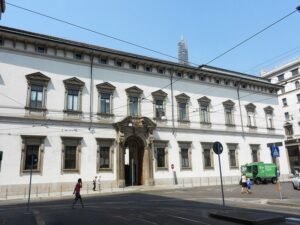
Milan Cathedral
- Go to the page: Milan Cathedral: Panoramic Terraces, 3400 Statues and Candoglia Marble
- 1_33051, Milano (MI)
- https://www.duomomilano.it/
- Open in Google Maps
- View on Google Images
- info@duomomilano.it
- +39 02 361691
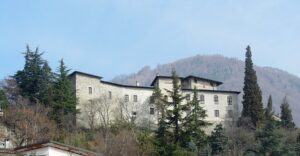
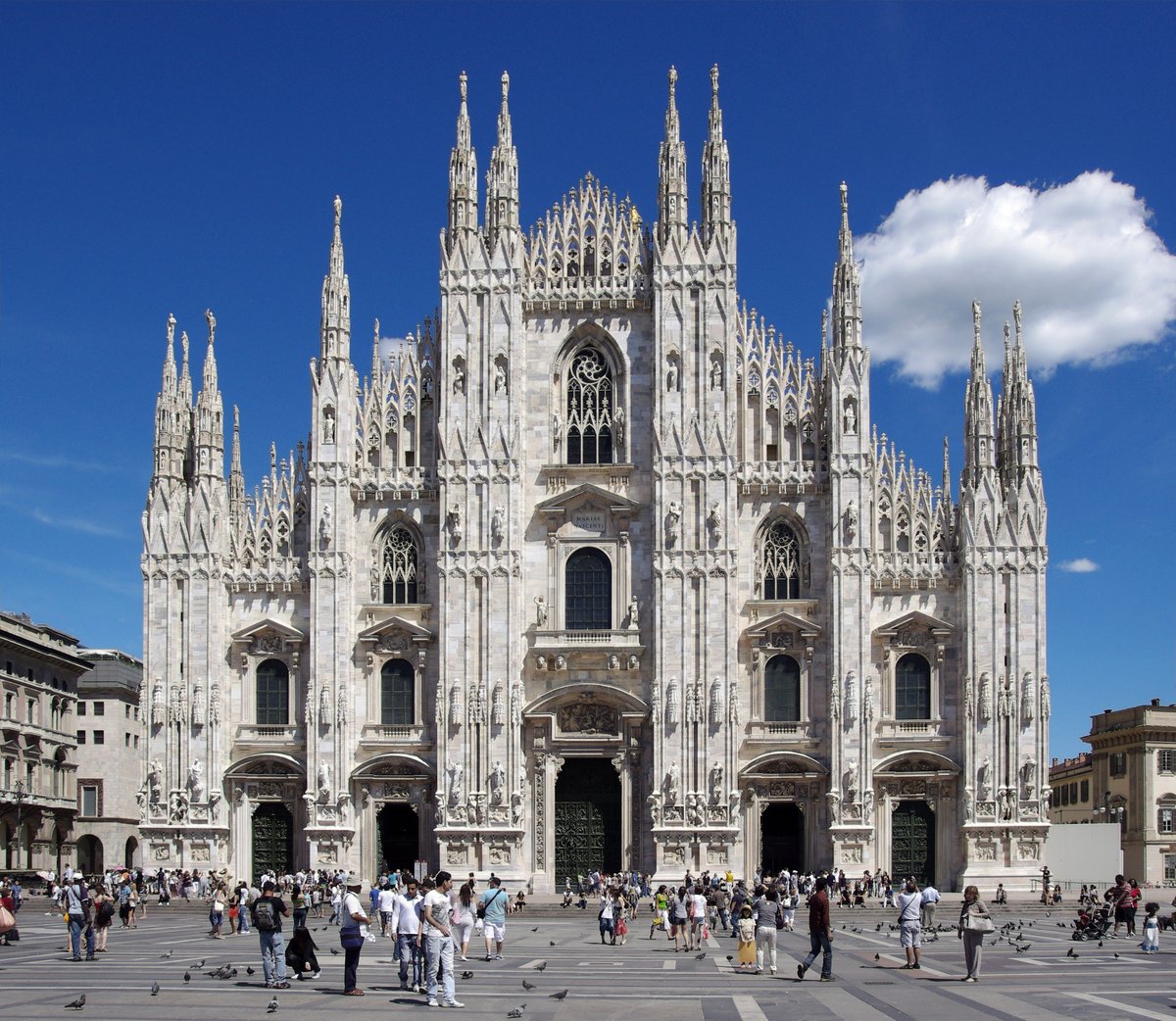 Milan Cathedral is a majestic masterpiece that dominates Piazza del Duomo with its 135 spires and the famous golden Madonnina at its peak. Built from Candoglia marble, its façade is a triumph of Gothic sculptures and decorations that narrate centuries of history. Inside, the 45-meter-high central nave takes your breath away, while the stained-glass windows, among the largest in the world, filter light to create magical atmospheres. Don't miss the ascent to the terraces: from here, you can enjoy a unique panoramic view of Milan, with the chance to walk among the spires and admire the architectural details up close. Beneath the cathedral lie the remains of the Baptistery of San Giovanni alle Fonti, dating back to the 4th century, accessible with a separate ticket. A visit to the Duomo also includes the Duomo Treasury, with priceless sacred objects. Remember that appropriate attire is required for entry (shoulders and knees covered), and tickets can be purchased online to avoid queues. The cathedral is open year-round, but check the hours as they may vary during religious services or special events.
Sforza Castle
- Go to the page: Sforza Castle: Renaissance Courtyards and Michelangelo's Rondanini Pietà
- Piazza Castello, Milano (MI)
- https://www.milanocastello.it/
- Open in Google Maps
- View on Google Images
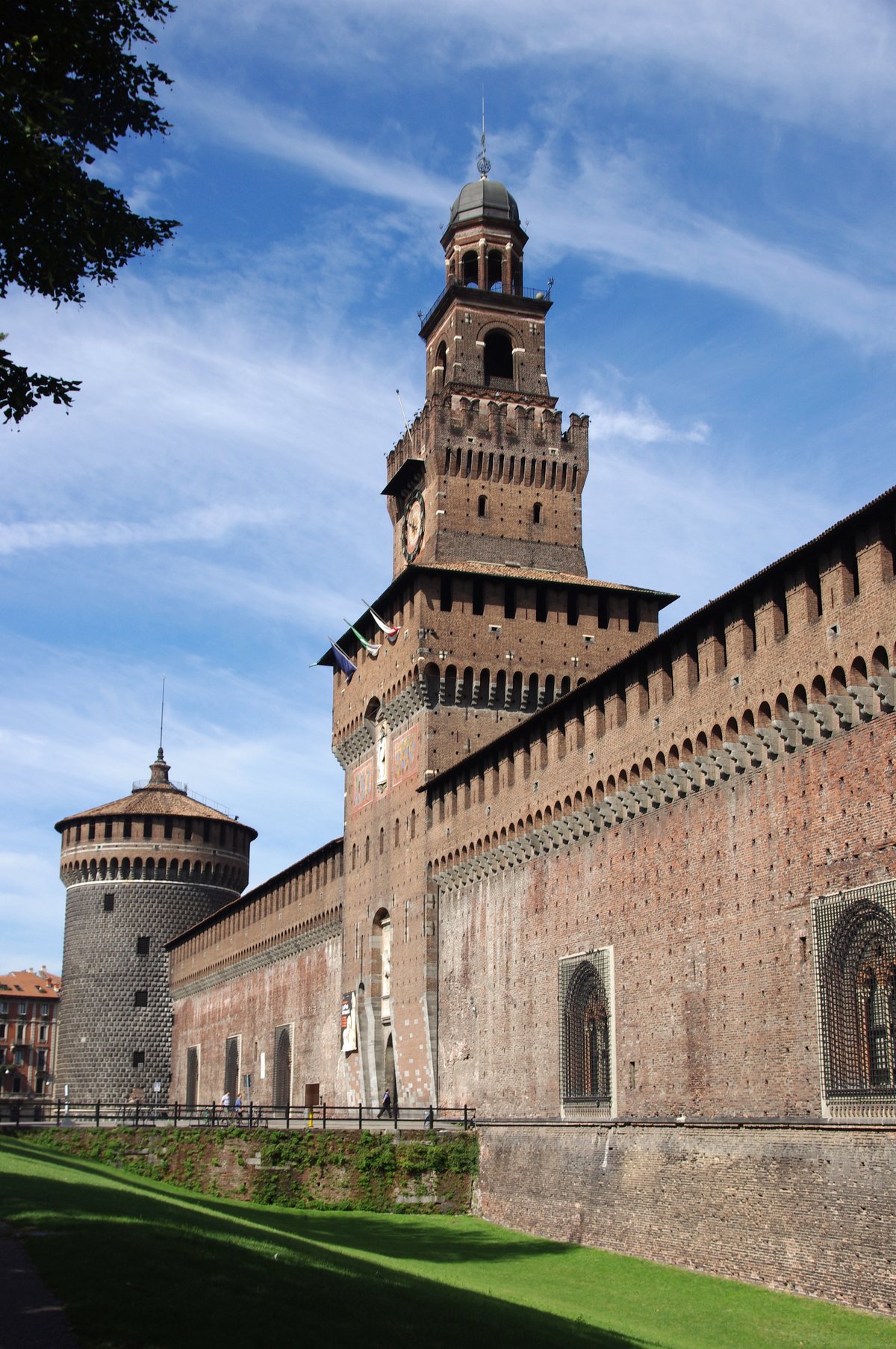 The Sforza Castle is one of Milan's most iconic landmarks, a Renaissance fortress that dominates the historic center with its imposing architecture. Built in the 15th century at the behest of Francesco Sforza, Duke of Milan, the castle has undergone centuries of transformations, evolving from a ducal residence to a military barracks, and now stands as a premier cultural hub. Its red walls and crenellated towers welcome you to Piazza Castello, creating a fascinating contrast with the surrounding modernity. Inside, the complex houses a series of civic museums that safeguard masterpieces such as Michelangelo's Rondanini Pietà, the master's last unfinished work, displayed in the Sala degli Scarlioni. Don't miss the Castle Picture Gallery, featuring paintings by Lombard artists from the 14th to the 18th centuries, and the Museum of Ancient Art, which collects medieval sculptures and artifacts. Stroll through the inner courtyards, like the Cortile della Rocchetta, once the defensive heart, and admire architectural details, including the Filarete portal. The castle also serves as the gateway to Sempione Park, a green oasis ideal for a relaxing break. For a comprehensive visit, allocate time for the permanent collections and check opening hours, as some sections may have temporary closures. Remember that admission is free on the first and third Tuesday of the month after 2:00 PM, a great opportunity to explore without spending. With its historical and artistic richness, Sforza Castle offers an immersive experience into Milan's most authentic side, away from the usual tourist clichés.
Santa Maria delle Grazie: The Renaissance Jewel with The Last Supper
- Go to the page: Santa Maria delle Grazie: Leonardo's Last Supper and Gothic-Renaissance Architecture
- Piazza Santa Maria delle Grazie, Milano (MI)
- https://legraziemilano.it/
- Open in Google Maps
- View on Google Images
- info.legrazie@gmail.com
- +39 02 467 6111
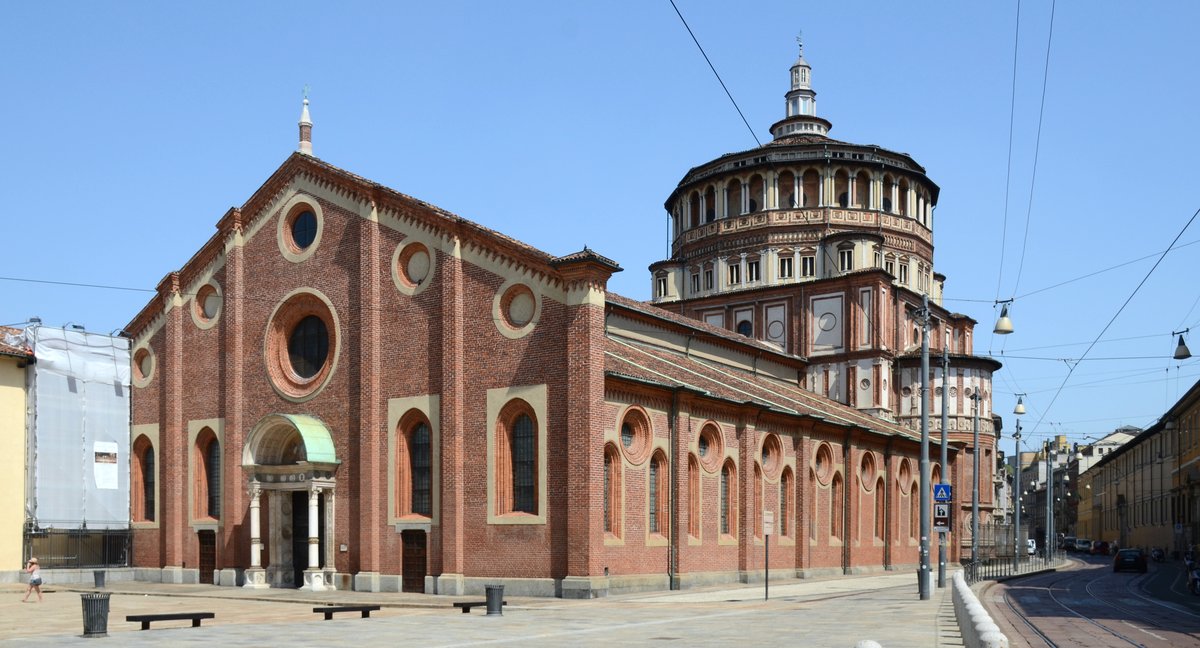 If you visit Milan, Santa Maria delle Grazie is an unmissable stop, not only for its architectural beauty but especially because it houses one of the most famous paintings in the world: Leonardo da Vinci's The Last Supper. Located in the heart of the city, this church is a fascinating mix of styles: the oldest part, in Gothic style, dates back to 1463, while the tribune and apse are Renaissance masterpieces designed by Donato Bramante on commission from Ludovico il Moro. Upon entering, you are struck by the harmony of the spaces and the light filtering through the windows, creating a suggestive atmosphere. But it is in the refectory of the adjacent former Dominican convent that the real treasure is found: Leonardo's Last Supper. This fresco, created between 1494 and 1498, is a revolutionary work for its experimental technique and dynamic composition, capturing the dramatic moment when Jesus announces the betrayal by one of the apostles. To see it, online booking well in advance is mandatory, as access is limited to small groups to preserve the artwork. The visit lasts about 15 minutes, but it's worth every second. Beyond The Last Supper, the church itself deserves attention: admire Bramante's dome, Bergognone's frescoes, and the Chapel of the Madonna delle Grazie. I recommend combining the visit with a walk in the neighborhood, which is full of typical local spots. Remember: bring an ID document for entry and check the opening hours, which may vary.
Galleria Vittorio Emanuele II
- Go to the page: Galleria Vittorio Emanuele II: 1877 Architecture, Prada Shops, and the Bull Ritual
- Via Tommaso Marino, Milano (MI)
- Open in Google Maps
- View on Google Images
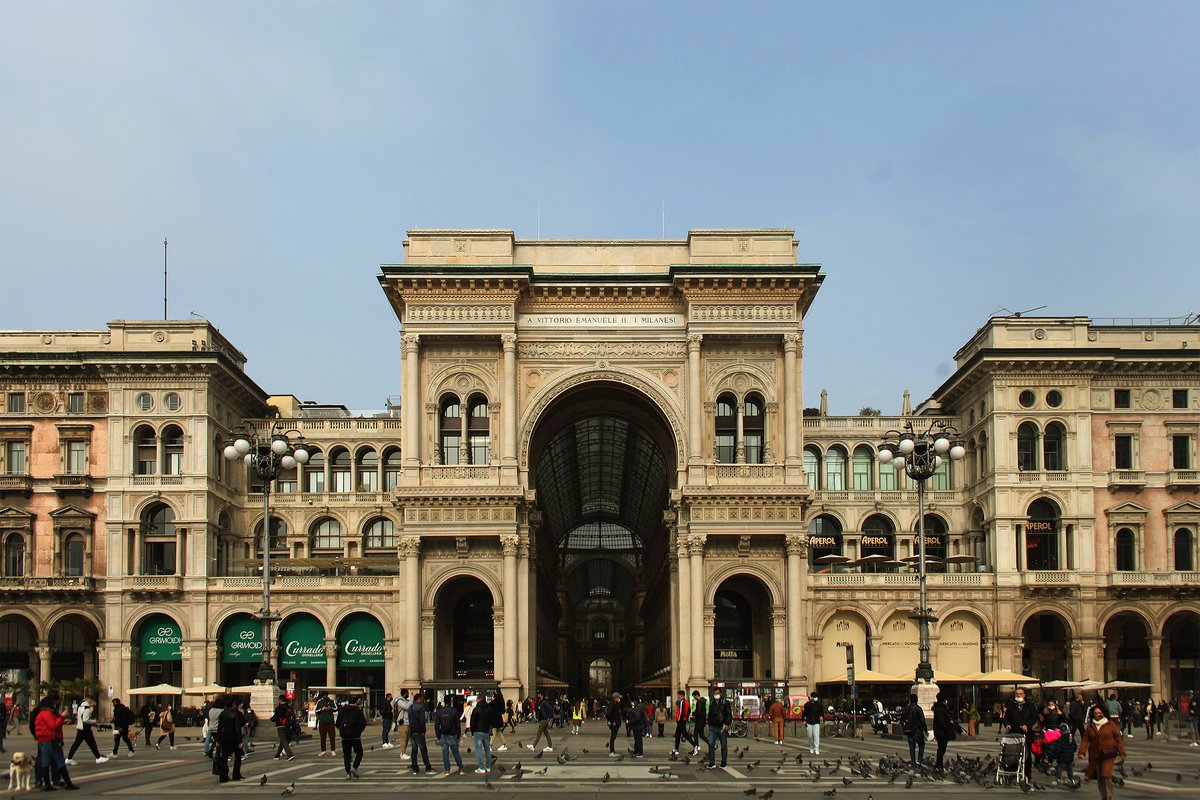 If there's one place that embodies the spirit of Milan, it's the Galleria Vittorio Emanuele II, the beating heart of the city since its inauguration in 1877. Designed by architect Giuseppe Mengoni, this imposing neorenaissance structure connects Piazza del Duomo to Piazza della Scala, creating a covered passageway that is much more than just a commercial street. As soon as you enter, you're struck by the majestic glass and iron dome, 47 meters high, which floods the mosaic floors depicting the coats of arms of Italian cities with natural light. Don't miss the famous bull mosaic in Turin's coat of arms: tradition has it that spinning on it with your heel brings good luck, and you'll always see a line of tourists doing just that! The Galleria is nicknamed 'Milan's living room' for its elegance and its role as a historic meeting point. Today it houses luxury shops like Prada (which opened its first store here in 1913), historic cafes like Camparino, and refined restaurants. Even if you're not a shopping enthusiast, it's worth entering to admire the architecture and unique atmosphere, especially in the evening when the lights come on. It's a perfect spot for a coffee break or to watch the city's hustle and bustle, immersed in a piece of history that continues to live every day.
La Scala Theatre
- Go to the page: La Scala Theatre: Golden Boxes, Perfect Acoustics and Theatre Museum
- Piazza della Scala, Milano (MI)
- https://www.teatroallascala.org
- Open in Google Maps
- View on Google Images
 When you think of Milan, fashion and the Duomo probably come to mind, but there's a place where art has resonated for centuries: La Scala Theatre. Founded in 1778 after a fire destroyed the previous theatre, this temple of opera has become a global symbol of classical music. Its neoclassical facade, sober and imposing, overlooks Piazza della Scala, but it's inside that the magic comes alive. Upon entering, you'll be struck by the horseshoe-shaped hall, with its five tiers of boxes decorated in red and gold, and the central Bohemian crystal chandelier illuminating the performances. The acoustics are legendary, designed to make every note resonate perfectly, a detail that attracted composers like Verdi and Puccini, whose operas debuted right here. Today, La Scala hosts a rich season of operas, ballets, and concerts, featuring internationally renowned artists. Don't miss the La Scala Theatre Museum, attached to the theatre, where you can admire historical memorabilia, stage costumes, and musical instruments that tell over two centuries of history. To attend a performance, book tickets well in advance, especially for opening nights, but there are also last-minute options or guided tours that allow you to explore the theatre even without seeing a show. Remember that the dress code is generally elegant, especially for gala evenings. Whether you're a music enthusiast or simply want to experience a unique atmosphere, La Scala is an unmissable stop in Milan, a place where art isn't just seen, but heard and felt.
Pinacoteca di Brera
- Go to the page: Pinacoteca di Brera: Hayez's The Kiss and Raphael's Masterpieces in Milan
- Via Brera 28, Milano (MI)
- https://pinacotecabrera.org/
- Open in Google Maps
- View on Google Images
- pin-br@beniculturali.it
- +39 02 722631
 If you're looking for an authentic artistic experience in Milan, the Pinacoteca di Brera is an unmissable stop. Located in the Palazzo di Brera, a historic building that also houses the Academy of Fine Arts, this gallery welcomes you in an atmosphere steeped in tradition and culture. Don't expect the chaos of large museums: here you breathe a more intimate air, perfect for enjoying art without rush. The collection is a journey through the centuries, with a particular focus on Lombard and Venetian Renaissance. Among the most famous works, The Dead Christ by Andrea Mantegna stands out, a masterpiece striking for its realism and emotional intensity. But don't stop there: also look for the Brera Altarpiece by Piero della Francesca, a work that combines elegance and theological depth, and The Marriage of the Virgin by Raphael, an example of Renaissance harmony. The gallery also boasts canvases by Caravaggio, such as Supper at Emmaus, and paintings by Tintoretto and Bellini, enriching the journey. A detail not to be missed is the palace's inner courtyard, with the statue of Napoleon and a tranquil atmosphere, ideal for a break. To visit it best, check opening hours (usually Tuesday to Sunday) and consider the audio guide, which helps you grasp the details of the works. Whether you're an art enthusiast or simply curious, the Pinacoteca di Brera offers a rich and accessible experience, away from more touristy crowds.
Royal Palace
- Go to the page: Royal Palace Milan: International Exhibitions and Habsburg Apartment
- Via Palazzo Reale, Milano (MI)
- https://www.palazzorealemilano.it/
- Open in Google Maps
- View on Google Images
- +390288445181
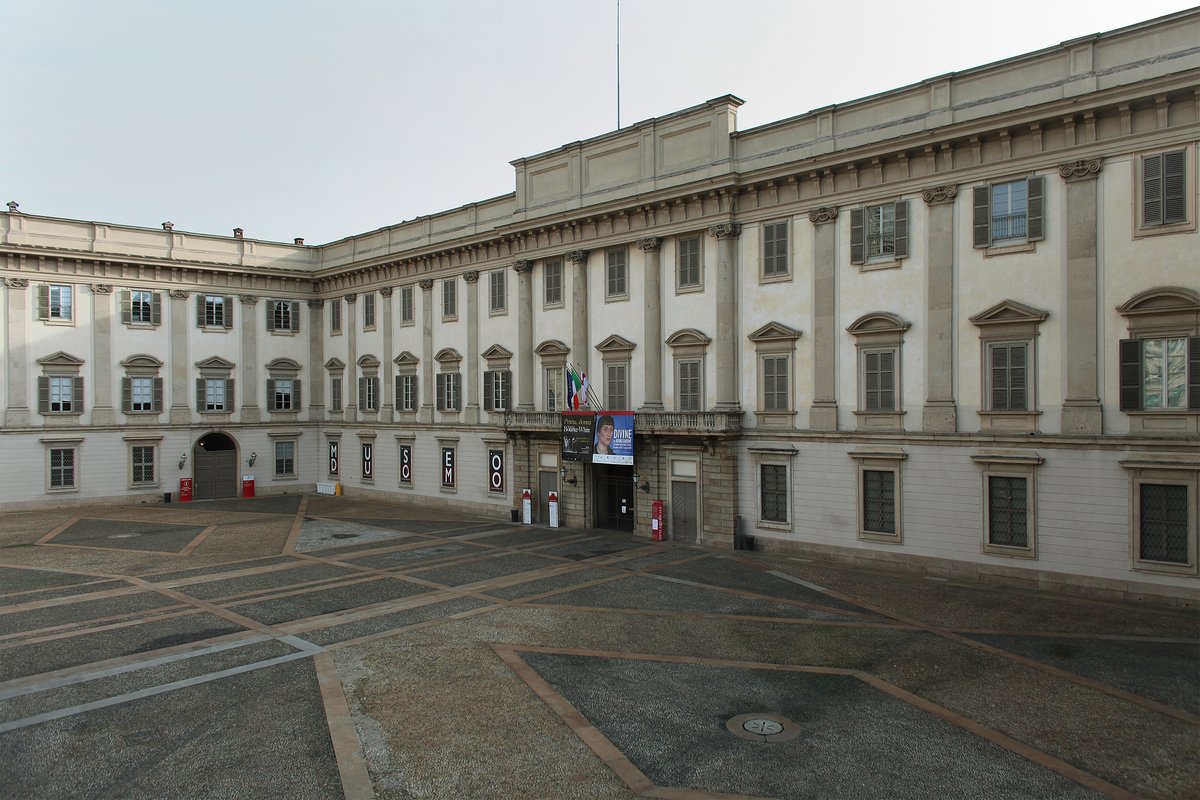 If you're looking for a place that encapsulates Milan's cultural essence, the Royal Palace is an unmissable stop. Located right next to the Duomo, in Piazza del Duomo, this historic building served for centuries as the center of political power, first as the city government seat and later as a royal residence. Today, it has become one of the city's main exhibition hubs, hosting high-level temporary exhibitions ranging from ancient to contemporary art. Its strategic location makes it easily accessible, and the view of the square from its entrance is a spectacle in itself. Inside, the restored halls preserve traces of the past, such as neoclassical frescoes and stuccos, creating an elegant and majestic atmosphere. The exhibitions organized here are often internationally renowned events, featuring works by artists of the caliber of Caravaggio, Monet, or Warhol, attracting visitors from around the world. If you're an art enthusiast, always check the schedule of current exhibitions: you might find a unique showcase that enriches your trip. Additionally, the palace frequently offers guided tours and educational activities, ideal for families or those wanting to delve deeper. Don't forget to admire the facade, which blends harmoniously with the surrounding architecture, bearing witness to centuries of Milanese history. In short, the Royal Palace is not just a museum but a vibrant cultural center that animates the heart of Milan.
Basilica of Sant'Ambrogio
- Go to the page: Basilica of Sant'Ambrogio: Golden Altar, Byzantine Mosaics, and Crypt with Sarcophagus
- Piazza Sant'Ambrogio, Milano (MI)
- https://www.basilicasantambrogio.it
- Open in Google Maps
- View on Google Images
- segreteria@basilicasantambrogio.it
- +39 02 86450895
 If you're looking for a place that tells the most ancient roots of Milan, the Basilica of Sant'Ambrogio is an unmissable stop. Founded in 379 AD by the city's patron saint, this basilica is one of the most important examples of Lombard Romanesque architecture and a symbol of millennial devotion. As soon as you cross the threshold, you're enveloped in an atmosphere of solemn tranquility, far from the frenzy of the city center. The interior houses unique treasures: the Sarcophagus of Stilicho, a masterpiece of 4th-century Paleochristian sculpture, and the famous Golden Altar of Volvinius, a 9th-century work in gold and precious stones that shines in the Chapel of San Vittore. Don't miss the Canons' Cloister, a peaceful corner with marble columns and decorated capitals, perfect for a moment of reflection. The basilica also houses the remains of Sant'Ambrogio, Sant'Gervasio, and Sant'Protasio, making it a pilgrimage site. The gabled façade, with its portico supported by ancient columns, and the Monks' Bell Tower, one of the oldest in Italy, complete a picture of rare historical beauty. It's recommended to visit during mass times to fully appreciate its spiritual dimension, but it's open year-round for tourists and the curious. Remember to dress appropriately, as it's an active place of worship.
Museum of the Twentieth Century
- Via Guglielmo Marconi 1, Milano (MI)
- https://www.museodelnovecento.org/it/
- Open in Google Maps
- View on Google Images
- c.museo900@comune.milano.it
- +390288444061
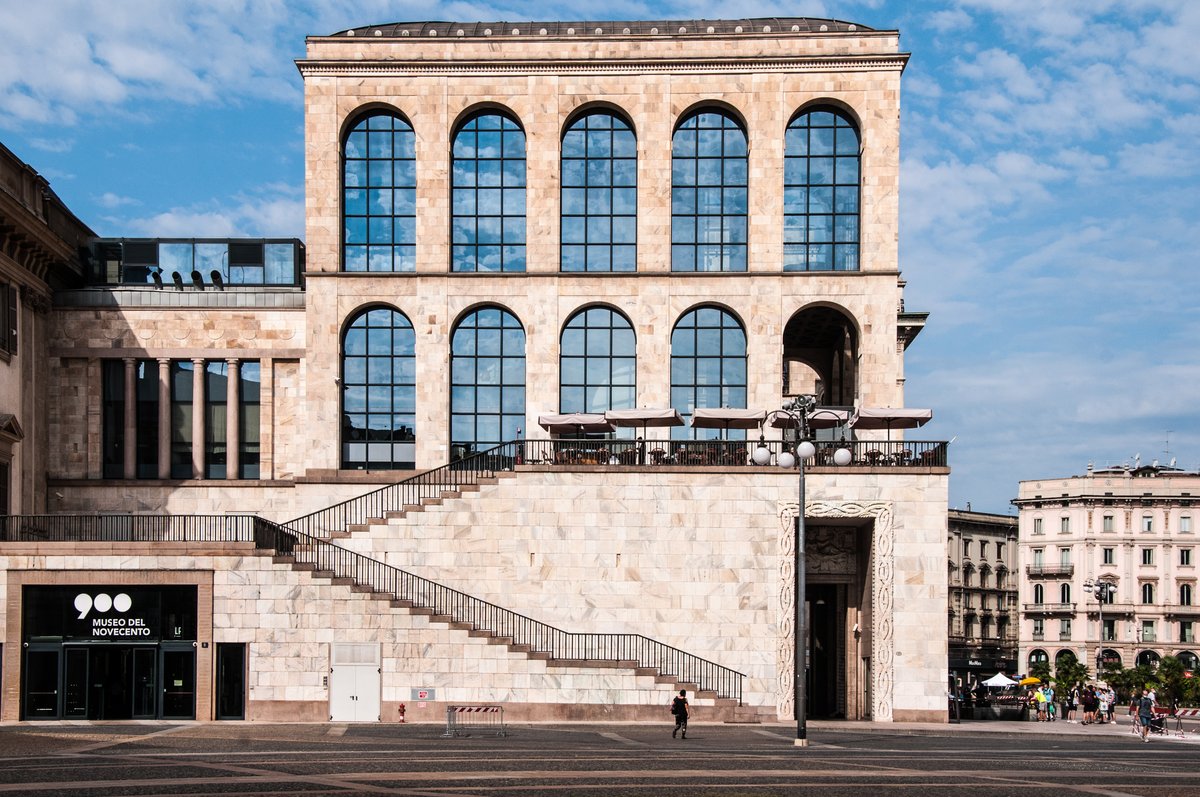 If you love modern art, the Museum of the Twentieth Century is an unmissable stop in Milan. Located in the Palazzo dell'Arengario in Piazza Duomo, this museum houses a permanent collection of over 400 works that trace the evolution of Italian art in the 20th century. The visit begins with a spectacular spiral staircase leading you through themed rooms, where you can admire masterpieces by artists like Umberto Boccioni, Giorgio de Chirico, and Lucio Fontana. Don't miss the section dedicated to Informal Art and contemporary installations, showcasing Milan as a creative crossroads. The real highlight? The panoramic terrace on the fourth floor, offering a unique view of the Duomo's spire and the square below—perfect for unforgettable photos. The museum is well-organized, with clear explanatory panels and a chronological path that smoothly guides you from the avant-garde movements to the 1980s. If you visit on a Sunday, remember that admission is free on the first Sunday of each month, but be prepared for possible queues. For a complete experience, set aside at least a couple of hours to explore the rooms and linger over iconic works, such as Boccioni's famous 'Unique Forms of Continuity in Space'. It's a place that combines culture and scenery, ideal for immersing yourself in Milan's artistic history without leaving the heart of the city.
National Museum of Science and Technology
- Via San Vittore, Milano (MI)
- https://www.museoscienza.org/it
- Open in Google Maps
- View on Google Images
- info@museoscienza.it
- +39 02 485551
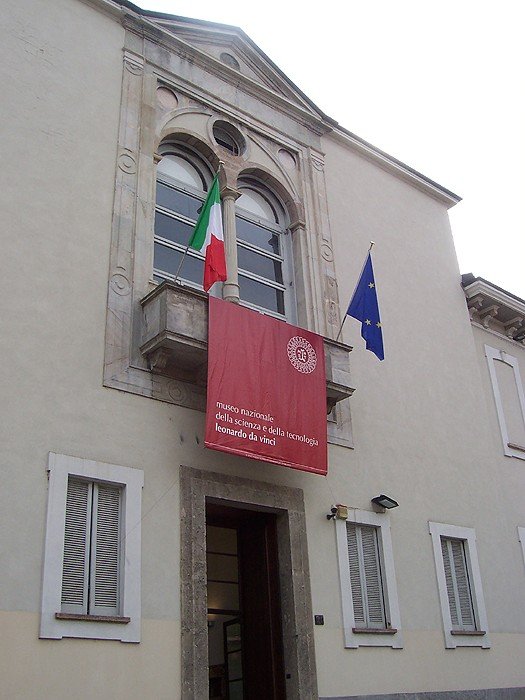 If you think Milan is only about fashion and design, the National Museum of Science and Technology will change your mind. Housed in a former 16th-century Olivetan monastery, this museum is the largest of its kind in Italy and offers an immersive experience in scientific and technological history. As you enter, you're greeted by the railway pavilion with historic locomotives, including the legendary GR 552 036, a jewel of Italian engineering. But it's the section dedicated to Leonardo da Vinci that truly takes your breath away: here you'll find working models of his machines, faithfully reconstructed from his codices, showcasing Renaissance genius in action. Don't miss the Space area, where you can admire the lunar Lunokhod 1 on loan from Russia, or the Enrico Toti submarine, which can be visited inside with a reservation, to discover what life was like underwater. The museum is designed for everyone: families with children can try their hand at interactive workshops in robotics or physics, while history enthusiasts will find unique artifacts like Volta's bowl or Schiaparelli's telescope. I recommend dedicating at least half a day, as the collections range from energy to materials, with constantly updated temporary exhibitions. It's a place where science becomes tangible, perfect for a cultural break between a stroll in the city center and a visit to the Duomo.
Sempione Park
- Milano (MI)
- Open in Google Maps
- View on Google Images
 If you're looking for a break from the city center's hustle and bustle, Sempione Park is the perfect spot. This large city park, designed in the 19th century, spans about 47 hectares behind the Sforza Castle, offering an ideal blend of nature, history, and culture. Strolling along its tree-lined avenues, you'll immediately notice the Arch of Peace, a neoclassical monument marking the park's northern entrance, once symbolizing peace after the Napoleonic Wars. At the park's heart, the artificial Lake with its small bridges and ducks adds a romantic touch, perfect for a peaceful break. Don't miss the Civic Aquarium, one of Europe's oldest, housing freshwater and marine species in an Art Nouveau building. For art lovers, the Padiglione d'Arte Contemporanea (PAC) features temporary exhibitions by modern artists. The park is also a gathering place for locals and tourists alike: you'll see people jogging, families playing on the grass, and students reading in the shade. In summer, it often hosts outdoor events and concerts. It's a versatile space: ideal for a picnic, a morning run, or simply admiring the view of Sforza Castle. Remember that entry is free, and the park is open year-round, with hours slightly varying between summer and winter.
Monumental Cemetery
 The Monumental Cemetery of Milan is not just a place of eternal rest, but a true open-air museum that tells the city's story through art and architecture. Inaugurated in 1866 based on a design by Carlo Maciachini, this space spanning over 250,000 square meters houses tombs and chapels of illustrious families, entrepreneurs, and artists who have shaped Milanese life. Strolling along its tree-lined avenues, you'll discover works by prominent sculptors and architects such as Adolfo Wildt, Medardo Rosso, and Giò Ponti, who transformed burials into masterpieces of Liberty, Neoclassical, and Symbolist styles. Don't miss the Famedio, the large central building that houses the remains of figures like Alessandro Manzoni and Carlo Cattaneo, or the evocative Upper Gallery with its allegorical statues. The cemetery is also a place of collective memory, with areas dedicated to war casualties and city benefactors. Admission is free, offering a quiet moment for reflection away from urban chaos—perfect for those seeking an unusual cultural experience deeply tied to Milan's identity. Remember to respect the sacred nature of the place by maintaining a discreet tone during your exploration.
Villa Necchi Campiglio
- Via Wolfgang Amadeus Mozart, Milano (MI)
- https://fondoambiente.it/luoghi/villa-necchi-campiglio
- Open in Google Maps
- View on Google Images
- fainecchi@fondoambiente.it
- +39 02 76340121
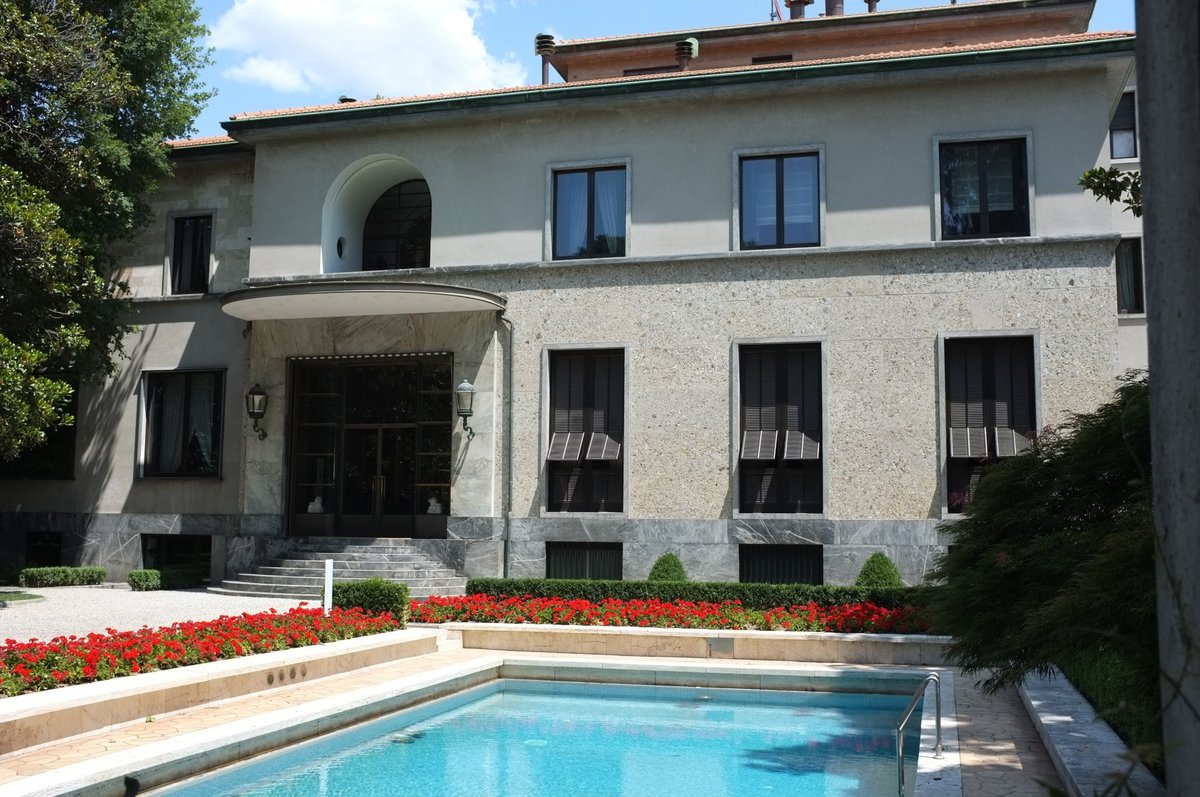 If you think Milan is just skyscrapers and traffic, Villa Necchi Campiglio will change your mind. Immerse yourself in an oasis of elegance and modernity in the heart of the city, just steps from the center yet far from the hustle and bustle. This villa, designed by architect Piero Portaluppi between 1932 and 1935 for the Necchi Campiglio family, is a masterpiece of Italian Rationalism that will leave you in awe. It's not just a museum, but a lived-in home where every detail tells a story. Upon entering, you're greeted by a bright atrium with marble floors and sinuous staircases that seem straight out of a film. The interiors are a blend of avant-garde design and comfort: living rooms with period furniture, a 1930s American-style kitchen (a rarity for the time), and marble-clad bathrooms that still look brand new. But the real eye-catcher is the garden: a green lung with a swimming pool, tennis court, and a greenhouse that now houses a café. It's the perfect spot for a refreshing break after exploring the Duomo or the Navigli. Villa Necchi Campiglio is managed by FAI (Fondo Ambiente Italiano), which opened it to the public after careful restoration. Here, you can also admire a collection of artworks, including paintings by De Chirico and Sironi, which enrich the spaces. I recommend visiting with a guide: you'll discover anecdotes about the Necchi family, entrepreneurs in the sewing machine industry, and how this villa was ahead of its time, featuring an elevator and central heating. It's an experience that combines history, art, and a touch of Milanese high-society life.
Galleries of Italy
- Piazza della Scala 6, Milano (MI)
- https://www.gallerieditalia.com/it/milano/
- Open in Google Maps
- View on Google Images
- info@gallerieditalia.com
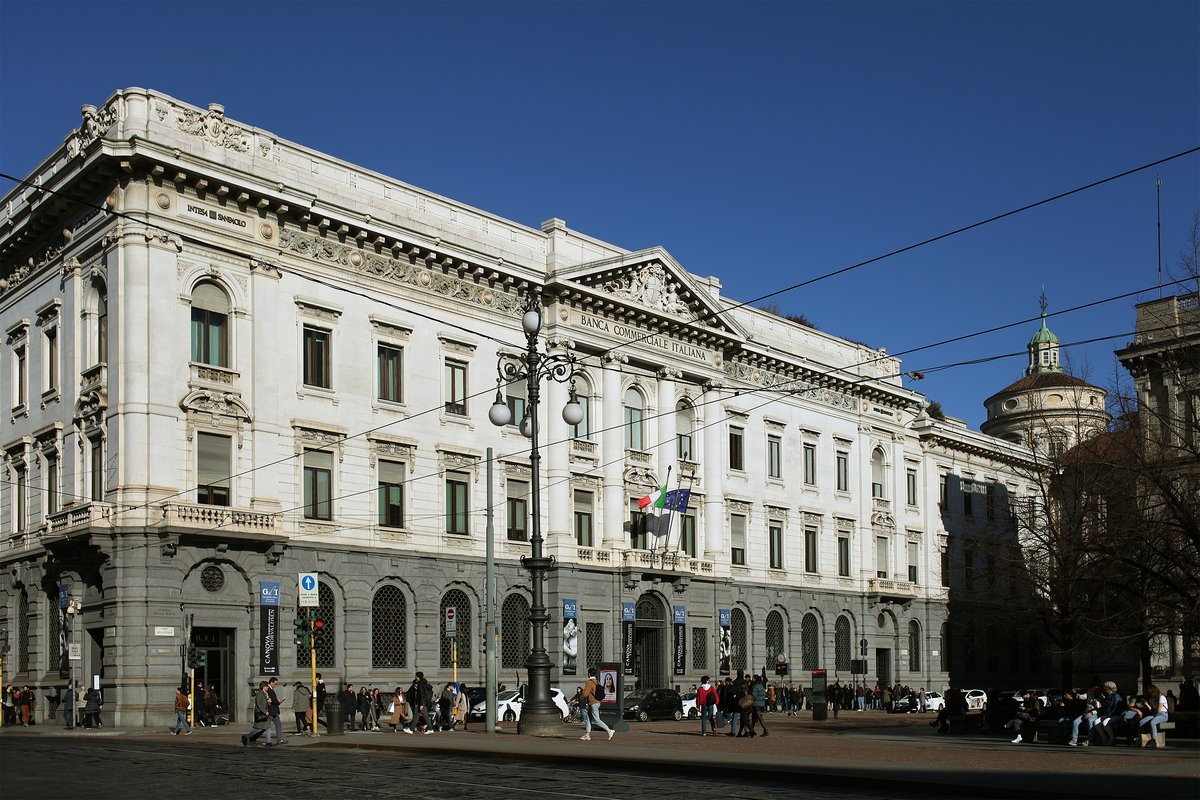 If you think Milan is only about fashion and design, the Galleries of Italy will change your mind in an instant. This museum complex, managed by Intesa Sanpaolo, is a true hidden gem in the heart of the city, occupying three historic palaces connected to each other: Palazzo Anguissola, Palazzo Brentani, and the majestic Palazzo Beltrami. Entering here means immersing yourself in a collection of Italian art ranging from Neoclassicism to the 20th century, with works by artists such as Francesco Hayez, Giovanni Boldini, and Umberto Boccioni. Don't miss Hayez's famous canvas, "The Kiss," which finds one of its most iconic versions here. The rooms themselves are works of art: frescoes, stuccoes, and monumental staircases accompany you on a journey that combines architectural beauty and pictorial masterpieces. In addition to the permanent collection, the Galleries often host high-level temporary exhibitions, enriching the cultural offering. Admission is free on the first weekend of every month, a great opportunity to discover this treasure without spending a euro. I recommend dedicating at least a couple of hours to explore all sections calmly, perhaps taking advantage of the available audio guide to delve deeper into the stories behind the works. It's a perfect place for art enthusiasts, but also for those seeking a cultural break away from the crowds of the Duomo.
Chiaravalle Abbey
- 4351_54906, Milano (MI)
- https://www.monasterochiaravalle.it/
- Open in Google Maps
- View on Google Images
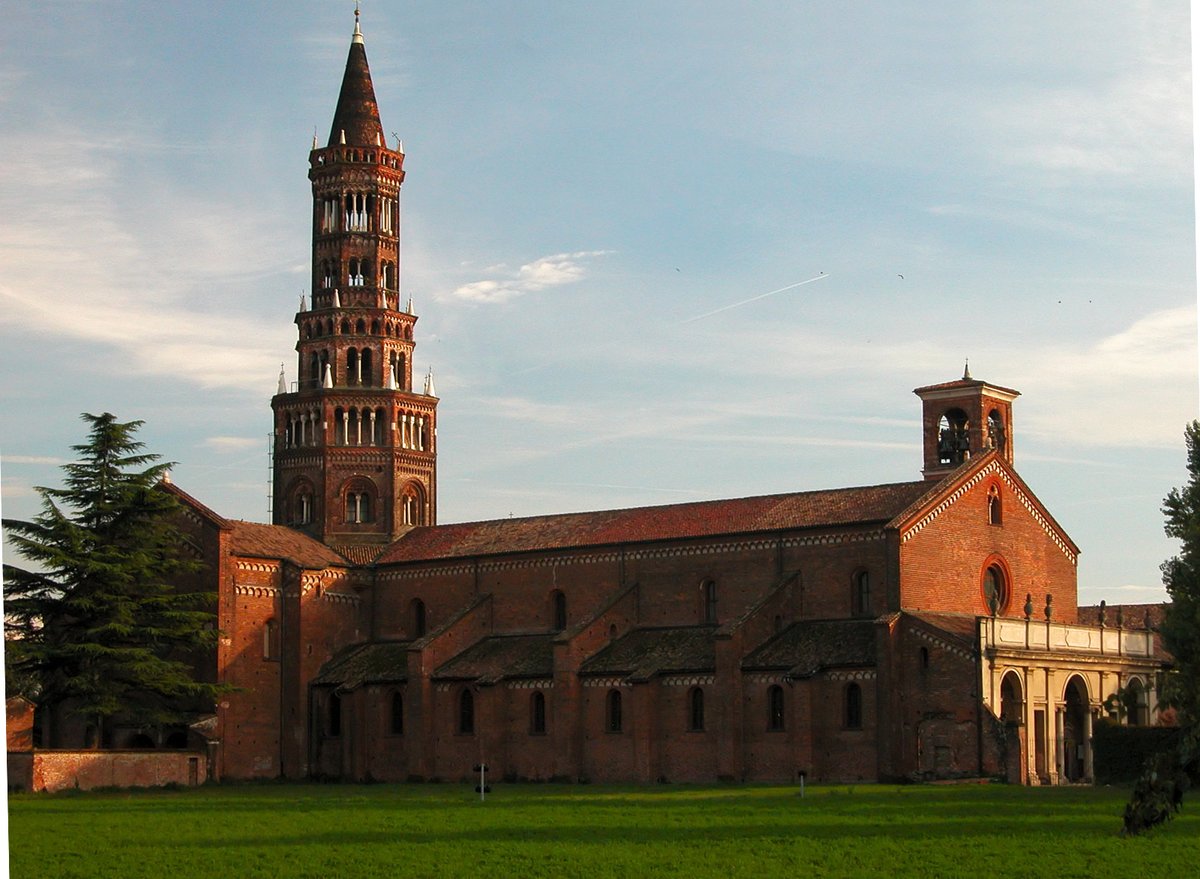 If you're looking for a break from the Milanese hustle and bustle, Chiaravalle Abbey is the perfect answer. Founded in 1135 by Saint Bernard of Clairvaux, this Cistercian complex is located in the southern outskirts of the city, easily reachable by car or public transport. Its Lombard Romanesque-Gothic architecture will immediately strike you, with the famous 'Ciribiciaccola', the elegant octagonal bell tower that rises above the church – a unique symbol of its kind. Inside, the atmosphere is one of contemplation: admire the 14th-century frescoes in the tiburium, the cloister with its lush garden, and the monks' refectory. The abbey is still active, hosting a community of Cistercian monks, and you can taste their products like honey or aged cheese in the attached shop. It's an ideal place for a half-day trip, suitable for families or those seeking a corner of spirituality and history without venturing too far. Remember to check the opening hours, as they may vary due to religious services.