
The Basilica of Sant’Apollinare Nuovo is a masterpiece of paleochristian and Byzantine art in the heart of Ravenna. Built by Theodoric in 505, it preserves the oldest mosaic cycle of the New Testament. The mosaics tell the story of Christianity between East and West.
5th and 6th century mosaics: admire the 26 Christological scenes and the processions of saints. Port of Classe and Theodoric’s Palace: unique views of the ancient city. Cumulative ticket: also visit San Vitale and other UNESCO monuments. Accessibility: ramps, tactile maps, and audioguides for all.
Events nearby

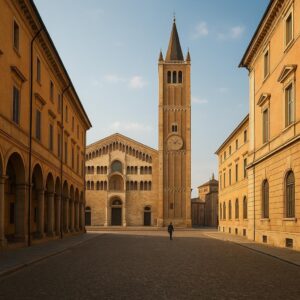
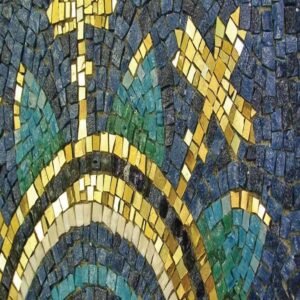

6th-century paleochristian mosaics, New Testament cycle, processions of saints, and views of Byzantine Ravenna: here’s what to see in the basilica built by Theodoric.
- Via San Giovanni Bosco, Ravenna (RA)
- Open in Google Maps
- View on Google Images Basilica di Sant’Apollinare Nuovo a Ravenna
Good to know
Introduction
Historical Background
- 493-526 AD – Theodoric builds the basilica for Arian worship.
- 561 AD – Conversion to Catholicism, dedication to St. Martin.
- 9th century – Relics of St. Apollinaris transferred, assumes current name.
- 1996 – Inscribed as UNESCO World Heritage site.
The Mosaics of the New Testament
Byzantine Vistas and Hidden Hands
Why Visit
When to Visit
Nearby
Itineraries nearby

💡 Did You Know…?
Curiosity: in the mosaic of Theodoric’s Palace, you can still glimpse hands and shapes removed after the Byzantine reconquest – a rare example of damnatio memoriae. Furthermore, the original floor lies 1.20 meters lower: walking here means treading on centuries of history. The relics of Saint Apollinaris were transferred here from Classe in the 9th century to protect them from pirates.