Basilica of Sant’Apollinare Nuovo: 6th-Century Byzantine Mosaics and Martyrs’ Processions

The Basilica of Sant’Apollinare Nuovo in Ravenna preserves 6th-century Byzantine mosaics in their original context, with processions of martyrs and virgins advancing toward the altar. The gold and blue colors create a unique atmosphere under the light streaming through the windows. Check the official website for opening hours to plan your visit.

  • 6th-century Byzantine mosaics with processions of 26 martyrs and 22 virgins
  • Depictions of Theodoric’s palace and the port of Classe in the upper mosaics
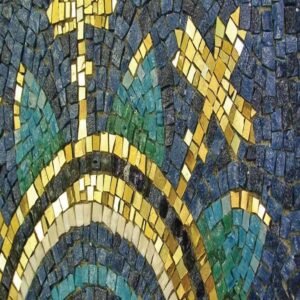
  • Brilliant gold and blue colors typical of Ravenna’s art
  • UNESCO World Heritage since 1996 as part of the Early Christian monuments


Events nearby


Copertina itinerario Basilica of Sant'Apollinare Nuovo: 6th-Century Byzantine Mosaics and Martyrs' Processions
6th-century basilica with UNESCO-listed Byzantine mosaics: processions of 26 martyrs and 22 virgins, depiction of Theodoric’s palace, golden light illuminating the walls. Practical guide for your visit.

Good to know


Introduction

Entering the Basilica of Sant’Apollinare Nuovo is a breathtaking experience. It’s not just a church, but a true book of stone and light where Byzantine mosaics tell thousand-year-old stories. The first thing that strikes you is that long procession of saints and martyrs that seems to accompany you toward the altar, with their golden robes shining even on the grayest days. The atmosphere is solemn yet welcoming, and you immediately realize you’re in a special place, one that UNESCO has rightly protected since 1996. Personally, I lost myself observing the details of the side mosaics: each face has a different expression, each cloak different folds. It’s as if the 6th-century artists wanted to stop time, and they succeeded brilliantly.

Historical Notes

This basilica has lived more lives than one can imagine. It was commissioned by the Gothic king Theodoric in the 6th century as the palatine chapel of his palace and was originally dedicated to Arian worship. Later, after the Byzantine reconquest, it was reconciled to Catholicism and dedicated to Saint Martin of Tours. It only acquired its current name in the 9th century when the relics of Saint Apollinaris were transferred here. The mosaics we see today are a palimpsest of this history: the oldest ones date back to Theodoric’s time, while others were added or modified in subsequent centuries. I have always been struck by how, despite the changes, the overall harmony has remained intact.

  • Early 6th century: construction by order of Theodoric
  • 6th-7th century: reconciliation to Catholicism and first dedication to Saint Martin
  • 9th century: transfer of the relics of Saint Apollinaris and name change
  • 1996: inclusion in the UNESCO list as part of the Early Christian monuments of Ravenna

The Procession of Martyrs and Virgins

One of the most fascinating aspects of the basilica are the two processions that adorn the side walls. On the left, 26 saintly martyrs in procession advance towards Christ, while on the right 22 holy virgins head towards the Madonna. They are not simple static figures: each has a name written above their head and carries a crown, and they seem to move with incredible grace. Their garments are a triumph of colors—purple, green, azure—but it’s the gold of the background that truly captures the light and transforms it into something almost divine. If you look closely, you’ll notice that each figure has slightly different proportions: some are more slender, others more compact. Perhaps they were the work of different artisans, or perhaps it was a deliberate choice to give dynamism to the scene. I like to think it’s the latter.

Theodoric’s Palace Hidden in the Mosaics

In the upper part of the nave, above the windows, there is a series of mosaics depicting Theodoric’s palace and the port of Classe. They may be less eye-catching than the processions below, but to me they are even more interesting because they show us what Ravenna was like in the 6th century. You can see buildings with colonnades, ships in the port, even figures that seem to be conversing with each other. It’s a snapshot of daily life from that era, rendered with almost photographic precision. That palace no longer exists, but here it is preserved forever in glass and stone tesserae. Sometimes I wonder if the artists actually had those buildings before them, or if they worked from imagination. In any case, the result is so vivid that you can almost hear the sound of the sea and the voices of the court.

Why Visit It

Visiting Sant’Apollinare Nuovo is worthwhile for at least three concrete reasons. First, it’s one of the few places in the world where you can see Byzantine mosaics in their original context, not detached and placed in a museum. Second, the arrangement of the mosaics is designed to create a visual path that naturally guides you toward the altar, an experience you feel especially if you pause for a few minutes in silence. Third, compared to other Ravenna monuments, there’s often less crowding here—especially during midday hours—so you can enjoy them more calmly. I’ve returned twice, and each time I noticed new details: a different leaf in a border, a particular expression on a face.

When to Go

The best time? The first winter afternoon, when the low-angled light streams through the windows and literally illuminates the golden mosaics. In summer, aim for the hottest hours: outside it’s scorching hot, but inside the basilica there’s a natural coolness that lets you linger without hurry. Avoid spring weekends if you don’t like crowds, as organized groups often arrive. I once went in November on a gloomy day, and I must say the mosaics seemed even more brilliant against the gray sky. Maybe because the contrast was greater, or perhaps the humidity in the air made the colors deeper. I don’t know, but the effect was magical.

In the Surroundings

After the basilica, I recommend two nearby thematic experiences. The first is the Mausoleum of Galla Placidia, just a few minutes’ walk away: here the mosaics are smaller but incredibly intense, with that starry sky that truly seems above you. The second is a stroll through Ravenna’s historic center, perhaps stopping at one of the shops selling mosaic reproductions—they’re not trivial souvenirs, but small works of art made with the same ancient techniques. If you have time, also seek out the Domus dei Tappeti di Pietra: it’s an underground archaeological site with mosaic floors from the Roman era, less known but fascinating.

Itineraries nearby


💡 Did You Know…?

A detail that makes the visit even more fascinating concerns the original mosaics on the right wall. After the Byzantine reconquest of Ravenna, some figures were modified: the hands of Theodoric and his court were covered with curtains, transforming the Ostrogothic dignitaries into anonymous courtiers. Observe carefully: you might notice the stylistic differences between the original parts and the restored sections. Additionally, the basilica preserves one of the oldest cylindrical bell towers in the city, dating back to the 9th-10th century, which still towers over Ravenna’s skyline.