A Dive into Ancient Brundisium
As soon as you step through the entrance of the F. Ribezzo Provincial Archaeological Museum, you immediately realize this isn’t your typical dusty museum. You’re greeted by a bright, modern atmosphere, with those shiny floors reflecting the display cases. The real eye-opener comes with the Punta del Serrone Bronzes, two Roman statues from the 1st century BC recovered from the sea in 1992. They seem almost alive, with those incredibly preserved details after two thousand years underwater. Then there are the mosaics—not fragments, but entire Roman floors with geometric and figurative patterns that make you imagine the domus they were part of. The feeling is literally walking on Brindisi’s history, a city that for centuries was Rome’s gateway to the East. Personally, I was struck by how everything is organized clearly: you don’t need to be an archaeologist to appreciate these treasures.
From the Messapians to the Present Day
The museum tells a long story that begins well before the Romans.
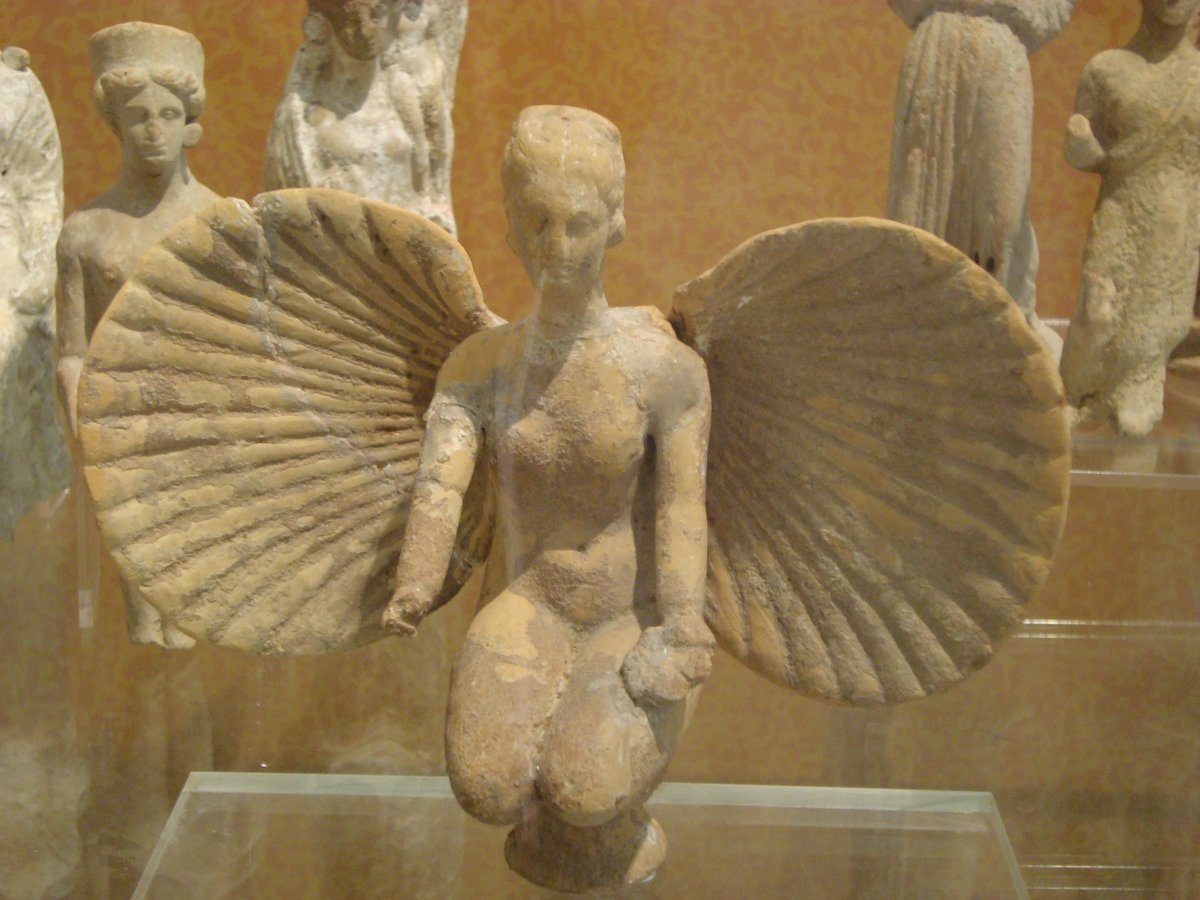
The Messapian section is essential: here you discover that Brindisi already existed in the 7th century BC, with its own language and culture. Then came the Romans, who made it the terminus of the Via Appia and Via Traiana. Many of the artifacts on display come from urban excavations—imagine that some mosaics were found during renovation work in the city center! The collection has been formed over time, combining chance discoveries with systematic excavations.
The name ‘Ribezzo’ honors the archaeologist who directed the museum for decades, contributing to making it what it is today. The timeline below gives you an idea of the key moments:
- 7th century BC: first Messapian settlements
- 267 BC: Brindisi becomes a Roman colony
- 2nd century AD: period of greatest splendor as an imperial port
- 1954: inauguration of the museum in its current location
- 1992: discovery of the Punta del Serrone Bronzes
The Bronzes That Returned from the Sea
I have to tell you: the Punta del Serrone Bronzes are the absolute highlight. They are two male bronze statues about one and a half meters tall, discovered by chance by a diver in the stretch of sea opposite the location from which they take their name. They likely represent two members of the Roman imperial family, perhaps Drusus the Younger and Germanicus. What leaves you speechless is their state of preservation: after two thousand years at the bottom of the sea, they retain surprising details like the folds of their togas, the curls of their hair, even the expressions on their faces. The restoration was long and complex, lasting years, to remove layers of marine concretion without damaging the metal. Observing them up close, you notice traces of the original gilding—a luxury that underscores the importance of the depicted figures. They are not replicas: they are the originals, and seeing them so close up makes quite an impression.
Mosaics That Tell Stories
While the bronzes steal the show, the mosaics deserve a slow and attentive visit. They are not displayed as mere artifacts, but reconstructed in sections that show entire portions of flooring. What struck me most is the mosaic with hunting scenes: tiny tesserae form dogs, deer, and hunters in motion, with a liveliness you wouldn’t expect from a floor. There are also geometric mosaics of extraordinary precision, with meander, swastika, and diamond patterns that look as if they were designed yesterday. Some come from Roman villas in the area, others from public buildings in the ancient center of Brindisi. Looking closely, you notice differences in style and quality: some are more refined, others simpler, depending on the wealth of the patron. I like to think that walking through Brindisi, beneath the modern asphalt, there are still square meters of these artworks.
Three Reasons Not to Miss It
First: it’s a human-scale museum that doesn’t overwhelm you. In a couple of hours, you can see the essentials without the fatigue of mega-museums. Second: the collection is closely tied to the local area. These aren’t artifacts gathered from who-knows-where; everything comes from Brindisi and its surroundings, so you truly understand the local history. Third: the layout is modern and clear, with explanatory panels that inform without being boring. There’s also a section dedicated to the ancient port, with anchors, amphorae, and nautical tools that help you understand why Brindisi was so important. A bonus: there are often interesting temporary exhibitions, perhaps on specific themes of Apulian archaeology. In short, it’s not just a cultural duty—it’s a pleasant experience that completes your visit to the city.
The Right Time for Magic
I’ll tell you the truth: late afternoon is perfect, especially if there’s the strong sunshine typical of Brindisi. You enter the coolness of the halls after wandering the city, and that cultural break becomes a refreshing pause too. The light filtering through the high windows creates interesting plays on the display cases. Avoid heavy rainy days if you can: not because of the museum itself, but because afterwards you’ll want to go out and see the places where the artifacts come from. Off-season periods are ideal: fewer groups, more tranquility to observe calmly. Once I went on a Saturday early morning and it was deserted – I almost had the impression the bronzes were waiting just for me. But even with some people around, the spaces are sufficient so you don’t feel crowded.
Complete the Archaeological Experience
After leaving the museum, take a short stroll to the Roman Columns on the waterfront. These are the remains of an ancient monument marking the end of the Appian Way, giving you a tangible sense of how impressive Roman Brindisi was. Then, if archaeology fascinates you, in the historic center, look for the remains of the ancient port and Roman baths – they’re scattered, but with your eye trained by the museum, you’ll recognize them. For a different but related experience, there’s the Maritime Museum that tells the city’s naval history. Or simply wander through the center’s streets with newfound awareness: that pavement might hide a mosaic, that wall could be two thousand years old. Brindisi is layered, and the museum has given you the key to read it.