A Museum Steeped in Antiquity
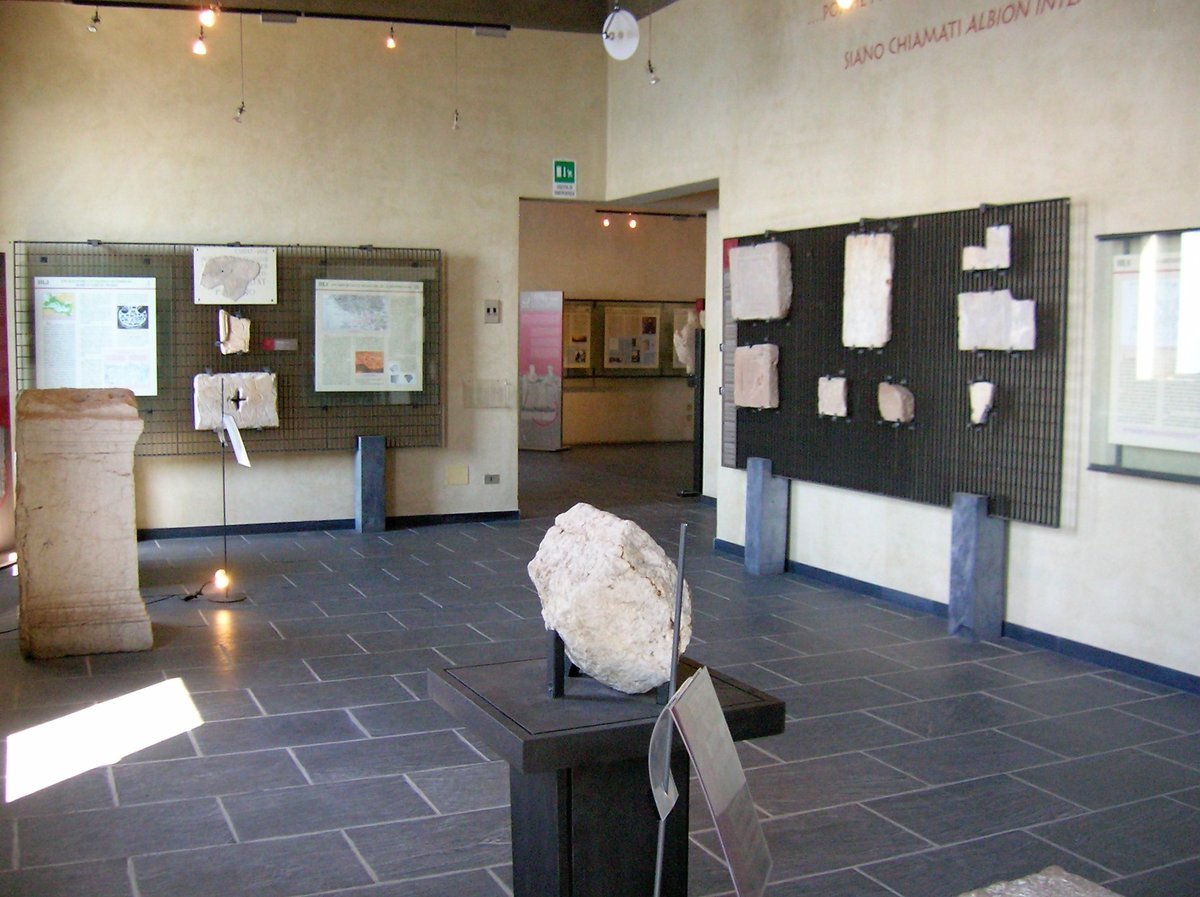
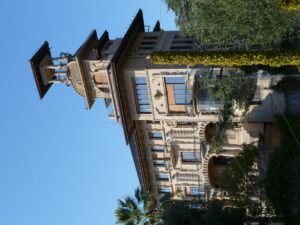
Stepping into the National Archaeological Museum of Ventimiglia is like taking a leap back in time. Housed in an elegant historic palazzo in the city center, the museum hosts a collection that spans millennia: from prehistory to the Roman era. The highlight? The famous bronzes recovered from the Roman ship of Albenga, a unique treasure. But that’s not all: amphorae, coins, statues, and everyday artifacts tell the story of those who lived in these lands. The layout is modern and well-maintained, with clear captions guiding the visitor. Personally, I was struck by the variety: from stone tools to refined jewelry. A place that surprises, also for its intimate atmosphere, far from the beaten tourist paths. Admission costs a few euros—a bargain for the wealth on display.
From Prehistory to the Romans
The museum was established in 1967, but its collections have distant roots.
The history of the artifacts begins with the first Ligurian communities that populated the area as early as the Paleolithic. Then, with the founding of Albium Intemelium (ancient Ventimiglia) in Roman times, the city became an important commercial center. The highlight is the 1950 discovery of the bronzes from the Roman ship of Albenga, a cargo of bronze statues and objects lying on the seabed.
An event that marked Italian underwater archaeology. Here is a timeline:
- Prehistory: first human evidence (Paleolithic)
- 2nd century BC: Romanization of Liguria
- 1st century BC-1st century AD: peak of Albium Intemelium
- 1950: recovery of the Albenga bronzes
- 1967: museum opening
The Bronzes of Albenga: A Submerged Treasure
If there’s a reason to visit this museum, it’s the Bronzes of Albenga. This is an exceptional haul: statues of deities, herms, candelabras, and everyday objects. Recovered from a Roman ship that sank in the 1st century BC, these artifacts are displayed in a dedicated room with lighting effects that highlight their details. The statue of Aphrodite is the most famous, but even the foot of a colossal statue is breathtaking. The tour is enriched with panels explaining underwater recovery techniques. A true dive into the history of Roman maritime trade. Don’t miss the video showing the excavation operations: it’s fascinating to see how divers work on the seabed.
From Paleolithic Hunters to the Ligurians
Before the Romans, Liguria was already inhabited. The museum dedicates a section to prehistory with flint tools, animal bones, and rock carvings. The reconstruction of an Iron Age cist tomb is impressive. Ligurian artifacts reveal a warrior culture, but also a refined one, with bronze jewelry and decorated pottery. The funerary goods from the Ventimiglia necropolis are among the most complete. Personally, I appreciated the variety: each case tells a piece of daily life, from oil lamps to buckles. An invitation to imagine how life was here millennia ago. Don’t miss the cast of a prehistoric animal footprint, a detail that piques the curiosity of both adults and children.
Three Good Reasons to Step Inside
First: the bronzes of Albenga are unique, you won’t find them anywhere else. Second: the museum is in the center, easy to reach, and the visit is short but intense (just an hour is enough). Third: it’s an excellent introduction to the history of Liguria, perfect for archaeology lovers but also for curious families. Plus, its location allows you to combine the visit with a stroll through the historic streets of Ventimiglia. A chance to discover a city often overlooked by tourists. And the cost is minimal: for less than a coffee a day, you take home an authentic cultural experience.
The Best Time to Visit
The museum is indoors, so it’s fine all year round, but if you want to avoid the crowds, choose a weekday in spring or autumn. Personally, I love visiting in the late afternoon, when the low light filters through the windows and illuminates the bronzes. In summer, better to go early in the morning and then enjoy the seafront. Avoid August weekends, when Ventimiglia is overrun by tourists. And if you can, check for special openings during FAI days or Museum Night. In winter, the museum is often nearly empty: an intimate and quiet atmosphere.
What to See Near the Museum
Just a stone’s throw from the museum, don’t miss the Cathedral of Santa Maria Assunta, with its beautiful Romanesque bell tower. And if you have time, head down to the sea to visit the Nervia archaeological area, where you’ll find the remains of a Roman village and a theater. For the more adventurous, a trip to the Balzi Rossi, famous prehistoric caves, is a must. Each location is connected by short drives or bus rides. A complete archaeological itinerary that will take you from the Paleolithic caves to the museum, passing through the historic center. Don’t forget to taste Ligurian focaccia at one of the bakeries in town.