Founded in 1884 and dedicated to archaeologist Francesco Ribezzo, this museum tells the story of Brindisi through unique artifacts. From Messapic ceramics to underwater bronzes, each room offers a dive into the past. Ideal for history and archaeology enthusiasts.
– Collection of Messapic trozzella vases, among the richest in Salento.
– The famous Bronzes of Punta del Serrone: statues and fragments from Roman times.
– Epigraphic section with inscriptions in Latin, Greek, and Hebrew.
– Roman Labyrinth Mosaic featuring Theseus and the Minotaur.
A Dive into the Past Among Bronzes and Ceramics
As soon as you cross the portico of the Knights Templar, you immediately feel the weight of history. The Archaeological Museum F. Ribezzo is a place that surprises you: you don’t expect it to be so rich. From the famous Bronzes of Punta del Serrone – Roman statues recovered from the sea – to decorated Messapian vases, every room tells a piece of Brindisi. The light filtering through the columns illuminates artifacts ranging from prehistory to the Roman age. It’s a journey that captivates you, among inscriptions and headless statues, and makes you understand why this city was so important.
A Dive into the Past Among Bronzes and Ceramics
As soon as you cross the portico of the Knights Templar, you immediately feel the weight of history. The Archaeological Museum F. Ribezzo is a place that surprises you: you don’t expect it to be so rich. From the famous Bronzes of Punta del Serrone – Roman statues recovered from the sea – to decorated Messapian vases, every room tells a piece of Brindisi. The light filtering through the columns illuminates artifacts ranging from prehistory to the Roman age. It’s a journey that captivates you, among inscriptions and headless statues, and makes you understand why this city was so important.
Historical Overview
The museum was founded in 1884 in the church of San Giovanni al Sepolcro, thanks to the canon Giovanni Tarantini. It soon became too small, and in 1958 it opened its current location, obtained from the ancient hospital near the Duomo. Named after archaeologist Francesco Ribezzo, it was enriched in 1992 with the Bronzes of Punta del Serrone, a cargo of shipwrecked statues. In 2009 it was renovated, expanding the exhibition spaces. The timeline speaks for itself:
Historical Overview
The museum was founded in 1884 in the church of San Giovanni al Sepolcro, thanks to the canon Giovanni Tarantini. It soon became too small, and in 1958 it opened its current location, obtained from the ancient hospital near the Duomo. Named after archaeologist Francesco Ribezzo, it was enriched in 1992 with the Bronzes of Punta del Serrone, a cargo of shipwrecked statues. In 2009 it was renovated, expanding the exhibition spaces. The timeline speaks for itself:
- 1884: establishment of the Civic Museum
- 1958: inauguration of the new headquarters
- 1992: discovery of the Bronzes of Punta del Serrone
- 2009: reopening after restoration work
- 1884: establishment of the Civic Museum
- 1958: inauguration of the new headquarters
- 1992: discovery of the Bronzes of Punta del Serrone
- 2009: reopening after restoration work
The Bronzes of Punta del Serrone: A Treasure from the Sea
The underwater section is the beating heart of the museum. The Bronzes of Punta del Serrone were recovered in 1992 400 meters from shore, at a depth of 16 meters. Over 200 fragments of bronze statues, likely the cargo of a ship headed to a foundry. Among the restored pieces, the statue of Lucius Aemilius Paulus, a Roman consul, and two heads of philosophers from the 4th-3rd century BC stand out. The setup is evocative: anchors, amphorae, and an aquarium recreate the marine environment. It’s moving to think that these bronzes traveled for centuries underwater.
The Bronzes of Punta del Serrone: A Treasure from the Sea
The underwater section is the beating heart of the museum. The Bronzes of Punta del Serrone were recovered in 1992 400 meters from shore, at a depth of 16 meters. Over 200 fragments of bronze statues, likely the cargo of a ship headed to a foundry. Among the restored pieces, the statue of Lucius Aemilius Paulus, a Roman consul, and two heads of philosophers from the 4th-3rd century BC stand out. The setup is evocative: anchors, amphorae, and an aquarium recreate the marine environment. It’s moving to think that these bronzes traveled for centuries underwater.
The Charm of Messapic Vases
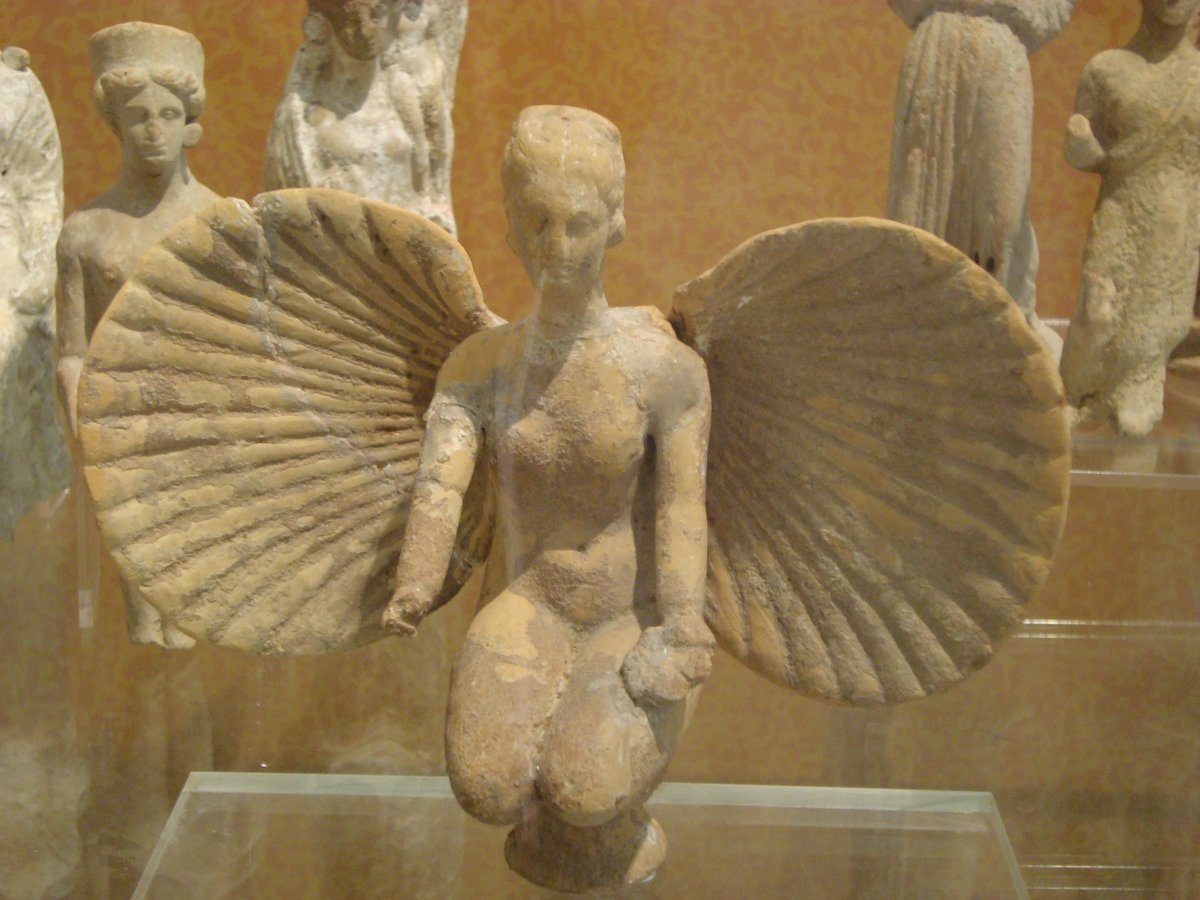
One of the richest collections is that of trozzella vases, typical of the Messapic civilization (7th-2nd century BC). These vases with wheel-shaped handles are decorated with geometric and plant motifs, often coming from tombs. The museum also displays Attic and Apulian red-figure pottery, such as the krater of the Painter of Hephaestus with a Dionysian scene. A gold leaf with a Greek inscription from the 5th century BC is another gem. The prehistoric section completes the picture, with finds from Ceglie Messapico and Oria.
The Charm of Messapic Vases
One of the richest collections is that of trozzella vases, typical of the Messapic civilization (7th-2nd century BC). These vases with wheel-shaped handles are decorated with geometric and plant motifs, often coming from tombs. The museum also displays Attic and Apulian red-figure pottery, such as the krater of the Painter of Hephaestus with a Dionysian scene. A gold leaf with a Greek inscription from the 5th century BC is another gem. The prehistoric section completes the picture, with finds from Ceglie Messapico and Oria.
Why Visit It
Three reasons? First: the Bronzes of Punta del Serrone are unique in Apulia, an underwater find with no comparison. Second: the Messapic collection is among the most complete, with vases you won’t see elsewhere. Third: the Labyrinth mosaic with Theseus and the Minotaur is a little-known masterpiece. And it’s free (or almost), so no excuse to skip it.
Why Visit It
Three reasons? First: the Bronzes of Punta del Serrone are unique in Apulia, an underwater find with no comparison. Second: the Messapic collection is among the most complete, with vases you won’t see elsewhere. Third: the Labyrinth mosaic with Theseus and the Minotaur is a little-known masterpiece. And it’s free (or almost), so no excuse to skip it.
When to Go
The best time? I’d say before lunch, when the light filters softly under the portico and the rooms are emptier. Avoid Monday because it’s closed. If you come in autumn or spring, you’ll enjoy perfect temperatures for a stroll in the historic center after your visit. In summer, the coolness of the basement floor is a welcome bonus.
When to Go
The best time? I’d say before lunch, when the light filters softly under the portico and the rooms are emptier. Avoid Monday because it’s closed. If you come in autumn or spring, you’ll enjoy perfect temperatures for a stroll in the historic center after your visit. In summer, the coolness of the basement floor is a welcome bonus.
Nearby
The museum is in Piazza Duomo, so take the opportunity to visit Brindisi Cathedral (with its beautiful mosaic floor) and the nearby Old Port, where you can see the Monument to the Italian Sailor. If you have time, stop by Swabian Castle (now the headquarters of the Italian Navy, but visitable by reservation). A walk along the seafront ends perfectly.
Nearby
The museum is in Piazza Duomo, so take the opportunity to visit Brindisi Cathedral (with its beautiful mosaic floor) and the nearby Old Port, where you can see the Monument to the Italian Sailor. If you have time, stop by Swabian Castle (now the headquarters of the Italian Navy, but visitable by reservation). A walk along the seafront ends perfectly.