
🧭 What to Expect
- Ideal for history, archaeology, and architecture enthusiasts.
- Highlights: Royal Palace of Caserta and Campanian Amphitheatre, but also villages and lesser-known sites.
- Recommendation: dedicate at least one day to the Royal Palace alone, then explore the rest.
- Activities: guided tours available at major sites.
- Recommended duration: 2-3 days for a complete taste.
The Province of Caserta is much more than the famous Royal Palace, a UNESCO World Heritage site. This guide takes you to discover a territory rich in history, from the splendors of ancient Capua with its Campanian Amphitheatre, second in size only to the Colosseum, to the Roman traces scattered around Teano and Sessa Aurunca. There are also medieval villages like Casertavecchia and Piedimonte Matese, and unique archaeological sites such as the Mithraeum and the Conocchia. Each stop has been selected to give you an authentic taste of the province, away from the beaten path. You will also discover the fossil footprints of the Ciampate del Diavolo and the Bourbon residences like the Royal Palace of Carditello. With tips on how to get around and what not to miss, this guide will help you experience the complete province of Caserta.
Overview
- The Royal Palace of Caserta: a timeless masterpiece
- The Royal Palace of Caserta: a timeless masterpiece
- Campanian Amphitheater: Italy's Second Largest Amphitheater
- Casertavecchia: A Leap into the Middle Ages Steps from the Royal Palace
- Casertavecchia: A Leap into the Middle Ages Steps from the Royal Palace
- Carditello Royal Palace: History and Charm of a Bourbon Delight
- Archaeological Museum of Ancient Capua: A Dive into History
- Mithraeum of Santa Maria Capua Vetere
- Arch of Hadrian: The Monumental Entrance to Ancient Capua
- Roman Theatre of Teano: Italy's Oldest Vaulted Theatre
- Roman Theatre of Sessa Aurunca
- Borgo San Giovanni: The Medieval Heart of Piedimonte Matese
- Ducal Castle of Sessa Aurunca: History and New Archaeological Museum
- Mausoleo della Conocchia: A Roman Gem Along the Appian Way
- The Roman Cryptoporticus of Alife
- Roman Amphitheatre of Alife: Campania's Miniature Colosseum
- The Devil's Footprints: Europe's Oldest Prehistoric Trail
Itineraries nearby

The Royal Palace of Caserta: a timeless masterpiece
- Go to the page: Royal Palace of Caserta: Italy's Must-See Versailles
- Viale Giulio Douhet, Caserta (CE)
- https://www.reggiadicaserta.beniculturali.it/
- Open in Google Maps
- View on Google Images
- +39 082 3448084
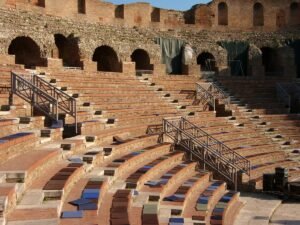
 The Royal Palace of Caserta is more than just a palace: it's a breathtaking experience. Designed by Luigi Vanvitelli for Charles of Bourbon in 1752, it is the largest royal residence in the world by volume, with 1,200 rooms, 34 staircases, and 1,742 windows. As soon as you enter, the Grand Staircase in white Carrara marble leads you to the Royal Apartments, where the Throne Room (completed in 1845) and the Hall of Alexander stand out, with frescoes depicting myths and history. Don't miss the Court Theater, a horseshoe-shaped gem with decorated boxes, and the Palatine Chapel, heavily damaged by the bombings of 1943 but still evocative. The Royal Park is another world: 120 hectares of greenery, with the 3 km long Water Way culminating in the spectacular Fountain of Diana and Actaeon, 78 meters high. If you love nature, the English Garden (23 hectares) will surprise you with exotic plants and a pond with Roman statues. Fun fact: movies like Star Wars and Mission: Impossible were filmed here. For your visit, note that it is closed on Tuesdays, and you'll need at least 4-5 hours. Wear comfortable shoes and bring water; if you arrive by train, it's a 10-minute walk from the station. The full-price ticket is €19, but the first Sunday of the month is free.
The Royal Palace of Caserta: a timeless masterpiece
- Go to the page: Caserta Palace: 1,200 rooms, 3 km park, and Bourbon royal apartments
- Viale Giulio Douhet, Caserta (CE)
- https://www.reggiadicaserta.beniculturali.it/
- Open in Google Maps
- View on Google Images
- +39 082 3448084
The Royal Palace of Caserta is more than just a palace: it's a breathtaking experience. Designed by Luigi Vanvitelli for Charles of Bourbon in 1752, it is the largest royal residence in the world by volume, with 1,200 rooms, 34 staircases, and 1,742 windows. As soon as you enter, the Grand Staircase in white Carrara marble leads you to the Royal Apartments, where the Throne Room (completed in 1845) and the Hall of Alexander stand out, with frescoes depicting myths and history. Don't miss the Court Theater, a horseshoe-shaped gem with decorated boxes, and the Palatine Chapel, heavily damaged by the bombings of 1943 but still evocative. The Royal Park is another world: 120 hectares of greenery, with the 3 km long Water Way culminating in the spectacular Fountain of Diana and Actaeon, 78 meters high. If you love nature, the English Garden (23 hectares) will surprise you with exotic plants and a pond with Roman statues. Fun fact: movies like Star Wars and Mission: Impossible were filmed here. For your visit, note that it is closed on Tuesdays, and you'll need at least 4-5 hours. Wear comfortable shoes and bring water; if you arrive by train, it's a 10-minute walk from the station. The full-price ticket is €19, but the first Sunday of the month is free.Campanian Amphitheater: Italy's Second Largest Amphitheater
- Via Anfiteatro Flavio, Santa Maria Capua Vetere (CE)
- http://www.polomusealecampania.beniculturali.it/index.php/l-anfiteatro
- Open in Google Maps
- View on Google Images
- pm-cam.museoanticacapua@beniculturali.it
- +39 0823 844206
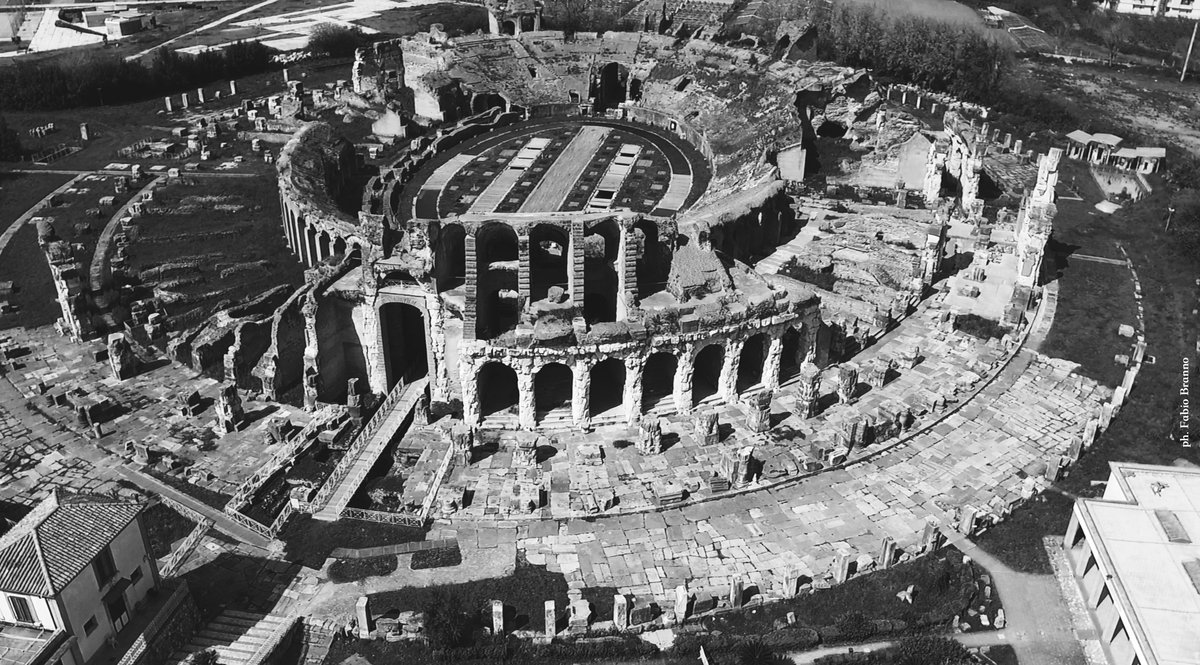 The Campanian Amphitheater is a must-see stop for anyone visiting Santa Maria Capua Vetere. If you think the Colosseum is the only great Roman amphitheater, this one will amaze you: it's the second largest, with its 170 meters in length and a capacity of up to 60,000 spectators. Built between the end of the 1st and the beginning of the 2nd century AD, it is thought to have been the model for the Colosseum itself. Strolling among the arches and underground passages, you can almost hear the echo of gladiators: here was the most famous gladiatorial school, the one from which Spartacus escaped in 73 BC, sparking the revolt. Today, you can visit the arena and the underground, a maze of corridors and rooms where the spectacles were prepared. The façade, unfortunately largely disappeared, was decorated with busts of deities like Diana and Juno, some still visible in nearby museums. Don't miss the attached Gladiator Museum, with artifacts and a scenic reconstruction. Admission is cheap (€2.50) and also includes the Mithraeum, an underground temple dedicated to the god Mithras, and the Archaeological Museum of Ancient Capua. The site is open from Tuesday to Sunday, closed on Mondays. Wear comfortable shoes because the floor is dirt and the underground is evocative but damp. In total, allow at least a couple of hours. A tip: go early in the morning to enjoy the atmosphere without too many crowds.
Casertavecchia: A Leap into the Middle Ages Steps from the Royal Palace
- Go to the page: Casertavecchia: Norman Cathedral from 1129 and Medieval Alleys on the Tifatini Mountains
- Via Erchemperto, Caserta (CE)
- Open in Google Maps
- View on Google Images
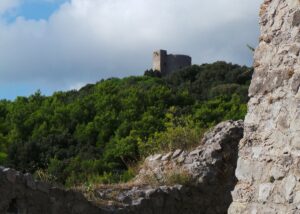
 Casertavecchia is the quintessential medieval village that makes you forget you're just a few kilometers from the city. Perched on Monte Virgo at 400 meters altitude, it offers an atmosphere suspended between history and legend. The heart is Piazza Vescovado, where the Duomo di San Michele Arcangelo stands, built between 1113 and 1153. Romanesque style with Arab-Norman influences, tufa façade, and three carved portals: inside, monolithic columns from Roman times and a mosaic floor from 1213. Next to it, the bell tower from 1234, 32 meters high with decorated mullioned windows. A bit higher, the ruins of the Norman castle (9th century): the 30-meter tower remains, among the tallest in Europe, offering a spectacular view of the plain and, with the right light, of Vesuvius. Get lost in the cobblestone alleys: the Church of the Annunziata (13th century) with its rose window, the House of the Mullioned Windows, and the legend of the Spiritello, a terracotta goblin to which you entrust a wish. Entrance to the village and cathedral is free. You can reach it by bus from Caserta (line 103, 40 minutes) or by car: paid parking costs €2 per day, but many restaurants offer it free to customers. The cuisine? Buffalo mozzarella, homemade pasta, and Falerno wines. Come in spring or autumn, when the village is quieter and the climate perfect for a walk.
Casertavecchia: A Leap into the Middle Ages Steps from the Royal Palace
- Go to the page: Casertavecchia: Medieval Village Steeped in History and Flavors
- Via Erchemperto, Caserta (CE)
- Open in Google Maps
- View on Google Images
Casertavecchia is the quintessential medieval village that makes you forget you're just a few kilometers from the city. Perched on Monte Virgo at 400 meters altitude, it offers an atmosphere suspended between history and legend. The heart is Piazza Vescovado, where the Duomo di San Michele Arcangelo stands, built between 1113 and 1153. Romanesque style with Arab-Norman influences, tufa façade, and three carved portals: inside, monolithic columns from Roman times and a mosaic floor from 1213. Next to it, the bell tower from 1234, 32 meters high with decorated mullioned windows. A bit higher, the ruins of the Norman castle (9th century): the 30-meter tower remains, among the tallest in Europe, offering a spectacular view of the plain and, with the right light, of Vesuvius. Get lost in the cobblestone alleys: the Church of the Annunziata (13th century) with its rose window, the House of the Mullioned Windows, and the legend of the Spiritello, a terracotta goblin to which you entrust a wish. Entrance to the village and cathedral is free. You can reach it by bus from Caserta (line 103, 40 minutes) or by car: paid parking costs €2 per day, but many restaurants offer it free to customers. The cuisine? Buffalo mozzarella, homemade pasta, and Falerno wines. Come in spring or autumn, when the village is quieter and the climate perfect for a walk.Carditello Royal Palace: History and Charm of a Bourbon Delight
- Via Provinciale San Tammaro-Casal di Principe, San Tammaro (CE)
- Open in Google Maps
- View on Google Images
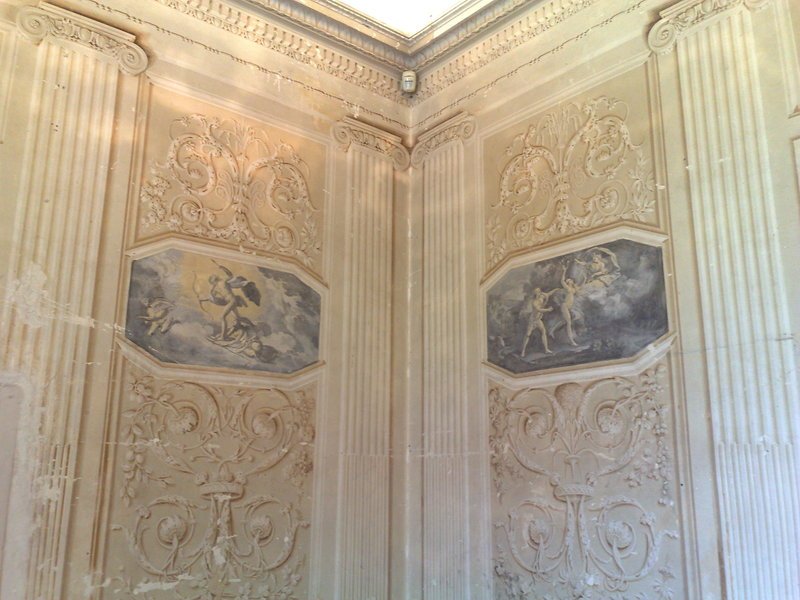 Just a few kilometers from Caserta, in San Tammaro, lies one of the lesser-known gems of the Bourbon Royal Delights: the Carditello Royal Palace. Commissioned by Charles of Bourbon as a hunting reserve and horse breeding ground, it was transformed by Ferdinand IV into a modern model farm for wheat cultivation and the breeding of premium livestock. Designed by Francesco Collecini, a student of Luigi Vanvitelli, the palace features a sober yet elegant neoclassical style, with a central building flanked by towers and barns. The most striking element is the elliptical hippodrome in front, modeled after Roman circuses, with two monumental fountains, obelisks, and a circular temple from which the king watched the races. Inside, frescoes by Giuseppe Cammarano, Fedele Fischetti, and Philipp Hackert depict hunting and rural scenes, while the Chapel of the Ascension retains stuccoes and an altarpiece by Carlo Brunelli. After years of neglect and looting, the site was purchased by the state in 2014 and has been managed since 2016 by the Foundation of the Royal Site of Carditello, which now organizes special openings with guided tours. A key role in its revival was played by Tommaso Cestrone, the “Angel of Carditello,” who voluntarily watched over the property for years. Visiting Carditello means immersing oneself in a story of splendor, decay, and recovery, among artistic masterpieces and an atmosphere full of charm.
Archaeological Museum of Ancient Capua: A Dive into History
- Via Pietro Morelli 48, Santa Maria Capua Vetere (CE)
- http://www.polomusealecampania.beniculturali.it/index.php/il-museo-e-mitreo
- Open in Google Maps
- View on Google Images
- pm-cam.museoanticacapua@beniculturali.it
- +39 0823 844206
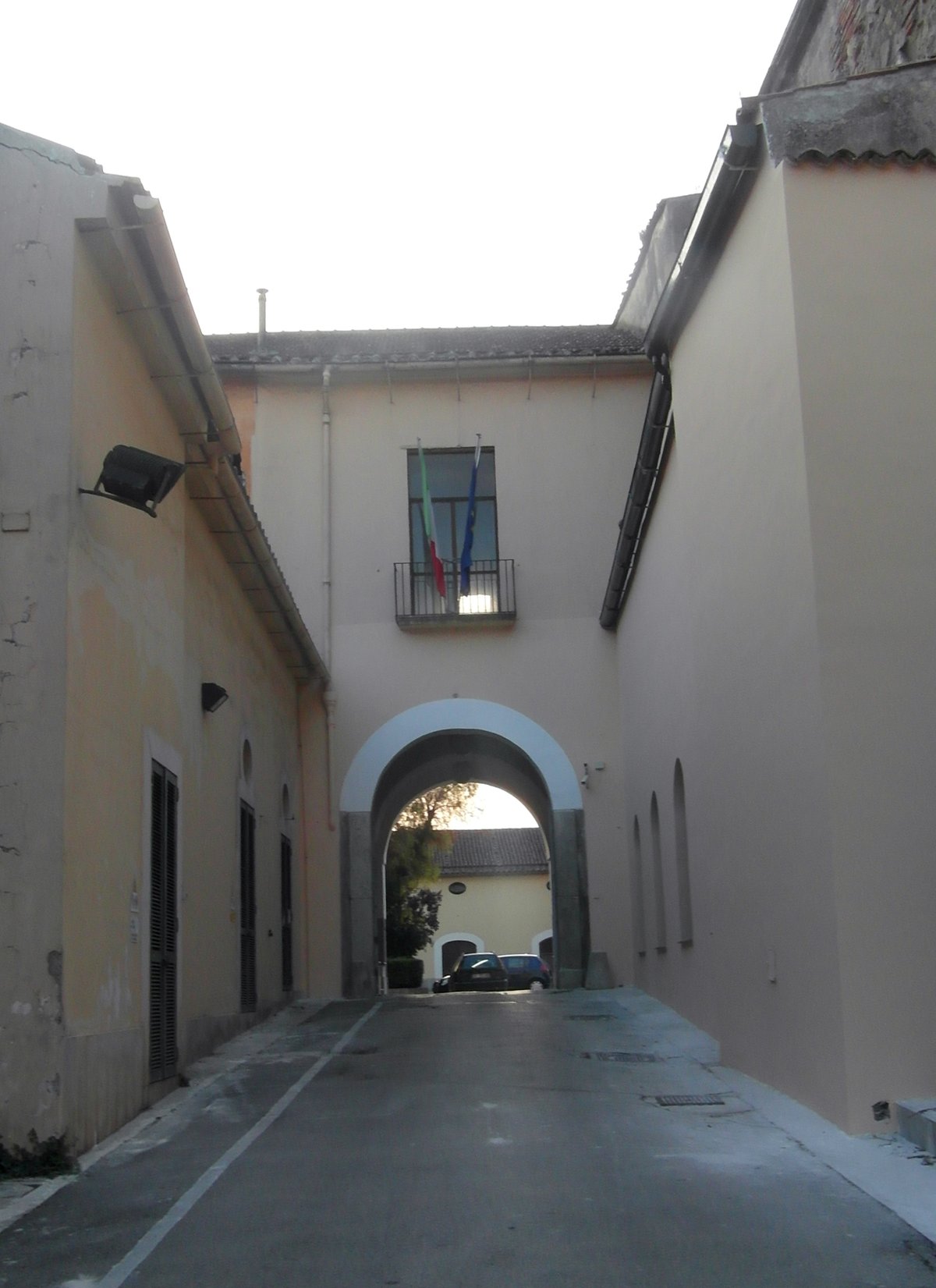 If you find yourself in Santa Maria Capua Vetere, the Archaeological Museum of Ancient Capua is an unmissable stop. Housed in a 19th-century building that once served as a cavalry barracks, the museum incorporates the Torre di Sant'Erasmo, where Robert of Anjou was born in 1278. The exhibition is chronological: starting from the Bronze Age with funerary goods, moving to the Iron Age with urns and fibulae, up to the Orientalizing period with Greek pottery and bucchero. Among the highlights is the Statue of the Resting Satyr, a Roman copy of an original by Praxiteles, 1.86 m tall, discovered in 2002. Also not to be missed are the Matres statues from the sanctuary of Fondo Patturelli, and the exhibition “Signs of the Landscape: The Appian Way and Capua”, inaugurated in 2022, which tells the story of Roman Capua with over 100 works never before displayed. Outside, the 2800 sqm courtyard serves as an open-air museum with stone fragments, sarcophagi, and a marine mosaic from a thermal bath complex. The ticket (€6 full, €2 reduced) also includes the Campanian Amphitheatre and the Mithraeum, but the latter requires booking. Hours: Tuesday–Sunday 9:00–18:30, closed Monday. Attention: from February 2, 2026, the museum will close for PNRR works, but the ticket for the amphitheatre and mithraeum will remain valid at a reduced rate. In short, a place that never fails to amaze, steeped in history and beauty.
Mithraeum of Santa Maria Capua Vetere
- Viale Mitreo 5, Santa Maria Capua Vetere (CE)
- http://www.polomusealecampania.beniculturali.it/index.php/il-museo-e-mitreo
- Open in Google Maps
- View on Google Images
- pm-cam.museoanticacapua@beniculturali.it
- +39 0823 844206
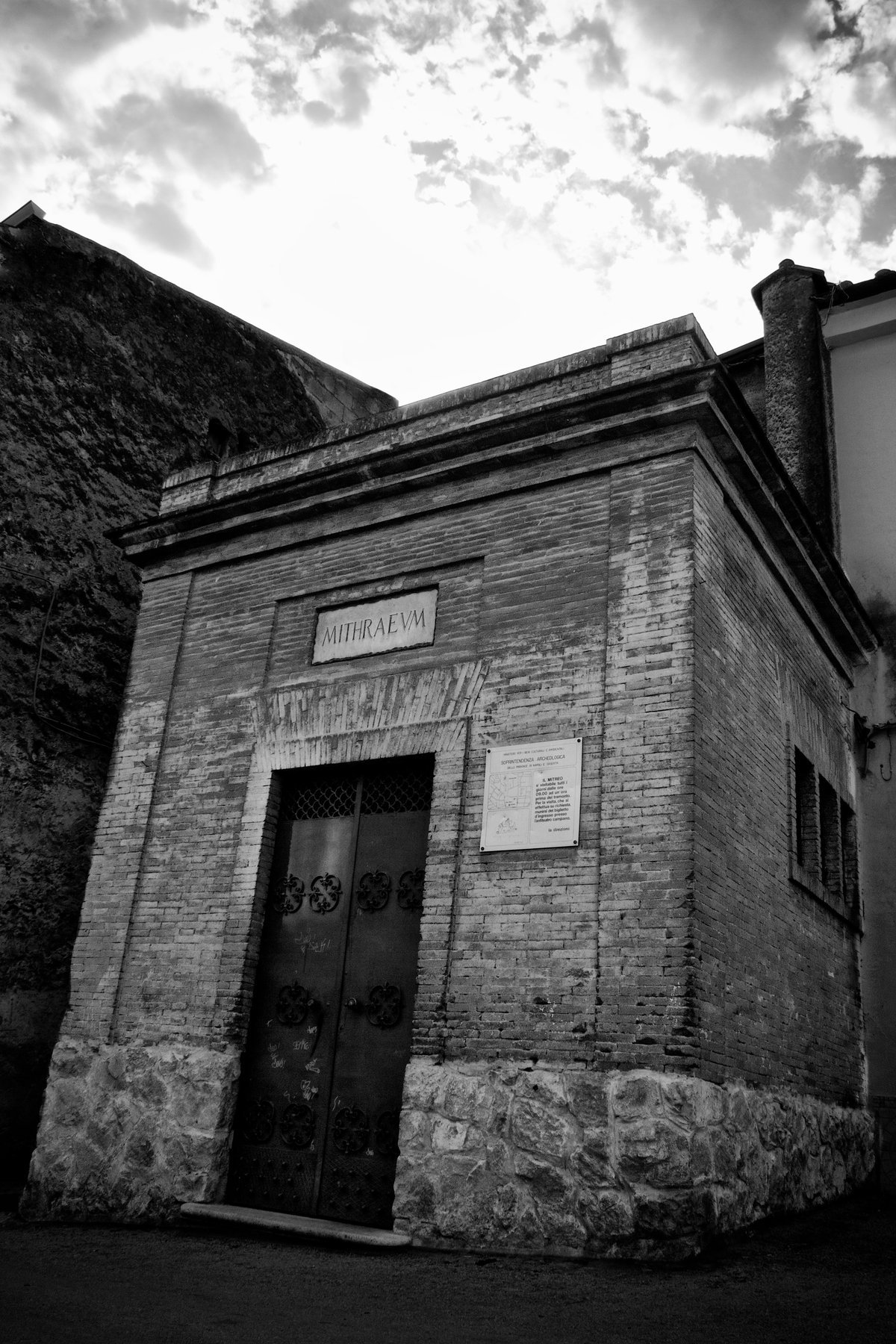 If you think you've seen it all in Capua, get ready to go underground. The Mithraeum of Santa Maria Capua Vetere is one of the area's most hidden and fascinating gems. Discovered by chance in 1922 during the construction of a building, this underground place of worship dates back to the end of the 1st century AD, making it the oldest mithraeum in the West. To visit, you need to book (call +39 338 6353806), and they will guide you from a small turret entrance down into an underground chamber that feels like a cave. The main hall is about 12 meters long and 3 meters wide, with a barrel vault painted yellow with green and red stars—a starry sky recreated with glass paste that must have shimmered in the torchlight. On the sides, masonry benches where initiates lay for ritual banquets. The highlight is the fresco of the Tauroctony: Mithras, with a Phrygian cap and flowing cloak, slays the bull while the Sun, the Moon, two torchbearers (Cautes and Cautopates), a dog, a scorpion, and a snake look on. Don't miss the remains of initiation scenes on the walls, showing the seven trials that the faithful had to overcome. The atmosphere is intimate and evocative, almost mystical. The cumulative ticket (€6) also includes the Campanian Amphitheater and the Museum, but note: the mithraeum is only open at specific times (usually Sundays and Wednesdays at 12:45 PM, but better check). A tip: combine the visit with the amphitheater for a complete dive into ancient Capua.
Arch of Hadrian: The Monumental Entrance to Ancient Capua
- Arco di Adriano, Santa Maria Capua Vetere (CE)
- Open in Google Maps
- View on Google Images
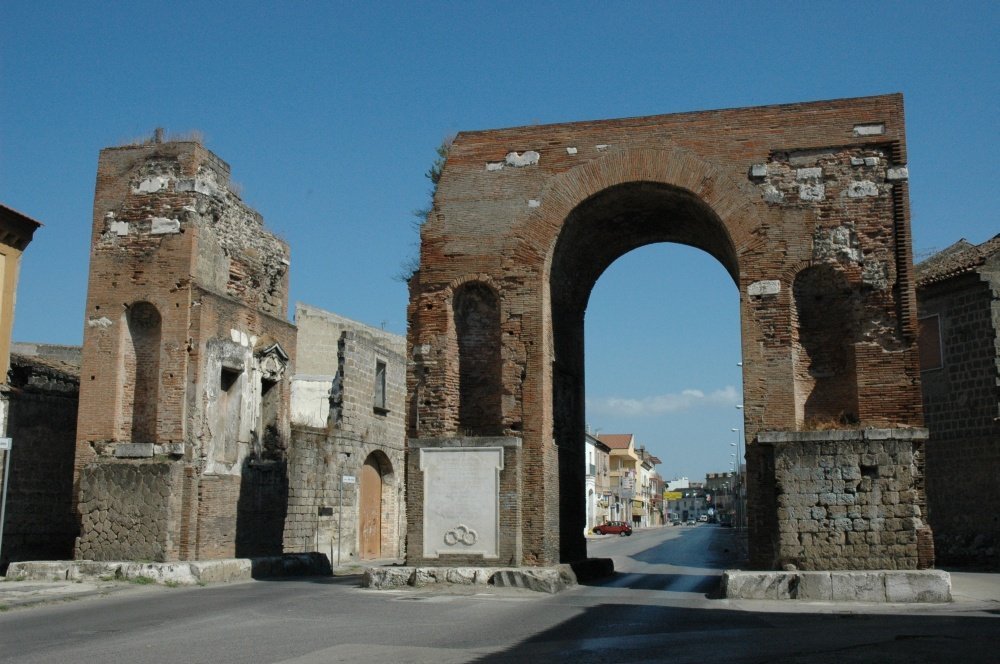 If you're in Santa Maria Capua Vetere, don't miss the Arch of Hadrian, also known as Arco Felice or Archi di Capua. This Roman monument, which once straddled the Appian Way, marked the monumental entrance to ancient Capua. Today, amid modern traffic, its three brick pillars and the surviving side arch tell a story nearly two thousand years old.
Built between the second half of the 1st century and the first half of the 2nd century AD, the arch likely celebrated the city's status as Colonia Flavia Augusta. Although a plaque dedicates it to Hadrian, many scholars believe it is fake. What is certain is that it was originally an imposing triple arch, faced with white limestone now lost, measuring 18.5 meters wide and 10 meters high. The remains show niches and holes for columns, evidence of rich architectural decoration.
Over the centuries, the arch has witnessed battles and restorations: damaged during the Battle of Volturno in 1860, today it bears a commemorative plaque with the words of Luigi Settembrini. After World War II it was restored, and in 2017 a controversial intervention led to the involvement of the Prosecutor's Office. Despite everything, walking here is a dive into history: the arch still stands imposing, and if you stop for a moment you can imagine the passage of legionaries, carts, and pilgrims. The best part is that it is visitable for free and without barriers, every day. I recommend coming at sunset, when the light caresses the ancient bricks and the atmosphere becomes magical.
Roman Theatre of Teano: Italy's Oldest Vaulted Theatre
- Go to the page: Teano Roman Theater: Seating for 10,000 Spectators and Polychrome Marbles
- Via Pioppetto, Teano (CE)
- http://www.polomusealecampania.beniculturali.it/index.php/il-teatro-teano
- Open in Google Maps
- View on Google Images
- pm-cam.teano@beniculturali.it
- +39 0823 657302
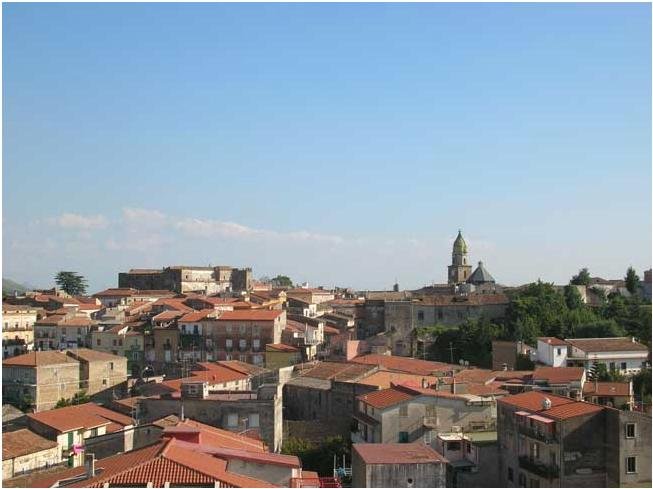 If you pass through Teano, you can't miss its Roman theatre. It is the oldest in Italy entirely supported by radial walls and ramping vaults: an engineering marvel dating back to the end of the 2nd century BC. Its construction is in opus incertum and tuff blocks, and originally it was part of a complex with a temple dedicated to Apollo. Under Septimius Severus it was enlarged, reaching a diameter of 85 meters and a height of about 24 meters. The stage was decorated with three orders of columns in precious marbles, composite capitals, and sculptures that glorified the empire. Walking among the steps, I imagine the spectators of the time watching comedies and tragedies. Unfortunately, an earthquake between the 4th and 5th centuries severely damaged it, and in the Middle Ages it became a quarry for materials. Today, after long restorations, it is open to visitors again. Admission is free, with continuous hours (Monday to Sunday, closed on Tuesdays, from 9:30 AM to 4:00 PM). In the ambulacra, the Museo dell'Opera is set up with original artifacts. The surrounding area, called "le Grotte", still retains a suggestive atmosphere, with an altar dedicated to the Madonna to remember the past. Nearby, an amphitheater has been identified, still buried. If you love archaeology, this theatre will leave you breathless.
Roman Theatre of Sessa Aurunca
- SP Sessa- Mignano, Sessa Aurunca (CE)
- http://www.cir.campania.beniculturali.it/luoghi-della-cultura/criptoportico-teatro-romano-di-suessa
- Open in Google Maps
- View on Google Images
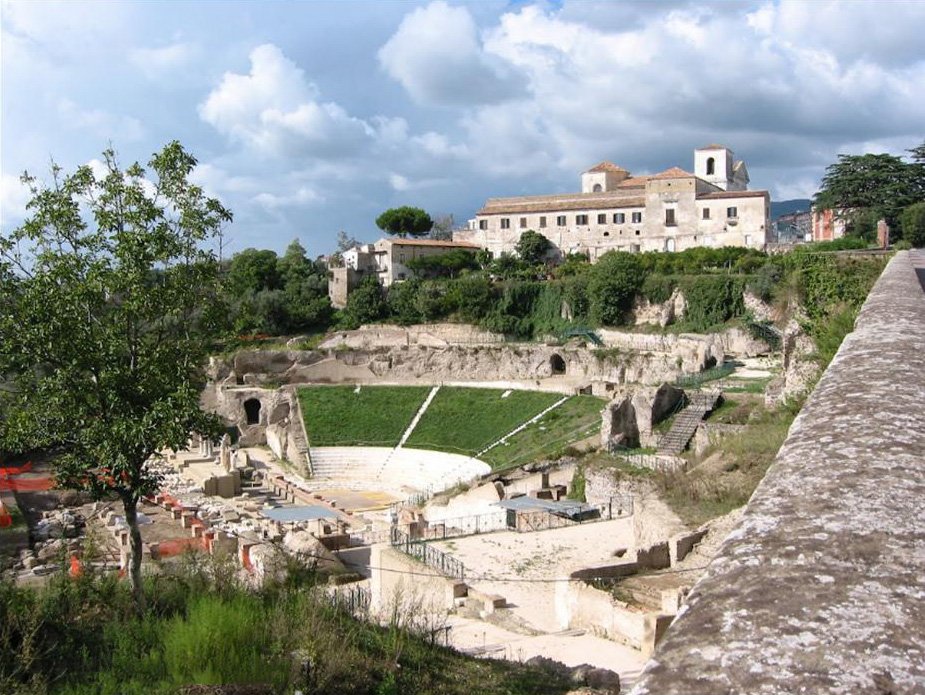 If you think Campania is only about the Royal Palace and Naples, you're greatly mistaken. In the province of Caserta there's the Roman Theatre of Sessa Aurunca, the second largest in the region after Naples'. Built under Augustus in the 1st century AD and later expanded by Antoninus Pius, it's a forgotten colossus for centuries. The cavea, 110 meters wide, could hold up to 10,000 spectators, and the stage building soared 24 meters with 84 columns of marble from Greece, Egypt, and Numidia – a true luxury madness. Walking among the tiers, you almost feel the echo of applause. Unfortunately, it's currently closed for restoration (since November 2025), but you can admire it from outside and come back when it reopens. Next to it, don't miss the cryptoportico with its Virgilian graffiti: it's said to have been a school. And if you like, at the Ducal Castle there's the statue of Matidia Minor, the noblewoman who funded the restorations. A site truly worth visiting, not just for history enthusiasts.
Borgo San Giovanni: The Medieval Heart of Piedimonte Matese
- Go to the page: Borgo San Giovanni: Medieval Alleys and Views of the Matese Massif
- Borgo San Giovanni, Piedimonte Matese (CE)
- Open in Google Maps
- View on Google Images
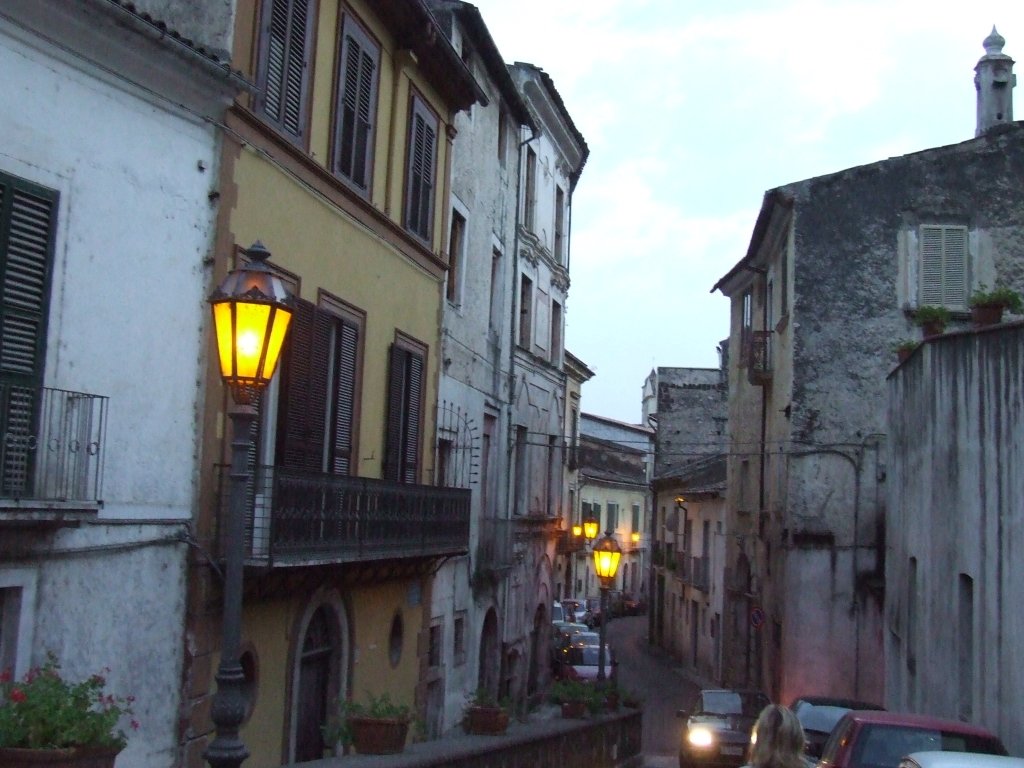 If you're looking for an authentic off-the-beaten-path spot, Borgo San Giovanni is the place. It's the oldest core of Piedimonte Matese, founded between the 9th and 11th centuries by the Lombards of Alife. Perched on the slopes of Monte Cila, the village revolves around the Church of San Giovanni, which dates back to the early Middle Ages and boasts a beautiful Gothic portal. From the square in front, you'll enjoy a spectacular view of the Alifana plain and the Volturno valley: a sight that alone makes the climb worthwhile. The narrow, winding alleys, stairways, and cast-iron fountains create an atmosphere of times gone by. Unfortunately, many of the houses are in ruins and uninhabited, a sign of abandonment that doesn't erase the medieval charm. Dominating the village is Palazzo Ducale dei Gaetani, an imposing 18th-century building with a trapezoidal shape and three towers, built on the site of an ancient Norman castle. Inside, there are stuccoes, 17th-century paintings, a courtyard with fountains, and a theater. It's a shame it's in serious decay and closed to the public: you can only glimpse traces of restoration work that began. Wander slowly: every corner tells stories of past grandeur. If you're passionate about abandoned villages with soul, you'll feel like you're on a movie set here. Don't forget to look for Enrico Caruso's birthplace nearby. Tip: visit at dawn or dusk, when the warm light illuminates the stones and the silence is broken only by the gurgle of water.
Ducal Castle of Sessa Aurunca: History and New Archaeological Museum
- Via Moro, Sessa Aurunca (CE)
- Open in Google Maps
- View on Google Images
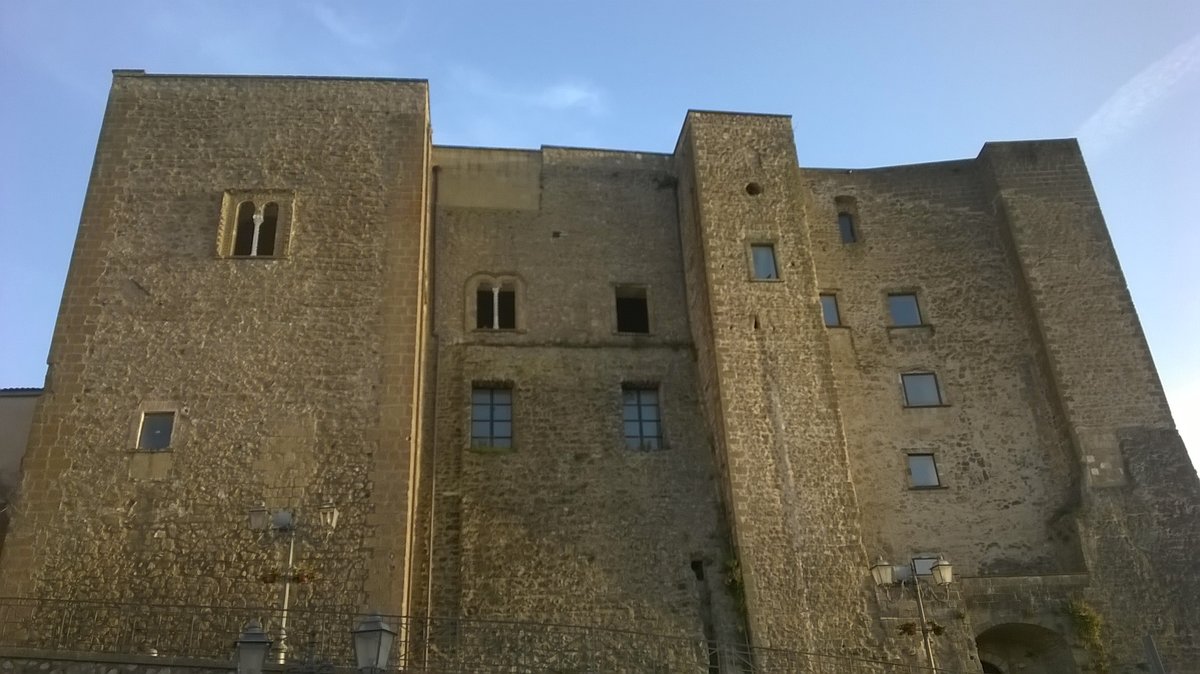 Perched on the hill overlooking Sessa Aurunca, the Ducal Castle is much more than a medieval fortress. Built starting in the 9th century at the behest of the Lombard gastaldo Landone, it was expanded by Frederick II of Swabia and transformed into an elegant residence by the Dukes Marzano and Carafa. Today, after restorations completed in 2014, it houses two museums: the Civic Museum and, since December 2024, the new National Archaeological Museum. And it’s the latter that steals the show. Set up with PNRR funds, it tells the story of the Ausoni-Aurunci people from the Iron Age to the Roman conquest in 313 BC. The first three rooms display pre-Roman artifacts, including votive offerings from the sanctuary of the goddess Marica. Then it moves on to the Roman era, with rustic villas, Falernian wine production, and a focus on the theatre of Sessa, one of the most impressive in Campania. The highlight is the statue of Matidia Minor, sister-in-law of Hadrian, which stands proudly in the last room. The museum is designed for everyone: there are tactile stations for the blind, QR codes for audio guides, and 3D videos that reconstruct artifacts at the British Museum. The combined ticket (€5) also includes entry to the Roman theatre. Open Tuesday to Sunday (closed Monday), with variable hours. A tip? Don’t miss the view from the inner courtyard: from there you can see the entire town.
Mausoleo della Conocchia: A Roman Gem Along the Appian Way
- Via Nazionale Appia, Curti (CE)
- Open in Google Maps
- View on Google Images
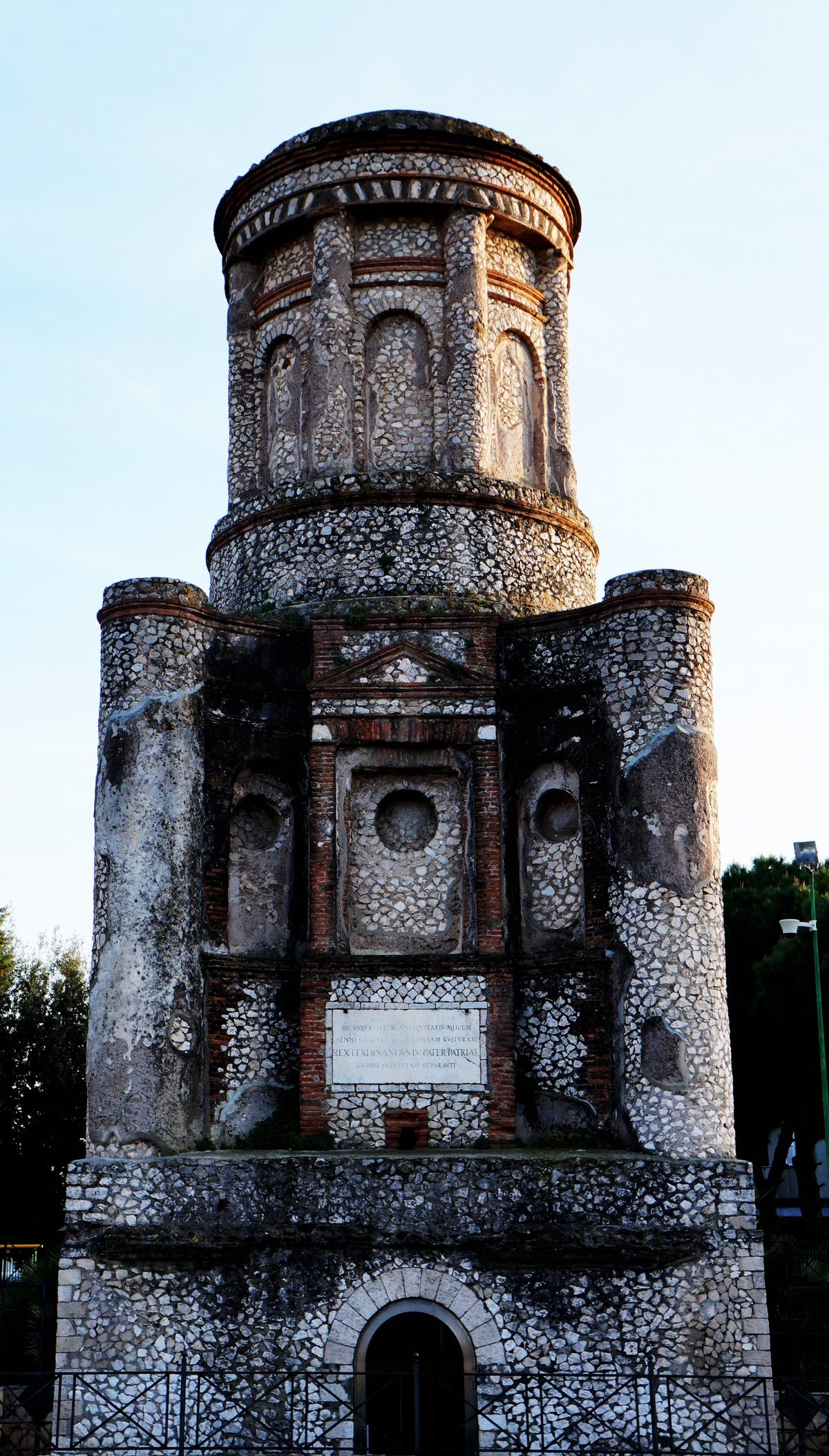 If you pass through Curti, along the Appian Way, you can't miss the Mausoleo della Conocchia. The name? It comes from its shape resembling a spindle for spinning, but there's nothing simple about this monument. This Roman funerary monument dates back to the 1st century BC (third quarter, for the precise) and is an extraordinary example of superimposed architectural bodies: a square base of 6.5 meters per side, an intermediate section with concave sides, and a circular crown with half-columns. In total, 16.6 meters in height that still command respect today. The internal burial chamber houses eleven niches for cinerary urns. Tradition holds that the ashes of Flavia Domitilla, granddaughter of Vespasian, or those of Appius Claudius Caecus, the builder of the Appian Way, rest here. Who knows? The fact is that the mausoleum has remained almost intact thanks to a restoration commissioned by Ferdinand IV of Bourbon in 1792. Today it can be freely visited from the outside, while the interior is open on special occasions. A dive into Roman history just a stone's throw from the Royal Palace of Caserta.
The Roman Cryptoporticus of Alife
- Via Criptoportico, Alife (CE)
- Open in Google Maps
- View on Google Images
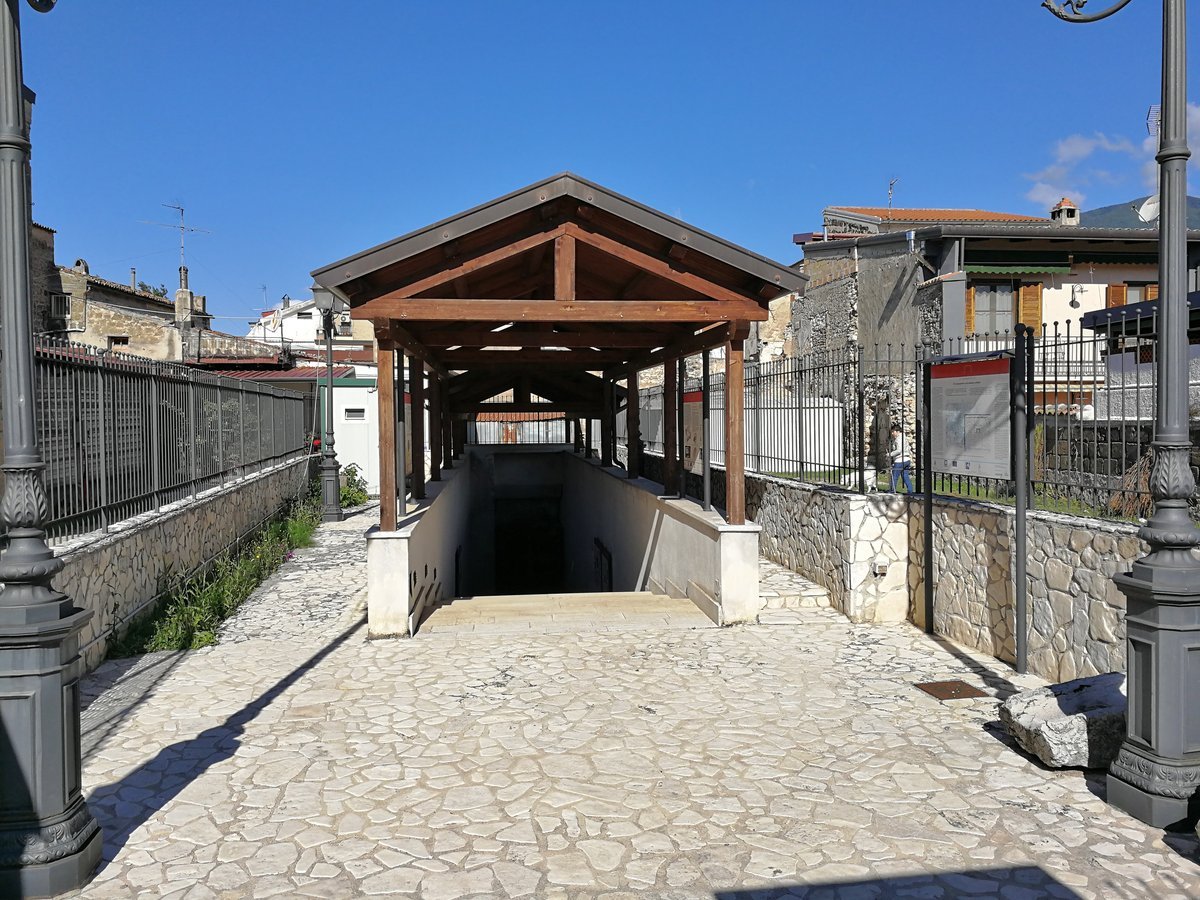 Beneath the streets of Alife lies a gem of Roman engineering: the Cryptoporticus. A U-shaped underground structure with three arms covering about 600 sq m. The shorter sides measure 27.5 meters, the central one 44 meters. Thirty-one brick pillars support barrel vaults in opus caementicium, and 21 wolf-mouth skylights filter light from above, creating suggestive shadow plays. Built in the Augustan age, probably as the foundation of a luxurious patrician domus (perhaps of the Aedii or Grani families), the Cryptoporticus served as a warehouse or covered walkway, with the upper peristyle overlooking a garden. Excavations in 2007 uncovered over 300 deposit layers, a natural archive of city life from the Empire to the Middle Ages. Among the finds are coins, oil lamps, and even oysters from Baia, a sign of the owners' high standard of living. Over time, the structure was abandoned, used as a dump, and later as an air-raid shelter during World War II. Today it can be visited by reservation (free admission). Entering here is like taking a leap back two thousand years: the atmosphere is damp and silent, broken only by the drip of water. The walls preserve traces of original ochre plaster, while the pillars show the mastery of Roman builders. A place truly worth a stop, away from the tourist crowds.
Roman Amphitheatre of Alife: Campania's Miniature Colosseum
- Viale Caduti sul Lavoro, Alife (CE)
- Open in Google Maps
- View on Google Images
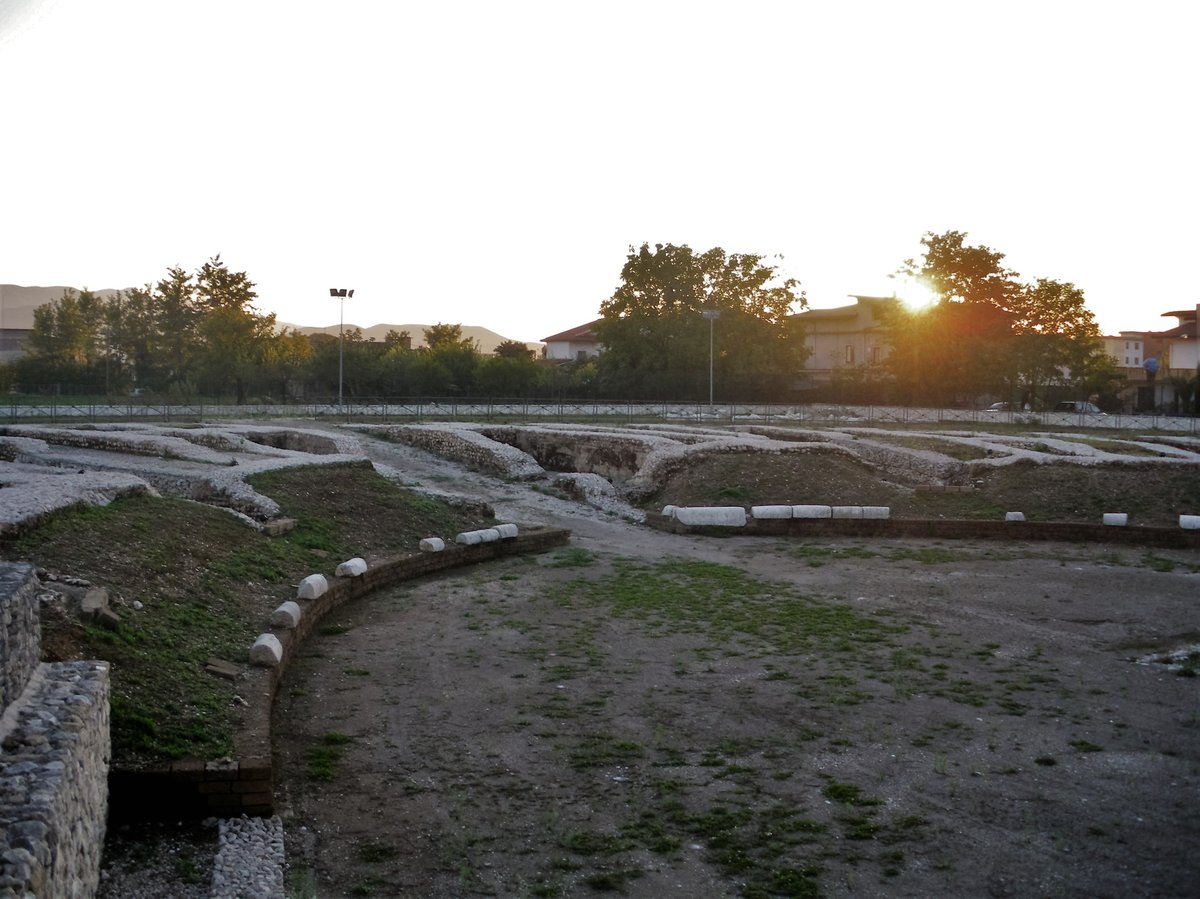 If you think Campania only has the Colosseum in Rome, you're wrong. In Alife, in the province of Caserta, stands one of the best-preserved Roman amphitheatres in Southern Italy. Measuring 107 metres long and 84 metres wide, it could hold up to 14,000 spectators – a true miniature Colosseum. Built during the Augustan age (1st century BC), it was expanded several times until the 2nd century AD. Its rediscovery is a curious story: in 1976, aerial photographs revealed a perfect ellipse in a wheat field; subsequent excavations uncovered the foundations and part of the structure. Today it can be visited by reservation, and the ticket (€2-5) also includes the Archaeological Museum of Ancient Allifae. The structure is still partially buried (half lies beneath houses), but just walking on the arena lets you imagine the gladiator fights and venationes that took place here. If you have half a day, combine it with the museum: the amphitheatre is a short walk away on Via Caduti del Lavoro, and the curator Enrico Angelo Stanco will guide you through history. Note: opening days vary, so it's best to call 0823 787005 before you go.
The Devil's Footprints: Europe's Oldest Prehistoric Trail
- Via Piccilli - Tora - Tuoro, Conca della Campania (CE)
- Open in Google Maps
- View on Google Images
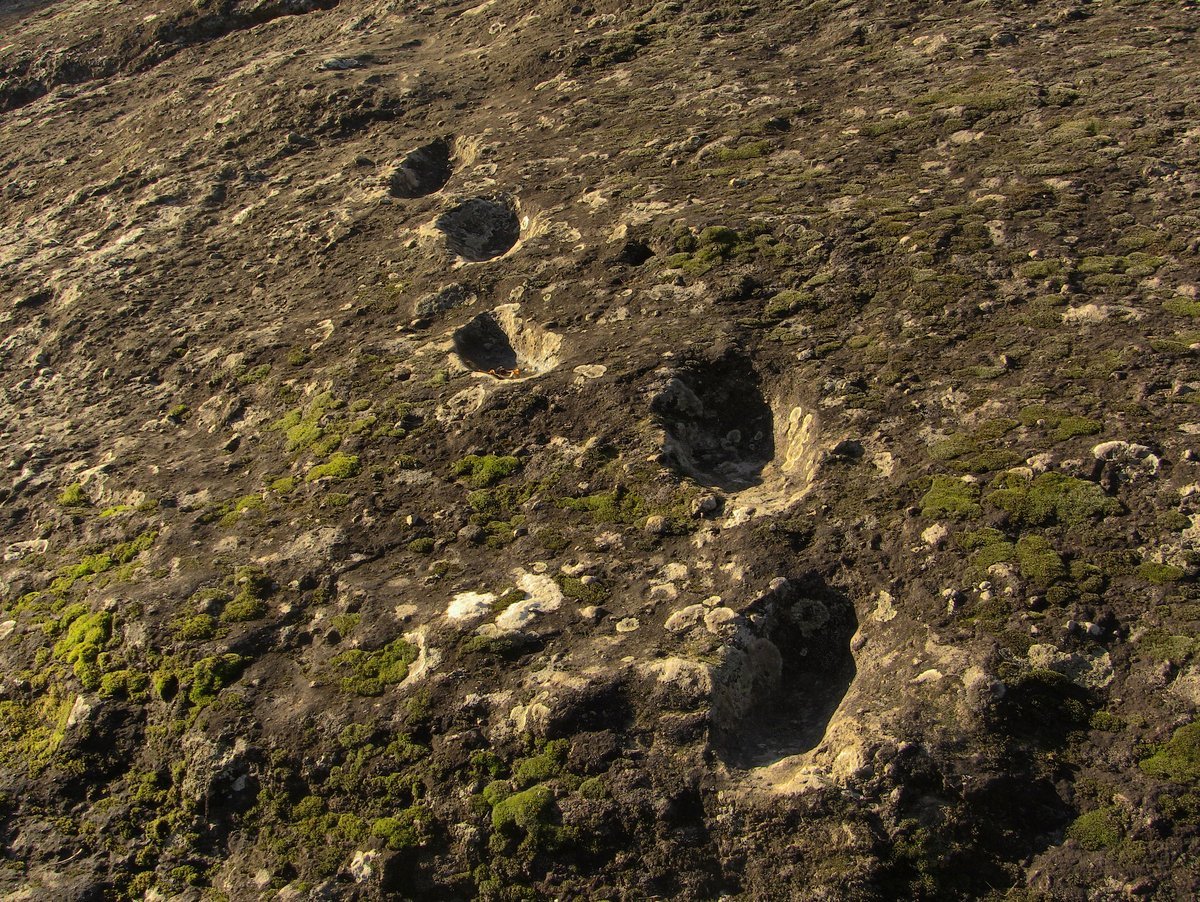 If you think Campania is only about sea and pizza, think again. In Conca della Campania, within the Roccamonfina Regional Park, there's a site that will take you back 350,000 years: the Devil's Footprints. The name in local dialect means 'devil's footprints,' and legend had it that only a devil could walk on hot lava. In reality, here are preserved 56 fossil footprints left by Homo heidelbergensis, an ancestor of Neanderthals. The footprints were scientifically discovered in 2000 by Professor Paolo Mietto, but they had been known since the 1800s. They are distributed across three tracks (A, B, and C), and in some spots, you can also see handprints made when the hominids slipped on the still-plastic volcanic ground. What makes them special? They are on a steep slope (up to 85% incline) and represent the oldest known human fossil trail in the world, radiometrically dated to 349 ± 3 thousand years ago. To visit, start from the small square of Foresta (a hamlet of Conca della Campania) and follow a mule track about 1.5 km (round trip) of moderate difficulty. The trail is steep, so you'll need hiking shoes and plenty of water. Once there, you'll be awestruck by what look like large footprints in the volcanic rock. Nearby, there are also the remains of an 18th-century mill and an ancient washhouse. The site is fenced and open year-round, but avoid rainy days as the ground becomes slippery. If you love prehistory and nature, this is a must-see stop.