
🧭 What to Expect
- Ideal for a cultural weekend away from mass tourism.
- Highlights: well-preserved Visconti castles, Lodigian Renaissance art, and authentic villages along the river.
- Includes an interactive map with all described locations.
- Discover the Civic Temple of the Blessed Virgin Incoronata, a masterpiece with frescoes by Albertino Piazza.
Events nearby

The Province of Lodi is a territory rich in history and art, often overlooked by the more popular tourist routes. Here you'll find well-preserved Visconti castles like the one in Sant'Angelo Lodigiano and the Trecchi Castle in Maleo, which tell centuries of ruling dynasties. The capital Lodi holds treasures like the Civic Temple of the Blessed Virgin Crowned, a Renaissance masterpiece with frescoes by Albertino Piazza. The villages along the Adda River, such as Castiglione d'Adda and Casalpusterlengo, offer authentic atmospheres and typical products like Grana Padano cheese. Ideal for a weekend discovering a lesser-known Italy full of surprises.
Overview
- Visconti Castle of Lodi
- Sant'Angelo Lodigiano Castle
- Civic Temple of the Blessed Crowned Virgin
- Trecchi Castle in Maleo
- Basilica of the Twelve Apostles
- Lodi Civic Museum
- Piazza della Vittoria
- Maccastorna Castle
- Pallavicino Serbelloni Castle
- Church of San Francesco
- Borromeo Castle of Camairago
- Douglas Scotti Castle
- Diocesan Museum of Sacred Art
- Villa Biancardi
- Mozzanica Palace
Itineraries nearby
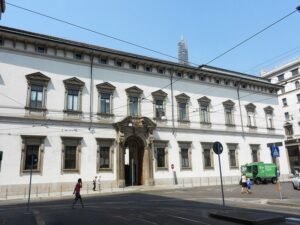
Visconti Castle of Lodi
- Go to the page: Visconti Castle of Lodi: Medieval fortress with corner towers and porticoed courtyard
- Piazza Castello, Lodi (LO)
- Open in Google Maps
- View on Google Images
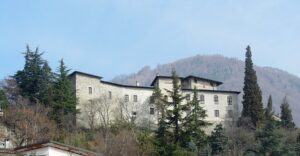
 The Visconti Castle of Lodi is an imposing medieval fortress that dominates the historic center, built in the 14th century by order of Bernabò Visconti. Its massive structure, with corner towers and thick walls, tells centuries of battles and dominations. Today, after careful restoration, it hosts cultural events and temporary exhibitions, making it a vibrant hub for the community. Inside, the porticoed courtyard and frescoed halls stand out, where you can breathe the atmosphere of the past. Castle Square, in front, is the ideal spot to admire the external architecture, with its red bricks and arrow slits that recall its defensive function. Don't miss the details of the towers, perfectly preserved, which offer unique photographic glimpses. The castle is easily accessible on foot from the center, and its location makes it a must-see stop for those visiting Lodi. Check the scheduled events: it often hosts concerts or exhibitions that enrich the experience. A tip: visit at sunset, when the warm light enhances the building's volumes.
Sant'Angelo Lodigiano Castle
- Go to the page: Sant'Angelo Lodigiano Castle: 30m High Keep Tower and Museum of Agriculture in the Lodigiano Area
- Via Carlo Tenca, Sant'Angelo Lodigiano (LO)
- Open in Google Maps
- View on Google Images
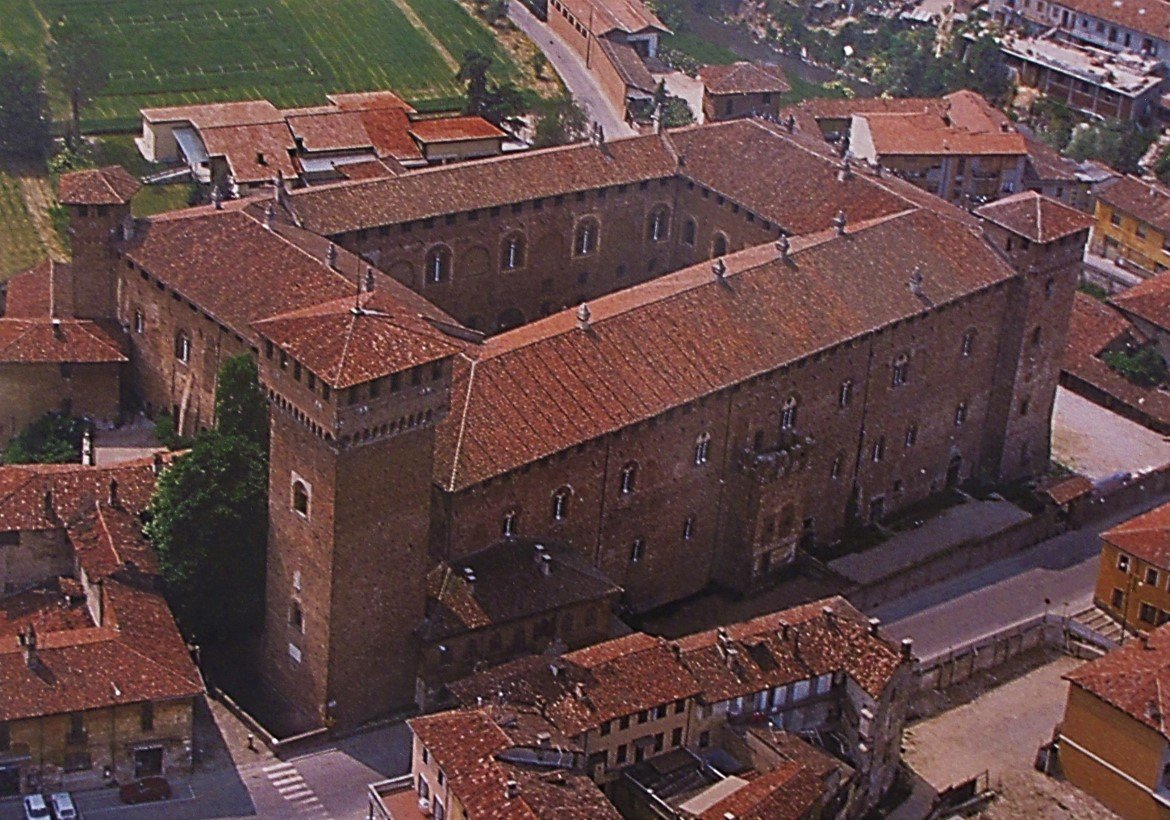 The Sant'Angelo Lodigiano Castle dominates the landscape with its imposing medieval structure, one of the most recognizable symbols of the Lodi province. Built in the 13th century by the will of the Visconti family, this manor has witnessed centuries of history, passing through various ownerships until becoming today a visitable state property. Its architecture is a perfect example of Lombard fortification, with crenellated towers, moats, and drawbridges that immediately evoke chivalric atmospheres. Inside, the rooms preserve period furnishings and permanent exhibitions that recount castle life between the Middle Ages and Renaissance. Particularly interesting is the collection of ancient weapons, with swords, armor, and crossbows that testify to the castle's defensive function. Don't miss the climb to the main tower: from the summit, you'll enjoy a breathtaking panoramic view over the Lodigiano countryside, with cultivated fields stretching to the horizon. The castle also hosts the Lombard Museum of Agricultural History, a unique exhibition of its kind that documents the rural traditions of the territory through work tools, documents, and environmental reconstructions. Throughout the year, cultural events, historical reenactments, and educational workshops take place here, ideal for families and history enthusiasts. The visit is easy and well-organized, with explanatory panels in Italian and English guiding the route. I recommend checking opening hours on the official website, as they vary depending on seasons and scheduled events. For photography lovers, the best times are early morning or at sunset, when the warm light enhances the volumes of the walls and creates suggestive plays of shadow.
Civic Temple of the Blessed Crowned Virgin
- Via Incoronata, Lodi (LO)
- Open in Google Maps
- View on Google Images
 The Civic Temple of the Blessed Crowned Virgin is one of Lodi's most enchanting sites, a Renaissance masterpiece that will leave you breathless. Built between 1488 and 1494 to commemorate a Marian apparition, this sanctuary is an exceptional example of 15th-century Lombard architecture. As soon as you step inside, you'll be struck by the octagonal floor plan and the dome frescoed by Ambrogio da Fossano, known as Bergognone, with scenes from the Virgin's life. The interiors are a triumph of sacred art: don't miss the Incoronata polyptych, a work by Albertino Piazza, and the choir's wooden stalls, masterfully carved. The light filtering through the stained-glass windows creates an intimate atmosphere, perfect for a moment of quiet reflection. The temple is also a place of popular devotion, especially during the Feast of the Incoronata in May, when the people of Lodi gather to celebrate their protector. I recommend visiting on a sunny day to fully appreciate the play of light on the frescoes. Admission is free, but check the opening hours as they may vary depending on celebrations. If you're passionate about art history, set aside at least half an hour to observe the details of the capitals and medallions along the walls.
Trecchi Castle in Maleo
- Go to the page: Trecchi Castle in Maleo: Renaissance Frescoes and 15th-Century Secret Gardens
- Via dei Trecchi, Maleo (LO)
- Open in Google Maps
- View on Google Images
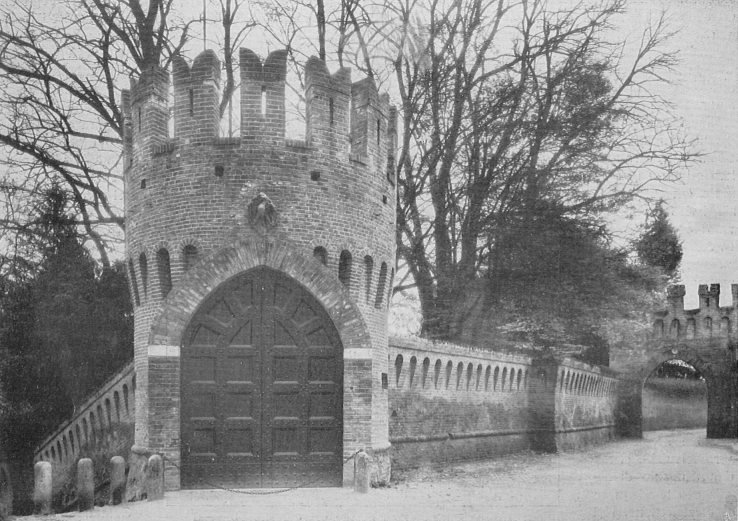 The Trecchi Castle in Maleo is one of those places that surprises you with its understated elegance. Built in the 15th century by the Trecchi family, this manor represents a perfect example of Lombard Renaissance architecture. The red brick facade and corner turrets immediately give you the impression that you're facing something special. The family chapel inside preserves 16th-century frescoes that absolutely deserve a careful look. As you walk through the rooms, you'll notice how the original furnishings and stone fireplaces tell centuries of local history. The castle is still privately owned today but opens to the public for special occasions and cultural events. The beautiful thing is that it's not just a monument to admire from the outside: when visitable, you can truly breathe in the atmosphere of times past. The surrounding park, with its ancient trees, completes the picture of a place where time seems to have stood still. For those who love history and architecture, it's an unmissable stop in the province of Lodi. Remember to always check the opening hours on the official website before planning your visit.
Basilica of the Twelve Apostles
- Via Santi Naborre e Felice, Lodi Vecchio (LO)
- Open in Google Maps
- View on Google Images
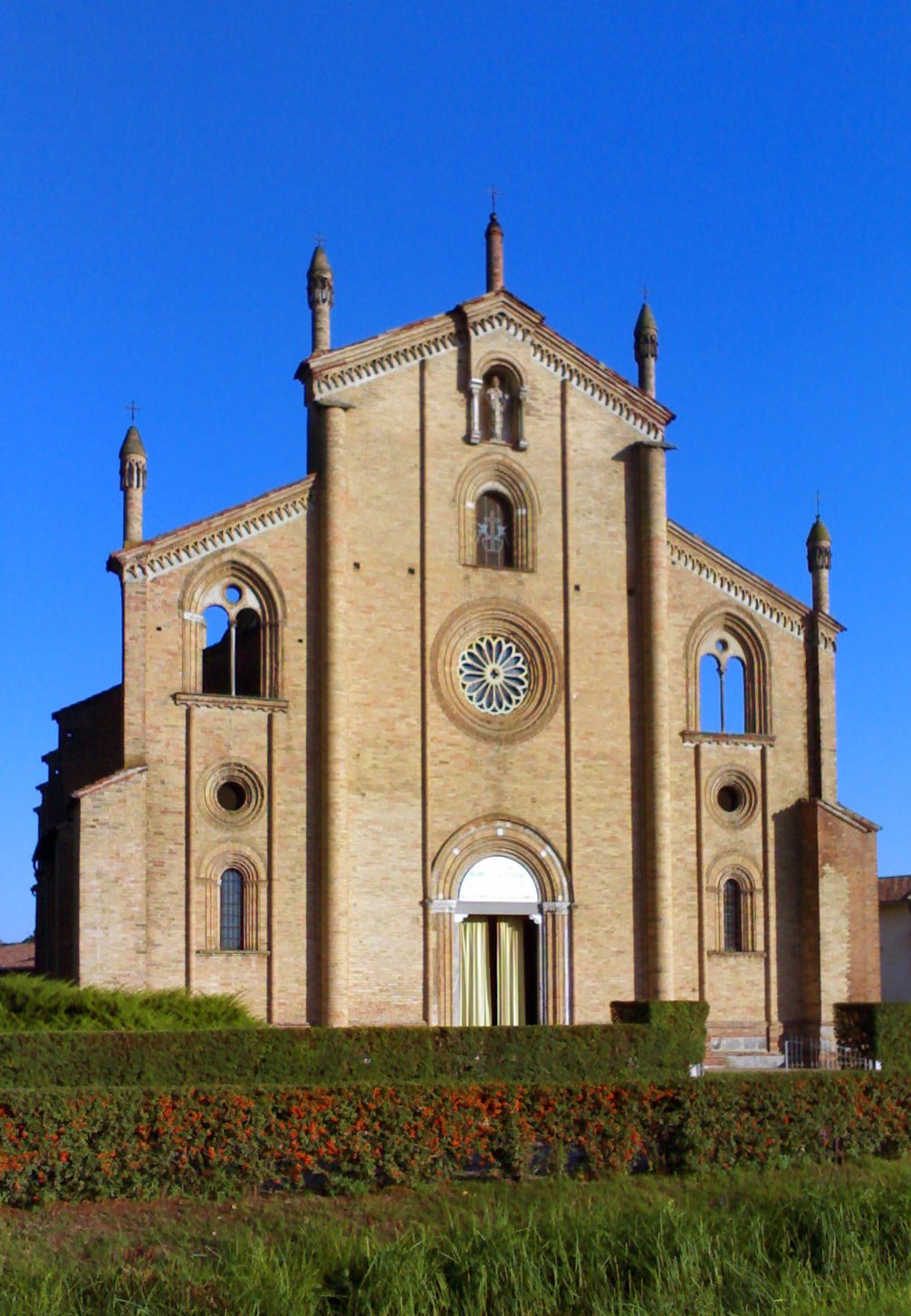 The Basilica of the Twelve Apostles in Lodi Vecchio is one of those places that transports you back in time. Built between the 11th and 12th centuries, it stands where the ancient Laus Pompeia once stood, destroyed by the Milanese in 1158. The simple yet elegant Lombard brick facade conceals an interior that impresses with its intimate atmosphere. The semicircular apse and the naves marked by massive pillars are typical features of Po Valley Romanesque architecture. Upon entering, you'll immediately notice the remains of 14th-century frescoes adorning the walls, unfortunately partially deteriorated by time but still capable of telling stories of saints and martyrs. The basilica is dedicated to the Twelve Apostles, and this connection to the origins of Christianity is felt in every corner. The crypt, accessible via a side staircase, preserves relics and an aura of devotion rooted in the Middle Ages. If you visit Lodi Vecchio, don't miss the chance to admire the bell tower in brick, slender and austere, dominating the surrounding landscape. It's an ideal place for a moment of silence and reflection, away from the hustle and bustle of cities. I recommend checking the opening hours, as it's not always freely accessible, but it's worth planning ahead so as not to miss this piece of Lodigiana history.
Lodi Civic Museum
- Corso Umberto Primo 63, Lodi (LO)
- Open in Google Maps
- View on Google Images
 The Lodi Civic Museum is a true cultural gem located in the heart of the historic center, within the former San Filippo convent. Its permanent collection takes you through centuries of local history, with archaeological artifacts ranging from the Roman era to the Middle Ages. Don't miss the section dedicated to Lodigiano painting, featuring works by artists such as Callisto Piazza and Francesco and Mauro Della Rovere, known as the Fiammenghini. The art gallery preserves valuable canvases like Albertino Piazza's 'Madonna and Child' and Gian Battista Trotti's 'Saint Francis'. On the ground floor, the archaeological section will surprise you with finds from the excavations of Laus Pompeia, the ancient Roman city that stood where Lodi Vecchio is today. On the first floor, the picture gallery immerses you in Renaissance and Baroque art with paintings that tell the story of the territory's devotion and daily life. The museum regularly organizes temporary exhibitions and educational activities, making each visit a constantly new experience. Admission is free, a significant detail that makes this stop even more appealing. The exhibition route is well-organized and accessible, with clear information panels guiding you through the different historical periods. The central location allows you to easily combine your visit with other symbolic city landmarks, such as the nearby Piazza della Vittoria or the Tempio civico dell'Incoronata.
Piazza della Vittoria
- Piazza della Vittoria, Lodi (LO)
- Open in Google Maps
- View on Google Images
 Piazza della Vittoria is the nerve center of Lodi, a place that encapsulates centuries of history and the soul of the city. Here, the Lodi Cathedral dominates the scene with its Romanesque facade and bell tower that soars towards the sky. The rectangular square is surrounded by arcades that offer shelter and host cafes and shops, perfect for a break. In the center, the statue of Vittorio Emanuele II commemorates Lodi's role in the Unification of Italy. The cobblestone and brick pavement adds a rustic touch, while historic buildings like Palazzo Vistarini tell stories of noble families. The square is always lively: in the morning with the market, in the evening with venues filling with life. It's the ideal starting point for exploring the historic center, just steps from the Civic Temple of the Blessed Virgin Crowned and other attractions. I recommend visiting at sunset, when the golden light illuminates the monuments and creates a magical atmosphere. For an authentic experience, stop at one of the bars under the arcades for a coffee or aperitif, watching the comings and goings of the locals. The square also hosts seasonal events, such as Christmas markets or summer concerts, keeping it vibrant throughout the year. It's a place that unites past and present, ideal for those seeking culture and relaxation without rush.
Maccastorna Castle
- Go to the page: Maccastorna Castle: Medieval Tower with Active Moat Amid Lombardy's Rice Fields
- Via Roma, Maccastorna (LO)
- Open in Google Maps
- View on Google Images
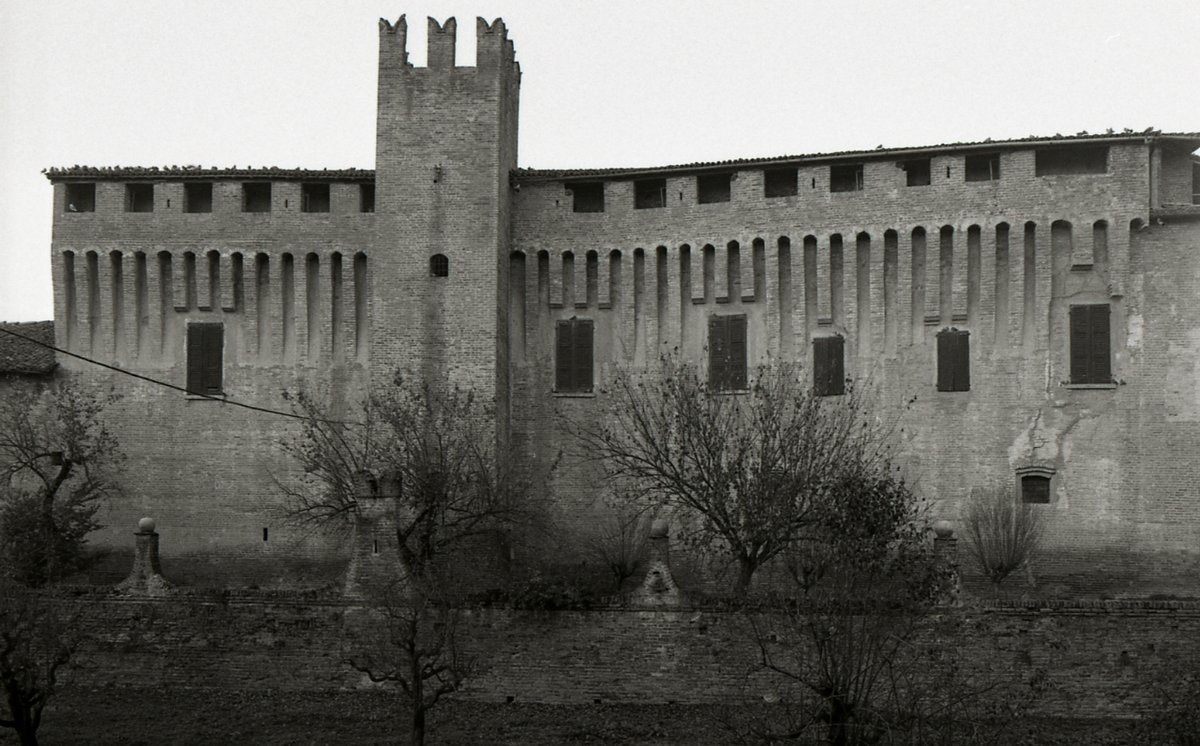 The Maccastorna Castle is one of the most authentic surprises in the province of Lodi. This medieval manor rises solitary in the plain, surrounded by cultivated fields and irrigation canals. Its massive red brick structure dates back to the 14th century and retains the intact charm of ancient Visconti fortifications. The feature that immediately strikes you is its location: it stands on an artificial island created by the Adda River, accessible via a bridge that seems to transport you back in time. Inside, you can admire the frescoed halls and private chapel, while the central courtyard maintains the intimate atmosphere typical of countryside castles. The castle is still privately inhabited today, but opens to the public on special occasions and for cultural events. The visit allows you to discover evocative corners like the ancient prisons and the patrol walkways, from which you can enjoy a panoramic view of the surrounding countryside. For those seeking an experience off the beaten tourist paths, this manor offers the opportunity to immerse yourself in local history without the crowds of more famous places. I recommend always checking the opening hours on the official website before visiting, as access is limited and subject to booking.
Pallavicino Serbelloni Castle
- Go to the page: Castello Pallavicino Serbelloni: A Lived-In Medieval Fortress with a Water-Filled Moat and Four Towers
- Via La Valle Bassa, Castiglione d'Adda (LO)
- Open in Google Maps
- View on Google Images
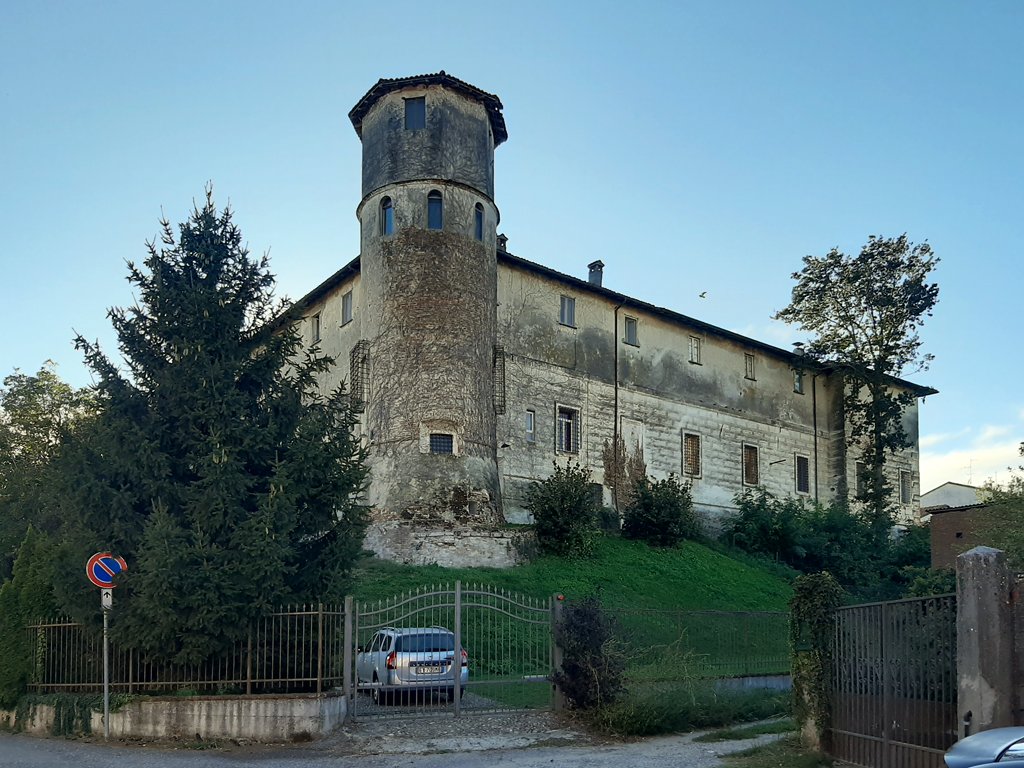 The Pallavicino Serbelloni Castle in Castiglione d'Adda is one of those places that makes you feel like you've discovered a hidden treasure. Built in the 15th century by the powerful Pallavicino family, this manor stands majestically along the banks of the Adda River, with its cylindrical tower dominating the surrounding landscape. The structure retains its medieval charm intact, with crenellated walls and a drawbridge that still evokes atmospheres of bygone eras.
Inside, you can admire well-preserved Renaissance frescoes, including those in the Hall of Arms depicting hunting scenes and courtly life. Particularly suggestive is the inner courtyard, with its central well and Lombard brick arches that create extraordinary plays of light at sunset.
The castle is visitable during cultural events and manifestations organized by the Municipality, such as the historical reenactments that take place in spring and autumn. If you're lucky, you might witness a falconry show in the surrounding park, where ancient centuries-old trees frame this noble residence.
I recommend always checking the opening hours on the Castiglione d'Adda Municipality website, as visits are often tied to special events. It's definitely worth planning a stop to discover this corner of Lodigiana history.
Church of San Francesco
- Piazza Ospitale, Lodi (LO)
- Open in Google Maps
- View on Google Images
 The Church of San Francesco is one of the oldest and most evocative places of worship in Lodi, founded in the 13th century by Franciscan friars. Its simple, austere Lombard brick facade conceals an interior rich in artistic treasures. Upon crossing the threshold, visitors are struck by the wide single nave, typical of Franciscan architecture, which creates an atmosphere of contemplation. The polygonal apse, illuminated by tall single-light windows, preserves 14th-century frescoes from the Giotto school, among which the Stories of Saint Francis stand out. Also remarkable are the Renaissance cloister, with marble columns and decorated capitals, and the side chapel dedicated to Saint Anthony, which houses a valuable 15th-century polyptych. The church, damaged over time and restored several times, retains its medieval charm intact. Today it is a point of reference not only for the faithful but also for art enthusiasts, thanks to its pictorial cycles and the tranquility that can be felt within its walls. A tip: don't miss the small sacristy, where sacred furnishings and historical documents that tell centuries of life in Lodi are kept.
Borromeo Castle of Camairago
- via Vicinale dei Lizzori, Camairago (LO)
- Open in Google Maps
- View on Google Images
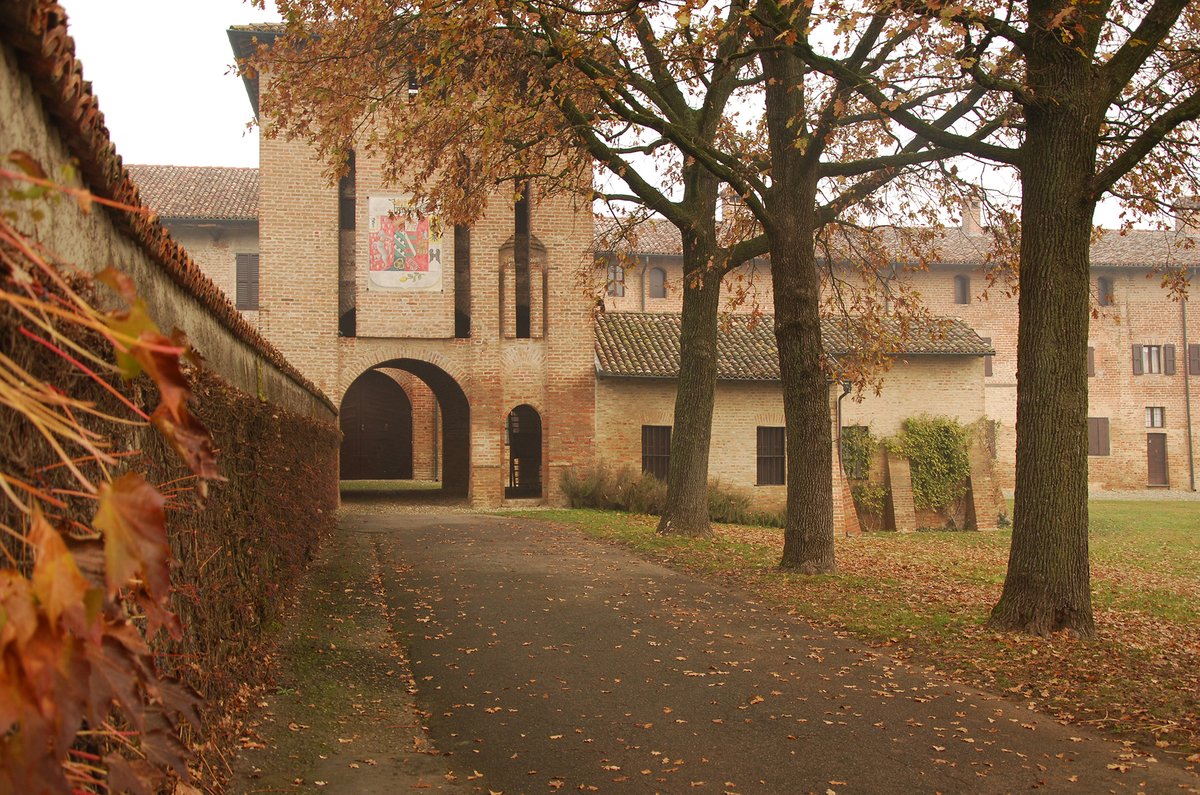 The Borromeo Castle of Camairago is one of those places that surprises you with its discreet elegance. Built in the 15th century by the powerful Borromeo family, this manor perfectly embodies the Lombard Renaissance style. The structure features a quadrangular layout and four corner towers, typical characteristics of the fortified architecture of the period. What immediately strikes you is the harmony of proportions and the masterful use of Lombard brickwork, which gives the building a particular warmth. The inner courtyard is a true gem, with its portico supported by granite columns and coffered ceilings that tell centuries of history. Unfortunately, it's not always open for interior visits, but even just admiring it from the outside is worth the trip. The castle sits on a slightly elevated position, surrounded by the typical Lodigiana countryside, and this gives it an almost timeless atmosphere. A practical tip: always check opening hours before going, as it often hosts private events. If you happen to be there at the right time, you might participate in one of the temporary exhibitions or cultural events occasionally organized there. For photography enthusiasts, the best time to shoot is early afternoon, when the warm light enhances the colors of the brickwork.
Douglas Scotti Castle
- Via Roma, Retegno (LO)
- Open in Google Maps
- View on Google Images
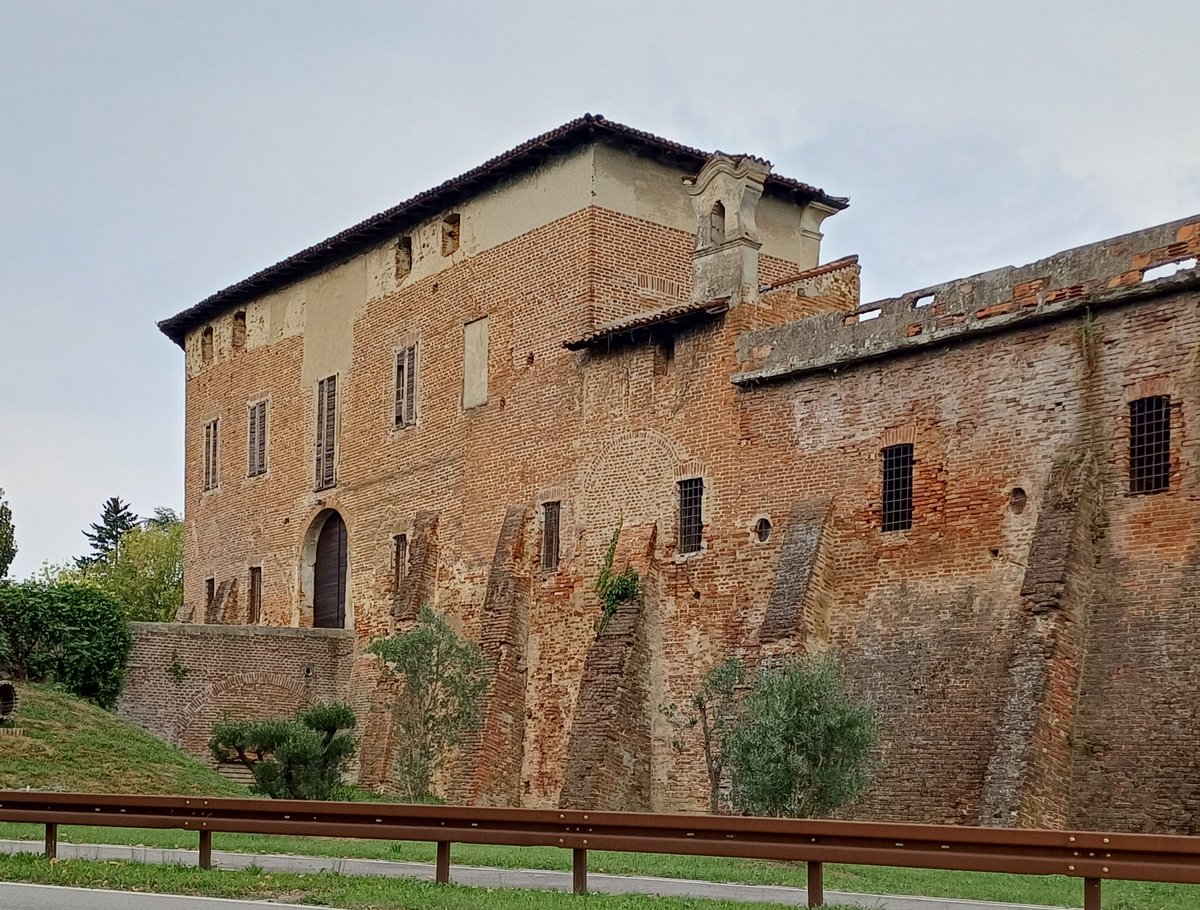 The Douglas Scotti Castle in Retegno is an architectural gem that dominates the Lodigiana plain with its imposing medieval structure. Built in the 14th century by the powerful Scotti family, this manor retains its original defensive features intact, including the still-visible moat and the corner towers that once protected the building. What makes it unique is its dual function: not only a military fortress but also a noble residence, as evidenced by the elegant interior halls with coffered ceilings and monumental fireplaces. Walking through its rooms, you can still breathe the atmosphere of the 15th century, when the castle was at the center of the political and social life of the territory. Today, after careful restoration, the complex is open for visits by reservation and occasionally hosts cultural events and weddings. Its isolated location in the Retegno countryside offers an authentic experience, far from mass tourism, perfect for those seeking little-known but fascinating historical sites. Outside, the surrounding park invites quiet stops, with picturesque glimpses of the perimeter walls and architectural details that tell centuries of Lodigiana history.
Diocesan Museum of Sacred Art
- Piazza Mercato, Lodi (LO)
- Open in Google Maps
- View on Google Images
 The Diocesan Museum of Sacred Art in Lodi is a hidden gem that absolutely deserves a visit. Located within the Bishop's Palace, right next to the Cathedral, this museum houses an extraordinary collection of sacred artworks that tell centuries of Lodi's religious and artistic history.
What immediately strikes you is the quality of the exhibited works. Among the most significant pieces stand out the 18th-century gold-embroidered sacred vestments, true masterpieces of craftsmanship that leave you speechless. But it's not just about precious textiles: the museum also features polychrome wooden sculptures from the medieval and Renaissance periods, as well as panel paintings that show the evolution of sacred painting in the region.
Particularly interesting is the section dedicated to sacred goldsmithing, with chalices, reliquaries, and processional crosses that testify to the skill of Lodi's silversmiths. Don't miss the Reliquary of Saint Bassiano, the city's patron saint, a work of rare beauty and spiritual significance.
The visit unfolds through well-designed rooms that guide visitors on a chronological and thematic journey. The atmosphere is intimate and evocative, perfect for fully appreciating these testimonies of faith and art. The museum also offers guided tours by reservation, ideal for those who want to deepen their knowledge of this heritage.
A practical tip: always check the opening hours on the official website, as they may vary depending on the season and religious celebrations. The entrance ticket is very affordable, with discounts for students and groups.
Villa Biancardi
- Via Vistarini, Casalpusterlengo (LO)
- Open in Google Maps
- View on Google Images
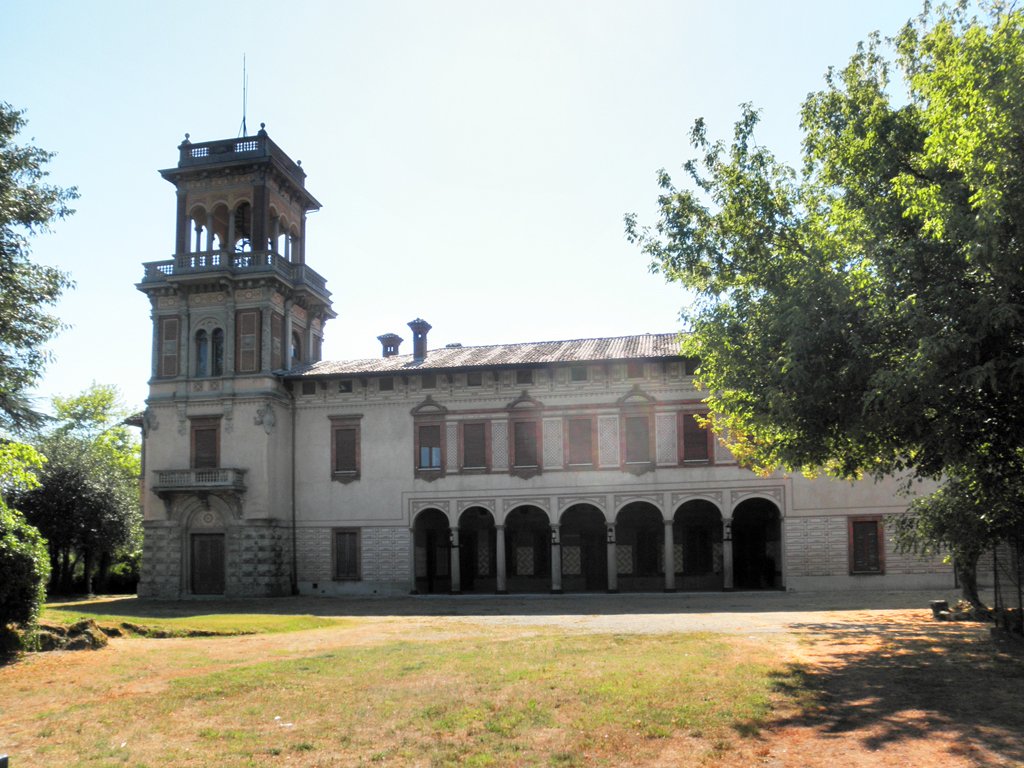 If you're looking for an elegant corner off the beaten tourist path, Villa Biancardi in Casalpusterlengo is the answer. This historic residence, built in the early 1900s, is a perfect example of Liberty-style architecture from the Lodi area, with its sinuous lines, floral decorations, and large windows that capture the light. The villa stands out for its warm ochre-painted facade, enhanced by wrought-iron balconies and stucco frames that showcase the craftsmanship of the era. Inside, the high ceilings with exposed beams and original fireplaces are noteworthy, while outside, the tree-lined park invites you to a refreshing break. It's not always open for interior visits, but the garden is accessible and offers picturesque views, especially in spring when the flowers are in full bloom. For photography enthusiasts, the architectural details and tranquil atmosphere are ideal for memorable shots. Casalpusterlengo, often overlooked, hides a treasure that combines history and nature, perfect for a cultural outing without the crowds. Remember to check the opening hours on the Municipality's website so you don't miss it!
Mozzanica Palace
- Via Volturno, Lodi (LO)
- Open in Google Maps
- View on Google Images
 If you're looking for a corner of history and beauty in the center of Lodi, Mozzanica Palace is an unmissable stop. This elegant Renaissance building, located on Via XX Settembre, dates back to the 15th century and was commissioned by the Mozzanica family, one of the most influential of the era. The facade in Lombard brickwork, with its carefully crafted architectural details, immediately catches the eye. Upon entering, you'll be struck by the porticoed courtyard, where stone columns and round arches create an intimate and suggestive atmosphere. The interior halls, now home to cultural events and exhibitions, preserve traces of original frescoes and coffered ceilings that testify to the palace's prestige. A particular feature is the spiral stone staircase, a rare element for the time, which elegantly connects the floors. Mozzanica Palace is not just a monument, but a living place: here you'll often find contemporary art exhibitions and literary meetings, making it a cultural reference point for Lodi. Its central location, just steps from Piazza della Vittoria, makes it easy to include in a walking itinerary. I recommend checking opening hours, as access is sometimes tied to ongoing events. For those who love local history, it's an opportunity to discover an authentic piece of Lodi, away from the more crowded tourist flows.